Used car shoppers are finally getting some relief as prices retreat from the pandemic peak, but the pullback is far from uniform. While many models are sliding back toward pre-2020 levels, a handful of vehicles are holding their value or even getting more expensive, creating a split market that rewards some owners and frustrates many buyers.
I see a clear pattern emerging: mainstream sedans and older crossovers are softening fastest, while specific trucks, hybrids, and enthusiast models remain stubbornly pricey. Understanding which side of that divide a particular vehicle falls on can make the difference between a smart deal and overpaying in a cooling market.
Used prices are finally falling, but not evenly
After several years of record-high used car prices, the broader market is now moving in the buyer’s favor. Wholesale auction data and retail listings show that average used values have been drifting lower as supply improves and demand normalizes from the frenzy that followed the early pandemic production shutdowns. Analysts point to a combination of higher interest rates, more new-car inventory, and stretched household budgets as key reasons why used prices are easing instead of climbing.
That overall cooling, however, masks sharp differences between segments and specific models. Compact and midsize sedans that were already out of favor with many American buyers are seeing some of the steepest declines, as are older, high-mileage crossovers that flooded the market when leases ended and fleets rotated stock. By contrast, late-model pickups, fuel-efficient hybrids, and certain performance cars are resisting the broader slide, a trend that shows up clearly when I compare model-level pricing data across multiple recent used listings and wholesale auction reports.
Family sedans and mainstream SUVs are giving up the pandemic premium
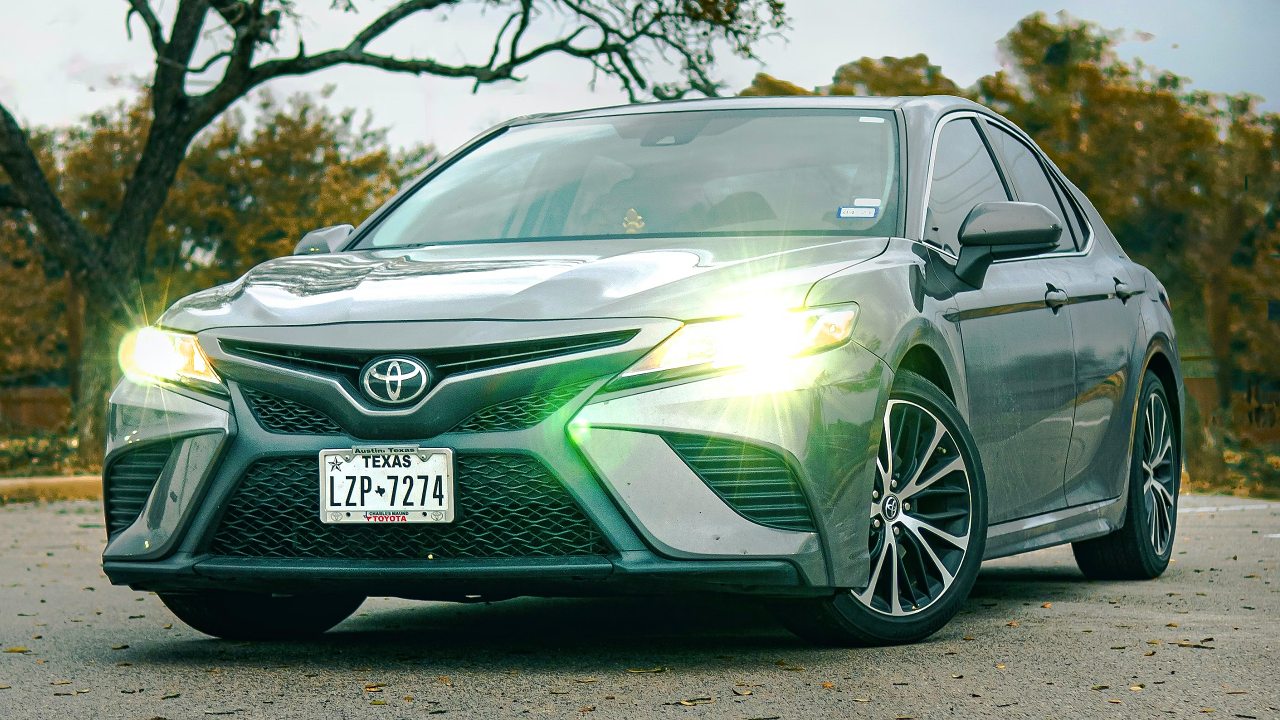
The easiest place for buyers to see real discounts is in the bread-and-butter family segment. Popular four-door models that were once the default choice for commuters, such as the Toyota Camry, Honda Accord, Nissan Altima, and Hyundai Sonata, are now much closer to their historical depreciation curves. During the tightest supply period, three-year-old versions of these cars sometimes sold for only a small discount to new, but recent pricing snapshots show more typical gaps re-emerging as dealers adjust to softer demand and higher floorplan costs. That shift is especially visible in nationwide classified data that tracks average transaction prices by model year.
Similar pressure is hitting mainstream compact and midsize SUVs that were heavily leased earlier in the decade. Vehicles like the Honda CR-V, Toyota RAV4, Nissan Rogue, and Ford Escape are now coming off lease in large numbers, and many of those units are landing on dealer lots at the same time. With more choices and less urgency, shoppers are negotiating harder, and dealers are cutting asking prices to move aging inventory. Recent dealer surveys and pricing charts from major industry trackers show that these high-volume crossovers are among the models posting the largest month-over-month declines in average used values.
Full-size pickups and work trucks are still defying gravity
In contrast, late-model full-size pickups remain one of the most stubbornly expensive corners of the used market. Trucks like the Ford F-150, Chevrolet Silverado 1500, GMC Sierra 1500, and Ram 1500 continue to command strong money on dealer lots, especially in well-equipped trims with four-wheel drive. Even as the broader used market cools, pricing tools built on recent valuation data show that clean, low-mileage examples of these trucks are depreciating more slowly than comparable sedans and crossovers.
Several forces are keeping used truck prices elevated. Construction and small business demand has stayed resilient, and many buyers who rely on pickups for work are less willing to delay purchases even when financing costs rise. At the same time, new truck prices climbed significantly over the last few years, which pulled used values up behind them and left a smaller gap between new and used. Fleet buyers and rural shoppers who prefer simpler, V8-powered or heavy-duty models are also competing for a limited pool of clean used inventory, a trend that shows up in regional wholesale reports where work-oriented pickups consistently sell at or above guidebook values.
Hybrids and efficient compacts are holding value as fuel costs bite
Fuel-efficient models are another major exception to the broader price slide. Hybrids such as the Toyota Prius, Toyota RAV4 Hybrid, Honda CR-V Hybrid, and Ford Escape Hybrid have seen only modest softening, and in some cases, late-model examples are still selling for surprisingly strong money relative to their original sticker prices. When I compare recent retail listings and trade-in estimates for these vehicles against similar non-hybrid trims, the electrified versions often carry a noticeable premium, a pattern that aligns with recent model-level retention studies.
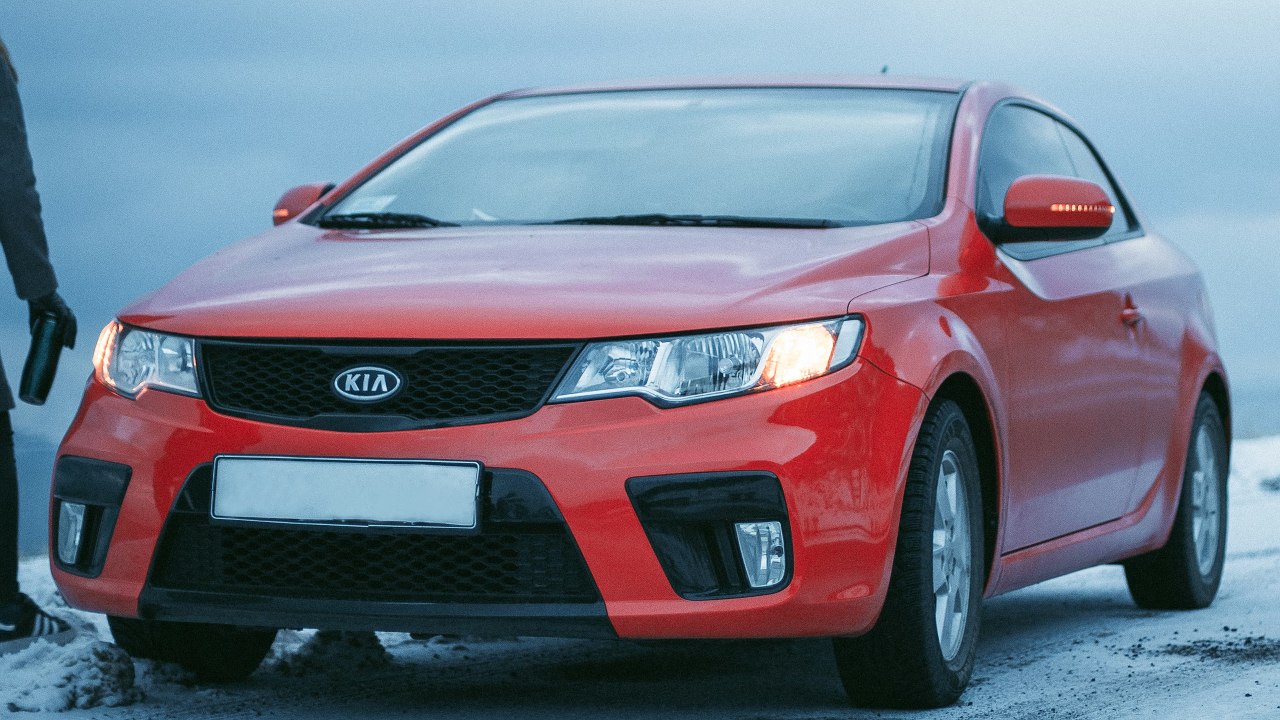
Smaller gasoline compacts with strong fuel economy, including the Toyota Corolla, Honda Civic, Hyundai Elantra, and Kia Forte, are also proving more resilient than many larger vehicles. Higher fuel prices over the past few years have pushed more budget-conscious shoppers toward efficient used options, and some buyers who might once have stretched for a new crossover are instead choosing a lightly used compact sedan or hatchback. That shift in demand helps explain why pricing indexes that break out segments by fuel economy show slower depreciation for high-mpg models, a trend that is visible in recent transaction analyses and dealer inventory reports.
Enthusiast models and niche SUVs remain surprisingly expensive
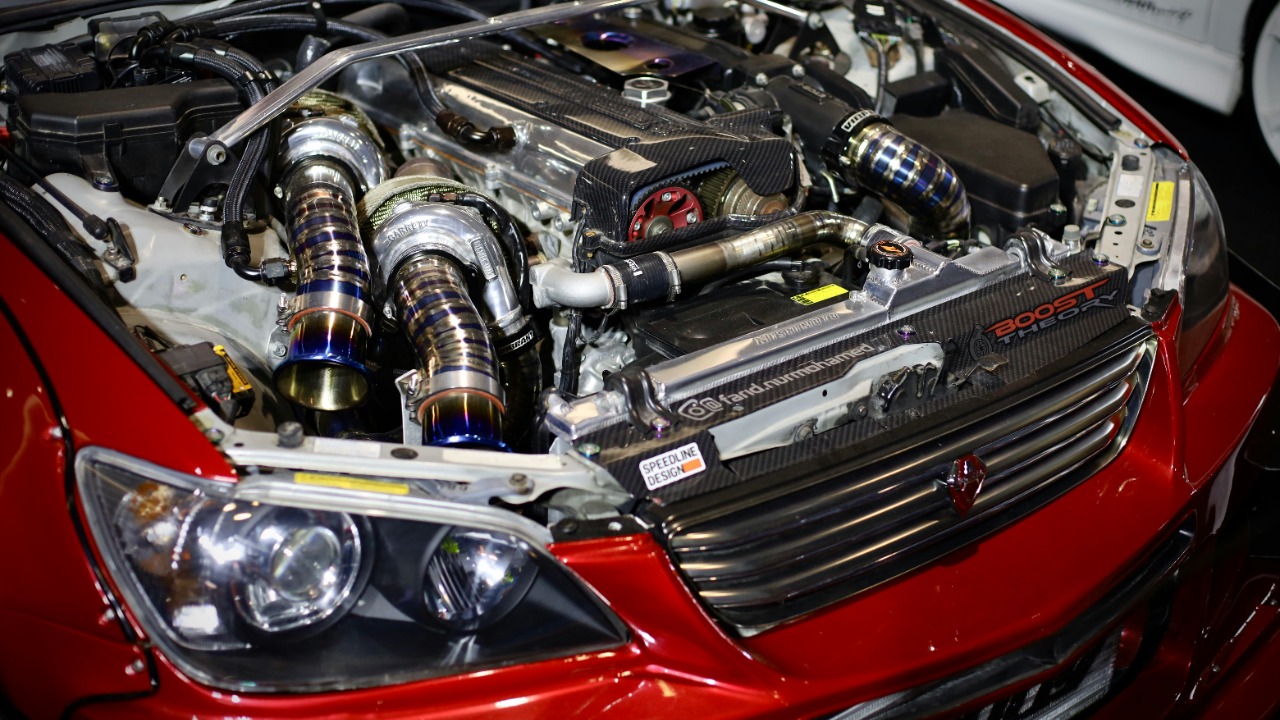
Beyond work trucks and hybrids, a cluster of enthusiast-oriented vehicles continues to behave like a market of its own. Performance cars such as the Ford Mustang, Chevrolet Camaro, Dodge Challenger, and certain versions of the Subaru WRX and Volkswagen Golf GTI have retained a loyal following, and that demand is keeping used prices firmer than the broader market. Limited-production trims, V8 variants, and manual-transmission models in particular are still trading at a premium, a pattern that shows up clearly in recent auction results and enthusiast-focused pricing trackers.
Some niche SUVs and off-roaders are also resisting the downturn. Models like the Toyota 4Runner, Jeep Wrangler, and certain Land Cruiser generations have long reputations for durability and capability, and that reputation translates into unusually strong resale values even as other SUVs slide. Recent data sets that compare five-year depreciation across nameplates consistently place these vehicles among the slowest to lose value, and current used listings confirm that clean examples still command high asking prices relative to age and mileage.
How shoppers and owners can navigate the split market
For buyers, the uneven correction means strategy matters more than ever. Shoppers who are flexible on body style and brand can save meaningful money by targeting segments where prices are falling fastest, such as mainstream sedans and older crossovers. Using multiple pricing tools and scanning nationwide inventory searches can help identify which models in a given budget are seeing the steepest discounts, and being willing to travel or compromise on color and options can unlock better deals in a market that is no longer uniformly tight.
Owners, on the other hand, may find that the timing is still favorable if they happen to drive one of the models that has resisted the downturn. Drivers with late-model full-size pickups, popular hybrids, or in-demand off-road SUVs often receive stronger trade-in or private-sale offers than owners of comparable sedans or older crossovers. Recent dealer appraisal tools and online instant-offer platforms built on current valuation feeds make it easy to check whether a particular vehicle is one of the outliers that has kept its pandemic-era pricing power, and that knowledge can shape decisions about whether to sell now, refinance, or hold on longer.
More from Fast Lane Only: