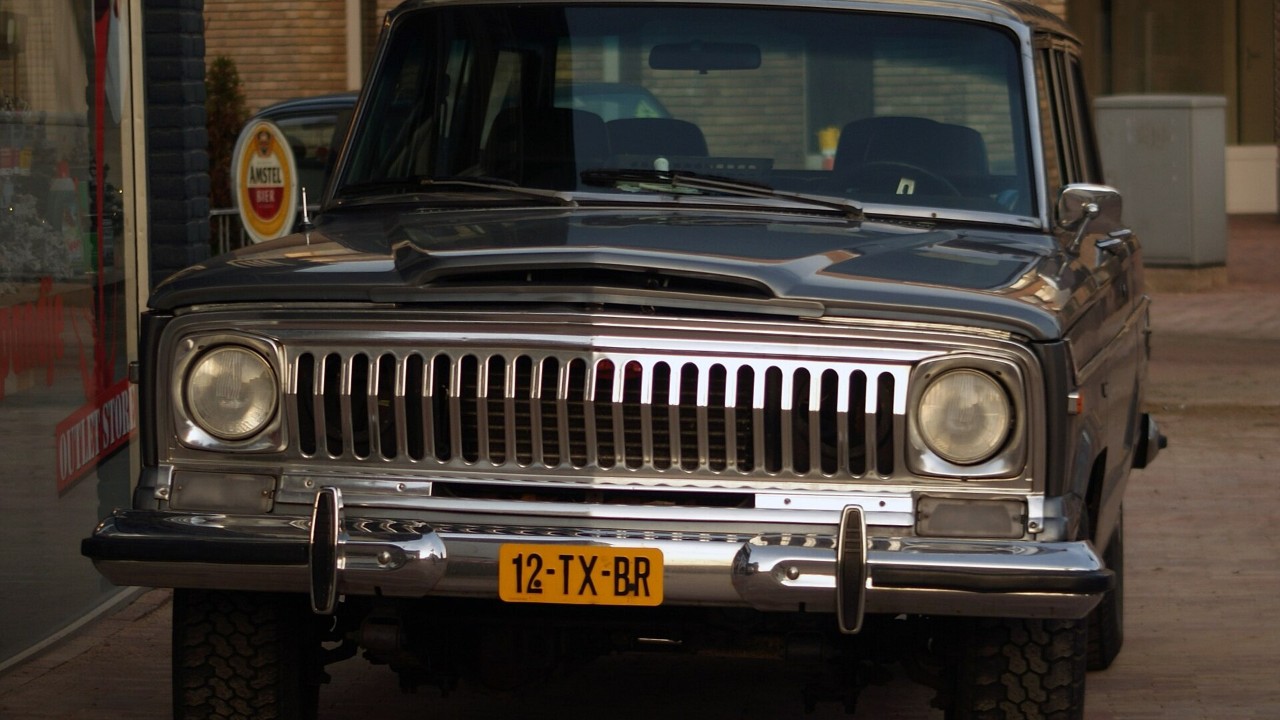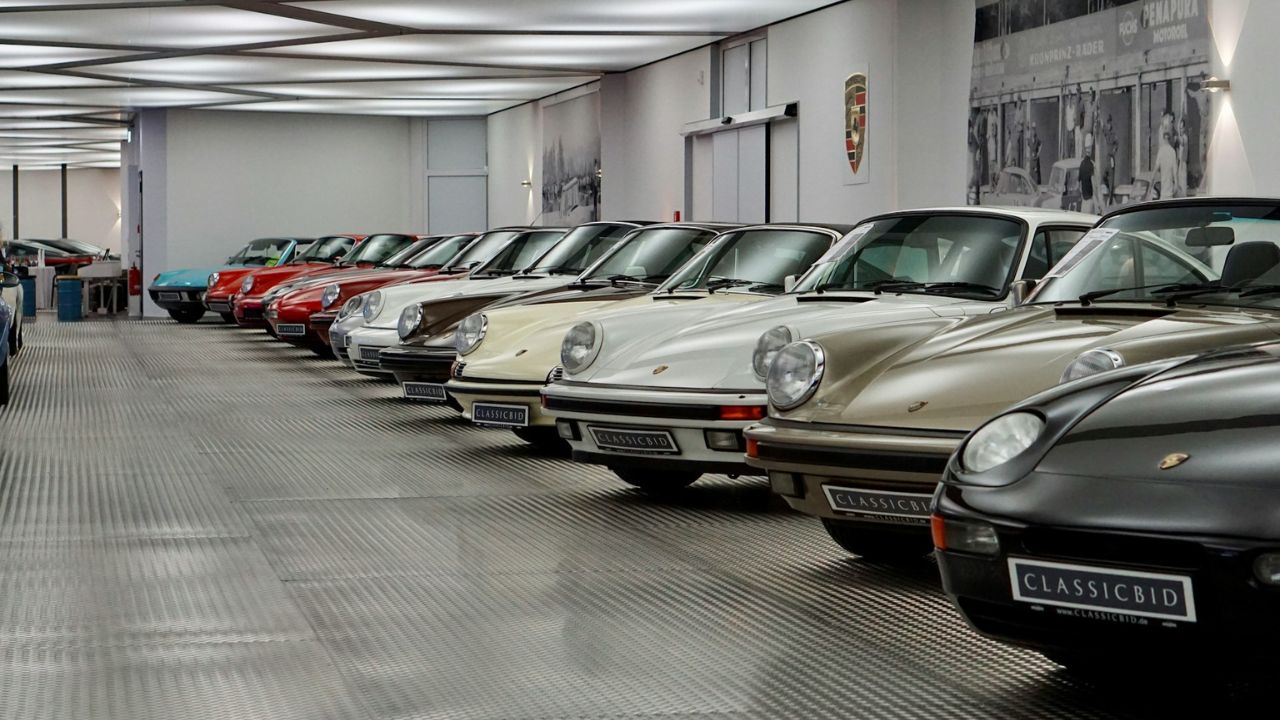
Antique vehicles are treasured pieces of history and craftsmanship. Proper storage is essential to preserve these vehicles for future generations. The following outlines the best storage practices to ensure your antique vehicle remains in pristine condition.
Environmental Considerations
Climate Control
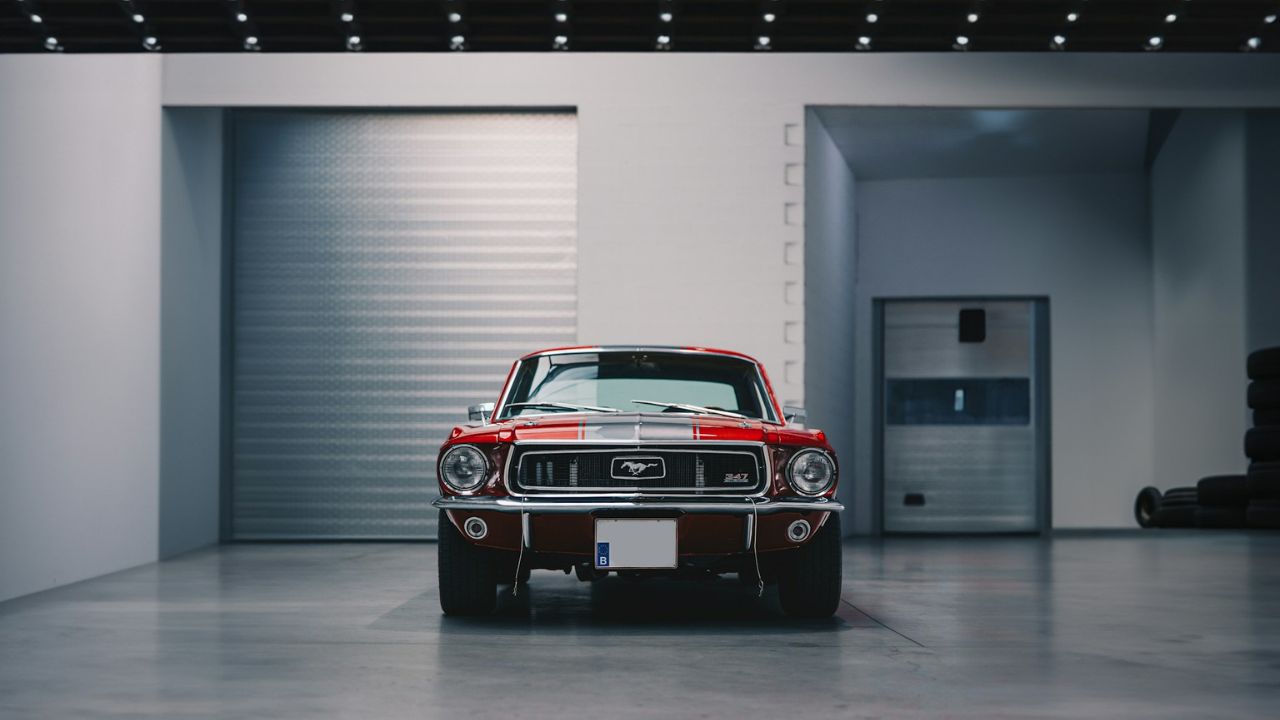
Maintaining a stable temperature and humidity level is crucial to prevent rust and deterioration in antique vehicles. Fluctuations in temperature can lead to condensation, which accelerates the rusting process. It is advisable to keep the storage area at a consistent temperature between 50°F and 70°F with a humidity level of around 50%. Utilizing a dehumidifier or a climate control system can help manage these conditions effectively.
For example, the 1967 Chevrolet Impala, a classic model, can suffer paint damage and interior degradation if exposed to high humidity levels. By storing such vehicles in climate-controlled environments, owners can preserve the integrity and value of their prized possessions.
Protection from Elements
Indoor storage is essential to shield antique vehicles from harmful environmental factors such as UV rays, rain, and snow. These elements can cause significant damage to the vehicle’s paint, interior, and mechanical components over time. A well-insulated garage or a specialized storage facility can provide the necessary protection.
Consider a vehicle like the 1965 Ford Mustang, whose paint and upholstery can fade and degrade quickly if left exposed to the sun’s harsh rays. By storing it indoors, owners can prevent unnecessary wear and maintain its classic appeal.
Ventilation
Proper ventilation is vital in storage spaces to avoid mold, mildew, and musty odors. Ensuring that air can circulate freely will help prevent moisture accumulation, which can lead to unpleasant smells and material degradation.
To achieve this, consider installing vents or fans in your storage area. This practice is particularly important for vehicles with fabric interiors, which is susceptible to mold growth if not adequately ventilated.
Preparing the Vehicle for Storage

Cleaning and Detailing
Thoroughly cleaning an antique vehicle before storage is fundamental to preventing corrosion and wear. Start by washing the exterior to remove dirt and debris, then apply a high-quality wax to protect the paint. Interior detailing, including vacuuming and conditioning leather surfaces, will help preserve the vehicle’s value and appearance.
For instance, a 1957 Chevrolet Bel Air, known for its iconic design, requires meticulous cleaning to maintain its aesthetic appeal. By investing time in detailing before storage, owners can safeguard their vehicles against long-term damage.
Fluid and Battery Maintenance
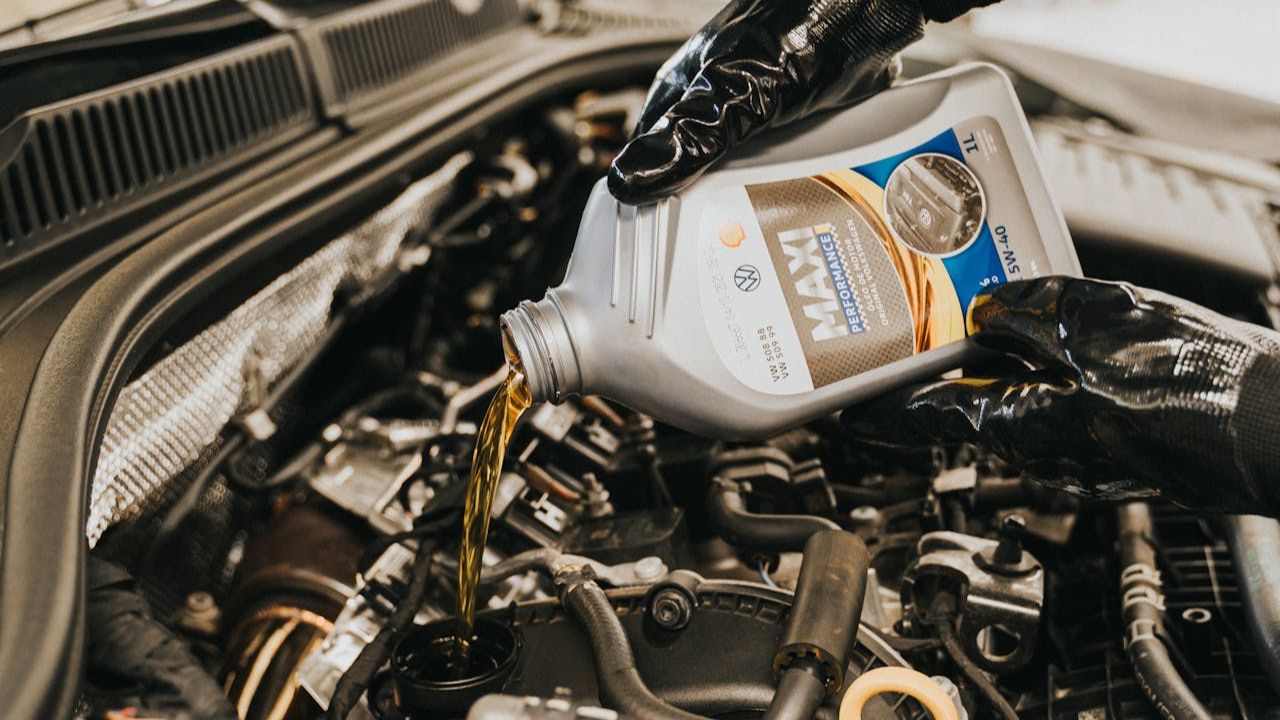
Properly preparing the vehicle’s fluids is essential for storage. Adding a fuel stabilizer to the gas tank can prevent the fuel from breaking down and causing damage to the engine. Additionally, it’s wise to change the oil and top off other fluids like coolant and brake fluid to ensure they remain in optimal condition.
Regarding the battery, consider disconnecting it or using a trickle charger to maintain its charge, cars can suffer from battery drain if left unattended for extended periods.
Tire Care
Inflating tires to the correct pressure is crucial to prevent flat spots during storage. Over time, tires can develop flat spots if they remain in the same position for too long. Using tire jacks or blocks can alleviate this issue by distributing the vehicle’s weight more evenly.
Classic cars can benefit from this practice, ensuring that their tires stay in good condition and are ready for use when the vehicle is taken out of storage.
Security Measures

Location Security
Choosing a secure storage location is paramount to protect antique vehicles from theft or vandalism. Opt for facilities equipped with surveillance cameras, alarm systems, or even security personnel to provide an additional layer of protection.
For example, high-value cars like the 1939 Mercedes-Benz 540K are often targeted by thieves, making robust security measures a necessity for their safekeeping.
Vehicle Security Features
Installing additional security features on the vehicle can provide added peace of mind. Consider alarms, steering wheel locks, or even GPS tracking systems to deter potential thieves.
These security measures are particularly beneficial for models like the 1973 Porsche 911, which can attract attention due to their rarity and value. By enhancing security, owners can better protect their investments.
Regular Maintenance and Inspection
Scheduled Check-ups
Regular inspections and minor maintenance during storage are key to ensuring the vehicle remains in good working order. Schedule periodic check-ups to assess the condition of the vehicle and address any issues that arise.
For instance, a 1966 Jaguar E-Type, known for its complex engineering, requires routine attention to maintain its performance and reliability. Regular maintenance helps preserve its value and functionality.
Pest Control
Pest infestations can cause significant damage to antique vehicles, particularly to wiring and interiors. Implementing pest control measures, such as traps or repellents, can mitigate this risk.
Vehicles like the 1954 Corvette, with its intricate wiring and fabric upholstery, are especially vulnerable to rodents. By taking preventive steps, owners can protect their vehicles from costly damage.
Documentation and Insurance

Comprehensive Documentation
Keeping detailed records of vehicle maintenance, storage conditions, and any modifications is essential for historical accuracy and insurance purposes. Documenting these aspects provides a clear history of the vehicle’s care and upkeep.
For a classic car like the 1963 Aston Martin DB5, such documentation can significantly enhance its value and appeal to collectors. Detailed records ensure that any maintenance or modifications are accurately reflected in the vehicle’s history.
Insurance Considerations
Having an appropriate insurance policy that covers the vehicle during storage is crucial for safeguarding against potential damages or losses. Review your policy to ensure it includes coverage for storage-related risks.
Models like the 1959 Cadillac Eldorado, with their high market value, require comprehensive insurance to cover any unforeseen incidents during storage. By securing the right policy, owners can protect their investments and ensure peace of mind.
Like Fast Lane Only’s content? Be sure to follow us.
Here’s more from us:
*Created with AI assistance and editor review.