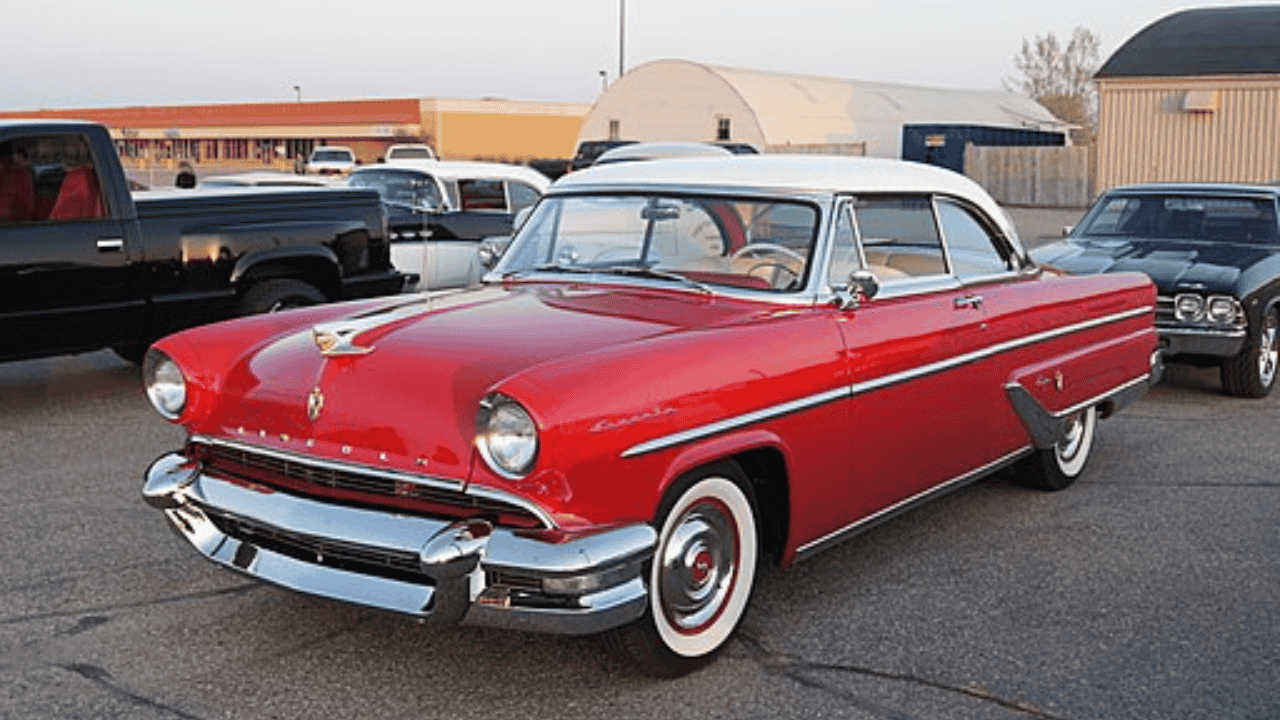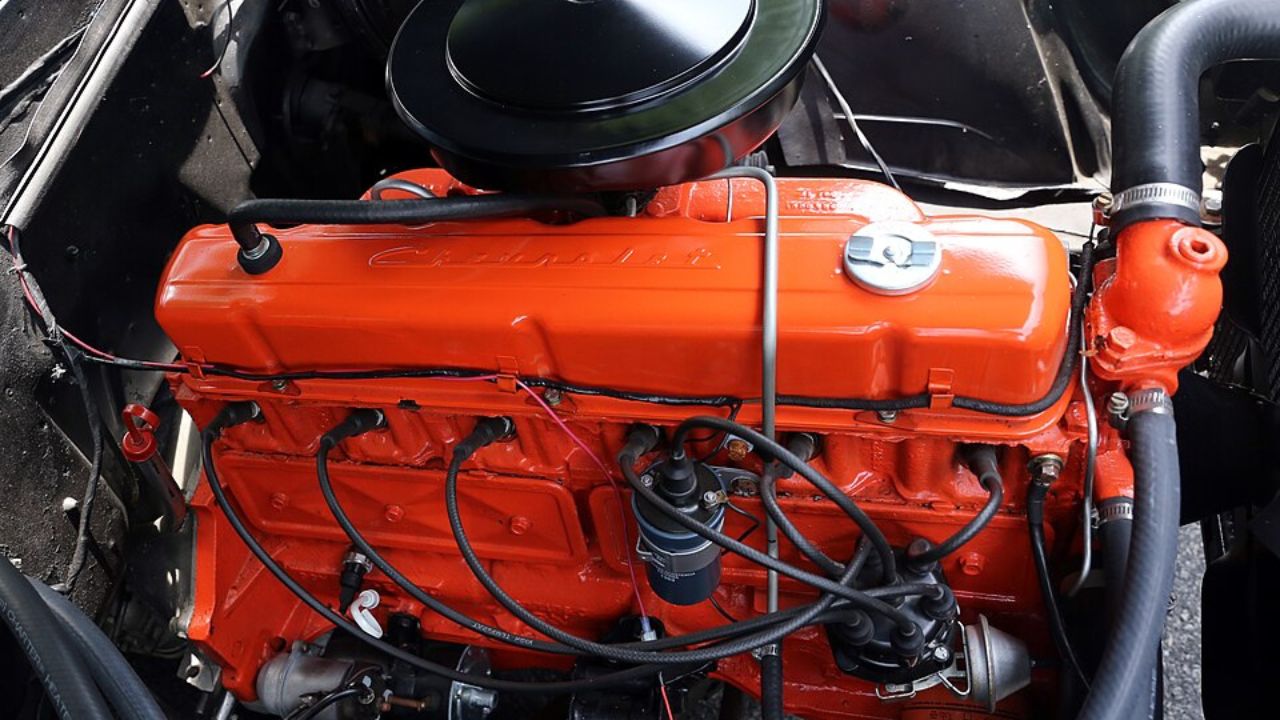
The Chevrolet inline-six has long had a reputation for surviving abuse that would sideline more sophisticated engines. From farm trucks and workhorses to family sedans and early muscle cars, this straightforward six-cylinder layout became synonymous with durability, low running costs, and an almost agricultural simplicity that owners trusted for decades.
Now, as the industry swings back toward efficient six-cylinder designs and enthusiasts rediscover classic powertrains, the story of Chevrolet’s stalwart straight-six has fresh relevance. Its evolution from prewar basic transport to a beloved “forever engine” helps explain why the inline-six formula keeps returning in modern performance and work vehicles.
How Chevrolet’s straight-six evolved into a “forever engine”
Chevrolet’s inline-six story is defined less by headline power figures and more by incremental refinement. Early postwar versions were simple, low-compression units designed to run on poor fuel and tolerate minimal maintenance. Thick cast-iron blocks, conservative valve timing, and modest compression ratios meant these engines produced modest power but had generous safety margins built into every component.
Instead of replacing that basic architecture outright, Chevrolet engineers steadily updated it. Improvements in cylinder head design, oiling passages, and bearing materials allowed the same fundamental layout to support higher compression and better breathing without sacrificing longevity. Later generations adopted stronger crankshafts and improved cooling circuits, reducing hot spots that could trigger detonation or warped components in heavy-duty use.
This steady evolution mirrored what happened with other respected inline-six families. Toyota’s long-lived straight-sixes, for example, built a reputation for strength that still shapes how enthusiasts talk about engines. The inline-six in a classic Toyota sports car is often cited as one of the strongest production sixes ever, and owners still praise that engine’s ability to handle significant power increases with stock internals, as highlighted in coverage of a Toyota sports coupe that continues to hide a remarkably stout straight-six under its hood.
Chevrolet’s approach was similar in spirit. Rather than chasing cutting-edge technology, the company leaned on proven cast-iron construction and straightforward pushrod valvetrains. The result was a powerplant that tolerated neglect, dirty fuel, and long oil-change intervals. Fleet operators and rural owners valued the fact that a worn timing set or a tired carburetor could often be addressed in a driveway with basic tools, keeping trucks and sedans on the road with minimal downtime.
By the time later variants arrived, the Chevrolet six had become a known quantity among mechanics. Parts interchangeability across generations, familiar fastener sizes, and accessible components meant that repairs were quick and predictable. That ecosystem of knowledge and parts availability helped cement its reputation as an engine that could be kept alive almost indefinitely with inexpensive work.
Why a mid-century workhorse matters in the age of modern sixes
The renewed interest in inline-six engines across the industry gives Chevrolet’s old straight-six fresh relevance. Modern automakers are once again embracing the layout for its natural balance and smoothness. Inline-sixes typically generate less vibration than comparable V6 designs, allowing engineers to push for higher power levels with fewer compromises in refinement.
Today, contemporary diesel and gasoline straight-sixes power heavy-duty pickups, luxury sedans, and performance SUVs. Enthusiast coverage of reliable inline-six diesels often highlights how this configuration suits engines that must deliver strong torque for long periods without failure. That same mechanical logic underpinned Chevrolet’s gasoline six decades ago. A long crankshaft supported by multiple main bearings, evenly spaced firing intervals, and simple exhaust routing all contributed to durability and ease of tuning.
For collectors and drivers of vintage Chevrolets, the old inline-six has become a kind of mechanical anchor. In an era of turbocharged fours and complex electronics, a carbureted cast-iron six offers a tangible link to a time when engine bays were open and mechanical systems were visible and understandable. Owners of classic pickups, for instance, often keep the original straight-six rather than swapping in a V8, valuing the smooth torque curve and the engine’s reputation for shrugging off hard use.
The cultural weight of Chevrolet’s six also shows up in how enthusiasts talk about “forever engines.” Coverage of Chevrolet’s long-running straight-six family often refers to it as an American fixture that powered generations of cars and trucks. One detailed look at Chevrolet’s so-called forever engine traces how its basic design underpinned countless work vehicles and entry-level models, reinforcing the idea that this powerplant was built for the long haul rather than short-lived performance peaks.
That history matters in the current moment for several reasons. It reminds buyers that durability often comes from conservative engineering choices, not just advanced materials or software. It also shows how a company can build long-term brand loyalty by delivering engines that outlast the sheet metal around them. Many drivers who grew up with a Chevrolet six-cylinder truck or sedan carried that positive experience into later purchases, associating the bowtie badge with reliability and low maintenance costs.
In addition, the Chevrolet inline-six offers context for how modern engines are judged. When new turbocharged sixes or high-output diesels are marketed as durable, enthusiasts often compare them to the old straight-sixes that ran for hundreds of thousands of miles with minimal drama. That historical benchmark shapes expectations and skepticism about whether contemporary designs will age as gracefully.
Where the Chevrolet inline-six legacy goes from here
The original Chevrolet straight-six is long out of production, but its influence continues in several directions. In the restoration world, there is a growing focus on preserving numbers-matching powertrains rather than defaulting to V8 swaps. Owners of 1950s and 1960s Chevrolet pickups, for example, increasingly seek original-style rebuilds that keep the factory six in place, both for authenticity and for the relaxed driving character that engine provides.
This trend has created a small but active aftermarket for rebuild kits, improved ignition systems, and period-correct fuel delivery upgrades. Machine shops familiar with these engines still line up crankshafts, bore cylinders, and install hardened valve seats so that they can reliably run on modern unleaded fuels. The goal is not to transform the Chevrolet six into a high-revving performance motor, but to extend its life while preserving the qualities that made it trusted in the first place.
Builders are also showing growing interest in pairing classic inline-sixes with modern drivetrains. Some retain the original engine but add overdrive transmissions, better cooling systems, and electronic fuel injection conversions. These updates allow a vintage Chevrolet sedan or truck to cruise at highway speeds with lower engine stress and improved fuel economy, while the core mechanical heart of the vehicle remains familiar and easy to service.
Looking further ahead, the legacy of the Chevrolet inline-six may shape how enthusiasts respond to new straight-six offerings. As automakers reintroduce inline-six gasoline and diesel engines in trucks and performance vehicles, buyers who grew up hearing about the old Chevrolet six may be more open to these configurations. The historical association with smoothness and longevity gives modern straight-sixes a narrative advantage over more complex alternatives.
At the same time, the shift toward electrification raises questions about how long internal combustion icons will remain central to the automotive story. Even as electric drivetrains expand, there is likely to be a long transitional period in which durable, easily maintained engines retain value, especially in regions where charging infrastructure lags. In that context, a well-maintained Chevrolet inline-six can serve as a practical, low-stress powerplant for classic vehicles that still see regular use.
The broader lesson from Chevrolet’s durable straight-six is that longevity often comes from restraint. By focusing on a balanced layout, conservative tuning, and incremental improvement, Chevrolet created an engine family that outlived trends and survived hard work. As the industry experiments with new materials, combustion strategies, and hybrid systems, the quiet success of that old iron six remains a reminder that durability is built over decades, not just product cycles.
More from Fast Lane Only
- Unboxing the WWII Jeep in a Crate
- 15 rare Chevys collectors are quietly buying
- 10 underrated V8s still worth hunting down
- Police notice this before you even roll window down
*Research for this article included AI assistance, with all final content reviewed by human editors