The classic 400 engine, often overshadowed by its high-performance counterparts, has a rich history and unexpected power output that many buyers overlook. With a legacy rooted in the vibrant automotive culture of the 1960s and 1970s, the 400 engine offers a unique blend of performance and reliability that has been largely underestimated. By delving into its specifications, historical context, and the misconceptions that surround it, I aim to highlight why this engine deserves more recognition than it currently receives.
Historical Context of the 400 Engine
The 400 engine made its debut in a transformative era for the automotive industry, particularly during the late 1960s and early 1970s when muscle cars were at the height of their popularity. Automakers were racing to produce vehicles that could deliver impressive horsepower and torque to compete in a rapidly evolving market. The 400 engine was developed as part of this competitive landscape, positioning itself between the compact and powerful 350 cubic inch engines and the more robust 454 cubic inch offerings.
Key competitors at the time included the Chevrolet 396 and the Pontiac 421, which influenced the design of the 400 engine. The 400 was engineered with an emphasis on efficiency while still delivering a satisfying power output. As automakers began to recognize the importance of balancing performance with fuel economy, the 400 engine evolved through several iterations, showcasing both advancements in design and a response to consumer demand for more responsible driving options.
Specifications and Performance Metrics
The 400 engine is characterized by its 400 cubic inch (6.6-liter) displacement, which was a sweet spot for many performance-oriented vehicles. It typically produced between 330 to 360 horsepower, depending on the specific model and configuration, coupled with a torque output that ranged from 400 to 480 lb-ft. This impressive torque made the 400 engine particularly appealing for both street driving and performance applications, allowing for a strong launch and robust mid-range power.
When compared to its contemporaneous engines, such as the Chevrolet 350 and the Ford 351, the 400 engine often outperformed them in real-world scenarios. While the 350 engine produced similar peak horsepower figures, the 400’s superior torque gave it a distinct advantage in acceleration and overall driveability. Engineering choices, such as the use of a large bore and a shorter stroke, contributed to its unique power output, allowing for greater airflow and improved combustion efficiency.
Misconceptions About Power Output
One of the most common myths surrounding the 400 engine is that it was underpowered compared to its competitors. Many buyers were led to believe that its horsepower figures were less impressive due to marketing strategies that emphasized peak performance numbers. This perception was often driven by advertising campaigns that focused on the muscle car giants of the era, such as the Chevrolet Corvette and the Dodge Charger, which showcased their higher horsepower figures while downplaying the 400’s capabilities.
Real-world performance tells a different story. Numerous enthusiasts have reported that the 400 engine often performs better than its advertised figures would suggest. When subjected to dyno testing, many variants of the 400 engine produced results that exceeded expectations, debunking the myth of its underwhelming power output. The combination of high torque and solid horsepower allows for exhilarating driving experiences, making it a favorite among car enthusiasts who appreciate its potent capabilities.
The Engine’s Legacy in Motorsports and Street Performance
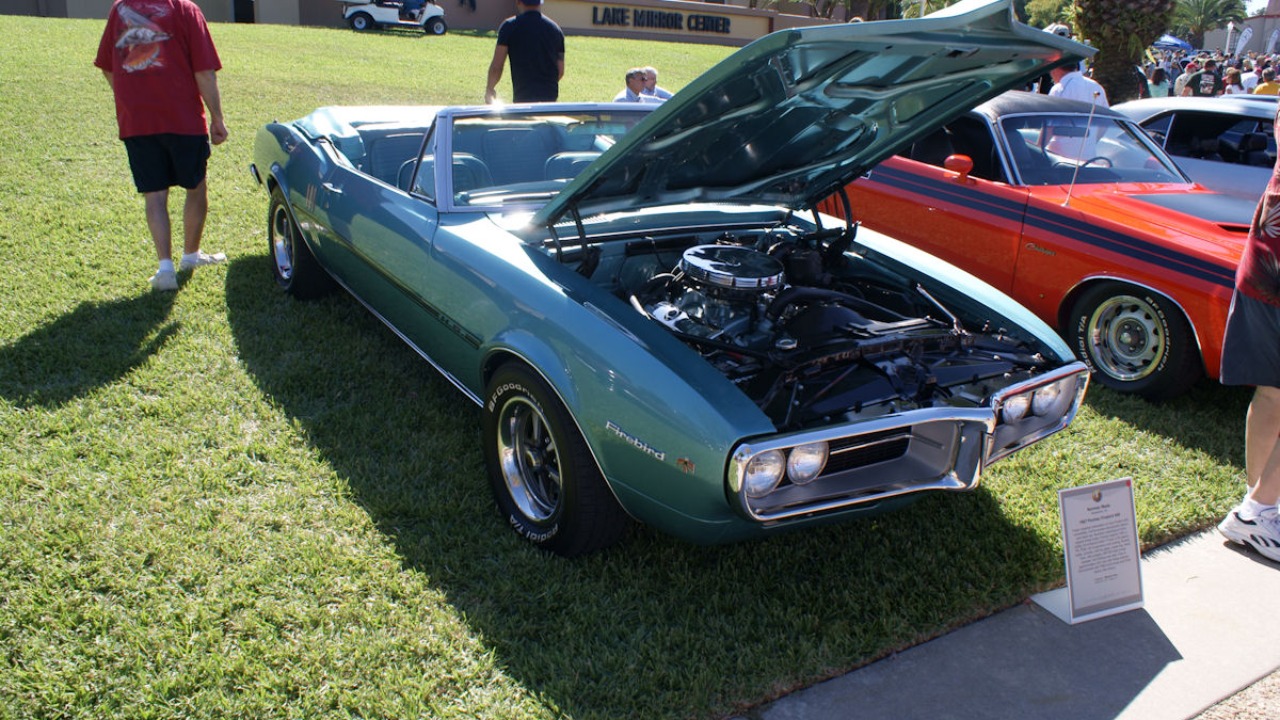
The 400 engine’s legacy extends beyond its initial release, with several notable instances of its use in motorsports. In the 1970s, it found its way into various racing applications, including drag racing and stock car racing, where it was appreciated for its reliability and power. Cars like the Pontiac Firebird and the Chevrolet Camaro were equipped with the 400 engine, allowing them to compete effectively in both professional and amateur racing circuits.
Testimonials from mechanics and car enthusiasts reveal a deep-seated appreciation for the 400 engine’s performance and durability. Many have praised its ability to withstand the rigors of high-performance driving while maintaining a level of reliability that is often hard to find in performance engines. The aftermarket tuning scene has also embraced the 400, with numerous performance parts available for enthusiasts looking to enhance its capabilities further.
Maintenance and Longevity of the 400 Engine
For owners of vehicles equipped with the 400 engine, understanding common issues and maintenance practices is crucial for maximizing performance and lifespan. One common concern is the potential for overheating, which can occur if the cooling system is not adequately maintained. Regularly checking coolant levels and ensuring that the radiator is functioning properly can prevent this issue from becoming a significant problem.
Another important aspect of maintenance is the engine’s oil system. Regular oil changes and the use of high-quality oil can help keep the engine running smoothly and efficiently. Many owners recommend using synthetic oil for its superior properties, which can enhance performance and longevity. Additionally, components such as the timing chain and water pump should be inspected regularly to prevent unexpected failures.
The availability of parts for the 400 engine is generally good, thanks to its popularity among classic car enthusiasts. Restoration projects are common, and many suppliers offer OEM-quality replacement parts, ensuring that these engines can continue to thrive for years to come. Enthusiasts often find that investing in high-quality components not only enhances performance but also contributes to the overall longevity of the engine.
Rediscovering the 400 Engine
Today, the market status of the 400 engine is evolving as collectors and enthusiasts alike begin to appreciate its unique characteristics and performance potential. While it may not command the same high prices as some of its more famous counterparts, it is increasingly recognized for its value and performance capabilities. Classic car shows and gatherings often feature vehicles equipped with the 400 engine, showcasing its ability to turn heads and inspire admiration.
Looking to the future, there is significant potential for the 400 engine in modern automotive culture. As the classic car scene continues to grow, more enthusiasts are likely to explore the possibilities offered by the 400 engine. Whether through restoration projects, aftermarket tuning, or simply enjoying the driving experience, the 400 engine is poised to carve out a niche for itself in the hearts of car lovers.
For anyone considering a classic car or a performance vehicle, I encourage you to explore the 400 engine and its capabilities. It may just surprise you with its power, efficiency, and the joy it can bring to the driving experience.
More from Fast Lane Only
- Unboxing the WWII Jeep in a Crate
- 15 rare Chevys collectors are quietly buying
- 10 underrated V8s still worth hunting down
- Police notice this before you even roll window down
*Research for this article included AI assistance, with all final content reviewed by human editors.