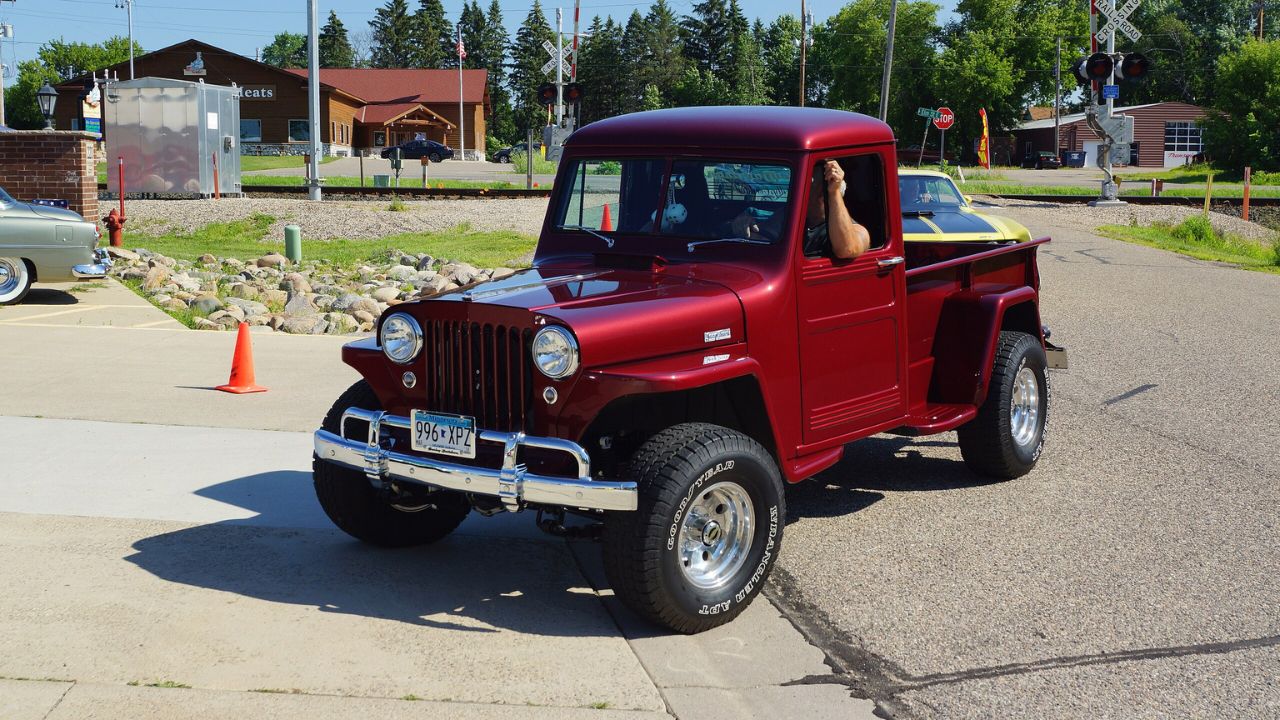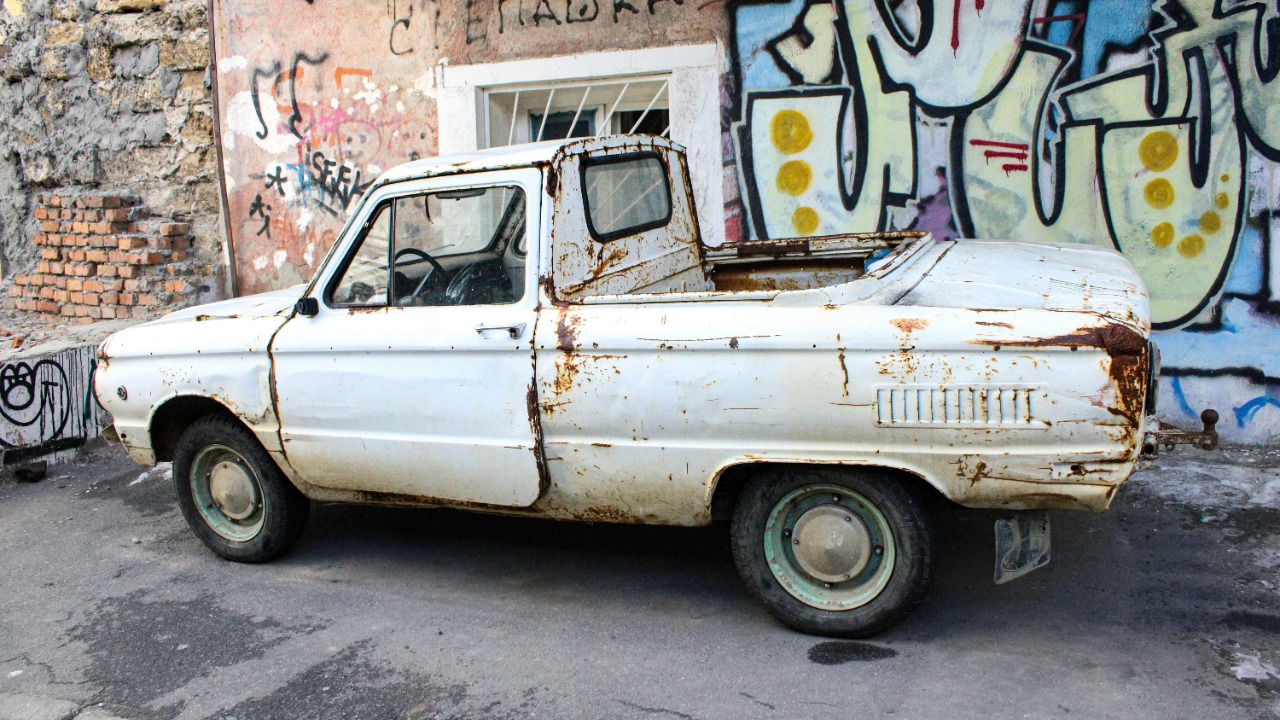
For years, a certain kind of workhorse pickup sat at the back of auction lanes and classifieds, overshadowed by brawnier V8s and glamorous off-road specials. Now those same overlooked trucks are climbing in value, drawing long-distance buyers and careful restorers who once would have walked right past them. The shift says as much about how enthusiasts see utility and nostalgia as it does about the trucks themselves.
The change is not tied to a single model year or trim package, but to a broader rethinking of what makes a classic truck desirable. A market that used to chase only big blocks and chrome now has room for modest engines, vinyl benches, and long beds, as long as the story and condition are right.
From lot leftovers to auction darlings
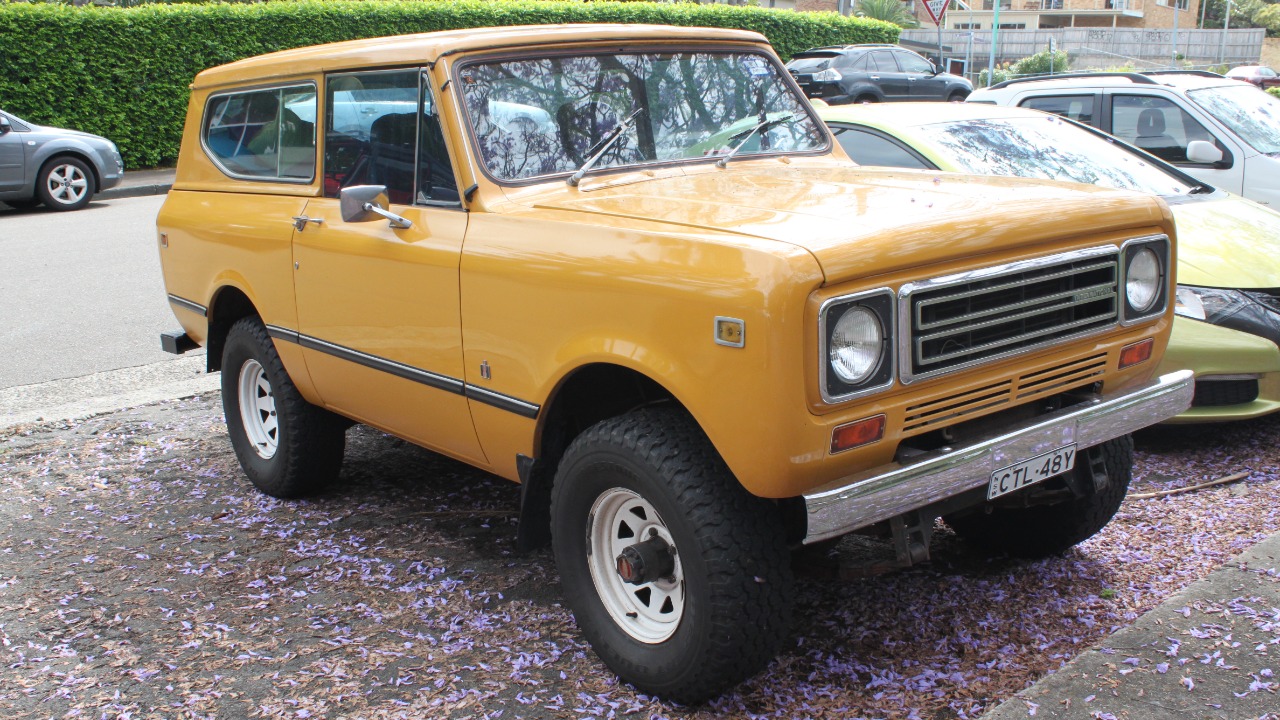
The trucks that buyers used to skip share a common profile. They were often base or mid-level trims, built for fleets and farmers rather than weekend cruises. Think six-cylinder half-tons, regular cabs with long beds, manual windows, and work-grade paint. In their day they were tools, not toys, which is why they endured hard use but rarely careful preservation.
Collectors for decades focused on the opposite end of the spectrum. High-spec muscle trucks, rare performance packages, and top-line trims with air conditioning and brightwork soaked up attention and money. Plain work trucks, even when rust free, were cheap transportation. Sellers struggled to move them, and buyers treated them as donors for parts or engine swaps.
Several forces started to unsettle that hierarchy. As the best examples of halo models dried up or soared out of reach, enthusiasts began looking sideways. A clean, original six-cylinder truck suddenly looked less like a compromise and more like an opportunity to own a piece of history without mortgaging the house. Younger buyers in particular were less hung up on cubic inches and more interested in authenticity and usability.
Meanwhile, the broader car market shifted toward electrification and high-tech crossovers. Compact electric SUVs such as the upcoming Audi Q2 e-tron reflect how far mainstream tastes have moved from the analog, body-on-frame trucks of the past. That contrast has sharpened the appeal of older pickups that feel mechanical, simple, and connected to the road.
How nostalgia and practicality rewrote the value script
Buyer expectations for older trucks have shifted. The once-ignored configurations now check boxes that modern vehicles struggle to match. Simplicity is one of them. A carbureted inline six with a three-speed manual is no longer a penalty; it is a learning experience and a conversation starter. Owners talk about being able to see the ground when they open the hood and fix basic issues with hand tools instead of diagnostics.
Fuel prices and driving habits have also played a role. While no vintage truck is truly economical, a lighter-duty, small-engine example is easier to live with than a thirsty big-block 4×4 on modern roads. For buyers who want to use their classic for coffee runs, hardware store trips, or short commutes, a milder drivetrain makes sense. Trucks that once felt underpowered on job sites now feel well matched to relaxed, real-world use.
Design nostalgia has grown more specific too. The square edges, painted steel wheels, and unfussy interiors of work trucks speak to a different era of industrial design. As new pickups grow taller, more aggressive, and more complex, the visual honesty of an old base model becomes part of its charm. Collectors who already own a showpiece may seek out a plain truck as a counterpoint, something they are comfortable parking on the street or loading with lumber.
Generational memory factors in as well. Many buyers now in their thirties and forties grew up riding in these trucks when they were simply family transport or shop vehicles. The exact spec that felt boring in childhood, like a bench-seat regular cab with a column shifter, now triggers memory and affection. That emotional pull has real financial impact when bidding starts.
Why the once-unloved trucks matter in the current market
The rise of these formerly unwanted pickups is more than a curiosity. It is reshaping the lower and middle tiers of the classic truck market and influencing how restorations are done. Where full custom builds and heavy modifications once dominated, there is growing respect for originality. Patina, factory paint, and period-correct wheels can add value instead of subtracting it.
The shift benefits sellers who own honest, lightly used trucks that were never worth restoring before. A one-owner farm truck with faded paint but a straight body and complete paperwork now draws attention from buyers who value history. Auction houses and online platforms have adjusted their catalogs, highlighting mileage, ownership stories, and unmodified condition in listings that would have been buried a decade ago.
The trend also broadens access. While top-tier show trucks still command premium prices, the appreciation of simpler models gives more enthusiasts a way into the hobby. Someone who cannot afford a fully optioned, high-performance variant might still find a solid, base-level truck that offers the same silhouette and driving feel. That inclusivity helps keep interest in older vehicles alive at a time when new-car culture is fragmenting.
For the industry around classic vehicles, the change has practical implications. Parts suppliers see renewed demand for items that used to sit on shelves, such as trim for lower-spec interiors or components for manual steering and brakes. Shops that specialize in sympathetic mechanical refreshes, rather than frame-off custom builds, are finding a growing customer base among owners who want reliability without losing the truck’s original character.
What this says about shifting ideas of status and style
The newfound respect for humble pickups reflects a wider rethinking of status symbols. In many circles, conspicuous consumption has lost some of its shine. A spotless, over-restored showpiece can look less interesting than a truck that wears its age honestly. Owning something that was once considered disposable, then choosing to preserve it, signals a different kind of taste.
Social media has amplified that effect. Photos of weathered paint, period decals, and well-used beds resonate with audiences who value authenticity. A story about a truck that stayed in one family, or spent its life with a small business, can generate more engagement than a build sheet full of rare options. The narrative weight of these vehicles has become part of their appeal.
A subtle environmental angle is present too. Keeping an older, less efficient truck on the road is not a climate solution, but reusing an existing vehicle rather than commissioning a new one aligns with a broader interest in repair and longevity. Owners who maintain and lightly upgrade their classics, rather than constantly cycling through new models, reflect a shift in how some drivers think about consumption.
Where the overlooked classics go from here
The future of these once-snubbed trucks will depend on how far the market pushes their values and how owners respond. If prices climb too quickly, the same accessibility that made them appealing could erode, and speculative buying might crowd out enthusiasts who actually drive and maintain their vehicles.
For now, a middle ground appears most sustainable. Thoughtful maintenance, modest mechanical upgrades for safety and reliability, and respect for original details can keep these trucks usable without turning them into fragile collectibles. As more cities tighten regulations on older, higher-emitting vehicles, owners may also explore discreet changes such as improved fuel systems or cleaner engine swaps that preserve character while reducing impact.
Manufacturers are watching the trend as well. The renewed affection for simple, boxy shapes and honest materials feeds back into design studios working on future pickups and SUVs. Even as electric and hybrid platforms expand, styling cues and interior layouts often nod to the straightforward trucks of the past. That feedback loop, where nostalgia informs new products and new products highlight the charm of old ones, will likely keep interest in these classics alive.
More from Fast Lane Only
- Unboxing the WWII Jeep in a Crate
- 15 rare Chevys collectors are quietly buying
- 10 underrated V8s still worth hunting down
- Police notice this before you even roll window down
*Research for this article included AI assistance, with all final content reviewed by human editors