Before aftermarket tuning went mainstream, factory-backed dealers quietly turned out some of the wildest Chevys on the street. These weren’t shady garage builds—they were legit, street-legal performance cars sold straight off the lot with warranty coverage. Some of these names are now legendary, others barely known outside collector circles. What they all share is a mix of dealer creativity, mechanical muscle, and a bit of rebellion against GM’s corporate horsepower limits. Here are 9 of the coolest dealer-modified Chevys that deserve their own chapters in muscle car history.
Yenko Camaro
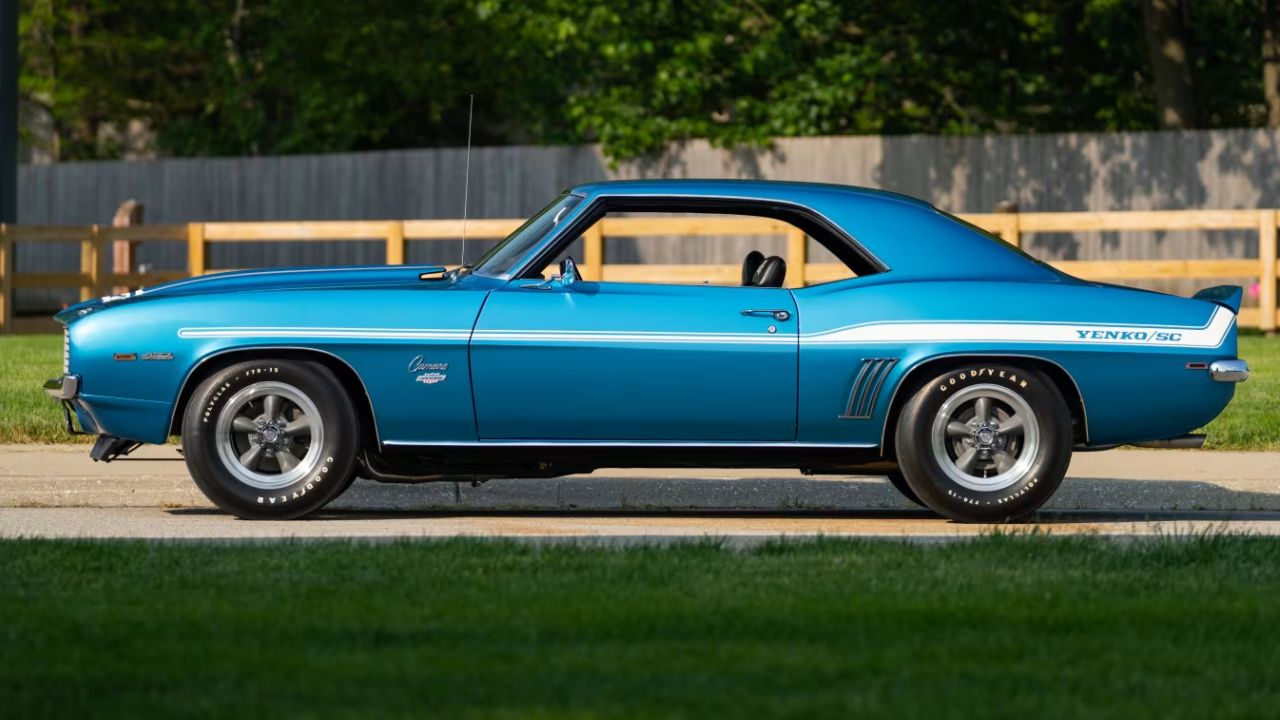
Don Yenko’s Pennsylvania dealership became ground zero for Chevy performance. In 1967, he started swapping L72 427 V8s into Camaros, skirting GM’s ban on big blocks in F-bodies. Yenko Camaros came with heavy-duty suspensions, 4-speed manuals, and upgraded rear ends. By 1969, Chevrolet cooperated under the COPO program, and Yenko delivered around 200 factory-built 427 Camaros that year alone. Today, they’re among the most valuable Camaros ever built.
Baldwin-Motion Chevelle
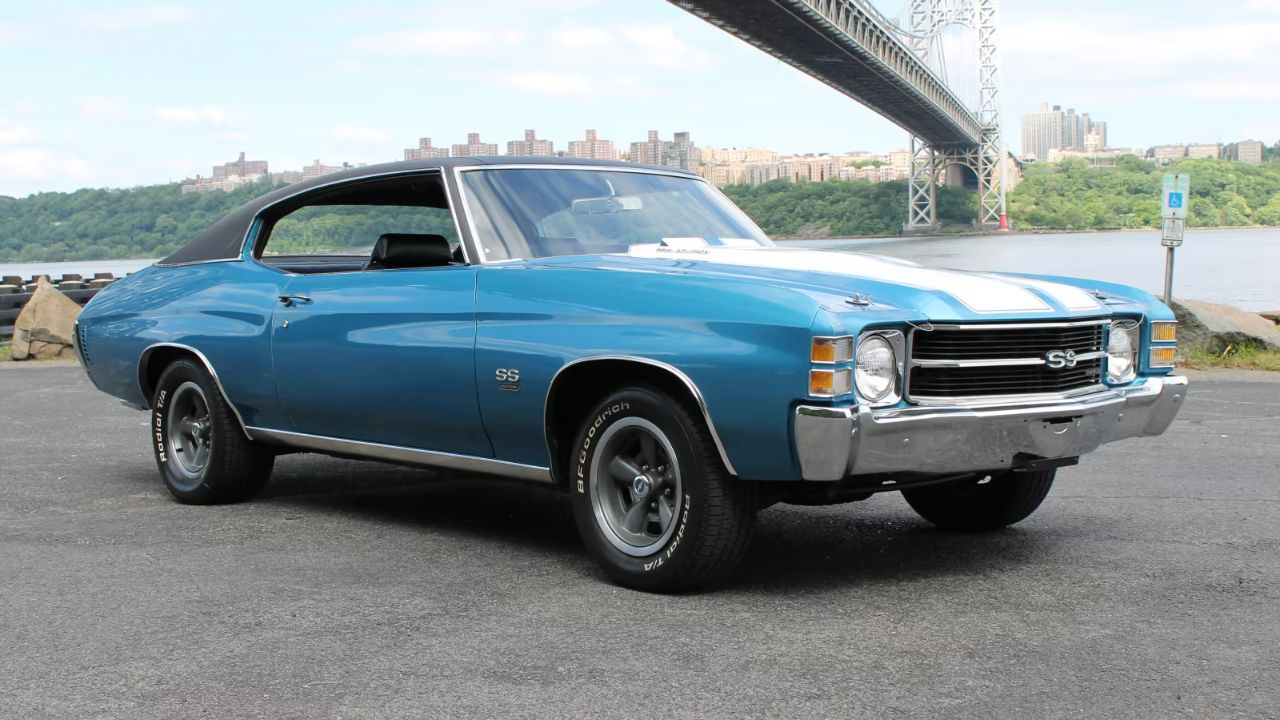
Baldwin Chevrolet in Long Island teamed up with Motion Performance to sell some of the most extreme dealer cars of the era. The Baldwin-Motion Chevelles were built to order and could be optioned with engines making over 500 horsepower. Motion guaranteed quarter-mile performance—if the car didn’t hit the promised time, they’d buy it back. With fiberglass hoods, headers, and drag-ready gears, these Chevelles were barely street legal.
Nickey Camaro
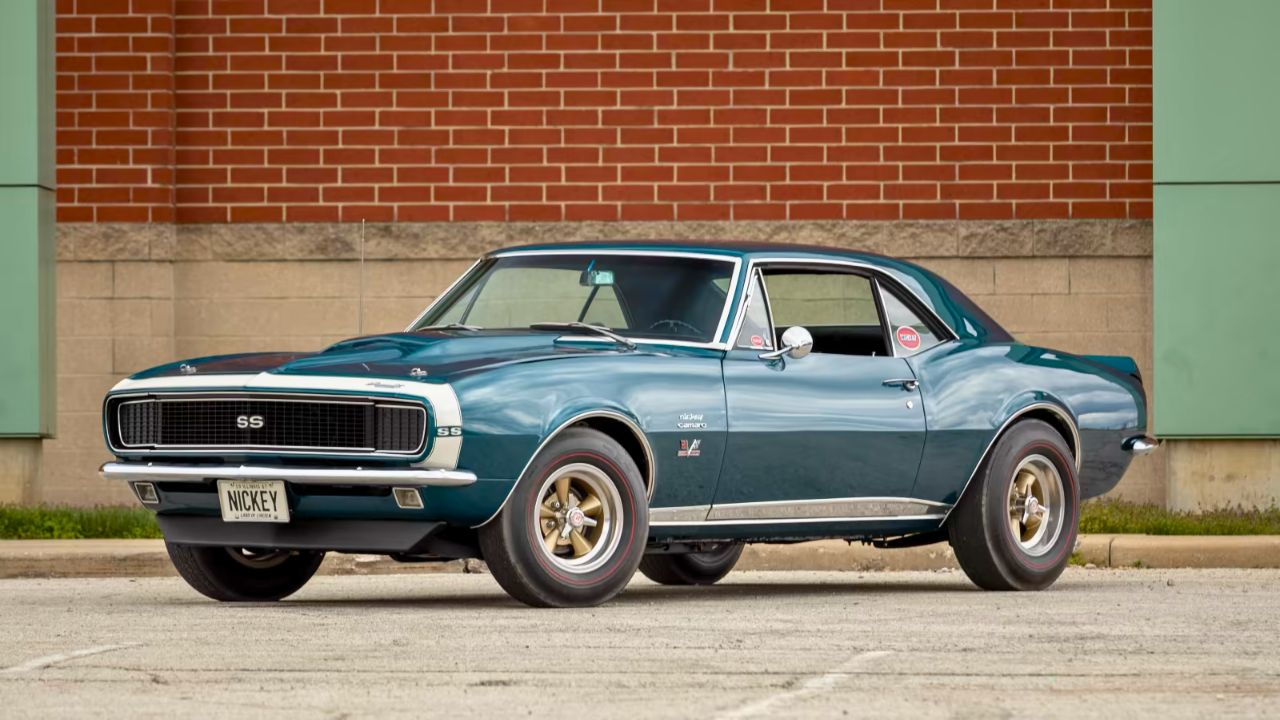
Nickey Chevrolet in Chicago was one of the first dealers to drop a 427 into a first-gen Camaro, and they made a name for doing things GM wouldn’t. Nickey cars featured beefed-up drivetrains, traction bars, and custom graphics. Buyers could choose from several performance levels, and Nickey even offered service warranties. While production was small, their influence on the performance scene was huge.
Berger Camaro
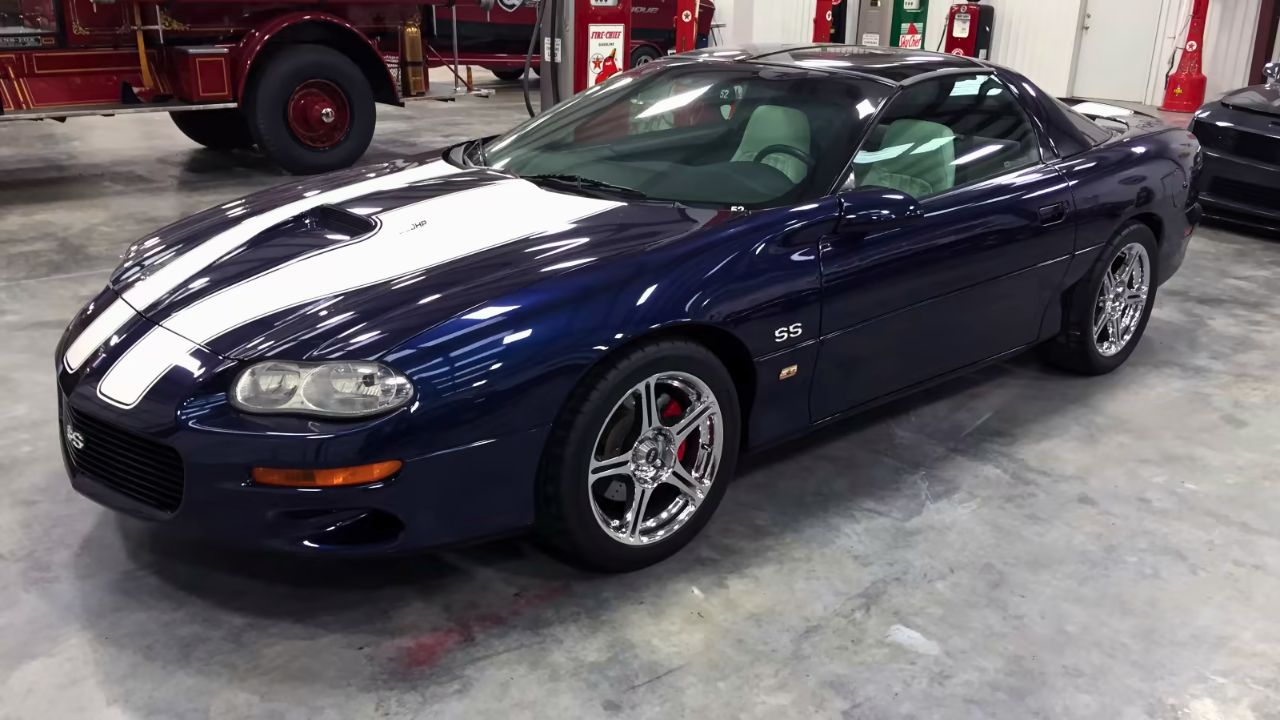
Berger Chevrolet out of Grand Rapids offered performance upgrades that didn’t violate GM policy. By working within COPO guidelines, they created sleeper-style muscle cars with serious capability. Berger COPO Camaros were ordered with L72 engines, Muncie 4-speeds, and 12-bolt rear ends. They were less flashy than a Yenko or Nickey car but no less formidable in performance.
Dana Camaro

Located in Los Angeles, Dana Chevrolet had access to West Coast talent and quickly turned its Camaros into street brawlers. Dana was known for dropping 427s into early Camaros before it was cool, often using Corvette L72 blocks. Some came with dual quads and 4.10 gears, making them brutal off the line. Very few were built, but their legacy lives on in West Coast drag racing lore.
Fred Gibb COPO Nova
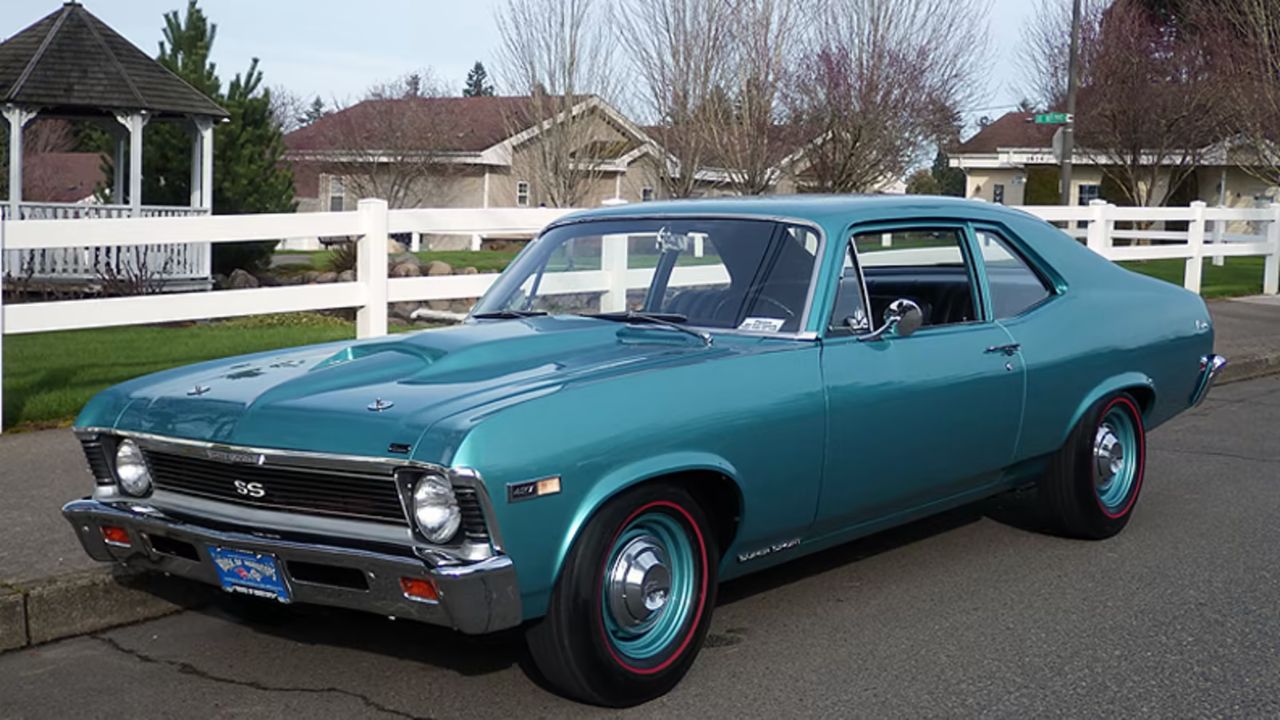
Fred Gibb Chevrolet in Illinois was behind one of the strangest muscle car deals ever: the 1968 COPO Nova with an L78 396/375 engine. Gibb convinced Chevrolet to build 50 of them under the COPO program, giving the lightweight Nova some serious firepower. The cars were stealthy—no badging or spoilers—but could run mid-13s in the quarter mile. Gibb’s effort paved the way for other COPO oddities.
Dana 427 Corvette
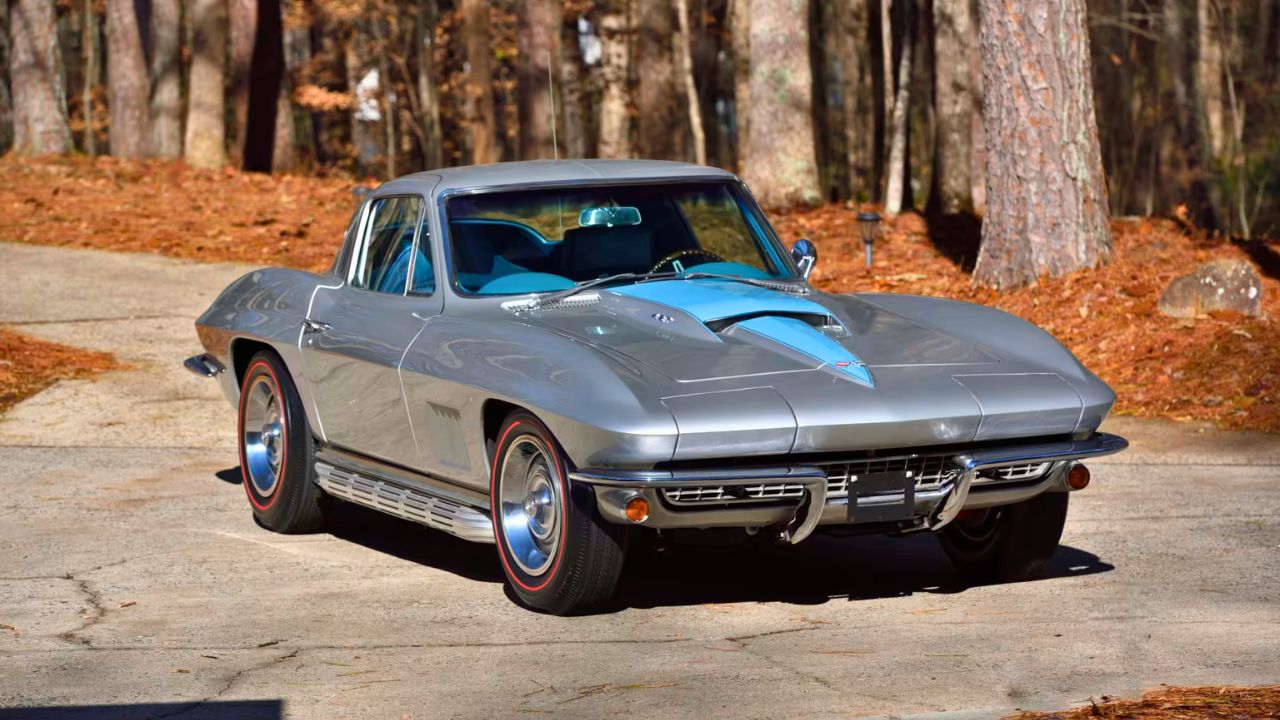
Though not as well known as their Camaro builds, Dana also modified Corvettes for serious customers. Swapping in hotter cams, revised carbs, and exhaust tweaks, they took 427-powered ‘Vettes and turned up the heat even more. Some had rumored output over 500 hp. Since few customers wanted to mess with an already potent Corvette, Dana Vettes are now extremely rare.
Yenko Deuce Nova
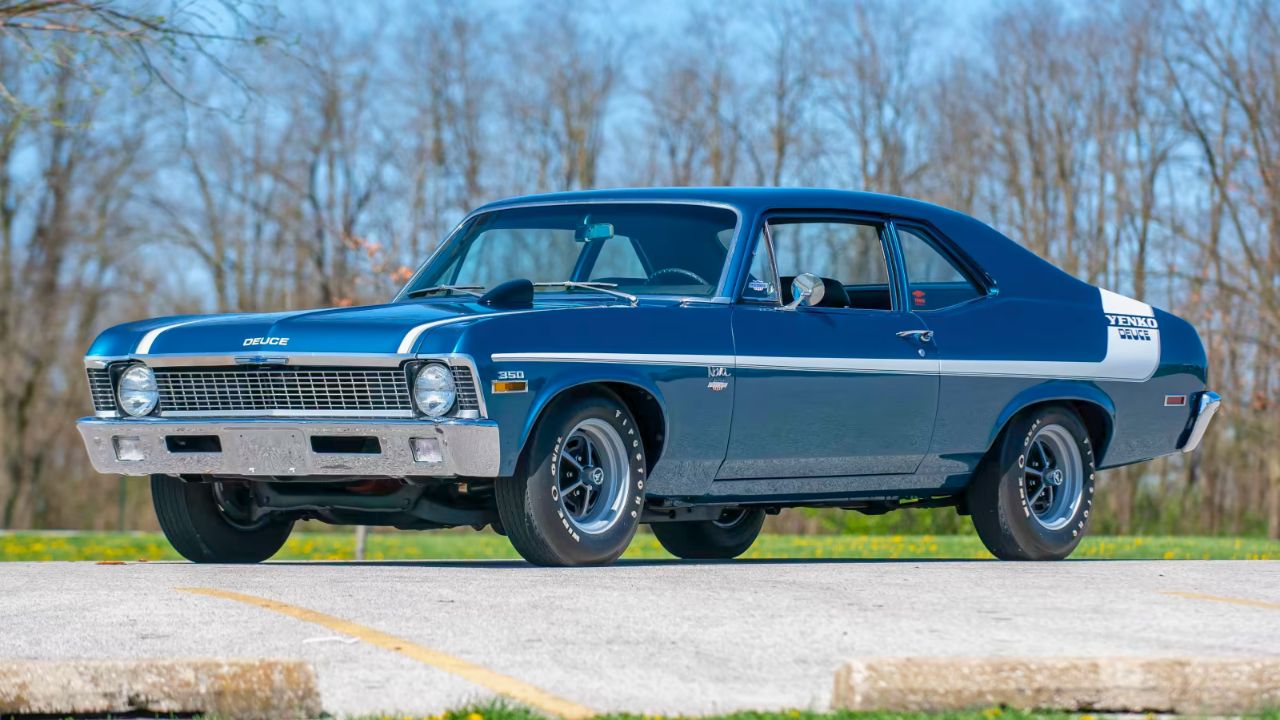
In 1970, Yenko moved from 427 Camaros to the lighter Nova, creating the “Deuce.” These came with the LT1 350 from the Corvette, making 360 hp in a smaller, nimbler package. They got stripes, spoilers, and heavy-duty components. Around 175 were built, making them one of the rarest dealer-built muscle cars. They weren’t just fast—they handled better than most big-block bruisers.
Baldwin-Motion Phase III Camaro
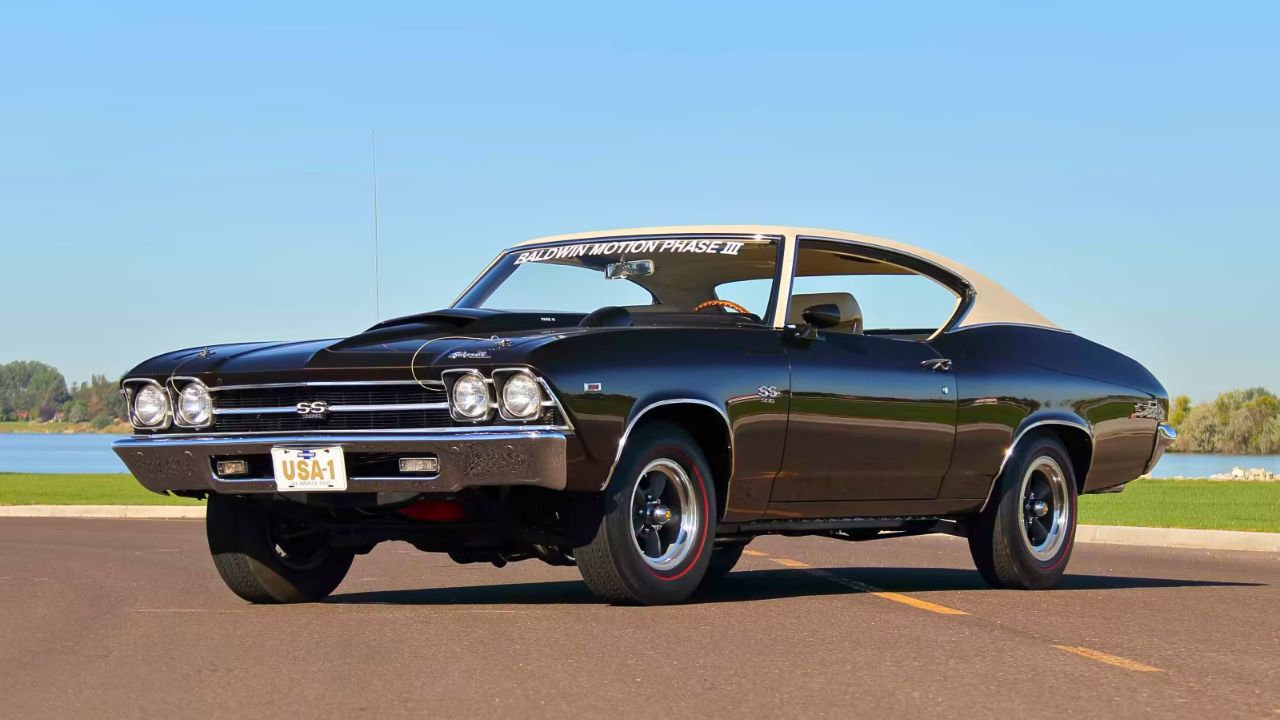
The Phase III program was the peak of Baldwin-Motion’s performance madness. These Camaros were sold with dyno sheets proving their horsepower, often north of 500 hp. Buyers got full customization, from engine builds to body mods. Motion even offered a money-back guarantee if the car didn’t run a certain ET. It was performance with proof—and one of the few times a dealership offered factory hot rods with real accountability.
Like Fast Lane Only’s content? Be sure to follow us.
Here’s more from us: