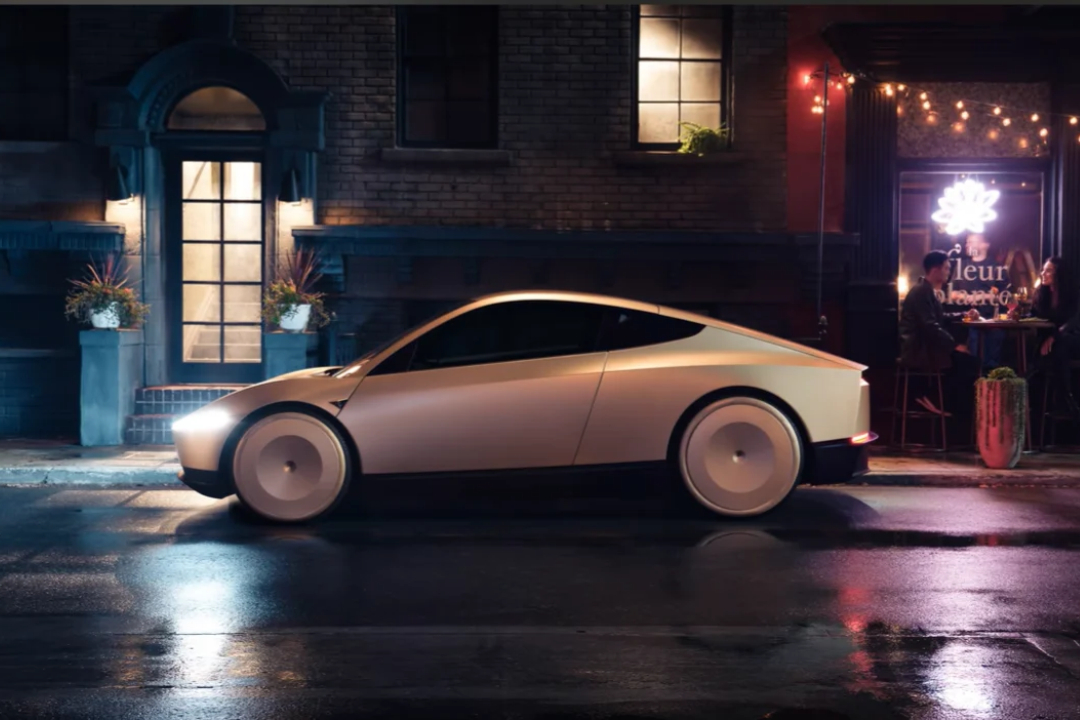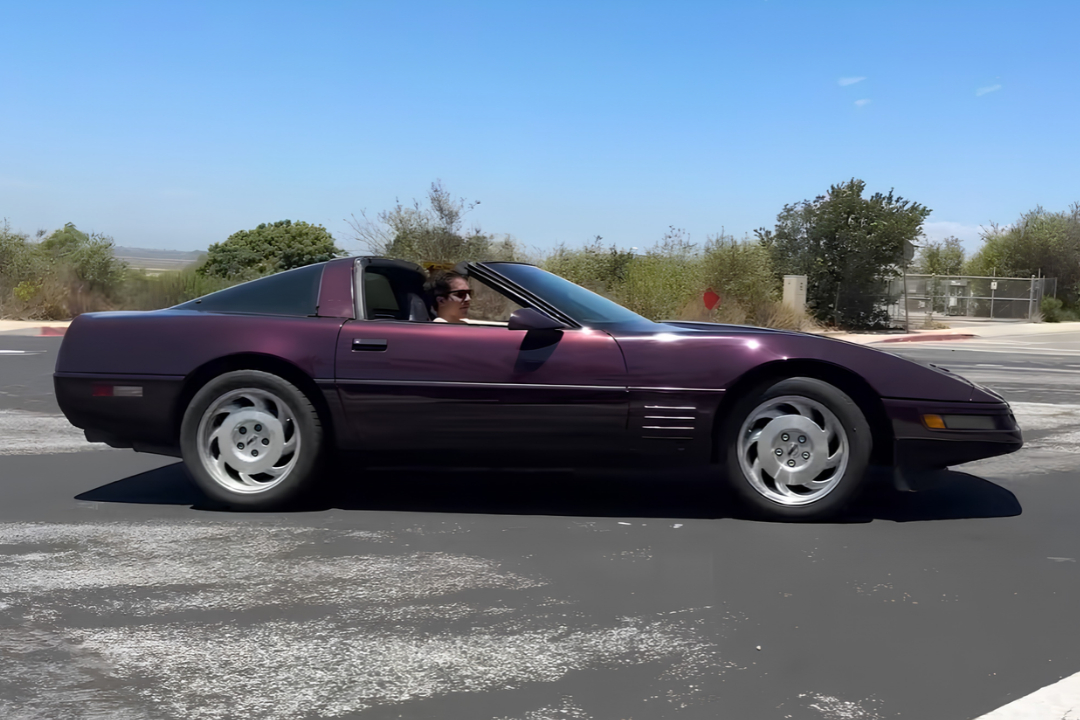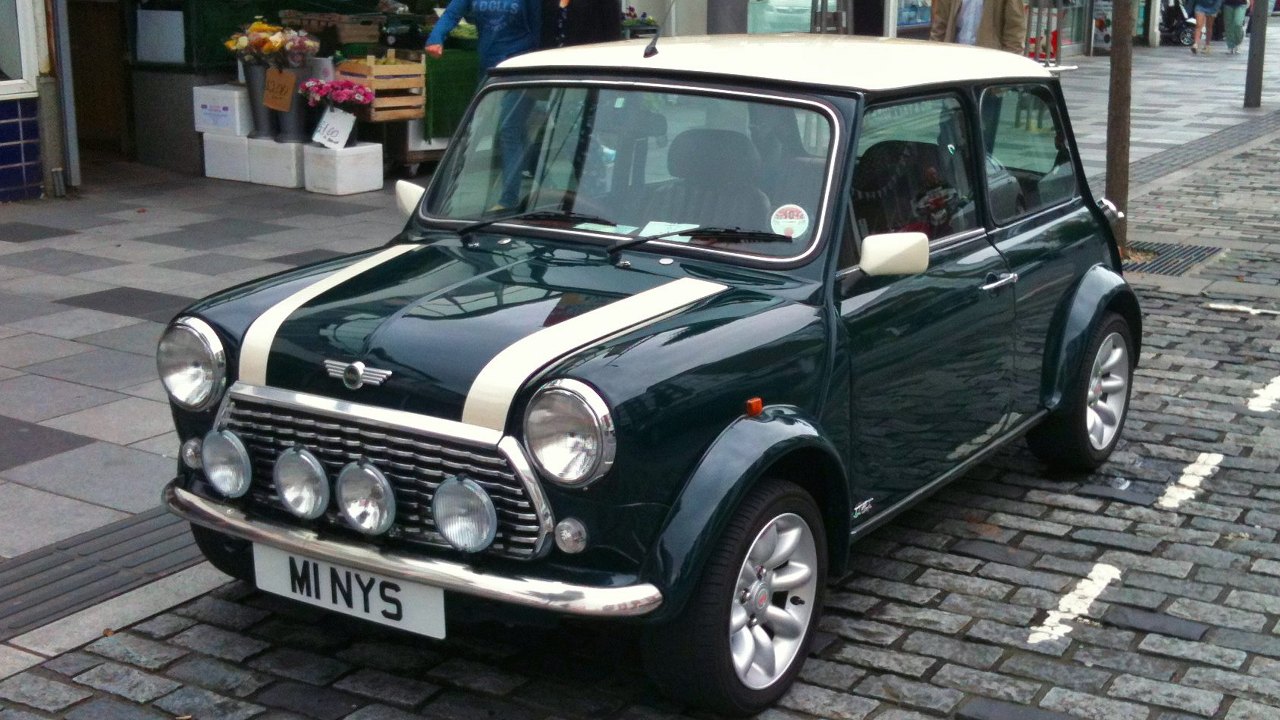
In the densely populated landscapes of modern cities, minicars have emerged as a popular solution to the challenges of urban mobility. These compact vehicles are not just a practical choice but have also developed a unique cultural identity within urban environments. Exploring the multifaceted culture of minicars reveals their significant impact on city life.
The Rise of Minicars in Urban Environments
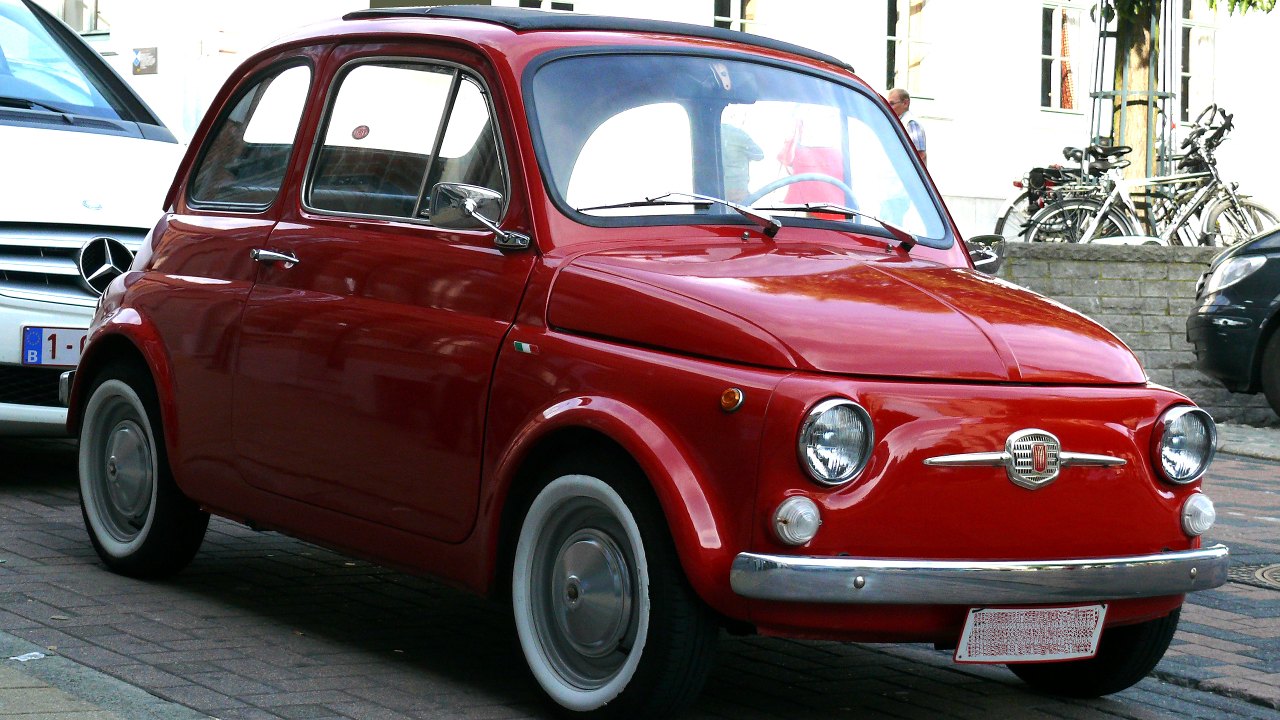
The evolution of minicars can be traced back to the post-war era when the need for affordable and efficient transportation became paramount. In Europe, models like the Fiat 500 and the Mini Cooper gained popularity in the 1950s and 1960s, offering a compact solution for urban dwellers. These vehicles were designed to navigate narrow streets and provide an economical alternative to larger cars. Over the decades, the concept of minicars has expanded globally, adapting to the unique demands of urban environments across continents.
Economic factors have significantly contributed to the rise of minicars in cities. As fuel prices continue to fluctuate, consumers are increasingly drawn to vehicles that offer better fuel efficiency. Minicars, with their smaller engines and lightweight designs, provide an economical choice for city residents looking to reduce transportation costs. Additionally, the lower purchase price of minicars compared to traditional vehicles makes them an attractive option for budget-conscious buyers.
Environmental awareness has also played a crucial role in the growing popularity of minicars. With cities worldwide striving to reduce their carbon footprints, minicars offer a more eco-friendly alternative to larger, gas-guzzling vehicles. Many minicars are now available in electric or hybrid versions, further enhancing their appeal to environmentally conscious consumers. As urban areas implement stricter emissions regulations, the demand for minicars is likely to continue rising.
Design and Innovation
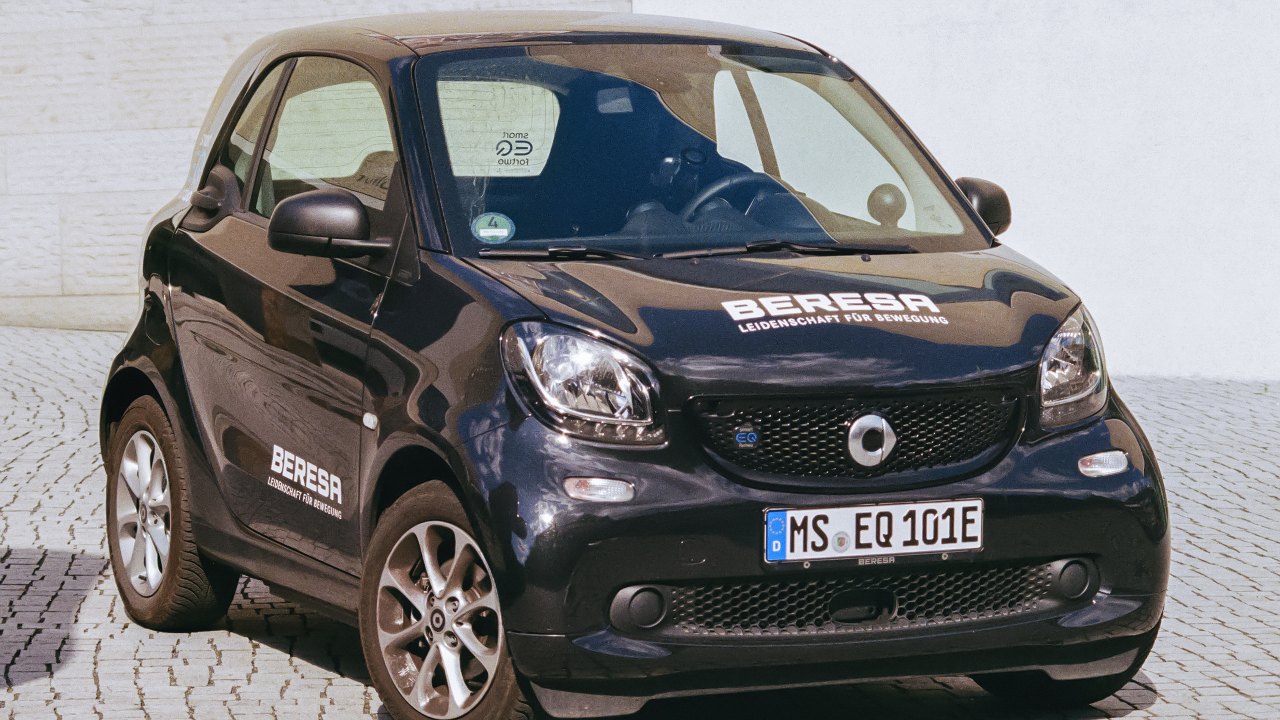
Minicars are renowned for their compact design, which makes them ideally suited for crowded city streets. Their small size allows for easy maneuverability in tight spaces, making parking and navigating through traffic less challenging. Innovations in design have led to the development of models like the Smart Fortwo and the Toyota iQ, which maximize interior space while maintaining a minimal exterior footprint. These design considerations make minicars a practical choice for urban residents.
Technological advancements have further enhanced the appeal of minicars. Modern minicars are equipped with a range of safety features, such as advanced braking systems and collision avoidance technology, ensuring that drivers and passengers remain safe in busy urban environments. Additionally, the integration of convenience features like GPS navigation and smartphone connectivity has made minicars more appealing to tech-savvy consumers who value connectivity and ease of use.
Customization and personalization have become significant trends in the minicar market. Owners often modify their vehicles to reflect their individual styles and preferences, from unique paint jobs to custom interiors. This trend has given rise to a vibrant aftermarket industry, offering a wide range of accessories and modifications for minicar enthusiasts. The ability to personalize these vehicles has contributed to their cultural significance, allowing owners to express their identities through their cars.
Social Implications and Community Aspects
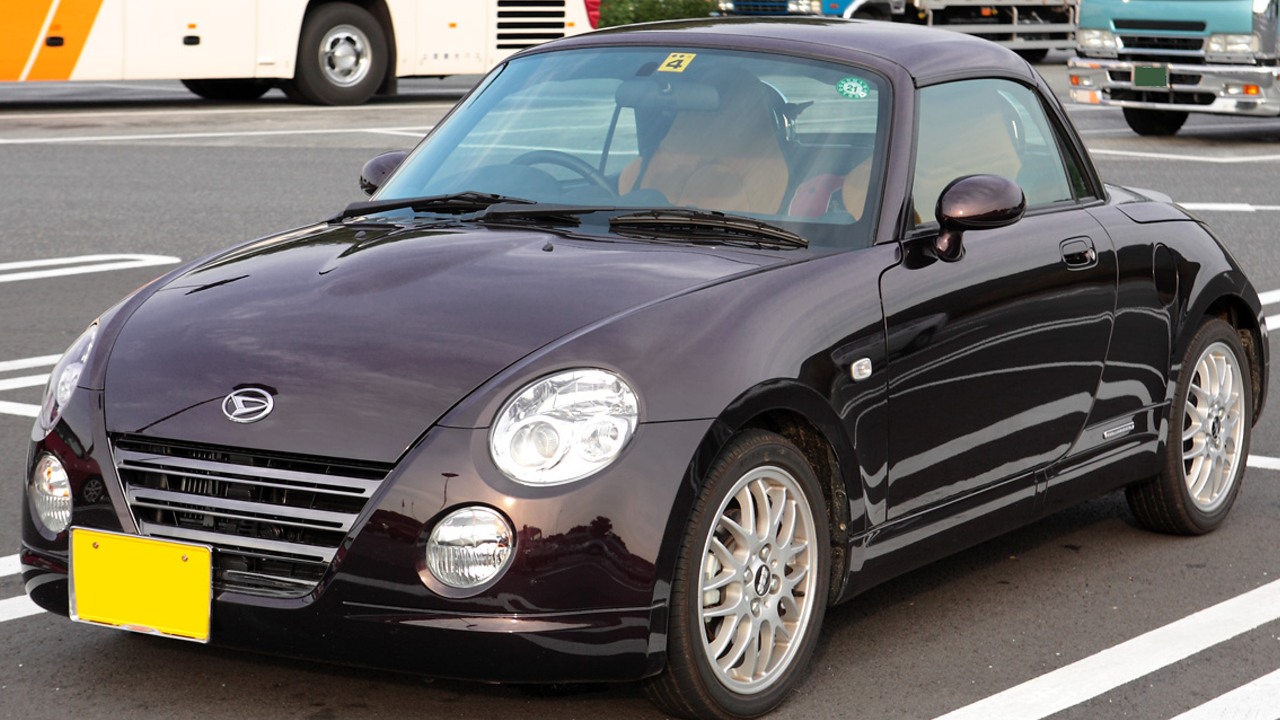
The rise of minicars has led to the formation of enthusiast communities, where owners come together to share their passion for these compact vehicles. Clubs and online forums dedicated to specific minicar models provide a platform for enthusiasts to exchange tips, organize events, and celebrate their shared interests. These communities foster a sense of belonging and camaraderie among minicar owners, further cementing the cultural impact of these vehicles.
Minicars also contribute to greater social mobility and accessibility for urban residents. Their affordability and ease of use make them an ideal choice for individuals who may not have access to larger vehicles. By providing a practical means of transportation, minicars enable more people to participate in urban life, accessing employment opportunities, education, and social activities with greater ease.
Cultural perceptions of minicars vary across different demographics and regions. In some cultures, minicars are seen as a symbol of practicality and efficiency, while in others, they may be perceived as a trendy or fashionable choice. These perceptions influence how minicars are marketed and received in various urban settings, highlighting the diverse cultural landscape in which these vehicles operate.
Economic and Environmental Impact
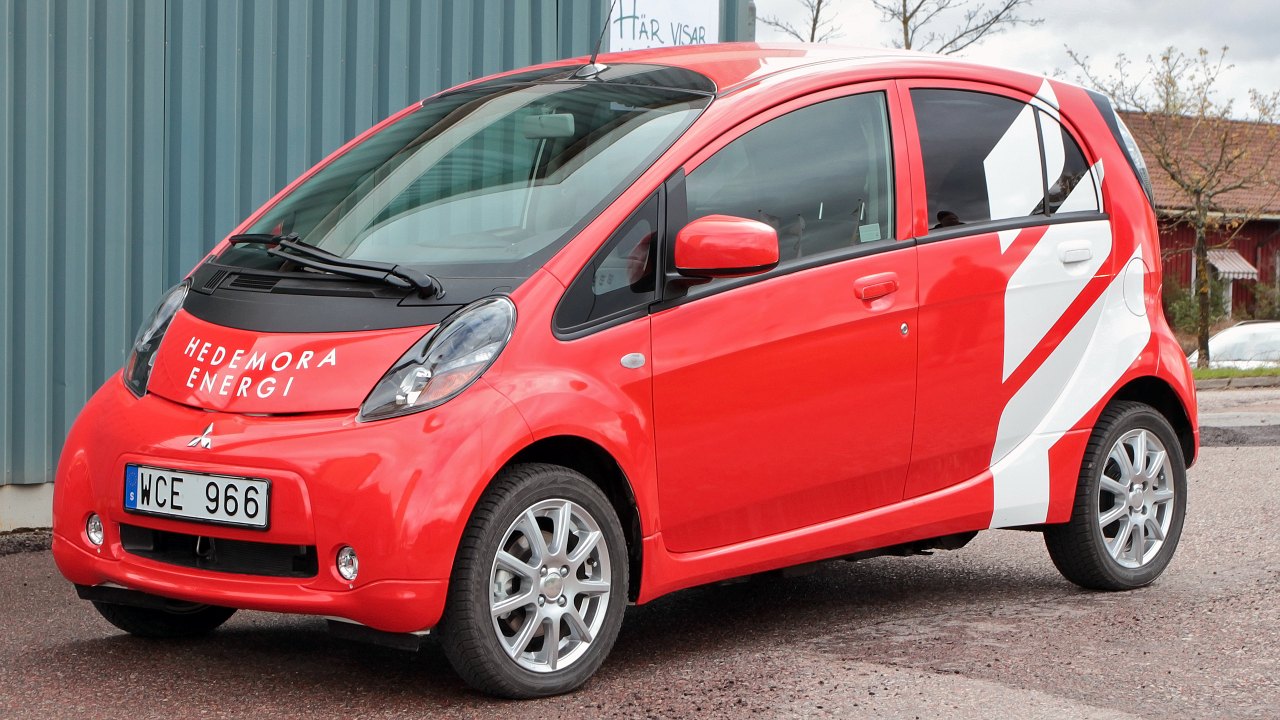
Minicars offer a cost-effective alternative to traditional vehicles, making them an attractive option for urban residents. Their lower purchase price, combined with reduced fuel consumption and maintenance costs, makes them a financially viable choice for many city dwellers. This affordability has contributed to the widespread adoption of minicars in urban areas, where the cost of living is often high.
In addition to their economic benefits, minicars play a crucial role in alleviating urban traffic congestion and parking challenges. Their small size allows for more efficient use of road space, reducing the overall volume of traffic on city streets. Furthermore, minicars can fit into smaller parking spaces, easing the demand for parking in densely populated areas. This efficiency helps improve the overall flow of urban transportation systems.
The environmental benefits of minicars are significant, as they contribute to a reduced carbon footprint in urban areas. Many minicars are designed with fuel efficiency in mind, and the growing availability of electric and hybrid models further enhances their eco-friendly credentials. By reducing emissions and promoting sustainable transportation, minicars support cities’ efforts to combat climate change and improve air quality.
The Future of Minicars in Urban Planning
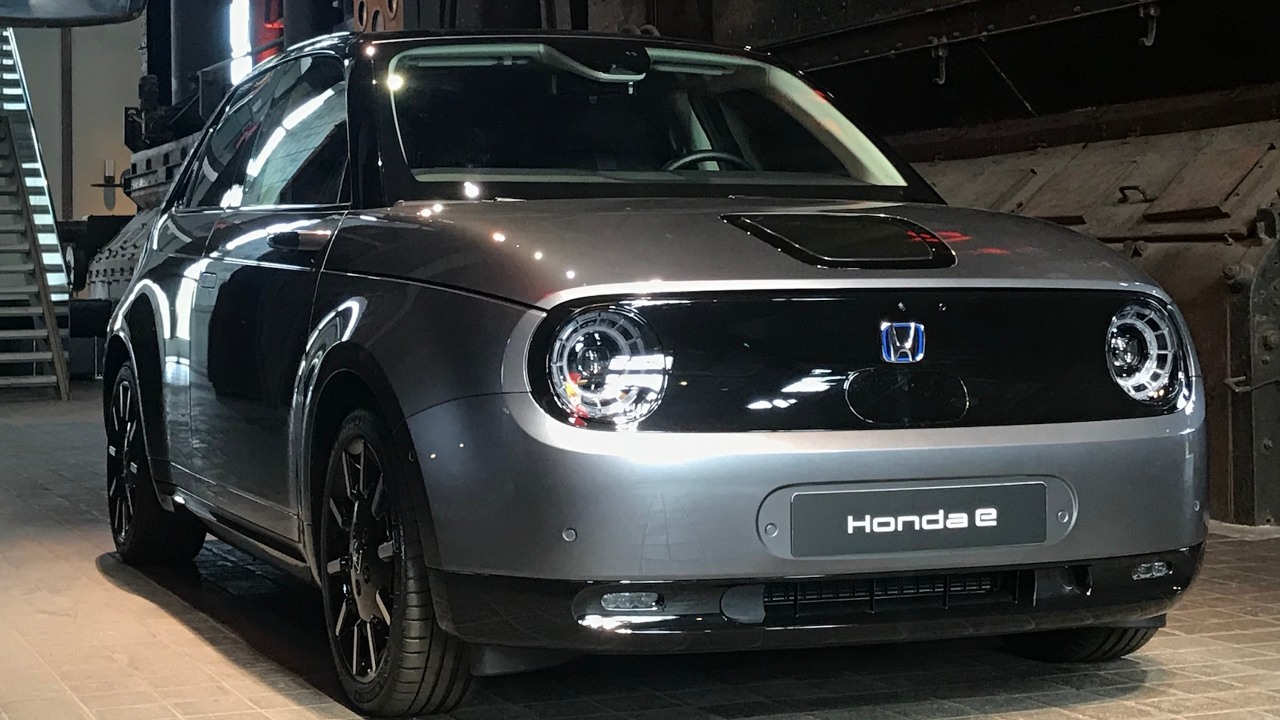
As cities continue to evolve, the integration of minicars into public transportation systems presents new opportunities for urban planning. Minicars can complement existing transit networks by providing first-mile and last-mile connectivity, bridging the gap between public transport hubs and final destinations. This integration can enhance the overall efficiency and accessibility of urban transportation systems.
Government policies and regulations play a crucial role in shaping the future of minicars. Incentives for electric and hybrid minicars, along with regulations aimed at reducing emissions, can drive the growth of the minicar market. Urban planners and policymakers must consider the unique needs of minicars when designing infrastructure and transportation systems to ensure their successful integration into city life.
The prospects for growth in the minicar market are promising, with continued advancements in technology and design likely to drive innovation. As cities become more crowded and environmental concerns intensify, the demand for efficient and sustainable transportation solutions will only increase. Minicars are well-positioned to meet these challenges, offering a practical and culturally significant option for urban residents worldwide.
Like Fast Lane Only’s content? Be sure to follow us.
Here’s more from us:
*Created with AI assistance and editor review.