Older motorists are often among the most cautious people on the road, yet crash data show that age brings a distinct pattern of high‑risk errors. As vision, reflexes, and judgment change, certain habits that once felt safe can quietly become dangerous, especially in complex traffic. Safety researchers say recognizing these specific mistakes, and correcting them early, is one of the most effective ways to keep older drivers and everyone around them out of harm’s way.
Rather than treating age itself as the problem, experts focus on how physical and cognitive shifts interact with modern driving demands. From misjudging left turns to relying on outdated car technology, the most serious lapses are often predictable, preventable, and, with the right support, fixable.
Why aging bodies and brains change the driving equation
Driving is a demanding task that depends on clear vision, quick reflexes, and the ability to juggle multiple streams of information at once. As people age, research from the National Highway Traffic Safety Administration describes broad Declines in Functional Ability that affect how Drivers scan the road, move their feet between pedals, and turn their heads to check blind spots. These changes do not arrive overnight, but they gradually lengthen reaction times and narrow the field of view, which makes it harder to respond when traffic patterns shift suddenly or when a pedestrian steps off the curb.
Health systems that focus on older adults note that vision, reflexes, and hearing all tend to deteriorate with age, and that these shifts can make it more difficult to notice hazards, judge speed, and hear sirens or horns. Safety specialists emphasize that there is no fixed birthday when a person becomes unsafe to drive, because each individual’s health and abilities evolve differently. Instead, they encourage families and clinicians to watch for patterns of near misses, confusion at intersections, or difficulty staying in the lane as early warning signs that age‑related changes are beginning to interfere with safe driving.
The high‑risk mistakes that show up most often
When researchers put older motorists through on‑road tests, a consistent set of errors tends to surface. A study highlighted by the American Psychological Association found that Blind spot mistakes were the single most common problem, followed by drifting across lane lines and failing to use turn signals During the drive. These are not minor lapses. Missing a vehicle in the blind spot can turn a routine lane change into a sideswipe collision, and veering over lane markings increases the risk of clipping a cyclist or being struck by a passing car.
Crash and violation records tell a similar story. According to Older Driver Statistics compiled from AARP, Drivers age 55 and older, compared with drivers aged 30 to 54, are cited more often for certain types of mistakes, particularly improper left turns. Legal analyses of older driver crashes echo that pattern, noting that the traffic violation committed most frequently by seniors is making an improper left turn across traffic. Personal injury attorneys who track these cases report that older drivers are especially likely to cause collisions when turning left, merging, or changing lanes in heavy traffic or when visibility is limited, which aligns with broader federal data from The Federal Highway Administration on drivers aged 65-years-of-age and up.
Left turns, speed judgment, and complex intersections
Among all the errors older motorists make, misjudging left turns stands out as particularly dangerous. A recent synthesis of research on senior driving found that traffic judgment errors when turning left are disproportionately common among older adults, especially at busy intersections without dedicated turn arrows. According to a study published in Neuropsychology, which was summarized in a feature on how Older Drivers Are More Likely To Make These Dangerous Mistakes, older drivers were more likely than younger ones to turn across oncoming traffic when there was not enough time or space, suggesting that age‑related changes in attention and processing speed make it harder to track multiple moving vehicles at once.
Speed choice is another subtle but serious issue. Analysts who have cataloged the “Top 15 Driving Mistakes Older People Tend to Make” point out that Driving Too Slowly can be just as hazardous as driving too fast. Some older drivers reduce their speed far below the flow of traffic, believing it is safer, but that behavior can trigger rear‑end crashes, abrupt lane changes by other motorists, and road rage incidents. Lawyers who investigate older driver collisions note that these crashes often occur when seniors pull into traffic too slowly, hesitate in the middle of a turn, or brake unexpectedly at green lights, especially when visibility is poor or when vision is hindered by glare, rain, or darkness.
Vision, medications, and car technology: the hidden tripwires
Vision problems are among the most underappreciated contributors to older driver risk. Consumer safety organizations that work with seniors stress that Vision Problems are nearly universal with age, as Just about everyone experiences some decline in eyesight. Conditions such as cataracts, glaucoma, and macular degeneration can make it harder to see lane markings, read signs, or detect pedestrians at night. A detailed guide on the Top Challenges for Older Drivers notes that glare from oncoming headlights, difficulty judging the speed of other cars, and trouble seeing in low light all become more common, which in turn raises the odds of missing a hazard or misreading a gap in traffic.
Medication use is another quiet but powerful factor. Federal safety experts point out that older adults are more likely to take multiple prescriptions, some of which can cause drowsiness, dizziness, or confusion. The NHTSA’s overview of older driver risks lists increased medication use alongside physical and cognitive decline as a key reason why crash severity and injury risk rise with age. State transportation departments advise seniors to Plan trips carefully, Know their route, and Avoid taking medications that cause sleepiness right before driving, because the combination of slower reflexes and drug side effects can be especially dangerous. They also recommend avoiding eyeglasses or sunglasses with thick side pieces that block peripheral vision, since that can make blind spot checks even more difficult.
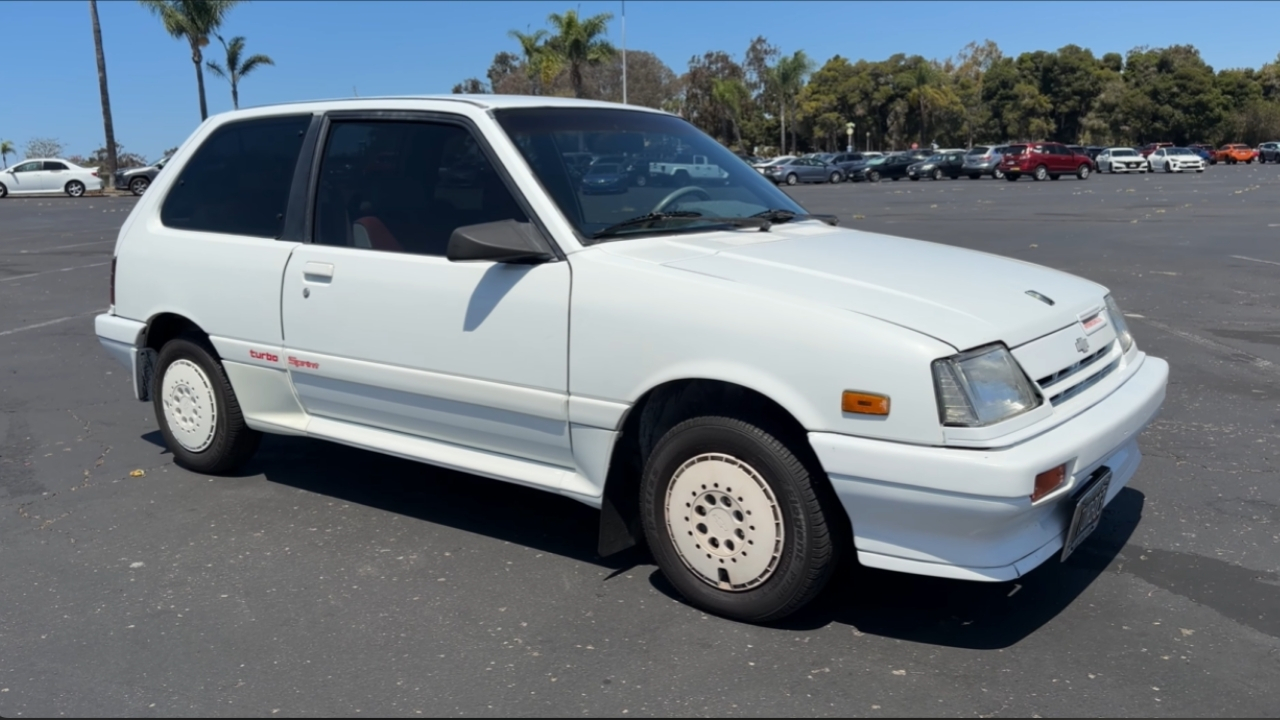
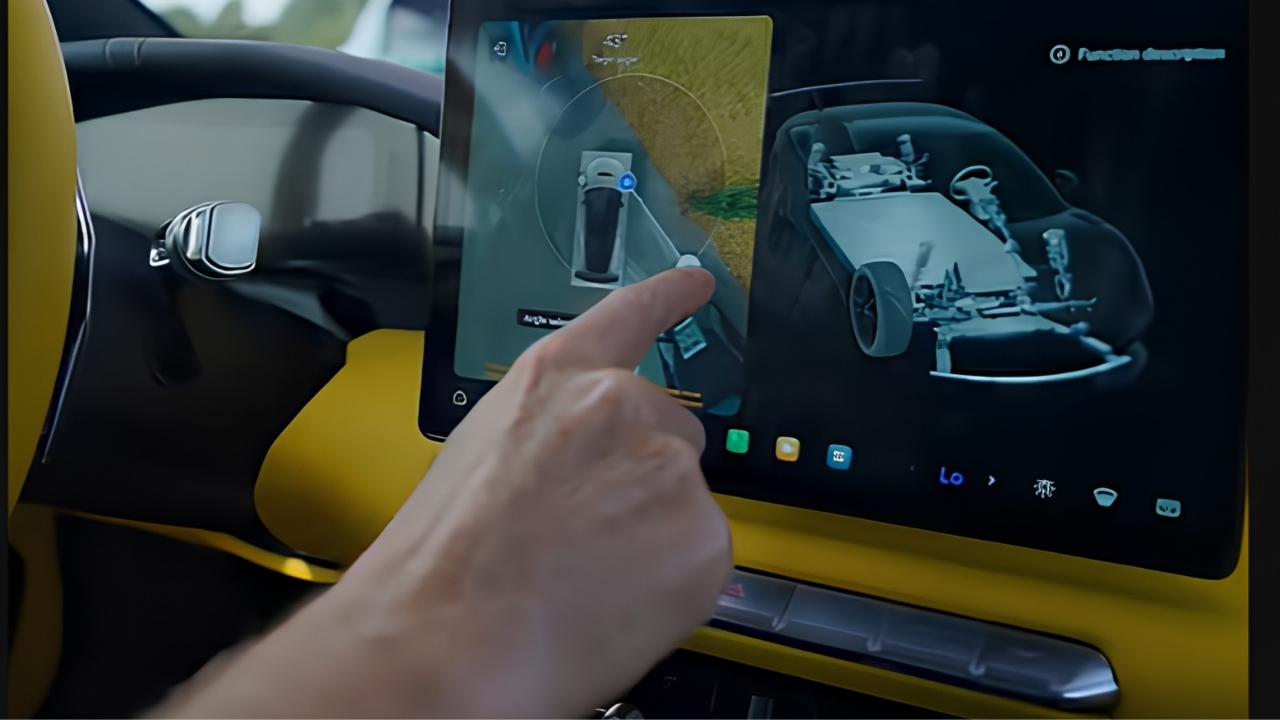
Vehicle technology can either help or hurt, depending on how it is used. Some older drivers continue to rely on aging cars without modern safety features, even as newer models offer blind spot monitoring, lane keeping assistance, and automatic emergency braking that can compensate for slower reactions. At the same time, safety advocates warn that unfamiliar touchscreens and complex infotainment systems can distract seniors who are not comfortable with them. Guidance from the Older Drivers Forum suggests that There are four simple things older motorists can do to keep driving safely for longer, including choosing a vehicle that fits their needs, adjusting seating and mirrors properly, and staying current with regular maintenance, a point echoed in seasonal checklists such as Car Maintenance for All Seasons.
How older drivers and families can correct course
Experts are clear that aging does not automatically disqualify someone from driving, but it does require more deliberate habits. Health organizations focused on older adults encourage regular checkups that include vision and hearing tests, as well as candid conversations about any dizziness, confusion, or near misses on the road. The Key points in many of these medical guides emphasize that people in their seventies and beyond are more likely to be seriously hurt or killed if a crash occurs, which makes prevention especially important. Families are urged to watch for warning signs such as new dents on the car, getting lost on familiar routes, or frequent traffic tickets, all of which are flagged in caregiver resources that list “20 warning signs” an older driver may no longer be safe.
More from Fast Lane Only