Some engine designs fade into the background, quietly doing their job until regulations or fashion move on. Others keep resurfacing in engineering meetings, race debriefs, and enthusiast forums years after launch. The engines that stay in those conversations tend to rewrite expectations about efficiency, durability, or performance, and they often shape how the next generation of powertrains is drawn.
Today, the design that still has engineers talking is less a single part than a philosophy: how to squeeze more work from every drop of fuel without sacrificing reliability or character. That question links the most interesting road and racing engines of the past decade and continues to steer how manufacturers think about the final era of combustion.
From racing grids to road cars: what actually changed
Modern engine design has been transformed by a simple constraint: do more with less. In Formula 1, that shift became unavoidable when the series moved to 1.6‑liter V6 turbo hybrid units. Teams learned to harvest and redeploy energy from exhaust heat and braking, turning what used to be waste into a strategic asset. The current power units pair compact combustion engines with sophisticated electrical systems that help decide how aggressively drivers can attack during a race, and how they manage fuel and temperatures across a stint. The complexity of these hybrid systems, and the way they blur the line between mechanical and software engineering, keeps F1 powertrains at the center of technical debate, as highlighted by ongoing discussion of modern F1 engines.
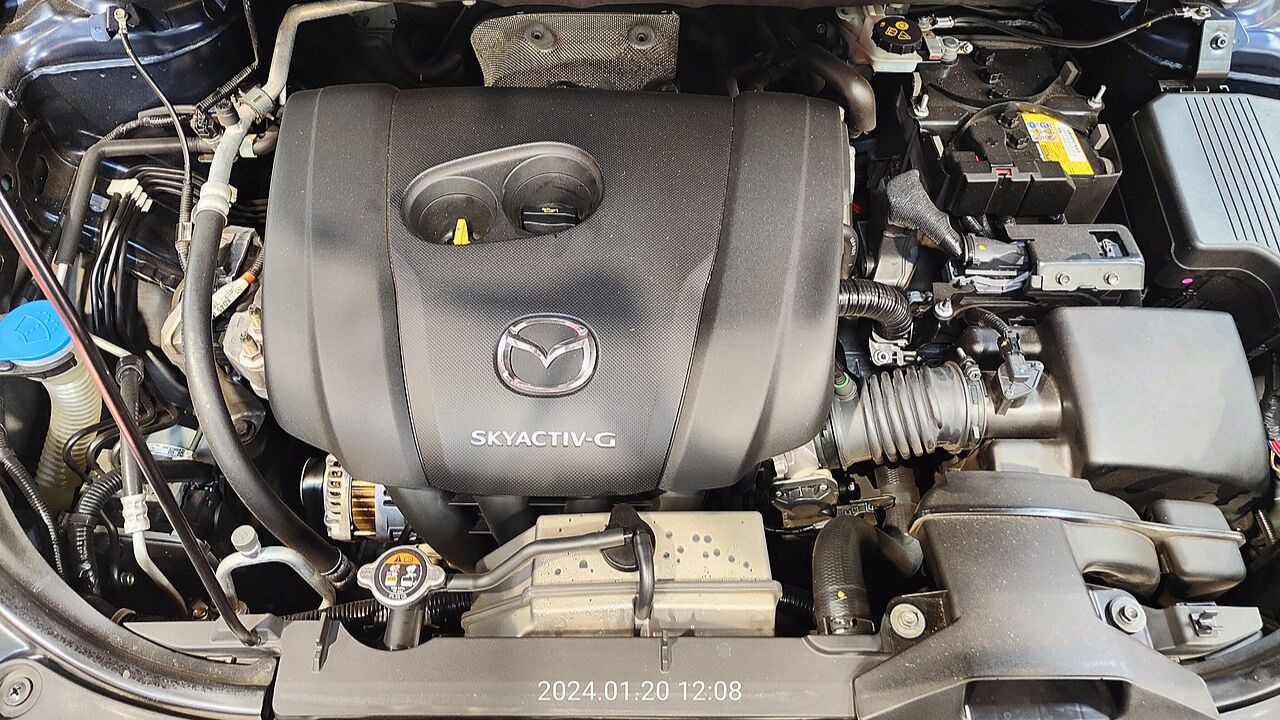
On the road, the same pressure to cut emissions and fuel use has pushed manufacturers toward smaller displacement, higher compression, and far tighter control over combustion. Mazda’s Skyactiv engine family is a clear example of how much has changed inside a conventional-looking four‑cylinder. Engineers raised compression ratios, rethought piston shapes, and redesigned intake and exhaust paths so the engine could run cleaner and leaner without resorting to heavy hybrid hardware. The focus on combustion efficiency and careful materials choices allowed Mazda to deliver respectable torque and fuel economy from relatively modest engines, a story explored in detail through the Skyactiv innovations.
Alongside efficiency, durability has become its own design target. Honda’s reputation for engines that tolerate abuse did not happen by accident. The company’s high‑revving four‑cylinders, especially in performance models, were built around strong bottom ends, conservative bearing clearances, and valvetrain designs that could live at high rpm for long periods. These engines earned a reputation as “bulletproof” because owners could track them, tune them, and daily drive them for years without major failures. That durability is not folklore; it is tied to specific engineering choices that enthusiasts still dissect when they talk about classic Honda engines.
Taken together, these examples show how the definition of a standout engine has shifted. It is no longer just about peak power. The designs that resonate with engineers now combine thermal efficiency, packaging, hybrid integration, and long‑term reliability in a way that would have been difficult to imagine in the era of big, naturally aspirated blocks.
Why this kind of engine design matters more than ever
The reason these designs still command attention is not nostalgia. They sit at the intersection of three pressures that define the current automotive moment: emissions rules, electrification, and cost. Regulators continue to tighten fleet targets, which forces manufacturers to treat every percentage point of efficiency as valuable. At the same time, buyers still expect internal combustion cars to feel responsive, sound engaging, and last for hundreds of thousands of kilometers.
Engines like the Skyactiv units show one way through that maze. By pushing compression and refining combustion, Mazda extracted more usable torque at lower rpm, which allowed taller gearing and better fuel economy without a dramatic loss in drivability. That approach meant the company could delay full electrification in some segments while still meeting regulatory demands. It also gave engineers a platform that could accept mild hybrid systems later, since an efficient base engine reduces the size and cost of the electric assist needed to hit targets.
In motorsport, the relevance is even more direct. The current F1 power units are essentially rolling laboratories for managing energy flows. Teams balance combustion efficiency, turbocharger behavior, battery state of charge, and thermal limits in real time. The same control logic that decides when to deploy electrical boost on a straight has clear parallels in how future road hybrids will blend engine and motor power on highways and in cities. As manufacturers weigh whether to stay in or return to F1, they often point to the hybrid power unit regulations as a justification, since the knowledge gained from current hybrid rules can be transferred to their production programs.
Durability also matters in a way that goes beyond warranty costs. The reputation of engines like Honda’s long‑lived four‑cylinders helps manufacturers sell enthusiast models and maintain brand loyalty. When engineers design a new turbocharged or hybridized engine, they study how those older units handled stress, heat, and oiling. Lessons from high‑mileage Honda blocks influence decisions about crankshaft stiffness, cooling passages, and even software limits on boost and rpm. If a modern engine can match that durability while also meeting stricter emissions and noise limits, it becomes a powerful marketing and engineering success story.
There is also a cultural dimension. Enthusiasts and engineers often care about how an engine feels as much as what it achieves on a test cycle. The way a Skyactiv engine responds to throttle, or the way an F1 V6 sounds under load, shapes how people perceive the technology behind it. That emotional response can make the difference between a powertrain that is tolerated and one that is celebrated, which in turn affects how long manufacturers support and develop a given architecture.
How these ideas are shaping the next generation of powertrains
Looking ahead, the most influential engine designs are likely to be those that integrate combustion and electrification as a single system rather than as bolt‑on hybrids. Lessons from F1’s energy recovery systems are already visible in high‑performance road cars that use electric motors to fill turbo lag, smooth gear changes, or power accessories so the engine can shut off more often. As regulations push for more electric range, engineers are exploring engines that operate in narrower, more efficient rpm bands, with electric motors handling transients and low‑speed work.
Concepts like homogeneous charge compression ignition and ultra‑lean combustion, which informed some of Mazda’s Skyactiv experiments, are being revisited with better sensors and faster control units. The goal is to run engines closer to their theoretical efficiency limits without triggering knock or unstable combustion. Achieving that requires precise control over injection timing, ignition, and airflow, along with robust hardware that can tolerate higher pressures and temperatures. The same mindset that produced the Skyactiv architecture now guides research into smaller, turbocharged engines that can operate efficiently in hybrid loops.
Durability will remain a non‑negotiable requirement. As engines become more stressed and complex, the risk of costly failures grows. Engineers who grew up tuning older, sturdy Honda units are now in positions where they specify bearing materials, oil formulations, and cooling strategies for downsized turbo engines. They know that a reputation for fragility can sink a model line, while an engine that earns a following like the classic VTEC designs can keep used values high and owners loyal to the brand.
There is also the question of how long combustion engines will remain in volume production. Even in markets with aggressive electrification targets, millions of new combustion or hybrid vehicles will be sold over the next decade. Manufacturers want those engines to be as efficient and low‑carbon as possible, partly to meet regulations and partly to protect their image. Technologies refined in motorsport, such as advanced turbo materials and high‑energy ignition systems, are likely to filter into mainstream engines as costs fall and supply chains mature.
More from Fast Lane Only
- Unboxing the WWII Jeep in a Crate
- 15 rare Chevys collectors are quietly buying
- 10 underrated V8s still worth hunting down
- Police notice this before you even roll window down
*Research for this article included AI assistance, with all final content reviewed by human editors