The evolution of pickup trucks is a tale of engineering innovation and consumer demand, where each generation has faced unique challenges and opportunities. This story is not just about the vehicles themselves but the engineering battles that have shaped their design, performance, and functionality over the decades.
The Birth of the Pickup Truck
The pickup truck’s journey began in the 1920s, when manufacturers like Ford and Chevrolet saw an opportunity to create a utility vehicle that could serve both commercial and personal needs. Early designs were simple, often featuring a flatbed for hauling goods and a basic cabin for the driver. The Ford Model T, introduced in 1908, laid the groundwork for this segment with its affordability and practicality, but it was the introduction of the Ford Model A in 1927 that truly defined the pickup’s form and function.
World War II had a significant influence on the design of civilian trucks. Military vehicles showcased the importance of durability and versatility, leading manufacturers to adopt similar features in their civilian models. The Willys MB, for example, demonstrated the ruggedness and adaptability that would soon be mirrored in post-war pickup designs. This era saw the establishment of a robust pickup market, with manufacturers competing to provide the best balance of power, payload, and passenger comfort.
The Rise of Power and Performance
The 1950s and 1960s marked a turning point in the pickup truck industry as consumers began demanding more power and performance. The introduction of V8 engines revolutionized the segment, providing the horsepower necessary for towing and hauling. The 1955 Chevrolet Apache, for instance, was one of the first pickups to offer a V8 engine, making it a popular choice among those looking for both utility and speed.
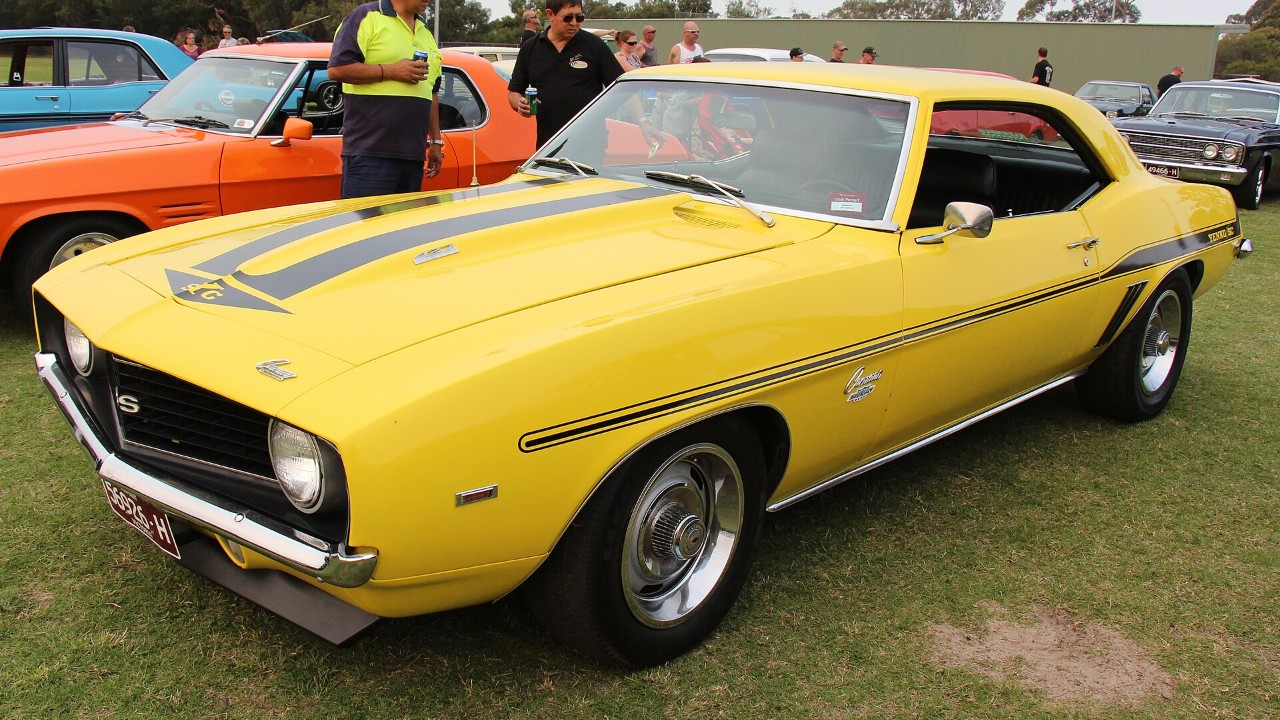
With the rise of the muscle car era, pickup trucks also began to feature more powerful engines to attract a broader audience. This shift was not without its challenges, particularly during the 1970s oil crisis, when rising fuel prices forced manufacturers to innovate in fuel efficiency. The introduction of smaller, more efficient engines, such as the 4.3-liter V6, helped to maintain consumer interest while addressing the growing concern over fuel consumption.
Advancements in Safety and Comfort
The 1980s and 1990s saw a significant shift in consumer expectations regarding safety and comfort in pickup trucks. As more families began purchasing these vehicles not just for work but for everyday use, manufacturers responded with passenger-like amenities. Features such as air conditioning, power windows, and comfortable seating became standard in many models, blurring the lines between traditional trucks and family vehicles.
Safety also became a priority during this era, with the implementation of features like airbags and anti-lock braking systems (ABS). The Ford F-Series, for example, consistently integrated advanced safety features, evolving into one of the best-selling vehicles in the United States. Luxury trims emerged, appealing to buyers looking for the “lifestyle” truck—vehicles that combined rugged capability with upscale amenities.
The Role of Technology in Modern Trucks
As we moved into the 21st century, technology began to play an increasingly pivotal role in the design and functionality of pickup trucks. The integration of computer-aided design (CAD) revolutionized the engineering processes, allowing for more precise manufacturing and innovative designs. For instance, the introduction of aluminum bodies in the Ford F-150 helped reduce weight while maintaining strength and durability, a significant engineering feat that set a new standard in the industry.
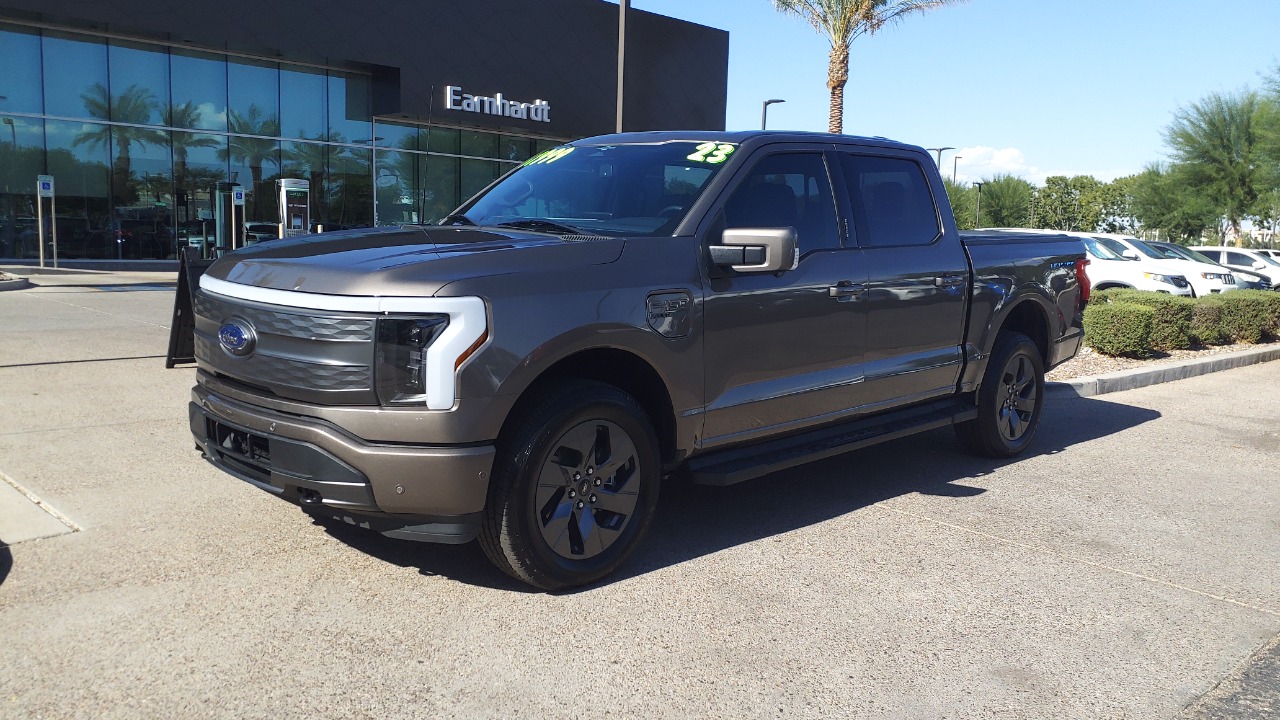
Today, smart technology is ubiquitous in modern pickups, with features such as advanced infotainment systems and driver-assistance technologies becoming standard. Trucks like the Ram 1500 are equipped with touchscreen displays that provide navigation, entertainment, and connectivity options, making the driving experience more enjoyable. The emergence of electric and hybrid technologies, evidenced by models like the Ford Lightning and the Chevrolet Silverado EV, is poised to reshape the future of pickup trucks. These innovations not only focus on performance but also address environmental concerns, demonstrating a commitment to sustainability in an evolving market.
The Environmental Challenge
As environmental awareness has grown, regulatory changes and emissions standards have placed increasing pressure on truck manufacturers to innovate. The introduction of stringent Environmental Protection Agency (EPA) regulations has forced companies to rethink their engine designs and fuel sources. Many pickups now feature turbocharged engines that deliver better fuel economy without sacrificing power, helping to meet these new standards.
Moreover, the development of alternative fuel sources and sustainable materials has become a focal point for many manufacturers. The trend towards eco-friendliness is evidenced by the rise in popularity of hybrid models and trucks that utilize recycled materials in their construction. Consumers are increasingly leaning towards trucks that not only meet their needs for performance and utility but also align with their values regarding sustainability.
The Future of Pickup Trucks
Looking ahead, the next generation of pickup trucks is poised to be more advanced and versatile than ever. As technology continues to evolve, manufacturers are exploring the potential of autonomous driving technology within the pickup segment. Companies like Tesla and Ford are investing heavily in self-driving capabilities, which could transform how we think about transportation and the utility of trucks.
Additionally, manufacturers are adapting to changing consumer needs, focusing on creating vehicles that are not just workhorses but also lifestyle enhancers. With the rise of remote work and outdoor recreational activities, trucks are being designed to cater to a broader audience, combining utility with versatility. The future of pickup trucks is not just about power and performance; it’s about creating a vehicle that fits seamlessly into modern lifestyles while addressing the challenges of sustainability and technology.
More from Fast Lane Only
- Unboxing the WWII Jeep in a Crate
- 15 rare Chevys collectors are quietly buying
- 10 underrated V8s still worth hunting down
- Police notice this before you even roll window down
*Research for this article included AI assistance, with all final content reviewed by human editors.