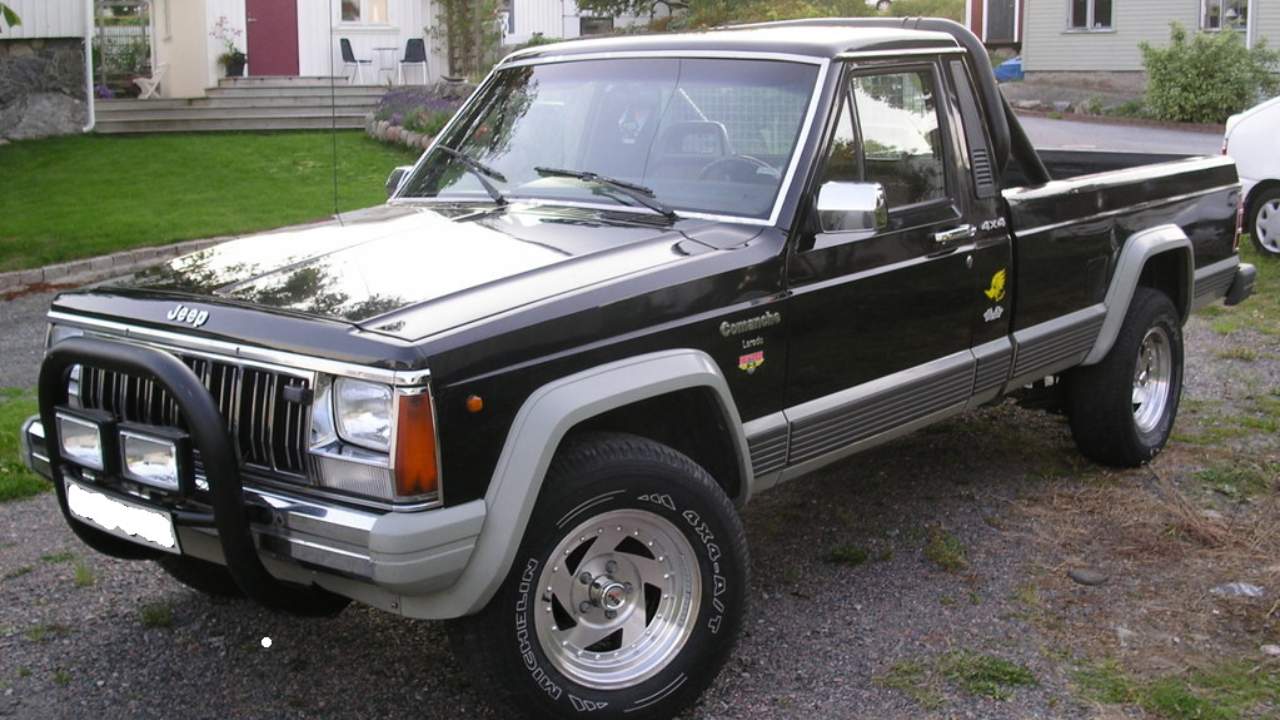
For much of the twentieth century, a walk through an American parking lot resembled a stroll through a paintbox. Family sedans wore mint green and baby blue, muscle cars shouted in lime and orange, and even humble compacts arrived in mustard yellow or bright turquoise. The era when car color palettes were anything but subtle was not a niche fad but a mainstream expression of optimism, identity, and technological change.
Today’s sea of white, black, gray, and silver makes that period feel almost unreal, yet period photographs and enthusiast accounts confirm how saturated the automotive landscape once was. Understanding how those exuberant hues emerged, evolved, and then receded helps explain not only design history but also shifting attitudes toward cars themselves.
Pastels, tri-tones, and the optimism of the 1950s
The explosion of color in postwar car design did not happen by accident. It grew out of a broader cultural mood in the 1950s, when Americans, emerging from years of hardship, embraced brighter surroundings in homes, storefronts, and streets. Paint makers described the decade’s palette as filled with punchy pastels, including pink, mint green, and baby blue, shades that were meant to evoke a happy, upbeat mood and a renewed eagerness to embrace life and community. Automakers translated those same tones directly onto sheet metal, turning driveways into extensions of pastel living rooms.
Photographic collections from the mid to late fifties show family cars in bright pastel colors, often finished in two-tone or even tri-tone combinations that used contrasting roofs, side panels, and chrome moldings to break up the body. Enthusiasts celebrating these images point to the way bolt-on moldings and sweeping side spears were designed specifically to frame multiple colors, rather than simply decorate a single shade. The result was a visual language in which a salmon pink body with a white roof and turquoise accent was not an oddity but a showroom centerpiece, a rolling billboard for the era’s confidence.
Deeper hues and metallic flair in the 1960s
By the 1960s, the pastel exuberance of the previous decade had matured into richer, more complex finishes. Paint trends in that period built on the earlier love of color but shifted toward deeper tones and more sophisticated effects. New metal compounds in automotive coatings allowed metallic paints to sparkle in the sun, giving even conservative colors a sense of motion and depth. Instead of abandoning color, manufacturers refined it, offering saturated reds, blues, and greens that looked more serious yet still unmistakably bold.
Historical overviews of automotive paint note that this evolution was part of a longer trajectory that began when companies such as Ford moved beyond a single-color policy on models like the Model T and embraced a wider palette. By the time the 1960s arrived, that openness had combined with advances in chemistry to produce more advanced metallic options that could withstand weather and time. The decade’s cars, from compact coupes to full-size sedans, often wore these finishes as a mark of modernity, their shimmering surfaces signaling both technological progress and a lingering appetite for expressive color.
High Impact muscle and the wild 1970s
If the 1950s and 1960s laid the groundwork, the late 1960s and 1970s pushed automotive color into unapologetically loud territory. Performance brands treated paint as part of the powertrain, a visual amplifier for big engines and aggressive styling. Dodge and Plymouth, grouped together in enthusiast circles as The Mopar brands, became famous for their High Impact Colors, a factory palette that included shades like Grabber Green and Panther Pink. These hues were not subtle accents but full-body statements that turned muscle cars into instant icons, a tradition celebrated in lists of Legendary Paint Colors That Turned Muscle Cars Into Icons that highlight Chrysler’s role in popularizing such extremes.
Collectors and restorers note that Today, High Impact Paints, often abbreviated as HIP, have become highly desirable and can increase the value of a classic Mopar vehicle. The same neon-like tones that some buyers once dismissed as too brash are now prized as authentic artifacts of a more expressive automotive age. Broader discussions of wild muscle car paint jobs from the 1970s describe how these High Impact Col finishes transformed parking lots into rolling carnivals, with oranges, purples, and greens competing for attention. In that context, a bright Panther Pink Dodge or Plymouth was not a novelty but part of a larger cultural embrace of spectacle and individuality.
Every shade imaginable in the 1970s and 1980s
The taste for color did not stop at muscle cars. Accounts from enthusiasts looking back on the 1970s and 1980s describe mainstream vehicles in what they call every shade imaginable, from mustard yellows and seafoam greens to powder blues, burnt oranges, and cherry reds. One widely shared reflection on color charts from that period notes that In the 1970s and 1980s, cars came in this full spectrum, suggesting that even practical family wagons and compact hatchbacks were offered in tones that would be almost unthinkable on today’s dealer lots. A separate discussion of classic Beetles, for instance, recalls mustard yellow examples and bright blue hatchbacks as commonplace sights rather than eccentric choices.
Photographs from 1973 in America show more colour variety across parking areas, reinforcing the idea that color choice was subject to fashion and fluctuation. At that moment, the pendulum had swung firmly toward saturation, with greens, oranges, and browns mixing with blues and reds in a way that made greyscale cars the minority. Forum discussions that track the popularity of car colors by decade point out that even as preferences shifted, the late twentieth century still offered a broader palette than the present, with white, silver, blue, grey, and black only gradually consolidating their dominance. For drivers of that era, choosing a car color was as much about signaling personality as it was about hiding dirt or preserving resale value.
From expressive palettes to greyscale parking lots
The contrast between those kaleidoscopic decades and today’s subdued lots has become a recurring theme among enthusiasts and casual observers alike. Side by side comparisons of parking lots from around 1980 and the present highlight how the decline of vibrant car colors mirrors broader changes in consumer behavior. Commentators argue that people now view cars less as extensions of identity and more as appliances or financial assets, and the color choices reflect that shift. Where a bright orange coupe once signaled individuality, a white crossover now signals practicality, neutrality, and a desire to appeal to the widest possible pool of future buyers.
Historical summaries of car colour popularity describe how trends have moved from dark hues in the early automotive era to the riot of tones seen in 1973, then back towards today’s greyscale colours. Discussions of the most popular colors in the mid 2000s, for example, list white, silver, blue, grey, and black as dominant, with more adventurous shades relegated to niche models or special editions. Social media threads asking what happened to colorful cars and chrome styling frame the change as a loss of personality, recalling how Back in the 80s and 90s, even everyday vehicles had more visual flair. The mustard yellow Beetles and bright blue hatchbacks that once blended into traffic now stand out in memory as symbols of a more playful relationship between drivers and their machines.
More from Fast Lane Only