Every so often, a performance car quietly crosses the line between curiosity and credibility. The transformation rarely comes from a wild concept or a marketing slogan. It usually happens when a factory signs off on a set of upgrades that fix the car’s biggest flaws and finally align its hardware with what enthusiasts expect.
In recent years, few shifts have been watched more closely than the way one high-powered sedan evolved from an ambitious outlier into a benchmark, helped along by a factory rethink that touched everything from motors and batteries to build quality and track readiness.
How a factory rethink reshaped a fast but flawed original
When the Tesla Model S first arrived, it was quick in a straight line yet carried the stigma of an unproven electric platform and a young carmaker still learning how to build at scale. Early cars delivered startling acceleration but also inconsistent panel gaps, limited charging infrastructure, and interiors that felt more tech prototype than long-distance grand tourer. The car’s performance numbers grabbed attention, but the ownership experience left room for doubt among traditional enthusiasts used to the polish of long-established German and American brands.
That perception began to shift once Tesla reworked the Model S at the factory level. Successive upgrades improved battery chemistry, motor efficiency, and thermal management, which in turn allowed the company to unlock higher performance without sacrificing usable range. According to reporting on the Model S history, those changes were not just incremental tweaks but part of a broader evolution that took the car from early-adopter experiment to the core of Tesla’s business and identity.
The most visible symbol of that upgrade path was the introduction of higher-output variants that could repeat their headline acceleration figures without fading after a single run. Factory work on cooling systems and power delivery meant drivers no longer had to treat the fastest mode as a one-time party trick. At the same time, updates to the suspension and steering calibration gave the big sedan a more settled feel on real-world roads, softening criticism that it was only impressive in a straight line.
Build quality also benefited from the maturing factory process. Later cars showed tighter bodywork, more consistent paint, and cabins that felt less experimental and more like a finished product. Those changes did not erase every complaint, but they signaled that the company was listening to feedback and willing to invest in the unglamorous details that make a performance car feel trustworthy over time.
From drag-strip novelty to reference point for modern performance
All of those factory upgrades added up to a shift in how the Model S was discussed by people who care deeply about performance cars. What had started as a curiosity, a silent sedan that could embarrass supercars off the line, became a serious daily driver that also happened to be one of the quickest production cars on sale. That combination of practicality and pace changed expectations for what a performance car could be, especially in a segment long dominated by large-displacement gasoline engines.
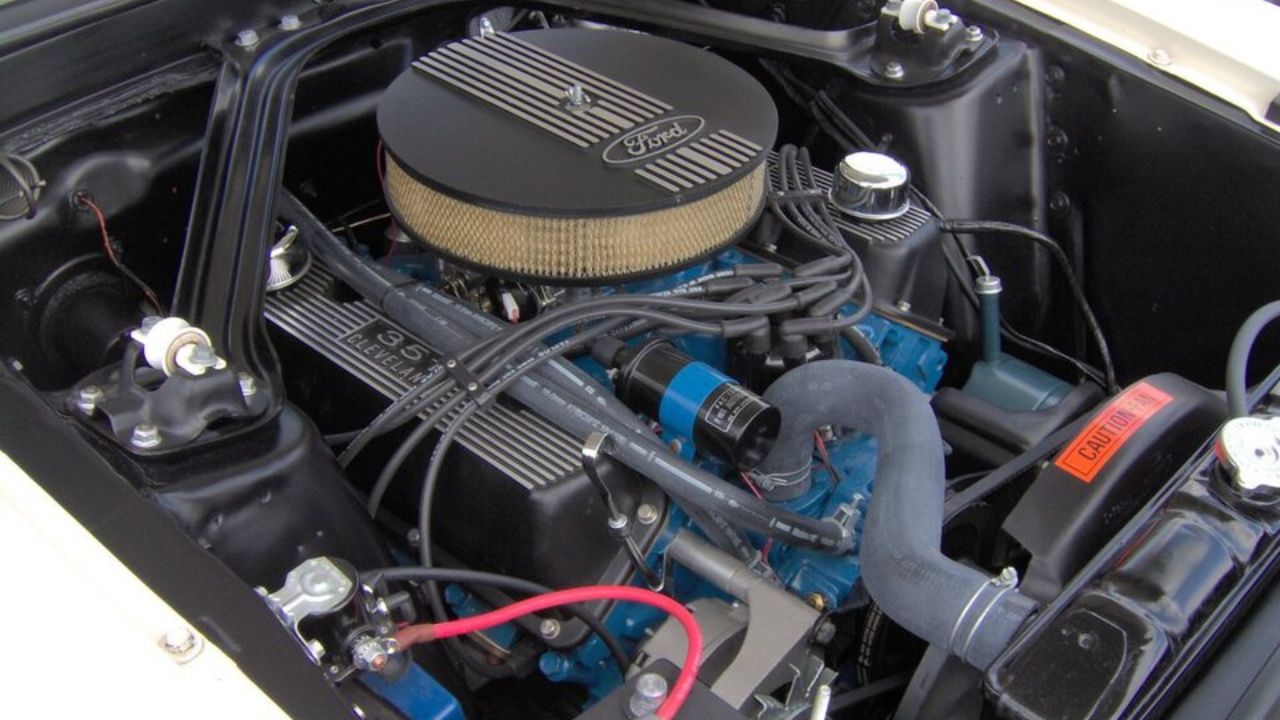
To understand how significant that change was, it helps to look at what came before. For decades, American performance culture was defined by big-block V8s assembled in domestic factories. Cars like the Chevrolet Chevelle SS and Plymouth Road Runner built their reputations on cubic inches and the thunderous soundtrack that came with them. Reporting on the final factory big-block muscle era highlights how those engines represented both the height of old-school power and the limit of what could be justified as emissions rules tightened and fuel prices climbed.
In that world, a fast sedan needed displacement, noise, and a certain level of mechanical drama to be taken seriously. The Model S arrived with none of that. What it had instead was instant torque, a single-speed transmission, and the ability to deliver supercar acceleration without the traditional cues that signaled performance. Early on, some enthusiasts dismissed it as a gadget rather than a driver’s car.
Continuous factory upgrades chipped away at that skepticism. As the car gained better brakes, more predictable handling, and improved durability under repeated hard use, it started to appear at drag strips and track days alongside modified V8s. Owners who might once have kept a separate weekend toy began to use the high-performance Model S variants for both commuting and competition. That blurred the line between daily transportation and performance hobby in a way that older muscle cars rarely could, given their thirst, noise, and relative lack of refinement.
The shift also changed how automakers talk about performance. Instead of focusing solely on horsepower and quarter-mile times, the conversation now includes charging speed, battery cooling, and software updates that can add features or tweak power delivery after the car leaves the factory. In effect, the definition of a factory upgrade has expanded from hardware-only changes to a mix of physical improvements and code, all delivered under the same badge.
Why that transformation matters in the current performance debate
The Model S factory evolution matters now because it serves as a template for how other performance cars might survive the transition away from internal combustion. It shows that a car can start life as a niche product and, through sustained factory investment, become a mainstream performance benchmark without abandoning the traits that made it distinctive in the first place.
For regulators and policymakers, the story offers a tangible example of how performance and environmental goals do not have to sit at opposite ends of the spectrum. An electric sedan that can outrun traditional sports cars while producing no tailpipe emissions changes the framing of debates that once pitted driving enjoyment against climate targets. The fact that this shift came through factory-led refinement, rather than aftermarket workarounds, reinforces the role manufacturers play in steering enthusiast culture.
For traditional performance brands, the upgraded Model S is both a competitive threat and a challenge. Companies that built their names on big engines and mechanical charisma now face a rival that delivers instant torque with far fewer moving parts. Some have responded with their own high-performance electric models, while others are experimenting with hybrid systems that blend electric assistance with familiar engines. In all cases, the bar set by the reworked sedan has forced them to treat electrification as a performance opportunity rather than a regulatory burden.
Enthusiasts feel the impact in more personal ways. The factory’s commitment to improving range and charging has made it easier to treat a high-performance electric car as a long-term companion rather than a second car for short hops. At the same time, the move away from big-block soundtracks and manual gear changes raises questions about what makes a performance car emotionally satisfying. Some drivers welcome the quiet focus on speed and grip, while others miss the sensory drama of older machinery.
Where factory-led performance goes from here
The next chapter for this upgraded performance sedan, and for cars influenced by it, will likely revolve around how far factories can push software-defined performance without losing driver engagement. Over-the-air updates already allow manufacturers to refine throttle response, traction control, and even user interfaces without touching the hardware. The challenge is to use those tools to enhance the driving experience rather than turning performance into a subscription feature that lives behind a paywall.
There is also pressure to extend the same level of factory attention to durability and repairability. As batteries age and high-performance electric cars accumulate mileage, owners will look for evidence that the same engineering rigor applied to acceleration has been applied to long-term reliability. Transparent battery warranties, modular components, and clear upgrade paths will matter as much as headline performance numbers.
On the enthusiast side, the culture built around mechanical modification is starting to adapt. Instead of swapping cams or exhaust systems, owners are exploring suspension tuning, lightweight wheels, and software-safe tweaks that respect factory limits. Track-day organizers are learning how to manage charging logistics alongside fuel, while aftermarket companies experiment with ways to personalize cars that arrive from the factory already highly optimized.
More from Fast Lane Only
- Unboxing the WWII Jeep in a Crate
- 15 rare Chevys collectors are quietly buying
- 10 underrated V8s still worth hunting down
- Police notice this before you even roll window down
*Research for this article included AI assistance, with all final content reviewed by human editors