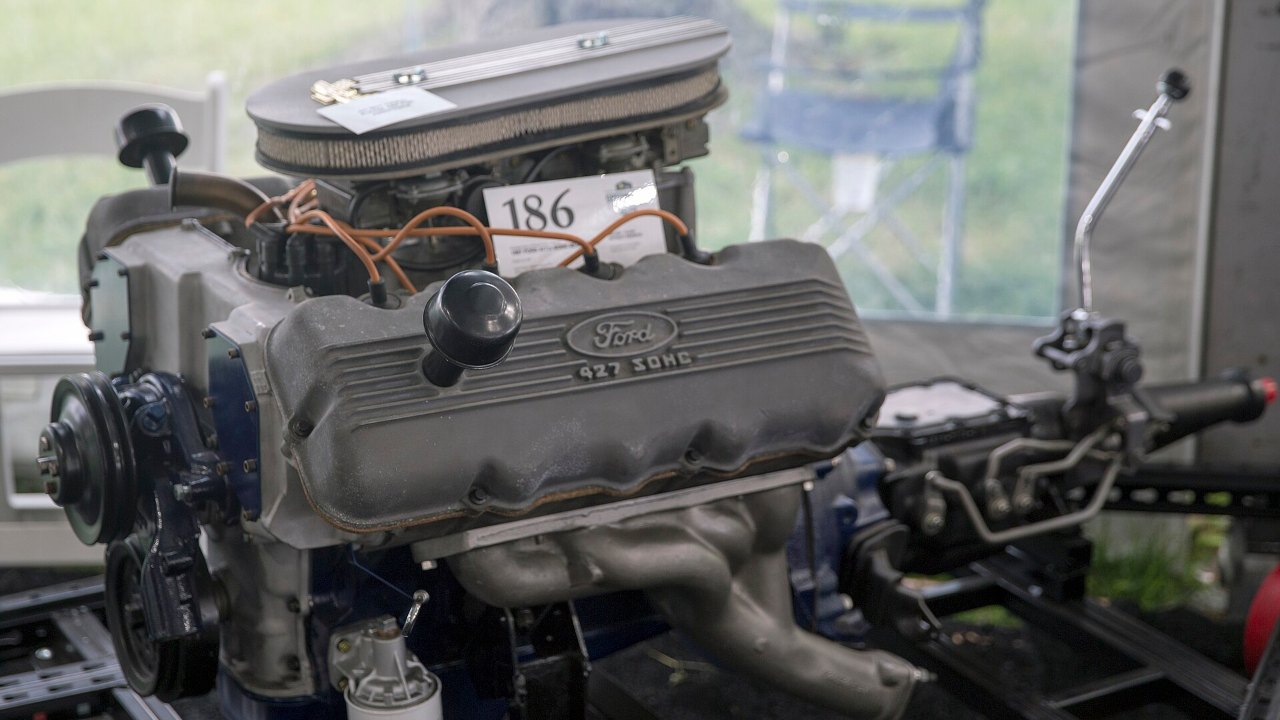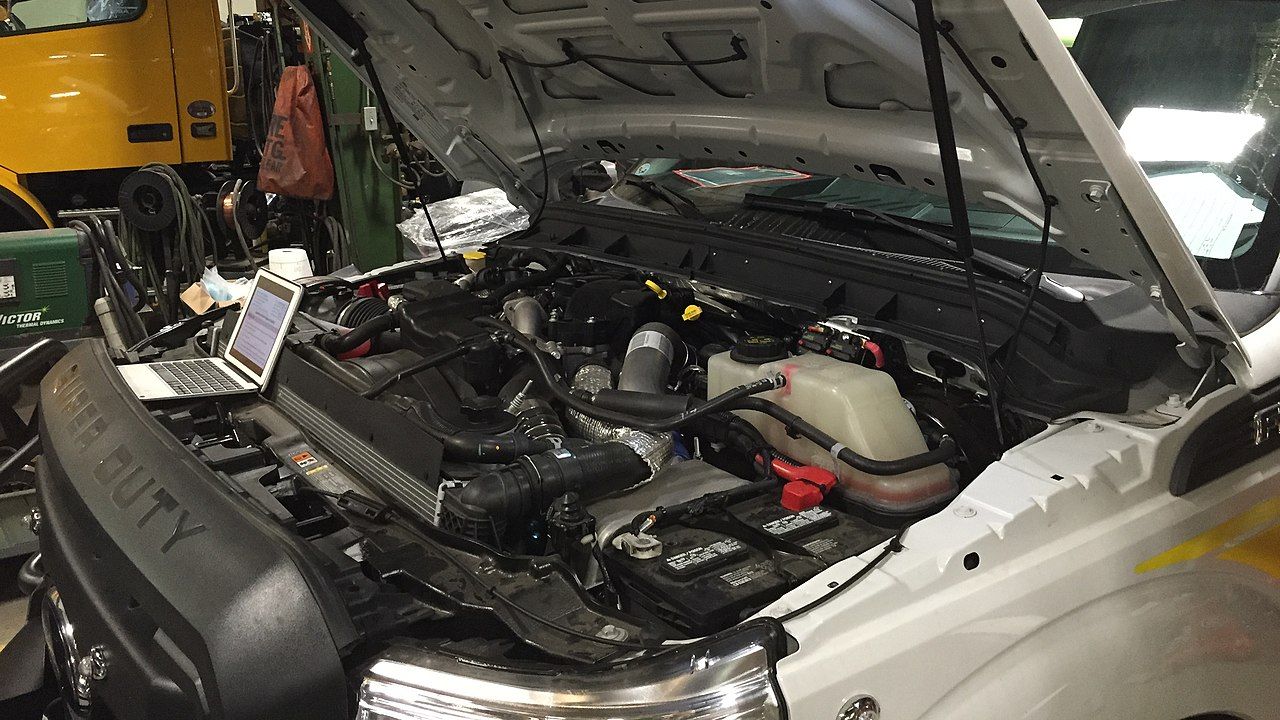
Ford has a long habit of letting engineering experiments escape the lab and find their way into driveways. Few recent examples capture that journey better than the 7.3‑liter “Godzilla” V8, an engine that began as a workhorse testbed for heavy-duty trucks and ended up as a cult favorite with hot rodders and swap-happy enthusiasts. What started as a conservative pushrod design is now quietly reshaping the modern V8 project scene.
This engine’s story is less about headline-grabbing supercar numbers and more about how a simple, overbuilt package met a generation of builders hungry for accessible power. The result is a powerplant that bridges old-school big-block attitude with late-model reliability and tuning potential.
From conservative truck mule to surprise hero
When Ford engineers developed the 7.3‑liter gasoline V8 for Super Duty trucks, the brief was straightforward: durability, low-end torque, and predictable service life. They chose a traditional cam-in-block layout, iron block, and modest specific output, a far cry from the high-strung turbocharged EcoBoost units that headline Ford’s brochures. On paper, it looked like a parts-counter workhorse, not a future star of engine swaps.
At first, enthusiasts focused more on Ford’s racing programs, including the modern V8 built for NASCAR that has been dissected for its cylinder head design, valvetrain strategy, and power potential. That competition engine, documented in detail for Ford NASCAR fans, set expectations for what a cutting-edge Ford V8 should look like: high-rpm focus, exotic materials, and tight tolerances.
The 7.3 looked almost tame by comparison. Yet that conservative spec turned out to be the point. The big-displacement layout, simple architecture, and generous factory engineering margins gave builders room to experiment. Once wrecking yards started filling with Super Duty donors, the engine’s second life began.
How the Godzilla swap movement took shape
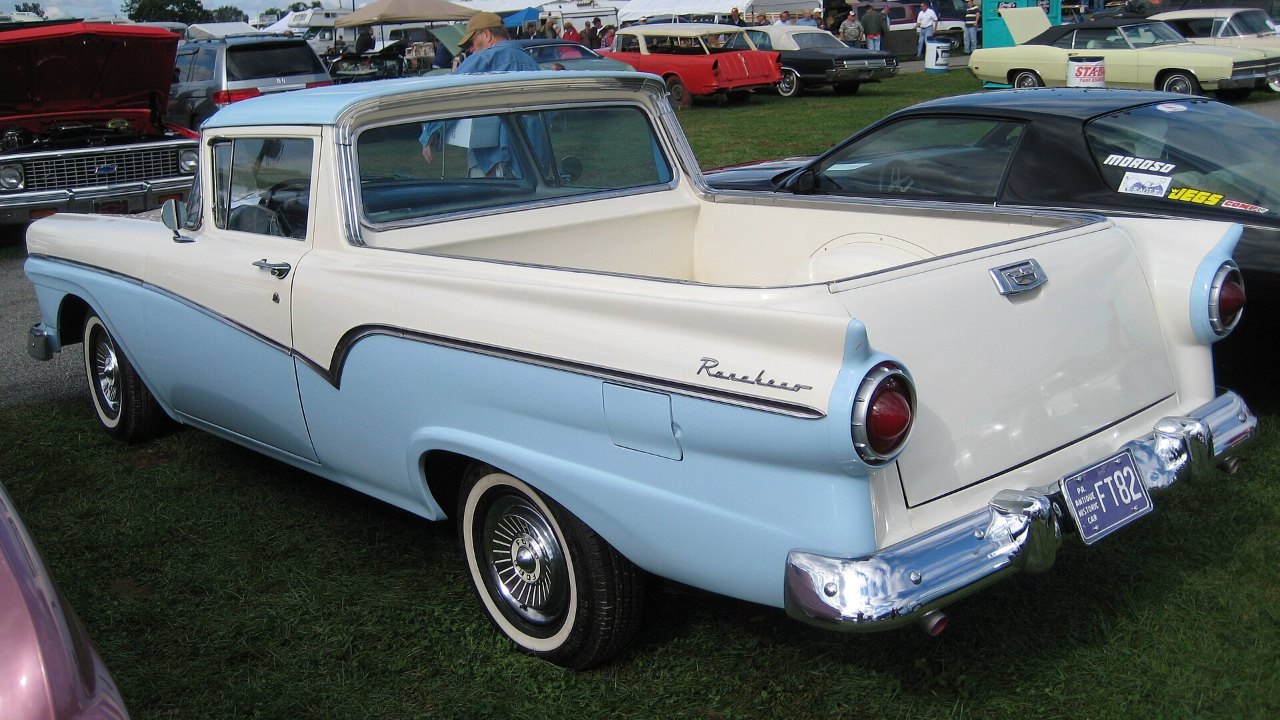
The turning point came when shops and DIY builders proved that the 7.3 could be pulled from a salvage truck, refreshed on a budget, and dropped into older chassis with minimal drama. A detailed yard-sourced build showed that a used engine, basic upgrades, and careful tuning could deliver serious power without exotic parts, a story that helped define the current budget swap era for this platform.
That project did more than add dyno numbers to a forum thread. It demonstrated that the Godzilla could be treated like the small-blocks of previous generations: cheap to buy, forgiving to work on, and happy to respond to intake, exhaust, and calibration changes. Once that template existed, it spread quickly across the project scene, from classic F‑Series trucks to Fox‑body Mustangs and vintage Broncos.
The engine’s appeal also fits neatly into a broader resurgence of hands-on builds. Guides to modern project cars regularly highlight platforms that accept big engines, tolerate modification, and still feel analog to drive. In that landscape, the Godzilla slots in as the powerplant of choice for those who want modern reliability without giving up the mechanical character of a large-displacement V8.
What changed in Ford’s “test project” V8
The core architecture of the 7.3 has not shifted much since its truck debut. What has changed is how the aftermarket and garage builders interact with it. Early on, the engine was seen as a stopgap for fleets that did not want diesel complexity. Now, it is treated as a blank canvas.
This evolution mirrors what has happened with other ambitious engine projects. At the wildest end of the spectrum, builders have stuffed a V12 tank engine into a Ford Crown Victoria, then strapped it to a dyno to see how far the chassis and drivetrain would tolerate the experiment. That outlandish V12 Crown Vic serves as a reminder of how far enthusiasts will go when packaging and electronics hurdles can be solved.
Why this engine matters to enthusiasts right now
The Godzilla’s rise comes at a moment when traditional V8 options are shrinking and emissions rules are tightening. Large-displacement, naturally aspirated engines are no longer a given in new performance cars, which pushes builders toward crate motors, used powertrains, and creative swaps. In that context, a relatively new, emissions-era V8 that can still be found in wrecking yards is a rare opportunity.
Compared with older big-blocks, the 7.3 offers modern sealing, better fuel and spark control, and parts availability that is tied to ongoing truck production instead of dwindling classic inventories. Against smaller turbocharged engines, it delivers instant torque without the complexity of multiple turbos, intercoolers, and high-pressure fuel systems. That balance makes it attractive for long-haul street trucks, tow rigs that moonlight at the drag strip, and classic cars that need effortless highway power.
The engine also fits a cultural shift toward usable performance. Many builders now focus less on peak dyno numbers and more on how a vehicle behaves in real traffic, on long road trips, or during occasional track days. Long-running project coverage of vehicles like a 1967 Chevy C10 that finally starts and runs after extensive work captures that mindset, where the satisfaction comes from a drivable, finished package as much as from big power figures. The Godzilla aligns neatly with that ethos, and it is easy to imagine one of these engines under the hood of a classic truck similar to the 1967 C10 once the basics are sorted.
For Ford loyalists in particular, the 7.3 fills a gap between older modular V8s and the more complex Coyote family. It brings pushrod simplicity back into the lineup while still benefiting from modern manufacturing and control systems. That combination has helped it win over enthusiasts who might have otherwise turned to LS or Hemi swaps.
What comes next for Ford’s unexpected favorite
The trajectory of the 7.3 suggests that its influence will grow in several directions over the next few years.
First, the swap ecosystem is likely to mature. As more chassis-specific kits reach the market, the engine will move from custom one-off territory into repeatable recipes. Expect to see more plug-and-play solutions for popular platforms, from classic F‑Series and Broncos to Fox‑body and SN95 Mustangs. Once builders can order mounts, headers, and wiring as a package, the engine becomes a default choice rather than a science project.
Second, the tuning and forced-induction scene will expand. The bottom end’s reputation for strength has already encouraged supercharger and turbocharger experiments. As calibrators refine maps for different boost levels and fuels, the community will gain clearer guidance on safe limits and supporting hardware. That knowledge will likely filter back into street builds that prioritize longevity over maximum output.
Third, the engine’s presence will continue to shape how project cars are chosen. When shoppers look over shortlists of promising classics and modern platforms, they increasingly weigh how easily a modern V8 can be installed. Lists of recommended project platforms already highlight engine bay space, aftermarket support, and drivetrain strength. As the Godzilla swap path becomes more common, vehicles that pair well with the 7.3 will climb those rankings.
More from Fast Lane Only
- Unboxing the WWII Jeep in a Crate
- 15 rare Chevys collectors are quietly buying
- 10 underrated V8s still worth hunting down
- Police notice this before you even roll window down
*Research for this article included AI assistance, with all final content reviewed by human editors