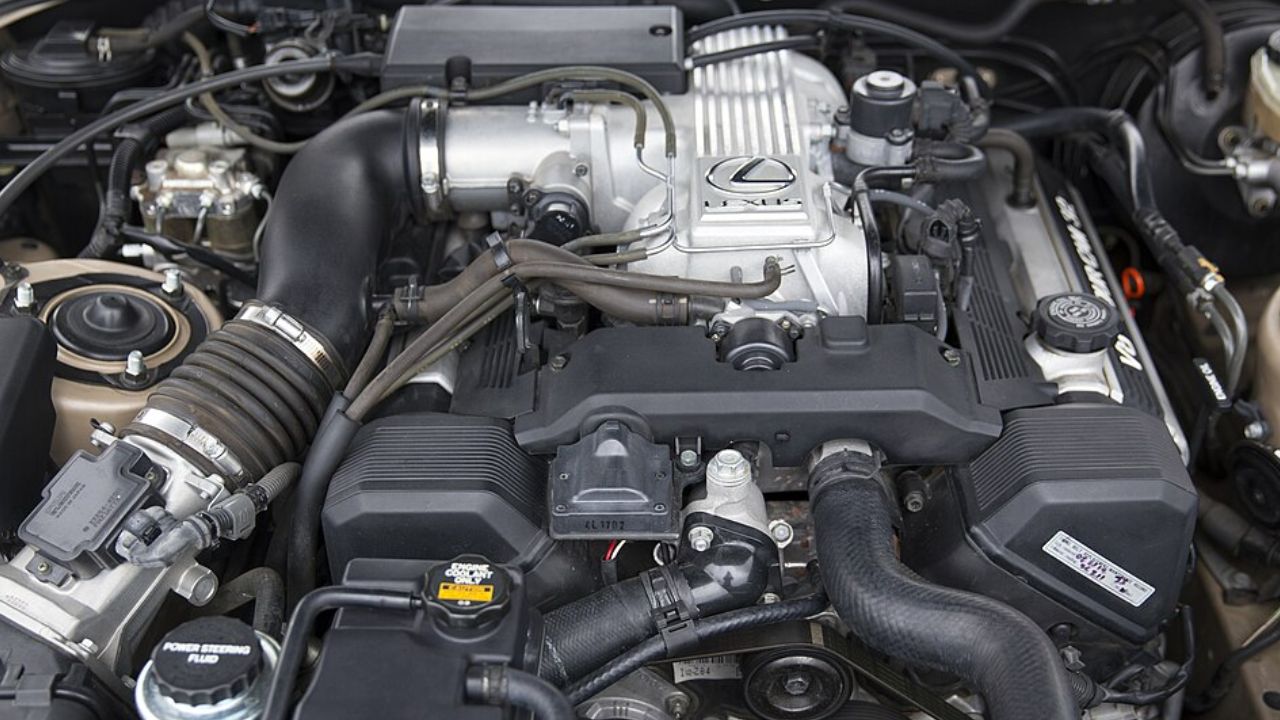
In most workshops, mileage is usually a warning sign. It tells mechanics what might fail next: timing components, fuel systems, compression wear, or oil control issues. But every once in a while, an engine appears that changes that mindset. Instead of treating high mileage as a problem, technicians start treating it as just a number. Not because engines become immortal, but because a few designs proved so consistently tough that mileage stopped being the first concern.
One of the best-known examples of this reputation comes from a small group of engines that earned something rare in automotive culture: trust built over hundreds of thousands of kilometers without drama.
Why mechanics usually fear high mileage
Most internal combustion engines follow predictable aging patterns. As mileage climbs, parts wear in ways that slowly affect performance and reliability. Piston rings lose sealing efficiency, valve seals begin to harden and leak oil, timing components stretch or wear, fuel injectors lose spray precision, and cooling systems gradually become less effective.
These are normal outcomes of long-term use. Even well-maintained engines eventually show signs of fatigue. That is why high mileage typically triggers preventive repairs in most workshops.
The engines that broke the pattern
A few engines, however, developed a reputation for behaving differently. Among them, Toyota’s naturally aspirated inline-four and V6 families, especially widely used Toyota Motor Corporation engines such as the 1NZ-FE, 2ZR-FE, and older 1GR-FE V6, became known for longevity that often exceeded expectations.
Mechanics noticed a pattern. Vehicles with these engines often arrived at high mileage with fewer catastrophic issues than comparable platforms. Instead of major internal failure, they typically showed slower, more manageable wear. This consistency changed how technicians approached them.
Why simple engineering became the key advantage
Durability rarely comes from complexity. In fact, the opposite is often true.
These engines earned their reputation because of conservative, well-balanced engineering choices. Naturally aspirated designs with moderate stress levels, strong iron or well-reinforced aluminum blocks, non-aggressive factory tuning, stable compression ratios, and reliable low-strain valvetrain layouts all contributed to long service life.
By avoiding extreme output targets, engineers reduced long-term mechanical stress. The result was not flashy performance, but predictable aging.
The role of conservative tuning
One of the most important factors behind long engine life is how much strain is placed on components from day one.
Many of these engines were tuned for smooth torque delivery instead of peak horsepower, fuel efficiency over aggressive acceleration, lower thermal stress during daily driving, and wide tolerance for fuel quality variation.
This conservative approach meant the engine rarely operated near its mechanical limits under normal conditions. In practice, that translates into slower wear over time.
Why oil condition mattered less than expected
In most engines, oil neglect accelerates failure quickly. But mechanics began noticing that certain engines tolerated imperfect maintenance better than others.
This does not mean oil changes are unnecessary. It means the engine’s internal design had more forgiveness.
Wider oil passages reduced blockage risk, stable operating temperatures slowed oil breakdown, strong bearing design resisted early wear, and efficient combustion reduced contamination buildup.
As a result, engines could survive real-world conditions that would shorten the life of more sensitive designs.
Cooling systems built for stability, not extremes
Another overlooked factor in long-lasting engines is thermal management.
Engines that last tend to avoid sudden or uneven heat cycles. Many of these durable Toyota designs used cooling systems that prioritized even temperature distribution, reliable thermostat behavior, oversized cooling capacity relative to output, and predictable warm-up cycles.
This prevented repeated thermal shock, which is a major contributor to long-term wear.
Why timing systems didn’t become a weak point
In many modern engines, timing chains or belts become critical failure points as mileage increases.
However, in these long-lasting designs, timing systems were engineered with conservative tension loads, durable chain materials in chain-driven variants, well-protected lubrication paths, and reduced high-RPM stress exposure.
As a result, timing-related failures were less common compared to more performance-focused engines.
The “boring” factor that actually helped
One of the most misunderstood aspects of engine longevity is that excitement and durability rarely go together.
These engines were not designed to be extreme. They were designed to be consistent.
That “boring” character meant fewer high-stress RPM events, less aggressive combustion pressure spikes, lower drivetrain shock, and reduced component fatigue over time.
Mechanics often describe this as the difference between an engine that is always working versus one that is always being pushed.
Why high mileage stopped being intimidating
Once workshops saw enough examples of these engines surpassing 300,000 km without major internal failure, expectations began to shift.
Instead of asking “How many kilometers does it have?”, mechanics started asking whether it had been overheated, whether oil had been changed at reasonable intervals, and whether seals were leaking due to age rather than failure.
Mileage alone became less meaningful than condition and history.
The vehicles that reinforced the reputation
These engines appeared across a wide range of models from compact sedans to SUVs, meaning mechanics saw them in many different operating environments.
That consistency reinforced the idea that the engine, not the vehicle type, was responsible for longevity.
Even under heavy daily use in taxis, delivery vehicles, and commuting fleets, failure rates remained relatively low compared to more performance-oriented engines.
Why other engines don’t age the same way
Not all engines are designed with longevity as the primary goal. Performance engines often prioritize higher compression ratios, turbocharging stress, lightweight internal components, aggressive tuning maps, and higher operating temperatures.
These choices improve output but reduce long-term tolerance for wear.
Durable engines take the opposite approach, sacrificing peak performance for stability.
The maintenance truth mechanics still emphasize
Even the most durable engines are not maintenance-free. Mechanics consistently stress that longevity depends on regular oil changes, cooling system health, proper fuel quality, and timely replacement of wear components.
The difference is that durable engines are more forgiving when conditions are not perfect.
Why mechanics trust them differently
Trust in a workshop is earned through repetition. When mechanics repeatedly see the same engine arrive with high mileage but manageable issues, confidence builds.
Eventually, diagnosis becomes faster and expectations become clearer. High mileage stops being a red flag and becomes a normal stage of the engine’s life.
When durability becomes part of reputation
Over time, certain engines become known not for power or innovation, but for endurance. That reputation spreads through workshops, owner communities, and fleet operators.
It becomes a self-reinforcing cycle. People choose the engine because it lasts, and it lasts because it is maintained with that expectation in mind.
When mileage stops telling the full story
The engines that mechanics stop worrying about are not indestructible. They are simply predictable. They fail less dramatically, age more gradually, and tolerate real-world conditions better than most.
In the end, the real lesson is not that mileage stopped mattering, but that some engineering designs made mileage less frightening.
And in a world where many engines are judged by how they perform when new, these few are remembered for how calmly they survive when they are not.
More from Fast Lane Only
- Unboxing the WWII Jeep in a Crate
- 15 rare Chevys collectors are quietly buying
- 10 underrated V8s still worth hunting down
- Police notice this before you even roll window down
*Research for this article included AI assistance, with all final content reviewed by human editors