The small-block Ford V8 was supposed to be a stepping stone, not a dynasty. Conceived in the early 1960s as a compact, affordable engine for family cars, it instead became a backbone of Ford performance and a fixture of American tuning culture long after newer designs arrived. Even as emissions rules tightened and electrification gathered pace, this V8 architecture kept finding fresh roles.
Its endurance is not just a story about nostalgia. The way Ford evolved this engine, rebranded it, and kept it commercially relevant shows how a legacy powerplant can be stretched, modernized, and repurposed far beyond its original brief.
From lightweight gamble to decades-long workhorse
Ford’s small-block V8 began as a calculated risk. The company needed a lighter alternative to its heavy Y-block engines, something that could fit compact cars yet still deliver the effortless torque buyers expected from a V8. The result was a relatively small-displacement engine that prioritized simplicity, low cost, and ease of packaging.
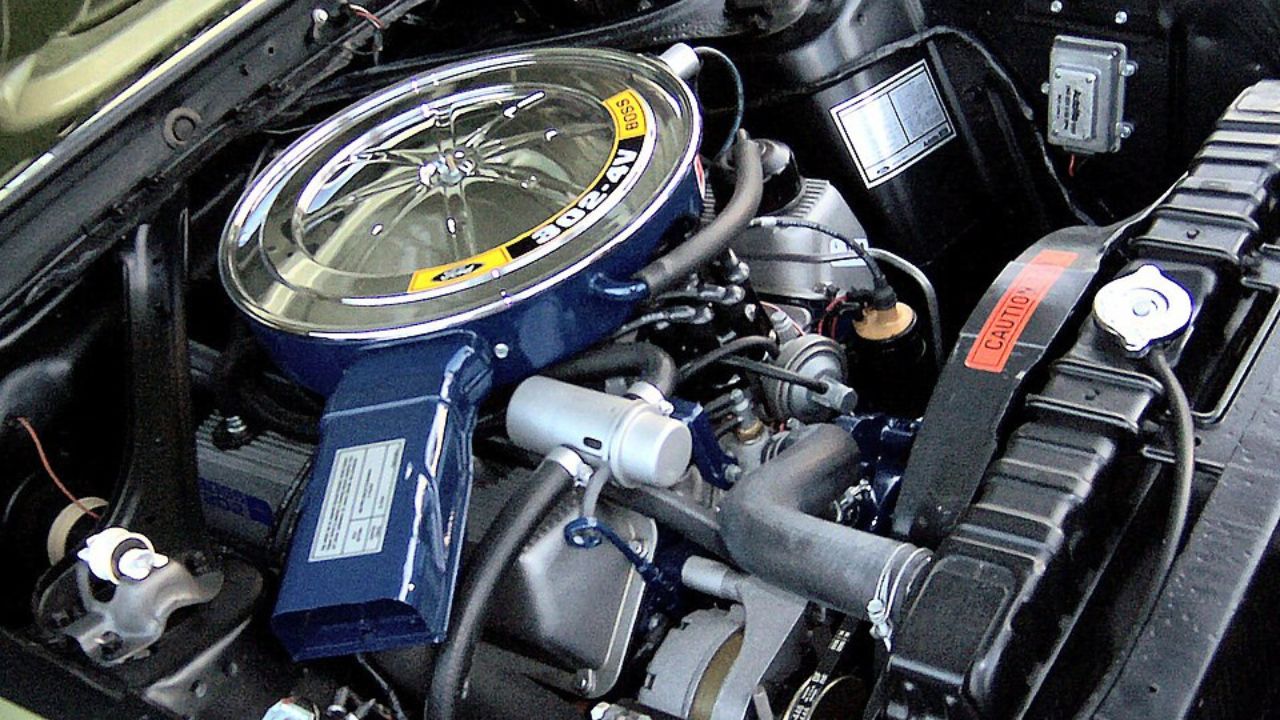
That formula proved unexpectedly flexible. As muscle cars took off, the same basic block evolved into higher-output versions that powered performance legends. Engineers upgraded internals, cylinder heads, and induction, but the core architecture stayed familiar. Over time, the engine gained a new identity as the “5.0,” a badge that would become shorthand for attainable V8 performance.
Regulation could have ended the story early. Emissions and fuel economy rules in the 1970s and 1980s forced brutal power cuts and strangled many large engines out of existence. Instead of walking away, Ford reworked the small-block with cleaner combustion, revised cam profiles, and eventually electronic fuel injection. Power returned, drivability improved, and the engine’s reputation survived a period that killed off several contemporaries.
By the late 1980s and early 1990s, the 5.0 V8 had become a cultural reference point. It powered accessible performance cars that enthusiasts could buy, modify, and race, and it anchored a huge aftermarket of parts and tuning shops. That grassroots ecosystem would help keep the engine relevant long after Ford’s product planners began to look at more advanced designs.
How Ford kept an old-school V8 aligned with new priorities
The real surprise is not that the small-block Ford V8 was successful in its heyday, but that it stayed commercially relevant as technology expectations shifted. Modern customers wanted cleaner emissions, better fuel economy, and higher specific output, and regulators demanded proof. Yet the same basic architecture kept appearing in new vehicles and crate engine catalogs.
Part of the answer lies in how Ford segmented its powertrain strategy. The company invested in overhead-cam modular V8s and later in smaller turbocharged EcoBoost engines for mainstream passenger cars, while the older pushrod design found a second life in trucks and specialty applications. By shifting the small-block away from the center of the lineup, Ford bought time to keep refining it where its strengths mattered most.
Factory-backed performance programs played a role as well. Ford realized that selling engines directly to racers and builders could be a profitable niche. The small-block V8, by then thoroughly understood and widely supported, became an ideal base for crate engines and motorsport packages. That allowed the company to amortize development costs over a much longer period, while enthusiasts benefited from a stable, well-documented platform.
There is a parallel in how Ford has approached hybrid and electric-era performance. In Formula 1, the company’s return as a power unit partner with Red Bull for 2026 has already shifted from a light branding exercise to a deeper technical commitment. Ford is now contributing more to the Red Bull Powertrains project than originally planned, including work on the internal combustion engine, energy recovery systems, and software for the new hybrid unit, according to expanded technical support. That willingness to re-engage at a detailed engineering level mirrors how the company repeatedly revisited its small-block V8 to keep it competitive.
Software and electronics also helped extend the engine’s lifespan. Successive generations of engine management systems allowed finer control of ignition and fuel delivery, which meant cleaner emissions and more precise tuning without redesigning the fundamental hardware. As long as the block could handle the stresses, Ford could keep layering modern controls on top of a familiar foundation.
Why this long-lived V8 still matters in 2026
The small-block Ford V8 is no longer the centerpiece of Ford’s showroom strategy, yet its influence is everywhere. Classic and late-model cars that used this engine remain popular in used markets and auctions, which sustains a large ecosystem of parts suppliers, machine shops, and tuners. For many independent businesses, the ongoing demand for 5.0 rebuilds and upgrades is a key revenue stream.
For Ford, the legacy of this engine shows up in brand identity. The company’s modern performance cars, including V8-powered sports models, trade on a reputation built in part by decades of small-block-powered vehicles. Even when the hardware has moved on to more advanced designs, the idea of a compact, rev-happy Ford V8 with strong aftermarket support traces directly back to this earlier architecture.
The engine’s longevity also shapes how enthusiasts think about sustainability and durability in a transition period. While new vehicles increasingly use hybrid or fully electric powertrains, existing fleets will stay on the road for years. Owners of older Ford V8 cars are experimenting with cleaner fuels, modern catalytic converters, and electronic management upgrades to reduce emissions without scrapping vehicles. That approach treats the small-block not as disposable hardware, but as a long-term asset that can be updated.
There is a cultural dimension as well. The 5.0 badge, in particular, carries a kind of shorthand in car communities. It signals a certain balance of power, affordability, and tuneability that newer engines are still measured against. For younger enthusiasts who grew up hearing about these cars from parents or online videos, building or buying a small-block-powered project car is a way to connect with that history even as new performance benchmarks arrive from turbocharged fours or electric motors.
Lessons for Ford’s next generation of performance powertrains
As Ford invests heavily in electrification and hybrid racing programs, the story of its long-lasting V8 offers several lessons. One is the value of designing hardware that can be incrementally improved. The small-block’s basic dimensions and structure proved flexible enough to accept better heads, stronger internals, and modern fuel injection. For electric platforms, that principle translates into modular battery packs, upgradable inverters, and software architectures that can evolve over time.
Another lesson is that enthusiast ecosystems take years to build but can sustain a product long after its original sales peak. If Ford wants its upcoming electric performance cars to enjoy similar longevity, it will need to support open tuning tools, motorsport programs, and parts availability in a way that encourages experimentation rather than locks it down. The small-block V8 thrived because builders could tear it apart, understand it, and put it back together better.
Ford’s deeper involvement in hybrid Formula 1 power units suggests that the company understands this continuity. By contributing to both combustion and electric elements of the Red Bull package, Ford engineers are working in an environment where efficiency, energy recovery, and durability are equally important. The knowledge gained there can filter into road-going hybrid and electric systems, just as past racing programs informed improvements to the small-block and its successors.
Looking ahead, the small-block V8 will gradually shift from living technology to rolling heritage. As emissions rules tighten and cities restrict older combustion engines, its day-to-day role will shrink. Yet its impact on Ford’s engineering culture and performance image will persist. The engine showed that a modest, cost-conscious design could, with enough care and adaptation, stay relevant far longer than the spec sheet predicted.
For Ford’s future powertrains, from advanced EcoBoost hybrids to all-electric platforms, the benchmark is no longer just raw power. It is staying power. If the next generation of hardware can inspire the same loyalty, spawn its own tuning culture, and remain adaptable through multiple regulatory eras, it will have matched the unlikely endurance of the small-block Ford V8.
More from Fast Lane Only
- Unboxing the WWII Jeep in a Crate
- 15 rare Chevys collectors are quietly buying
- 10 underrated V8s still worth hunting down
- Police notice this before you even roll window down
*Research for this article included AI assistance, with all final content reviewed by human editors