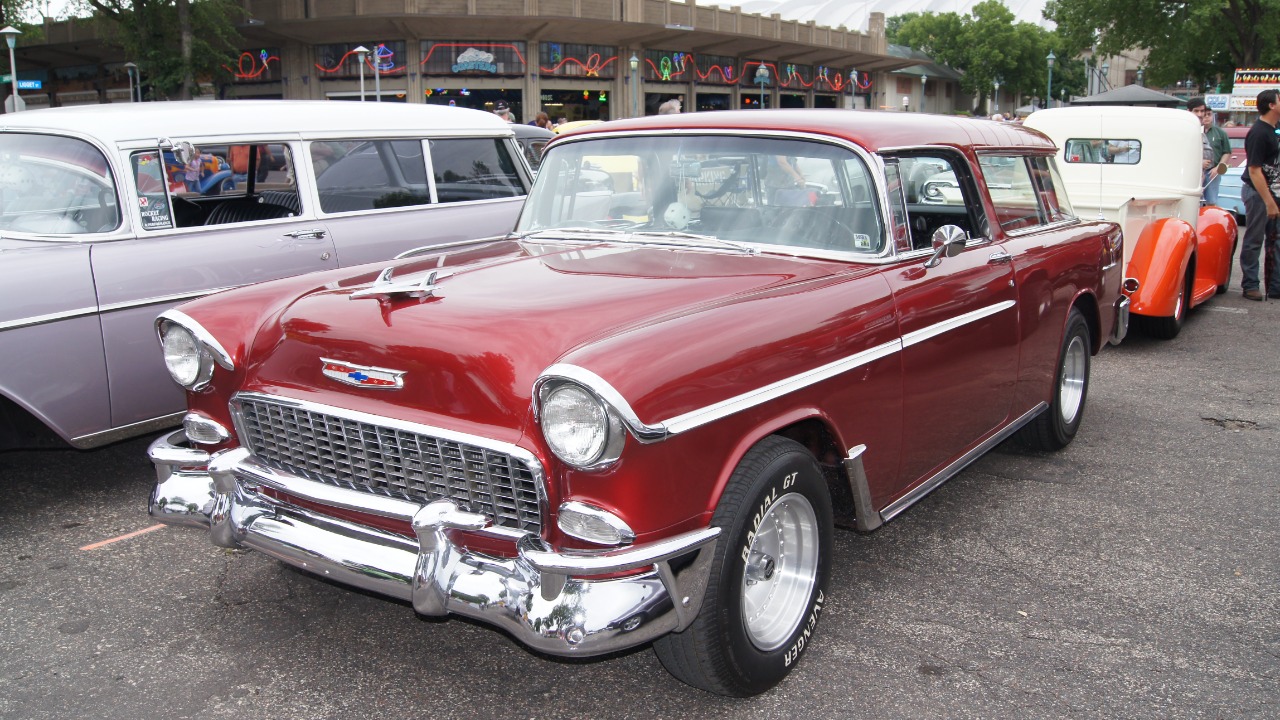
The 1950s were a transformative decade for Chevrolet. The brand introduced new technologies, bold styling, and performance innovations that reshaped the American automotive market. Buyers began expecting more power, comfort, convenience, and style from their vehicles. These Chevrolet models helped establish new standards and influenced what consumers would demand from cars for decades to come.
Chevrolet Bel Air (1955)
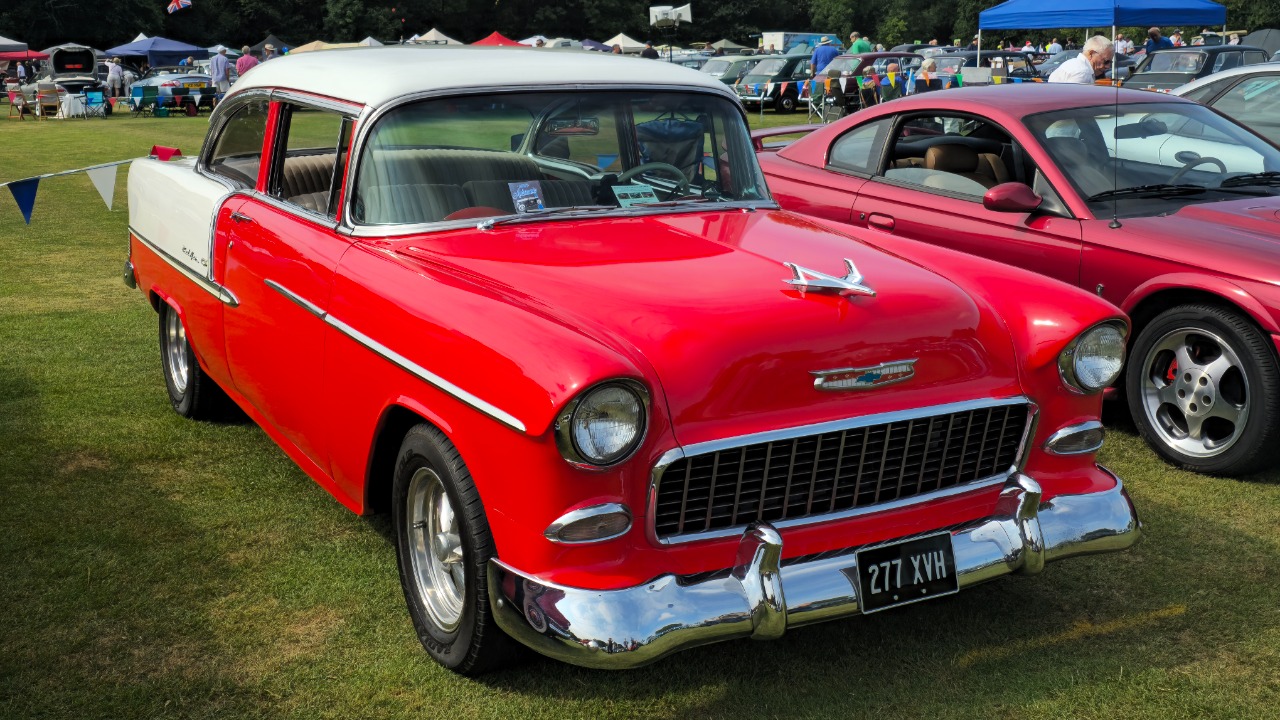
The Chevrolet Bel Air transformed Chevrolet’s image almost overnight. Its clean styling, modern chassis, and introduction of the legendary small-block V8 gave buyers a combination of performance and attractiveness rarely seen at its price point. Mechanics appreciated the simplicity and durability of the new engine design. The 1955 Bel Air showed buyers that an affordable family car could also be stylish, powerful, and exciting to drive.
Chevrolet Nomad
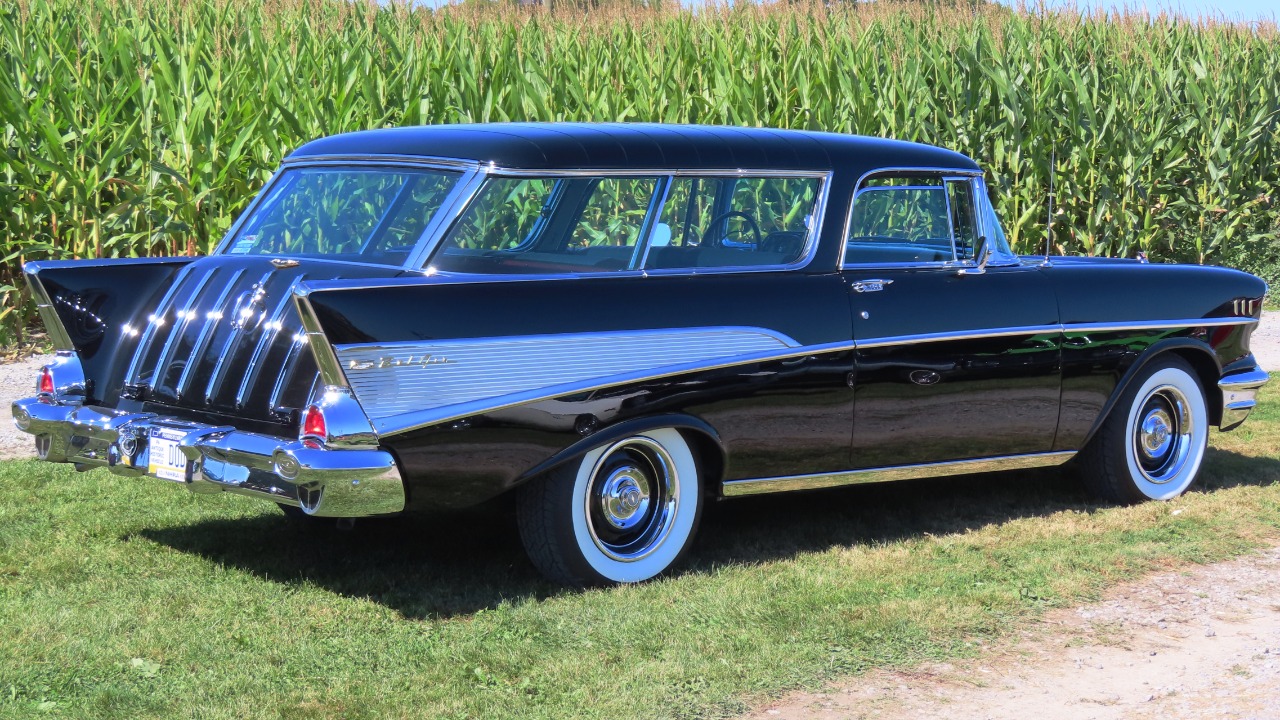
The Chevrolet Nomad challenged expectations by turning the traditionally practical station wagon into a desirable lifestyle vehicle. Its distinctive roofline and upscale trim made it stand out from ordinary family transportation. Mechanics respected its shared components with other Chevrolet models, which simplified maintenance. The Nomad demonstrated that utility vehicles could offer style and prestige, helping influence future generations of wagons and family-oriented vehicles.
Chevrolet Corvette (1956)
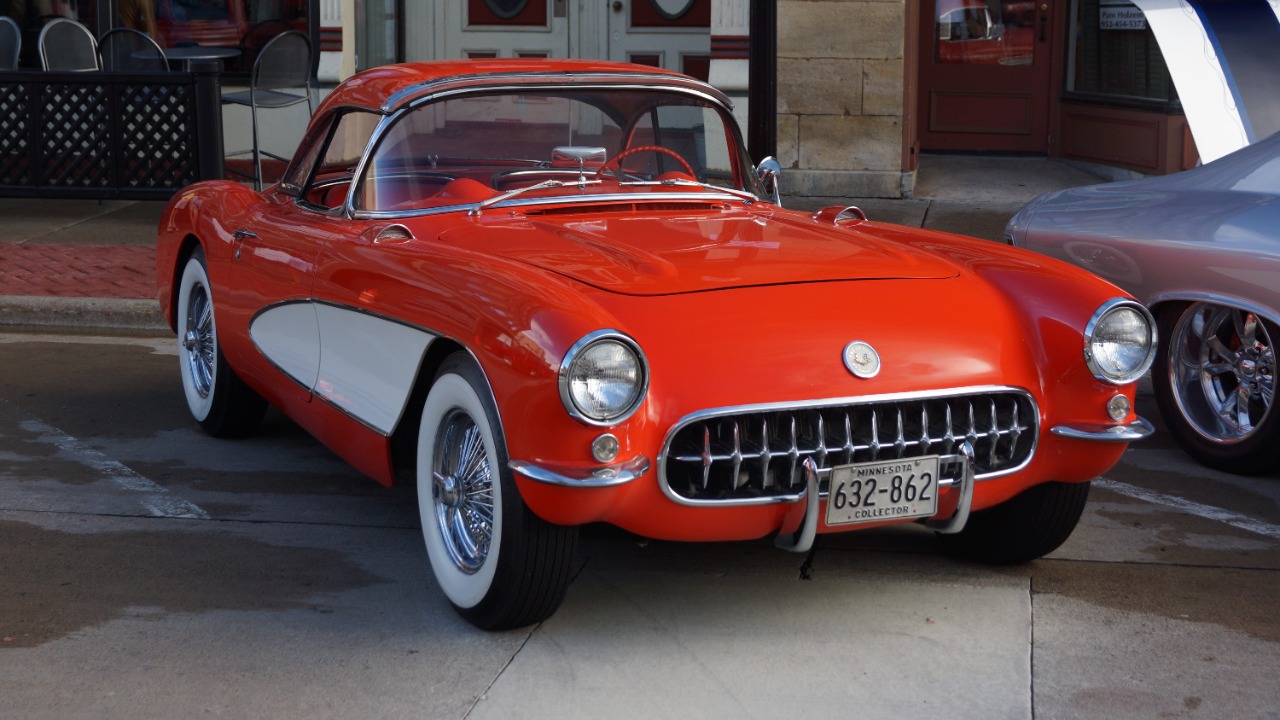
The Chevrolet Corvette helped establish the idea that America could build a true sports car capable of competing with imported alternatives. Improvements for 1956 included better styling, roll-up windows, and available V8 power. Mechanics admired its lightweight fiberglass body and growing performance potential. The Corvette changed expectations by showing buyers that Chevrolet could produce a vehicle focused primarily on driving enjoyment rather than practicality.
Chevrolet Two-Ten V8
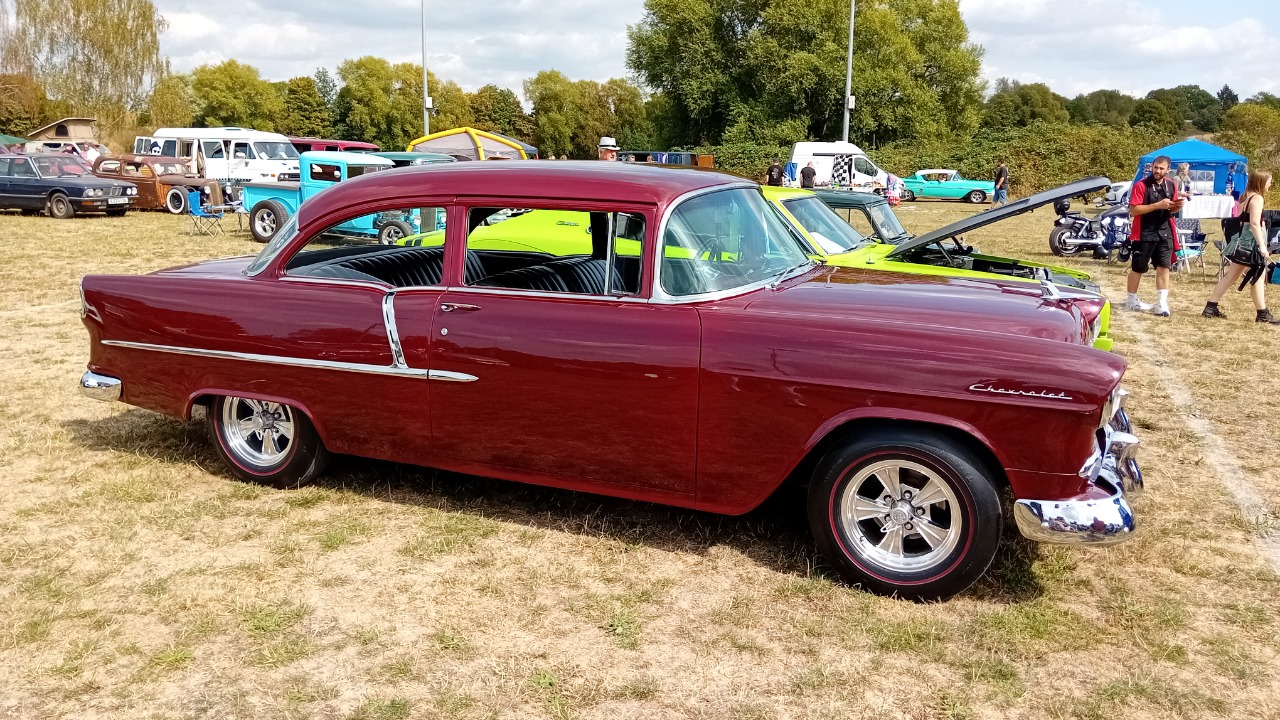
The Chevrolet Two-Ten proved that advanced V8 performance was not limited to premium trim levels. Buyers could enjoy strong acceleration and dependable engineering without paying for the most luxurious model in the lineup. Mechanics appreciated the durability and ease of service provided by Chevrolet’s new small-block engine. The Two-Ten helped redefine expectations by making genuine V8 performance accessible to a much broader range of customers.
Chevrolet Impala (1958)
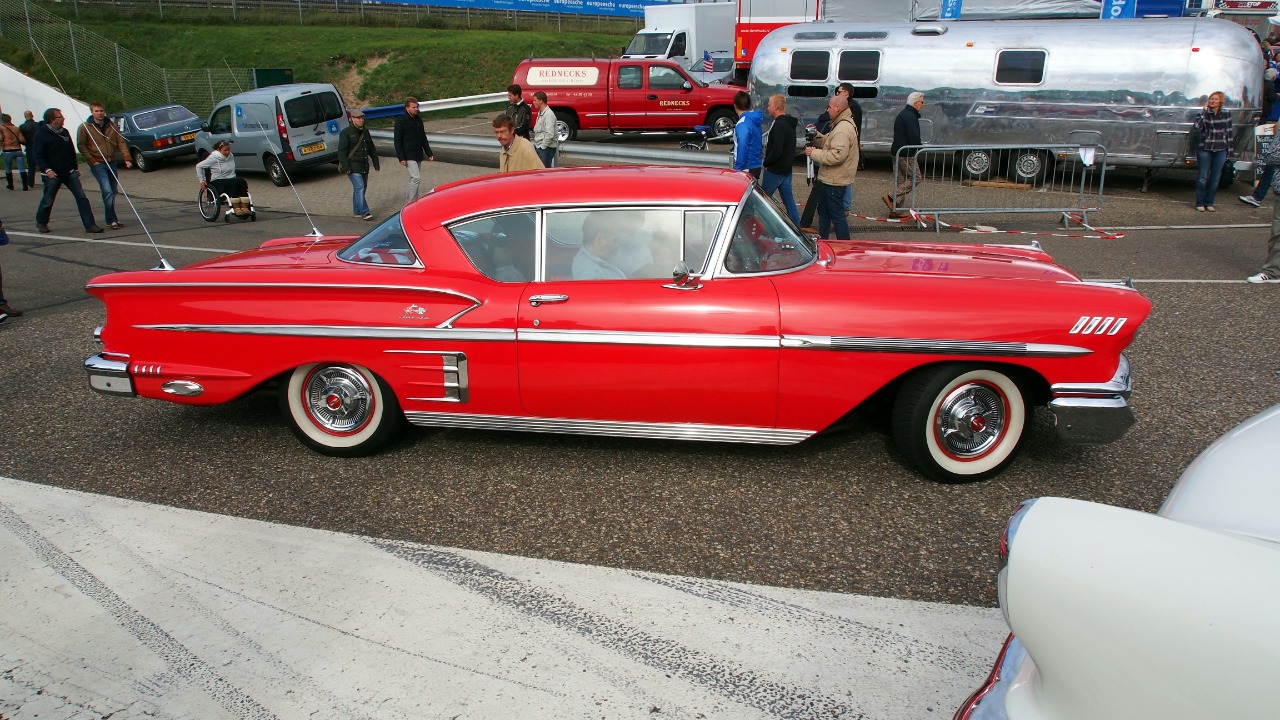
The Chevrolet Impala introduced a new level of style and prestige within Chevrolet’s lineup. Its dramatic tailfins, upscale interior, and premium features attracted buyers seeking luxury without moving to more expensive brands. Mechanics respected its robust construction and available V8 options. The Impala raised expectations by proving that a mainstream Chevrolet could deliver comfort, appearance, and status previously associated with higher-priced automobiles.
Chevrolet Delray
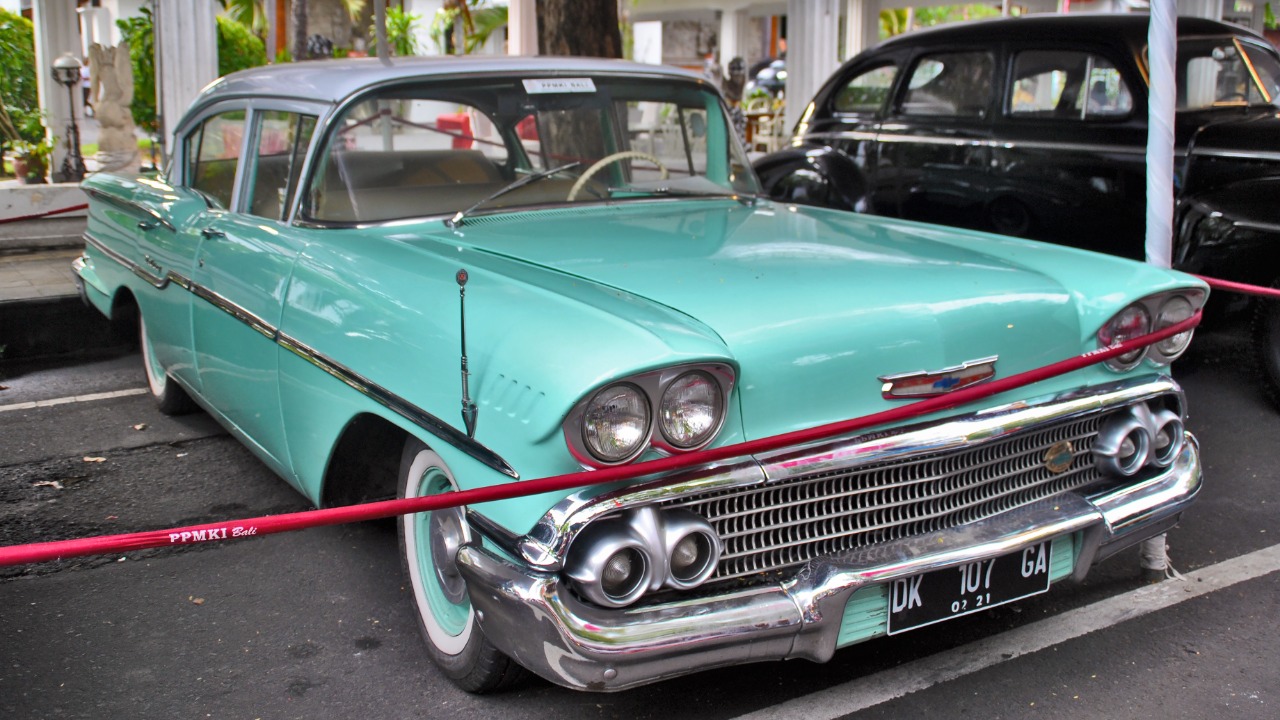
The Chevrolet Delray offered buyers an affordable vehicle without feeling stripped of character or quality. Its attractive styling and availability of modern mechanical features made it competitive with more expensive alternatives. Mechanics appreciated its straightforward engineering and low operating costs. The Delray changed expectations by demonstrating that budget-conscious buyers no longer had to sacrifice appearance and dependability to obtain affordable transportation.
Chevrolet Brookwood
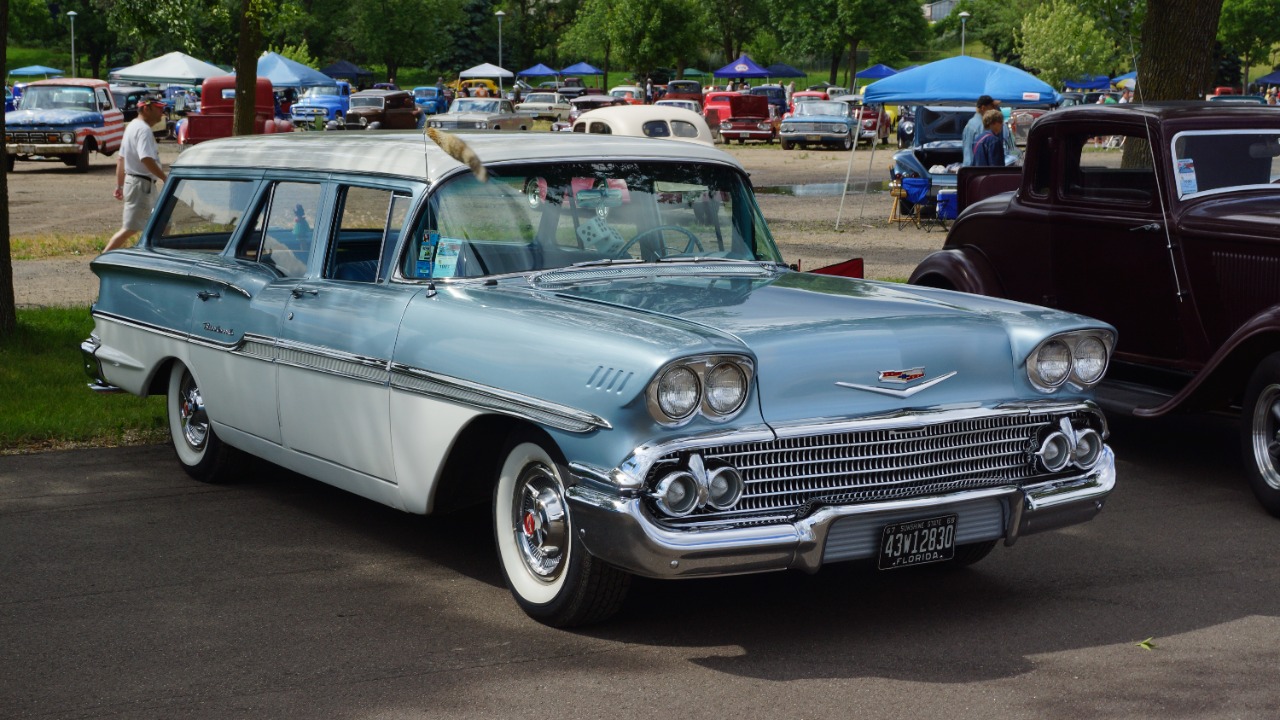
The Chevrolet Brookwood helped expand expectations for family vehicles by offering substantial passenger and cargo space while maintaining attractive styling. It served growing suburban households that needed versatility without abandoning comfort. Mechanics valued its durable drivetrains and practical design. The Brookwood showed buyers that station wagons could become essential lifestyle vehicles rather than simply commercial or utility-oriented transportation solutions.
Chevrolet Biscayne
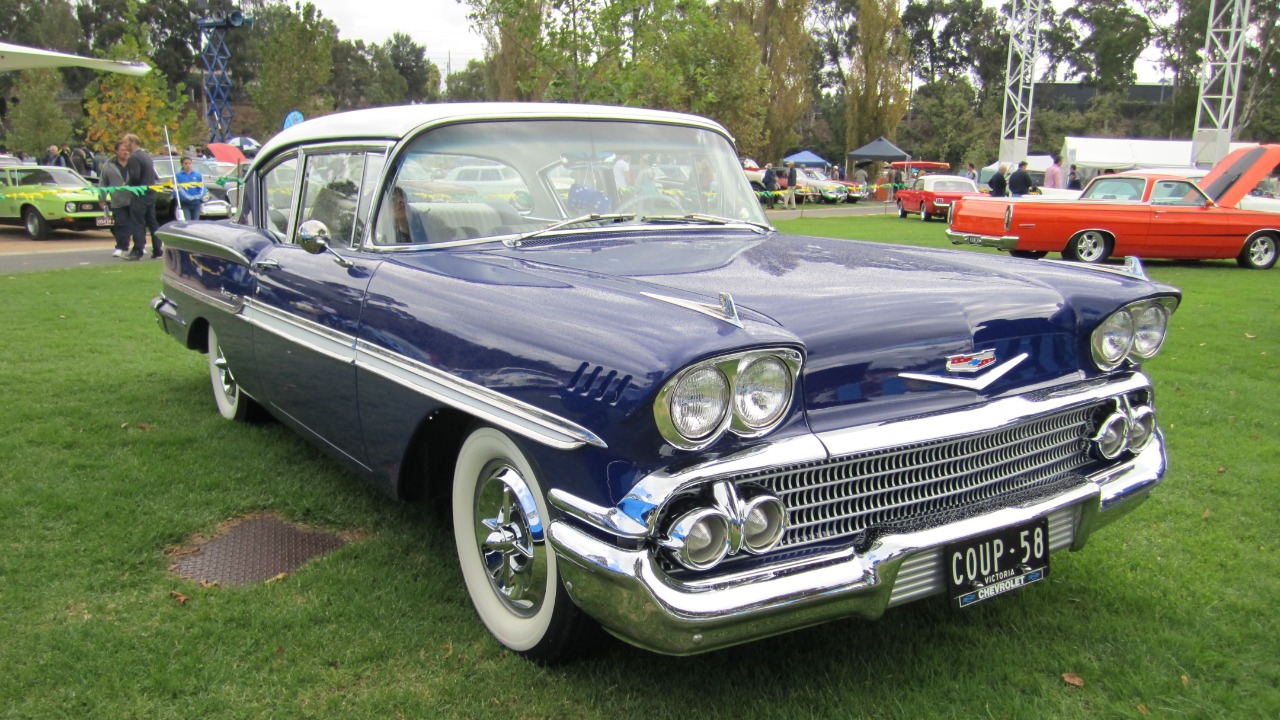
The Chevrolet Biscayne emphasized value and practicality while still benefiting from Chevrolet’s modern engineering advancements. Buyers appreciated receiving many of the same mechanical improvements found in higher trim levels. Mechanics admired its simplicity and reliability. The Biscayne changed expectations because it reinforced the idea that dependable transportation could include contemporary styling, solid performance, and long-term durability without requiring a premium price.
Chevrolet Yeoman
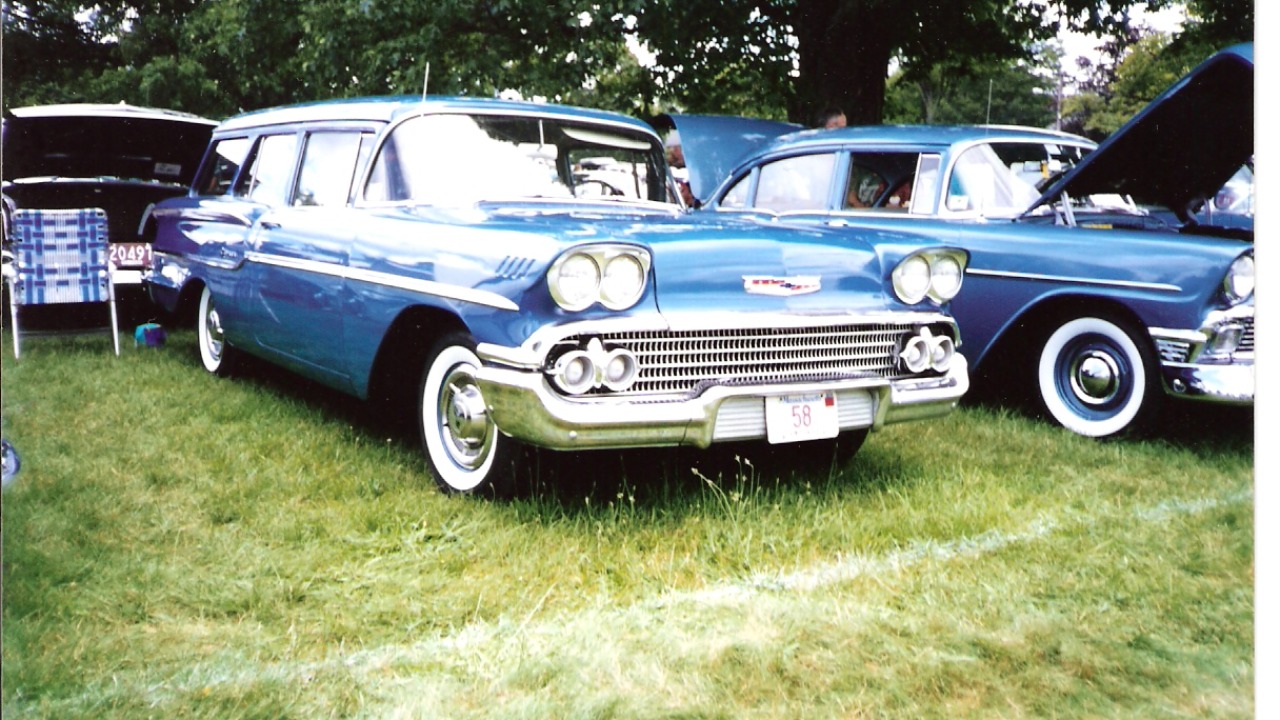
The Chevrolet Yeoman provided affordable family transportation at a time when demand for versatile vehicles was rapidly growing. Despite its lower price, it still offered attractive styling and dependable Chevrolet engineering. Mechanics appreciated its shared parts and straightforward maintenance requirements. The Yeoman helped redefine expectations by proving that practical family vehicles could remain accessible to average buyers while still delivering comfort and modern features.
Chevrolet Apache
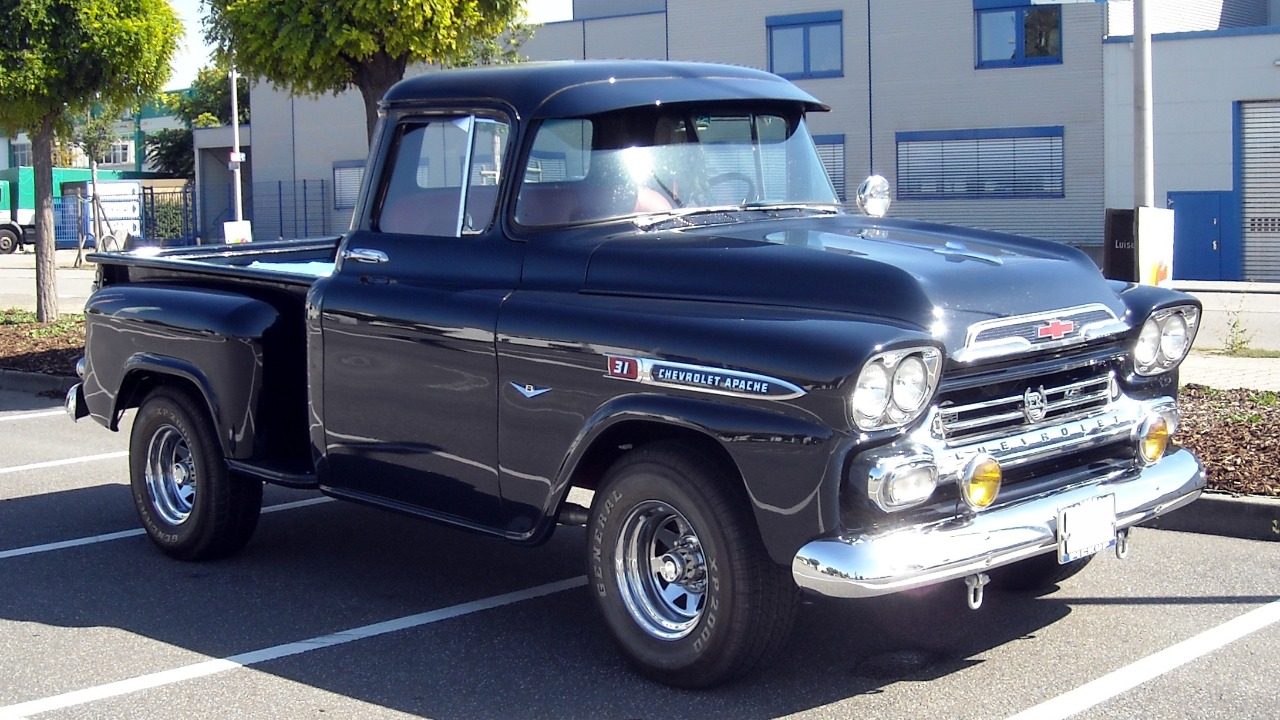
The Chevrolet Apache helped transform pickup trucks from purely work-focused machines into vehicles suitable for everyday personal use. Improved styling, comfort, and drivability broadened its appeal beyond farmers and tradespeople. Mechanics respected its rugged construction and dependable engines. The Apache changed buyer expectations by demonstrating that a truck could serve both practical and personal transportation roles, a concept that would eventually reshape the entire pickup market.
More from Fast Lane Only
- Unboxing the WWII Jeep in a Crate
- 15 rare Chevys collectors are quietly buying
- 10 underrated V8s still worth hunting down
- Police notice this before you even roll window down
*Research for this article included AI assistance, with all final content reviewed by human editors