Push-button transmissions look strange by today’s standards—more like something from a retro sci-fi dashboard than a practical driving control. Yet for a brief period in automotive history, several manufacturers seriously used them in production cars. What makes the story interesting is that this wasn’t just a styling experiment. Push-button gear selectors were the result of engineering goals, marketing battles, and a very specific moment in automotive design thinking that eventually disappeared almost completely.
Mechanics and historians often point out that the idea wasn’t inherently flawed. Instead, it was overtaken by changing expectations about safety, standardization, and driver behavior.
The Chrysler system that made push-buttons famous
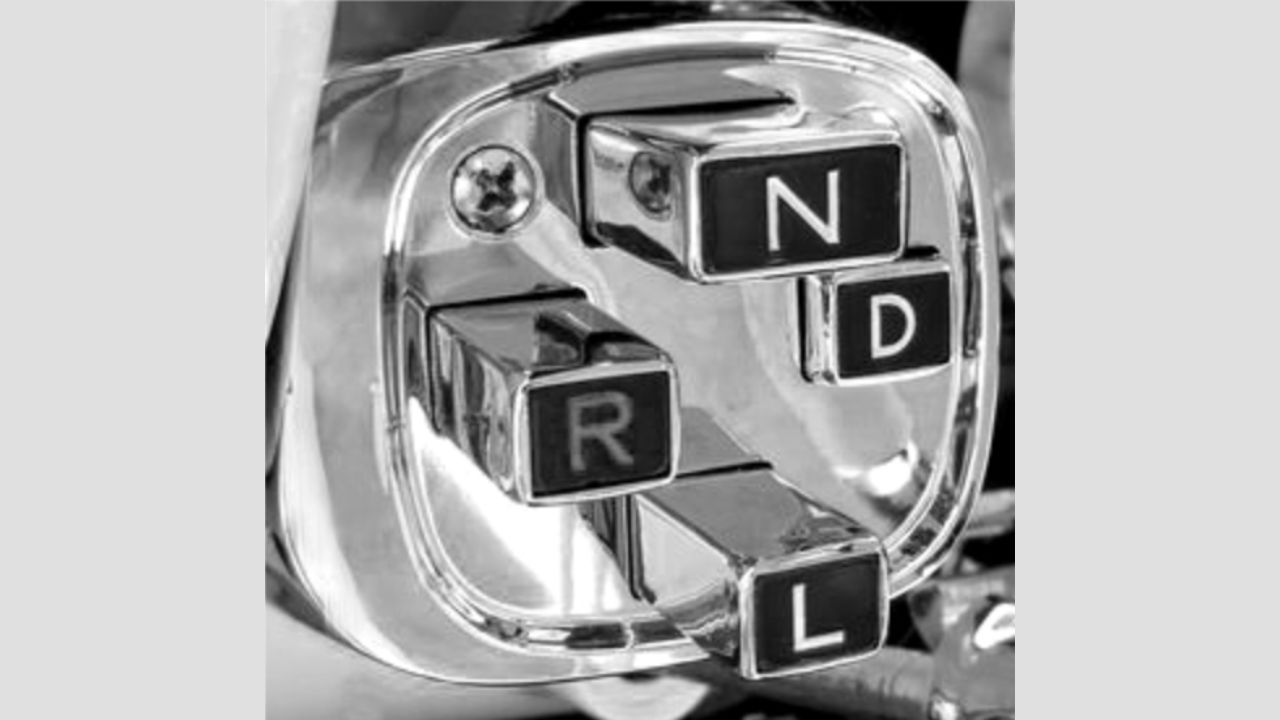
The most well-known push-button transmission system came from Chrysler in the late 1950s and early 1960s. Instead of a traditional gear lever, drivers selected Park, Reverse, Neutral, Drive, and Low using a set of dashboard buttons.
This system was connected to Chrysler’s TorqueFlite automatic transmission, one of the most durable and respected automatics of its time. Mechanically, the transmission itself was not the problem—the control method was.
The buttons operated a mechanical linkage (and later a cable system), meaning gear selection still physically engaged the transmission in a conventional way. The innovation was in how the driver interacted with it.
The real reason push-buttons were introduced: space and design freedom
One of the biggest motivations behind push-button transmissions was packaging and interior design flexibility.
By removing the traditional column shifter or floor-mounted gear lever, designers gained a completely open center area and a cleaner dashboard layout. This allowed for more futuristic interiors, larger bench seats, and a more aircraft-like driving experience.
During the late 1950s, the automotive industry was heavily influenced by aviation and space-age design trends. Push-buttons fit perfectly into that aesthetic direction.
Marketing played a much bigger role than mechanics
While engineering made push-buttons possible, marketing is what pushed them into production.
Car manufacturers were in an intense competition to make automatic transmissions feel modern and advanced. At the time, automatics themselves were still relatively new to many buyers, and push-buttons reinforced the idea that driving was entering a futuristic era.
The button layout looked advanced, unique, and different from competitors. In showrooms, that mattered as much as mechanical practicality.
Why drivers initially liked them
Early drivers appreciated push-button systems for their simplicity and novelty. Gear selection became a direct, deliberate action rather than moving a lever through a gate pattern.
Some also liked the fact that the system freed up space between the seats and made the cabin feel more open.
For a period, it genuinely felt like a step forward in convenience and design innovation.
The safety concerns that slowly ended the idea
Despite the futuristic appeal, push-button transmissions raised concerns over time.
One issue was driver familiarity. As other manufacturers standardized the column shifter pattern, drivers began expecting a consistent layout across all vehicles. Push-button systems broke that expectation, which increased the risk of confusion when switching between cars.
Another concern involved accidental engagement. While rare in properly maintained systems, critics worried about the possibility of selecting the wrong gear if buttons were pressed unintentionally.
As safety regulations evolved, simplicity and standardization became more important than novelty.
Maintenance complexity also played a role
From a mechanic’s perspective, push-button systems added an extra layer of mechanical or electromechanical complexity to what could otherwise be a straightforward linkage system.
Although Chrysler’s systems were generally robust, additional cables, switches, or actuators meant more potential points of failure compared to a traditional shifter.
As the industry moved toward long-term reliability and easier serviceability, simpler mechanical layouts became more attractive again.
The shift back to floor and column shifters
By the late 1960s, most manufacturers had returned to more conventional gear selectors. Floor shifters and column-mounted levers were easier to standardize, cheaper to produce, and more universally understood by drivers.
This shift wasn’t a rejection of innovation, but a consolidation around what worked best across different brands and markets.
Over time, the push-button idea faded almost completely from mainstream vehicles.
Why some modern cars brought the idea back
Interestingly, push-button or electronic gear selectors have made a partial comeback in modern vehicles—but in a very different form.
Instead of mechanical linkages, today’s systems often use electronic shift-by-wire technology. Buttons, toggles, or rotary dials now send electronic signals to the transmission control unit rather than physically moving gears.
Luxury and electric vehicles use these systems to save space and enable more flexible interior design, echoing the original motivation from decades ago.
The hidden engineering trade-off
The original push-button systems reveal a common pattern in automotive history: innovation often comes with trade-offs between style, usability, and long-term practicality.
Chrysler’s system worked well mechanically, but it existed in a period when the industry had not yet settled on standardized driver controls. Once standardization became a priority, the system’s uniqueness became a disadvantage rather than a benefit.
Why mechanics still remember them
Mechanics who worked on older Chrysler vehicles often recall push-button systems as reliable but unfamiliar compared to traditional shifters. Diagnosing issues required understanding a control system that was no longer widely used, even though the underlying transmission was familiar.
This separation between “control innovation” and “mechanical reliability” is what makes push-button transmissions such an interesting case study.
A solution that arrived before its time
Push-button transmissions were not a failed idea—they were simply introduced at a moment when the industry was moving in a different direction.
They solved real design problems, aligned with futuristic styling trends, and worked well with the technology of the time. But as safety expectations and standardization took over, the industry prioritized uniformity over experimentation.
Today, they remain a reminder that automotive innovation is not just about engineering capability, but also about timing, culture, and what drivers are willing to adapt to.
More from Fast Lane Only
- Unboxing the WWII Jeep in a Crate
- 15 rare Chevys collectors are quietly buying
- 10 underrated V8s still worth hunting down
- Police notice this before you even roll window down
*Research for this article included AI assistance, with all final content reviewed by human editors