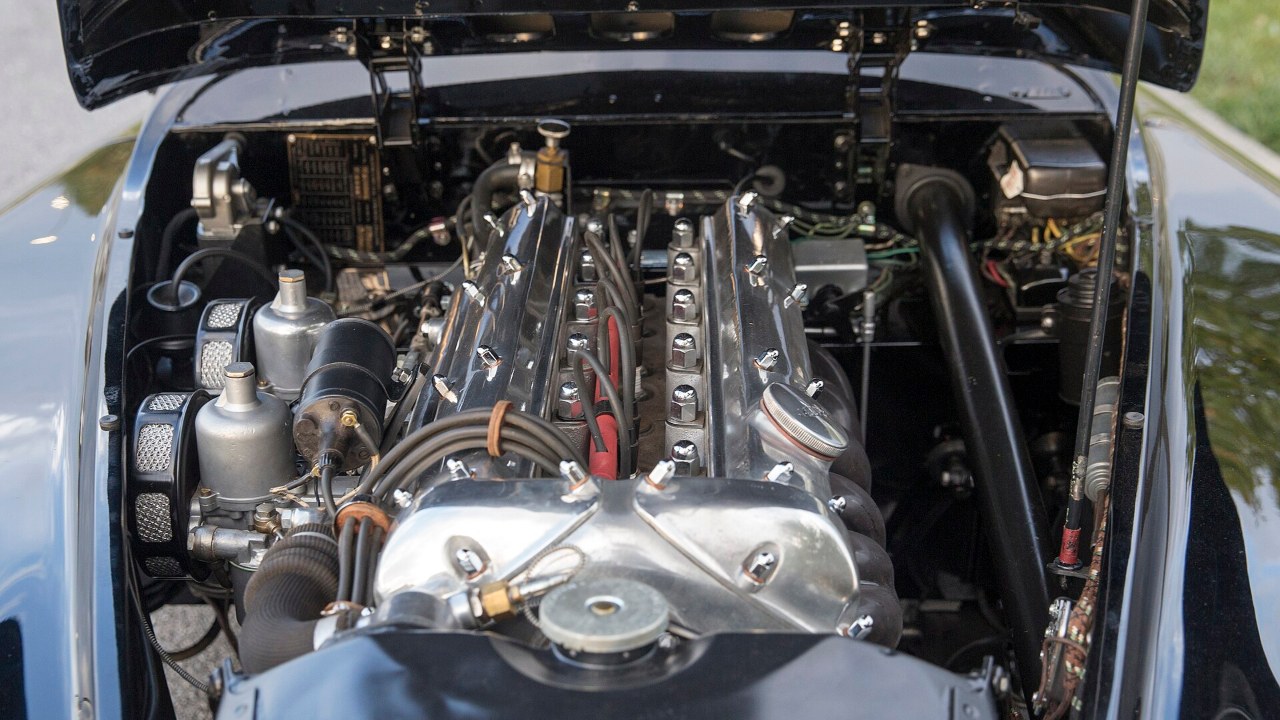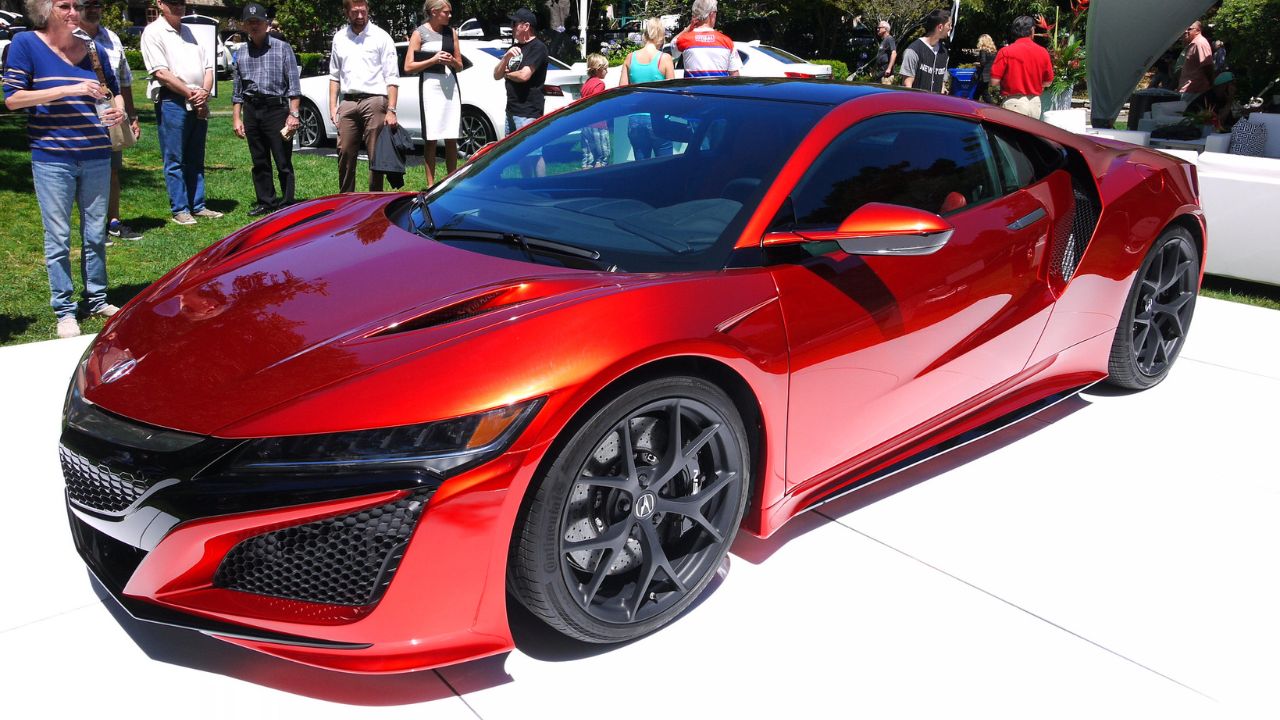
Japanese automakers have long been renowned for their engineering excellence and innovative designs. When it comes to supercars, Japan has produced some breathtaking machines that have rivaled, and often surpassed, their European counterparts. These supercars are not just about speed and performance; they embody unique design philosophies and advanced technologies that set them apart on the global stage.
Nissan GT-R R35
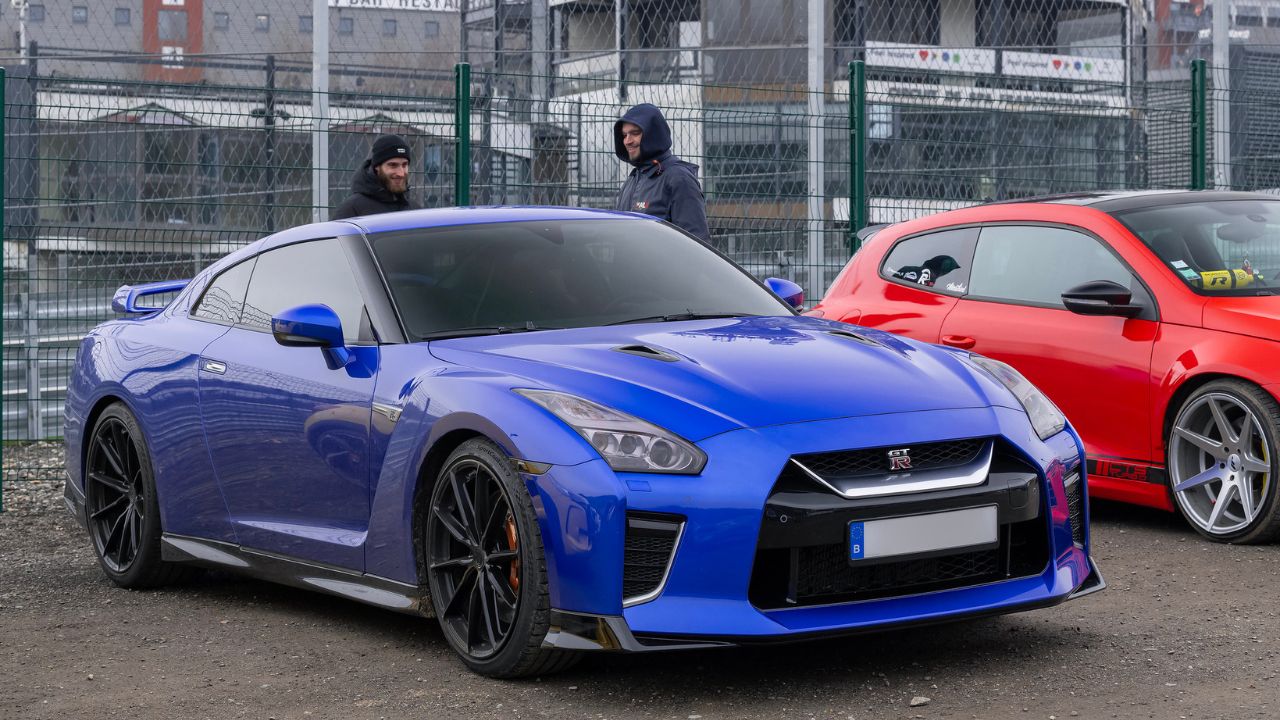
The Nissan GT-R R35, often referred to as “Godzilla,” has been a formidable presence in the supercar world since its debut in 2007. With its twin-turbocharged V6 engine and advanced all-wheel-drive system, the GT-R R35 delivers performance that is both thrilling and accessible. Capable of accelerating from 0 to 60 mph in just 2.7 seconds, it has consistently outperformed many of its European rivals.
What sets the GT-R apart is its relentless pursuit of precision and control. The car’s sophisticated electronics, including a dynamic traction control system, enable it to handle with astounding agility. It’s not just a straight-line missile; it’s a well-rounded machine that can handle the twists and turns of a race track with ease.
Acura NSX
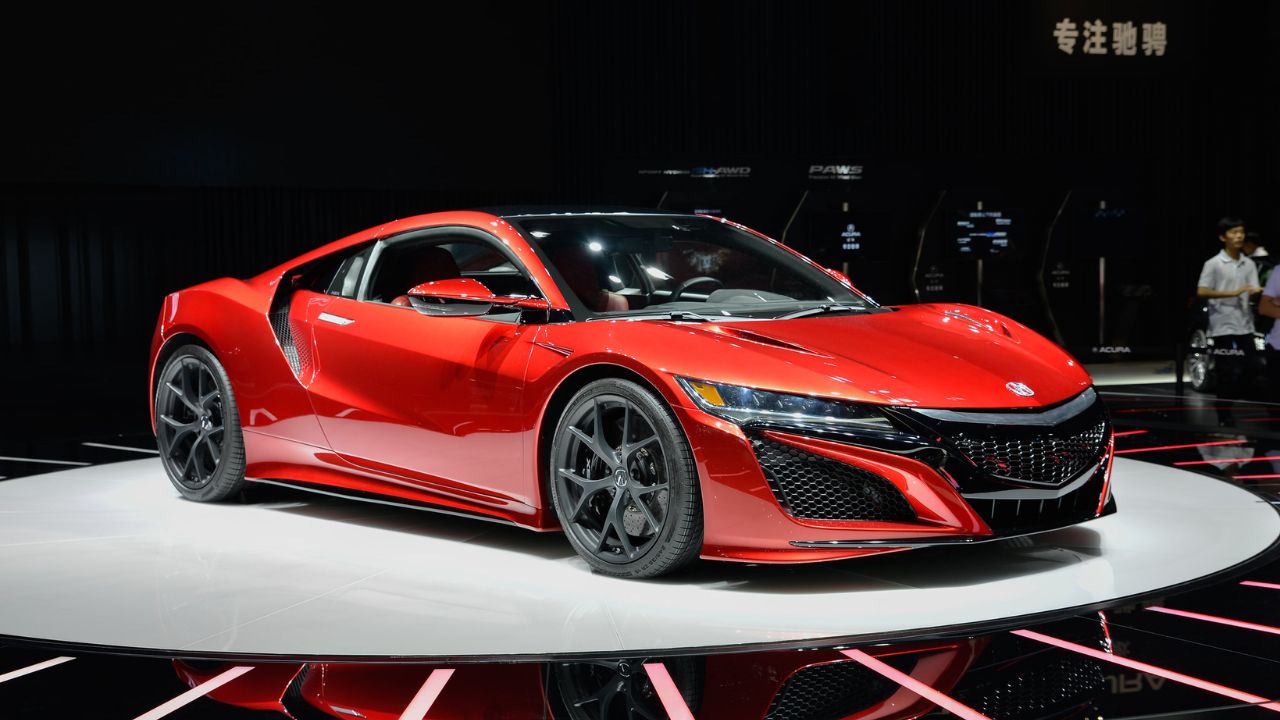
The modern Acura NSX, launched in 2016, is a hybrid supercar that blends performance with everyday usability. Its hybrid powertrain combines a twin-turbocharged V6 engine with three electric motors, producing a total of 573 horsepower. This configuration allows for thrilling acceleration and sharp handling, while also offering a level of efficiency rarely seen in the supercar segment.
One of the NSX’s standout features is its Sport Hybrid Super Handling All-Wheel Drive (SH-AWD) system, which provides exceptional grip and stability. The NSX is a testament to Acura’s ability to integrate cutting-edge technology into a high-performance package without compromising on the driving experience.
Lexus LFA
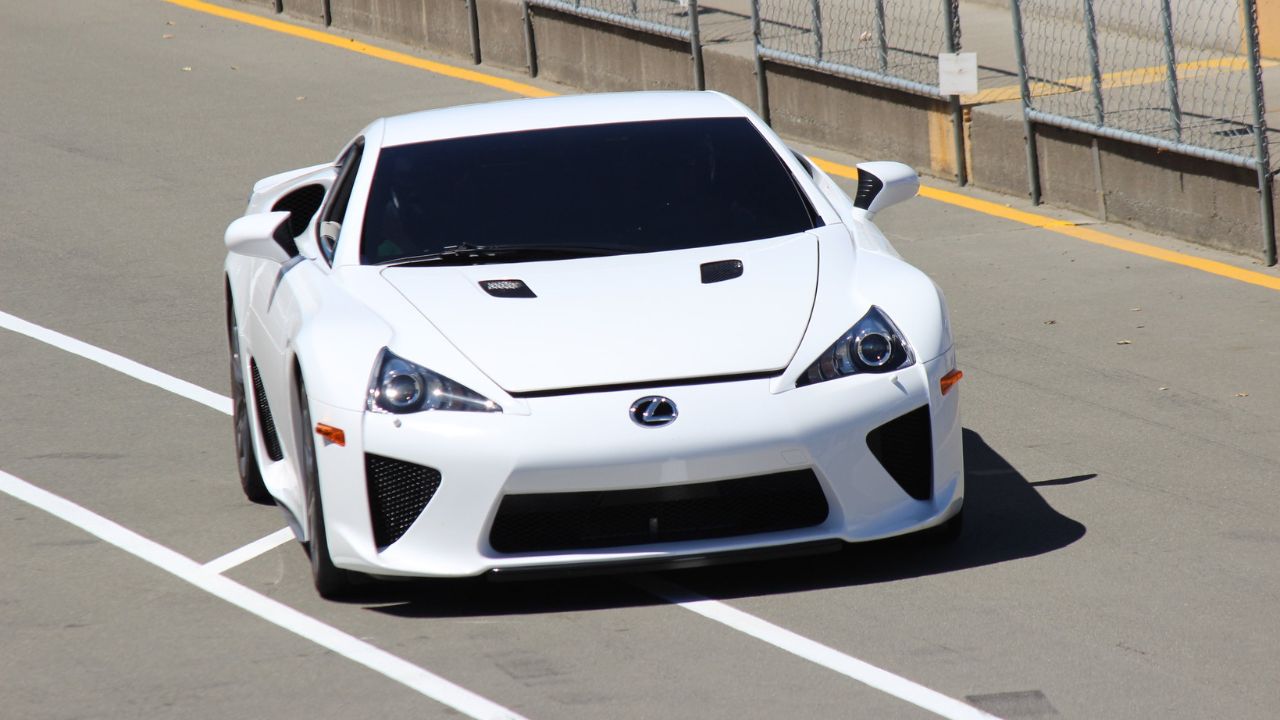
The Lexus LFA is a masterpiece of engineering that took nearly a decade to develop. Launched in 2010, it features a 4.8-liter V10 engine that produces 552 horsepower, capable of revving up to 9,000 RPM. The LFA is known for its incredible sound, often described as a symphony of mechanical excellence, which enhances the driving experience.
With its carbon-fiber-reinforced polymer body, the LFA is both lightweight and incredibly strong. This, combined with its advanced suspension and braking systems, allows it to achieve extraordinary levels of performance and precision. Despite its limited production run, the LFA has cemented its place as one of the most iconic supercars of its era.
Toyota Supra MKIV
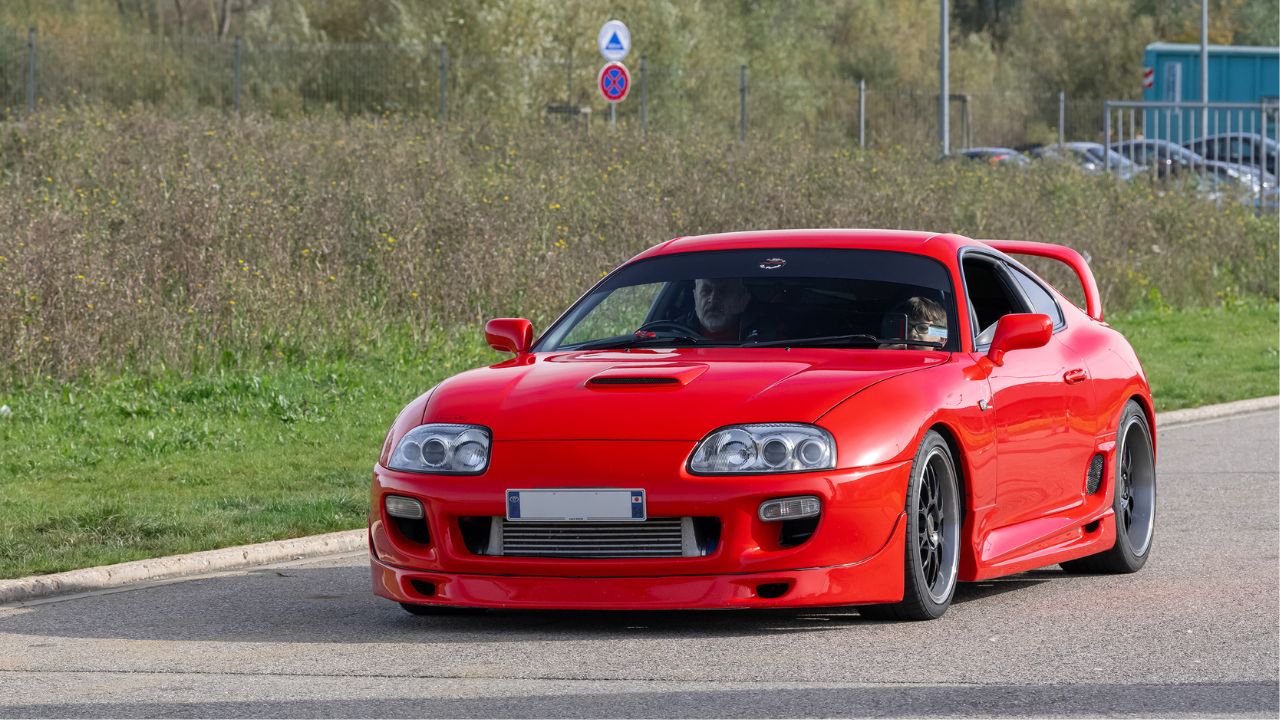
The Toyota Supra MKIV, produced from 1993 to 2002, gained legendary status thanks to its appearance in popular culture and its remarkable tuning potential. Its 2JZ-GTE twin-turbo inline-six engine is renowned for its durability and ability to handle immense power upgrades, making it a favorite among car enthusiasts and tuners worldwide.
With its rear-wheel-drive layout and balanced chassis, the MKIV Supra offered a driving experience that was both thrilling and rewarding. Its blend of performance, reliability, and iconic styling continues to captivate automotive fans, ensuring its place in the pantheon of great Japanese supercars.
Mazda RX-7 FD3S
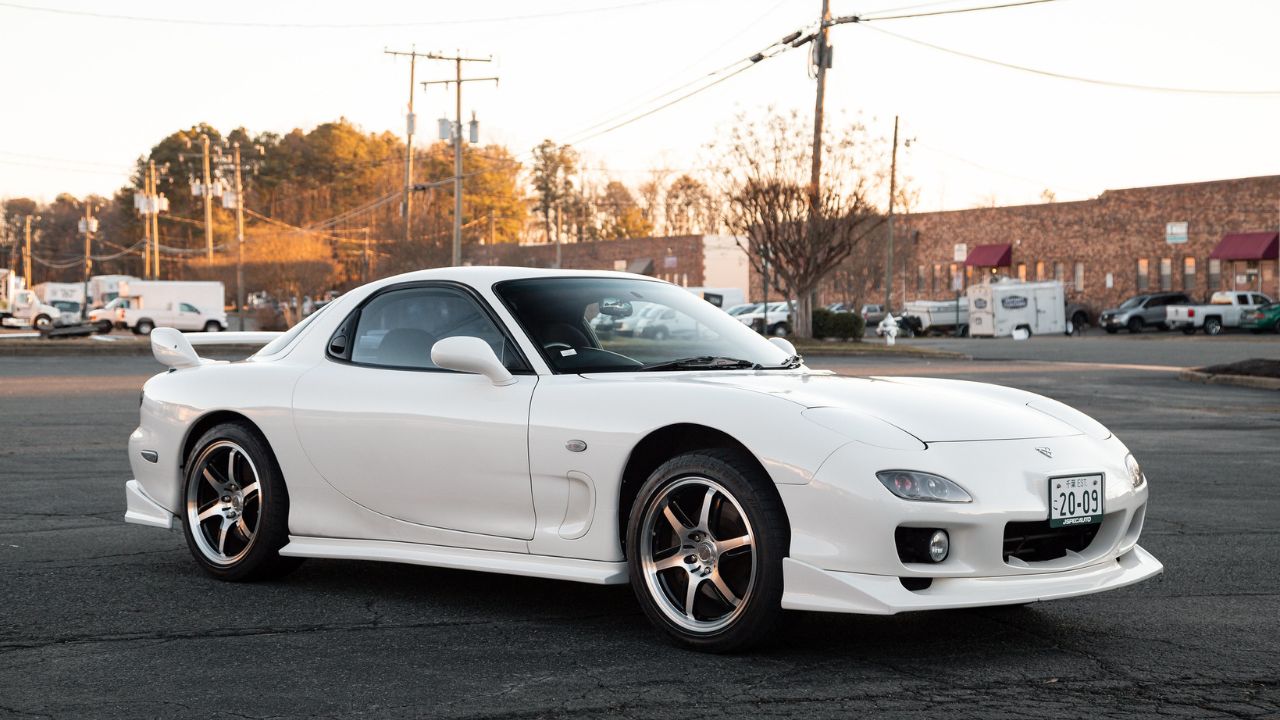
The Mazda RX-7 FD3S, produced from 1992 to 2002, is celebrated for its rotary engine and lightweight design. Its twin-turbocharged 13B-REW rotary engine delivers smooth, linear power, allowing the RX-7 to achieve impressive performance figures. The car’s 50/50 weight distribution and agile handling make it a joy to drive on both road and track.
The RX-7’s distinctive styling and technological innovation have established it as a cult classic. Its unique engine configuration and driving dynamics offer an experience unlike any other, solidifying its reputation as one of Japan’s most cherished automotive creations.
Honda NSX (First Generation)
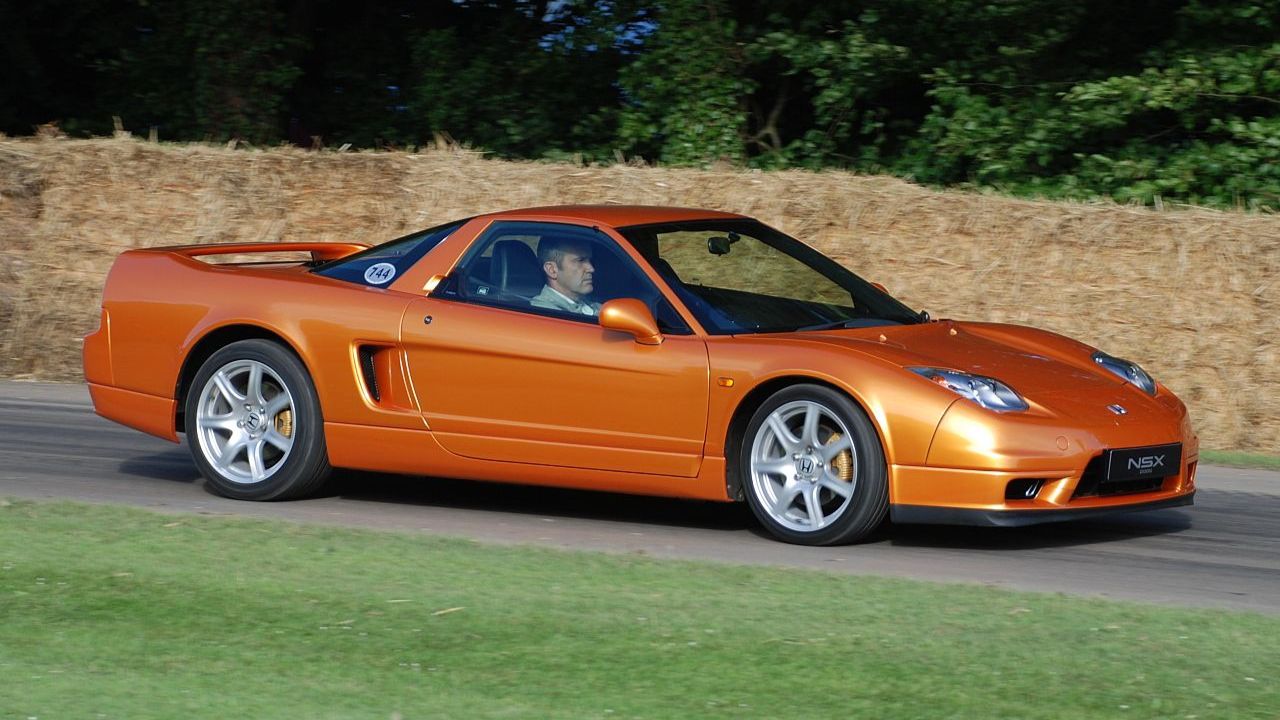
The first-generation Honda NSX, introduced in 1990, revolutionized the supercar market with its combination of performance, reliability, and everyday usability. It featured a mid-mounted 3.0-liter VTEC V6 engine, producing 270 horsepower, and was the first production car to utilize an all-aluminum body, significantly reducing its weight.
Its handling, honed with input from Formula One legend Ayrton Senna, set new standards for balance and precision. The NSX proved that a supercar could be both thrilling and practical, influencing the design of future performance cars globally.
Mitsubishi 3000GT VR-4
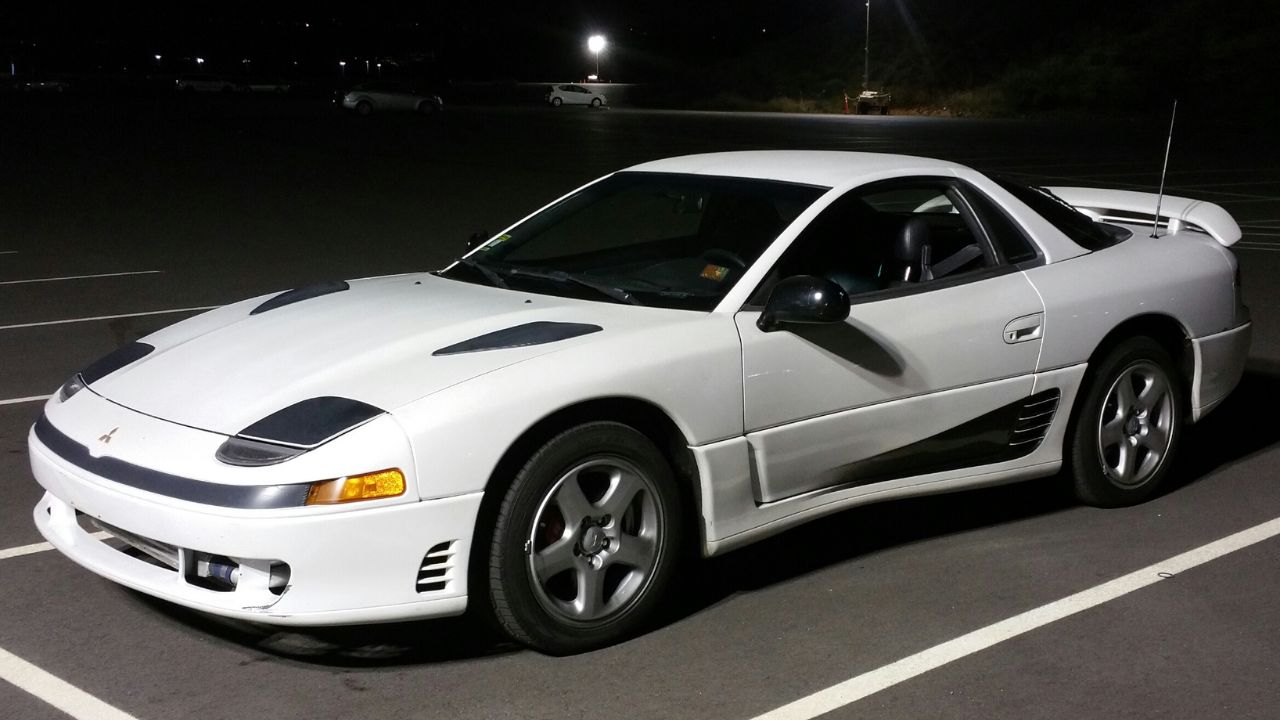
The Mitsubishi 3000GT VR-4, launched in 1990, was packed with advanced technology for its time. Its twin-turbocharged V6 engine, all-wheel-drive system, and active aerodynamics offered a blend of performance and sophistication that was ahead of its era.
The VR-4’s active electronic components, such as adjustable suspension and active aerodynamics, provided exceptional handling and stability. Though it may not have achieved the lasting fame of some of its contemporaries, the 3000GT VR-4 remains a testament to Mitsubishi’s innovative spirit during the 1990s.
Subaru Impreza 22B STI
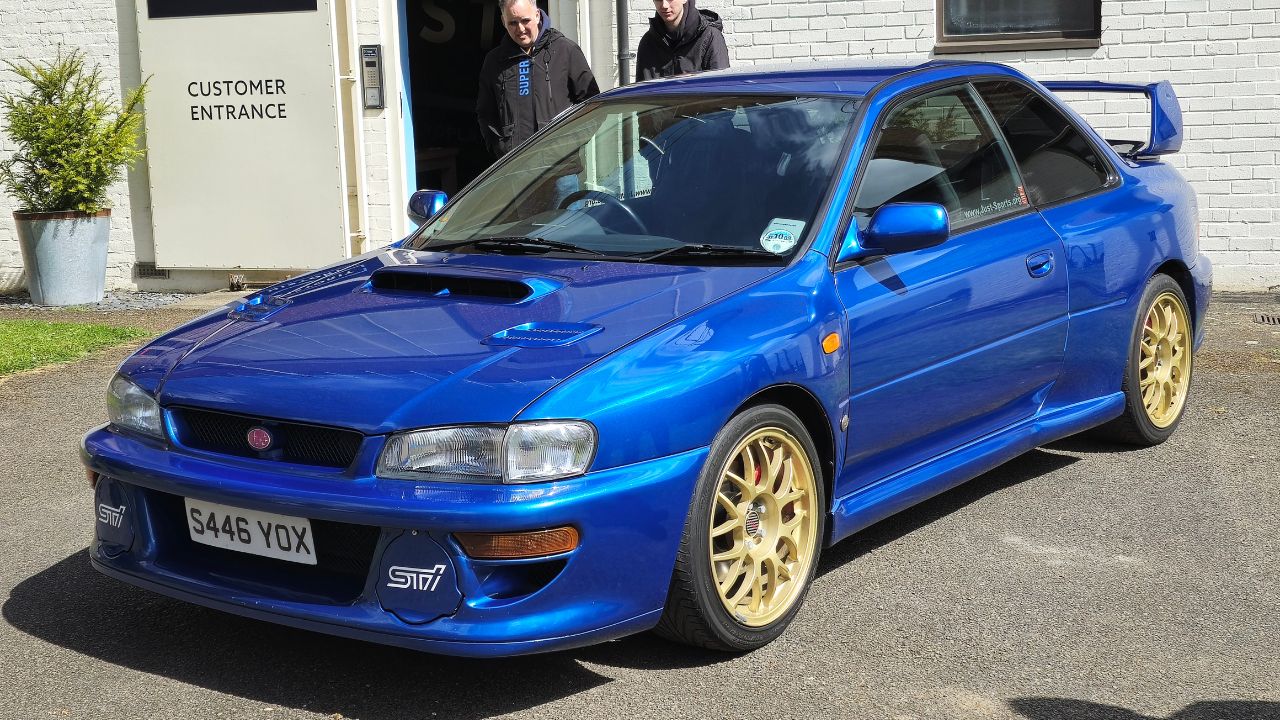
The Subaru Impreza 22B STI, built to commemorate Subaru’s World Rally Championship successes, is one of the rarest and most sought-after Subarus ever made. With only 424 units produced in 1998, it features a 2.2-liter turbocharged engine delivering 276 horsepower, coupled with a rally-bred all-wheel-drive system.
The 22B STI’s iconic wide body and distinctive styling, combined with its exceptional performance, make it a legend among rally and performance car enthusiasts. Its rarity and rally heritage ensure that it holds a special place in automotive history.
Nissan Skyline GT-R R34
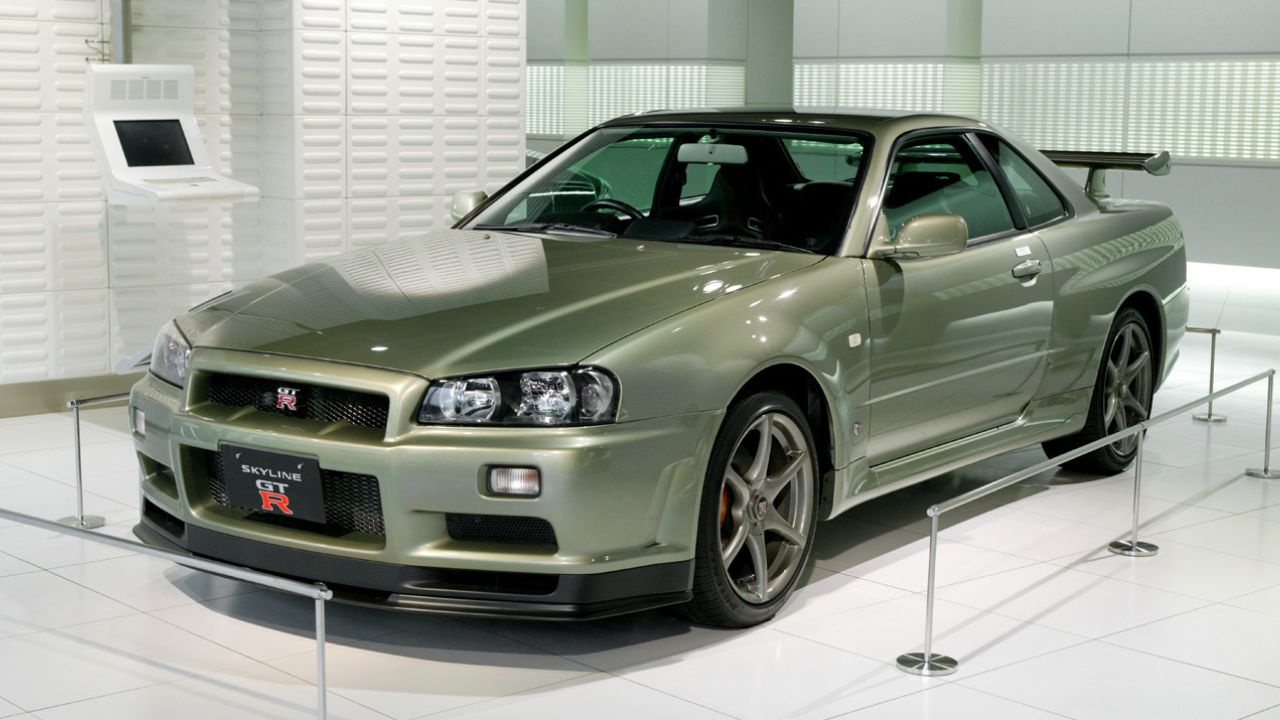
The Nissan Skyline GT-R R34, produced from 1999 to 2002, is celebrated for its advanced technology and performance capabilities. Its RB26DETT twin-turbo inline-six engine, combined with the ATTESA E-TS all-wheel-drive system and Super-HICAS four-wheel steering, provided unmatched control and agility.
The R34’s on-board multifunction display, which provided real-time data on the car’s performance, was revolutionary for its time. Its presence in popular media, particularly in video games and movies, has further cemented its status as an icon of Japanese automotive engineering.
Toyota GR Supra (A90)
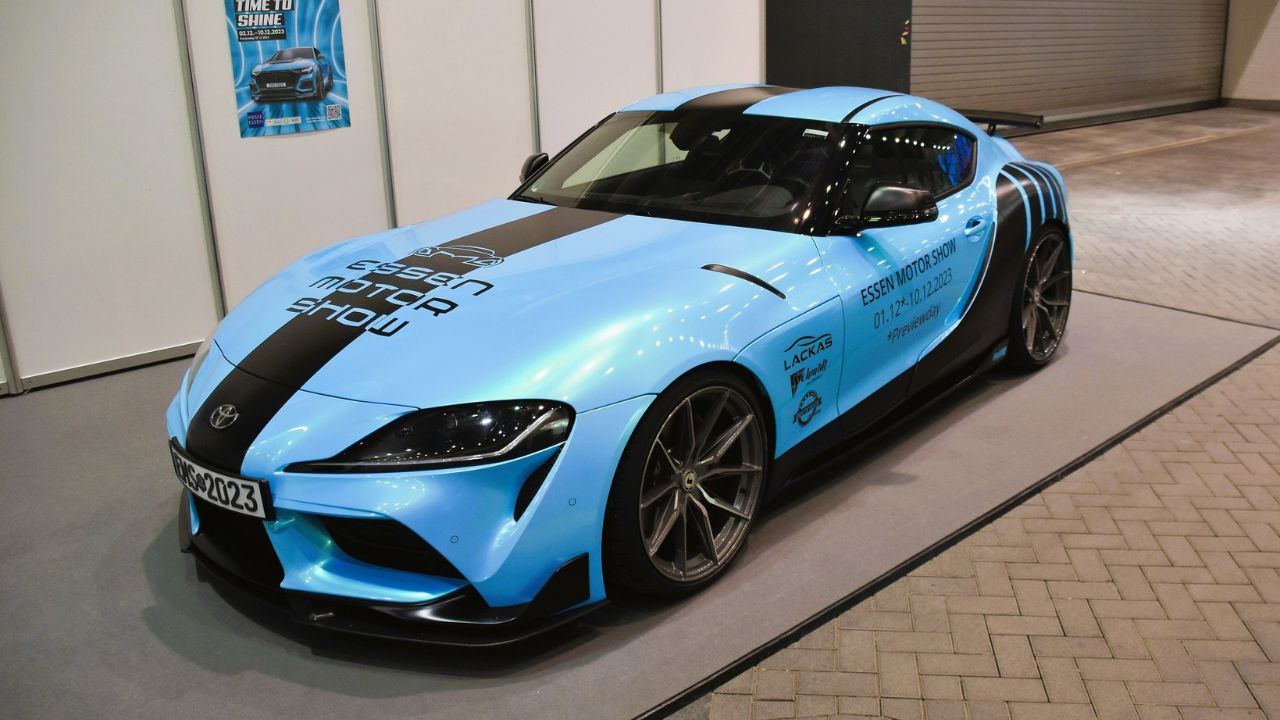
The Toyota GR Supra (A90), introduced in 2019, marks the return of the Supra nameplate with a focus on performance and driving pleasure. Developed in collaboration with BMW, it features a turbocharged inline-six engine producing 382 horsepower, paired with a rear-wheel-drive layout.
With its agile handling and responsive power delivery, the GR Supra offers a modern interpretation of the classic Supra experience. Its design, performance, and accessible price point have made it a popular choice among driving enthusiasts, continuing Toyota’s legacy in the world of sports cars.
Like Fast Lane Only’s content? Be sure to follow us.
Here’s more from us:
*Created with AI assistance and editor review.