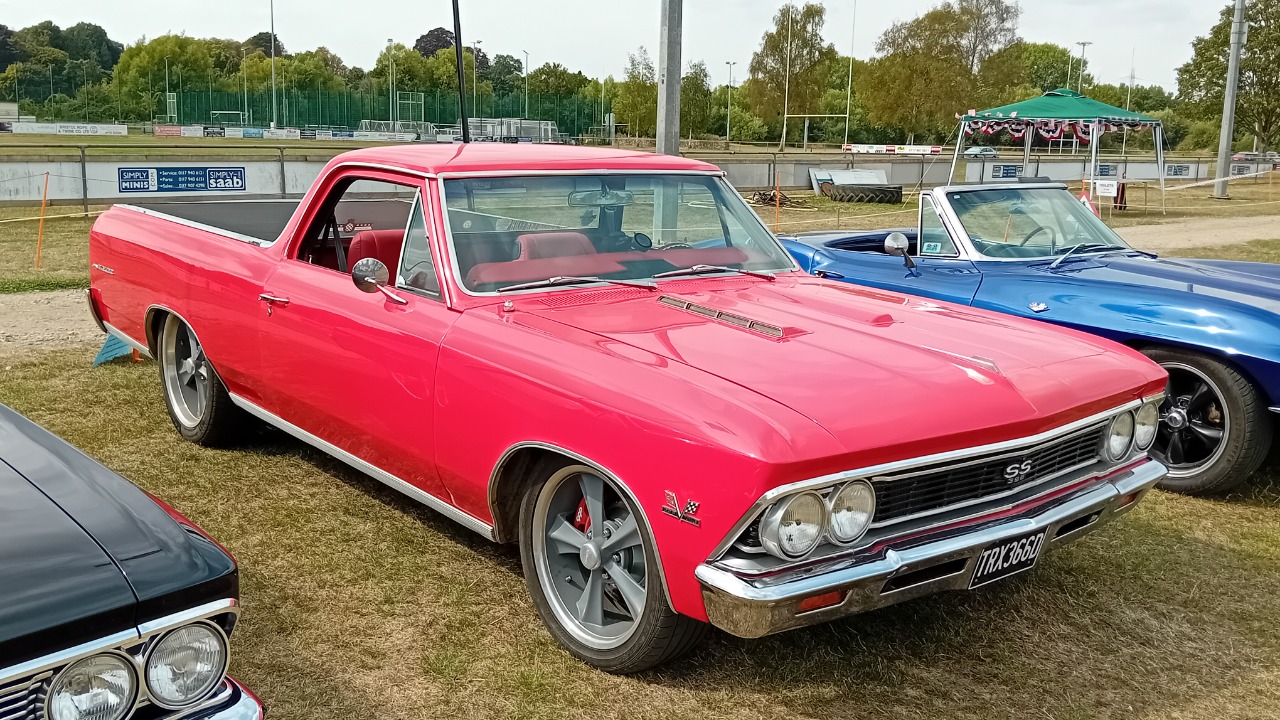
The Chevrolet El Camino, a unique blend of muscle and utility, captured the hearts of car enthusiasts during its initial production. However, its abrupt disappearance from the market left many wondering about the factors behind this hiatus, which lasted several decades. The legacy of this car-truck hybrid is steeped in both nostalgia and curiosity, making it a fascinating topic for automotive history enthusiasts.
The Rise of the El Camino
The Chevrolet El Camino made its debut in 1959, designed as a vehicle that combined the best features of a car and a truck. This innovative concept quickly gained traction among consumers who appreciated its versatility. With a stylish design and powerful performance options, the El Camino appealed to a wide range of buyers. It was during the muscle car era of the 1960s and 1970s that the El Camino truly shone, boasting impressive engine options like the 396 cubic inch V8, which allowed it to compete effectively with other muscle cars on the market.
Key features that made the El Camino attractive included its distinct styling and practicality. With a bed that could haul cargo, it provided utility that traditional muscle cars lacked. The El Camino was not just about performance; it also offered comfort and style, making it suitable for everyday driving as well as leisure activities. It’s no wonder that the model became a favorite among car enthusiasts, who cherished its blend of power and practicality.
The Factors Leading to Its Disappearance
As the automotive landscape began to shift in the 1980s, changing consumer preferences played a significant role in the El Camino’s decline. The rising popularity of compact cars and fuel-efficient vehicles meant that the demand for larger, more powerful vehicles like the El Camino began to wane. Consumers were increasingly looking for cars that offered better fuel economy, especially in the wake of the oil crisis that had consumers re-evaluating their transportation choices.
Economic factors further compounded the issue. The oil crisis of the 1970s led to soaring fuel prices, compelling many consumers to abandon their gas-guzzling vehicles. At the same time, SUVs and compact trucks surged in popularity, offering a blend of utility and efficiency that overshadowed the El Camino’s appeal. Manufacturers began to focus on producing vehicles that catered to this new demand, leaving the El Camino behind as sales dwindled. Ultimately, the combination of shifting consumer preferences and economic pressures led to the discontinuation of the El Camino in 1987.
Decades of Absence: The Consequences
The El Camino’s absence from the market had a profound impact on automotive culture. During the years it was gone, the car became a symbol of nostalgia for many enthusiasts who remembered its unique blend of style and utility. As the years passed, the El Camino developed a cult following among collectors and aficionados who revered it as a classic American vehicle. The rarity of the El Camino on the roads only heightened its appeal, creating a demand that fueled aftermarket customization and restoration.
As the customization culture grew, many enthusiasts took to the internet to share their love for the El Camino. Online forums and social media groups dedicated to the model became hubs for discussions about modifications, restoration tips, and the sharing of personal experiences. The El Camino’s legacy was kept alive through these communities, and the vehicle became a cherished piece of automotive history, remembered fondly by those who had owned them and those who aspired to do so. The enduring appeal of the El Camino continues to resonate with many, as it has become a symbol of the bygone era of American muscle cars.
The Comeback: Revival Attempts and Limited Editions
In the mid-2000s, Chevrolet made a brief attempt to revive the El Camino brand, generating significant excitement among fans. This reintroduction was met with enthusiasm, as the vehicle’s loyal following eagerly anticipated its return. Although the revival was short-lived, it showcased the enduring love for the El Camino and the potential for its return in a modern context. Limited edition models were released, drawing on the nostalgia of the original while incorporating contemporary design elements and technology.
Chevrolet’s decision to explore limited edition models was strategic, allowing the company to gauge consumer interest without committing to a full production run. These models often featured retro styling cues that paid homage to the original El Camino, combined with modern performance enhancements. The reception among enthusiasts was generally positive, with many appreciating the efforts to bring back a piece of automotive history, even if only for a limited time. As discussions continue about the potential for a full-scale revival, many fans are hopeful that Chevrolet will consider a modern iteration of the El Camino in the future.
Cultural Impact and Legacy
The cultural significance of the El Camino extends beyond its specifications and performance. The vehicle has made memorable appearances in various forms of media, including movies and music, further cementing its place in popular culture. For instance, the El Camino is featured prominently in films like “The Seven Psychopaths” and the television series “Breaking Bad,” where it serves as a vehicle for the show’s iconic protagonist, Walter White. These cultural references have helped keep the El Camino in the public consciousness, making it an enduring symbol of American automotive history.
In addition to its appearances on screen, the El Camino has become a topic of conversation among collectors and automotive enthusiasts. Many share anecdotes about their experiences with the vehicle, discussing everything from restoration projects to road trips taken in their beloved El Caminos. The stories of these enthusiasts highlight the emotional connection many have with the El Camino, reinforcing its status as an icon in the automotive community. The vehicle’s legacy is not just about its specifications; it’s about the memories and experiences it has created for countless individuals.
The Future of the El Camino Brand
As we move further into the 21st century, the automotive industry continues to evolve, and current trends could influence a potential revival of the El Camino. The growing interest in hybrid and electric vehicles presents a unique opportunity for Chevrolet to reimagine the El Camino for a new generation of drivers. Modern consumers are increasingly interested in sustainability and efficiency, making it essential for manufacturers to adapt their offerings to meet these demands.
Insights into consumer interest reveal that there is still a significant market for hybrid vehicle designs that blend performance with eco-friendliness. A modern El Camino could capitalize on this trend by offering a combination of traditional muscle car elements with advanced technology and fuel efficiency. Speculation about what a contemporary El Camino might look like often includes features like hybrid powertrains, cutting-edge infotainment systems, and designs that pay homage to its classic roots while embracing modern aesthetics. As Chevrolet considers its lineup for the future, the El Camino remains a tantalizing possibility that could revive the nostalgia of the past while catering to the needs of today’s drivers.
In conclusion, the Chevrolet El Camino’s journey from a beloved car-truck hybrid to an absent classic is a testament to the ever-changing landscape of the automotive industry. Its impact on culture, nostalgia among enthusiasts, and the potential for a future revival keep its spirit alive. Whether or not Chevrolet decides to bring back the El Camino remains to be seen, but its legacy continues to resonate with car lovers everywhere.
More from Fast Lane Only
- Unboxing the WWII Jeep in a Crate
- 15 rare Chevys collectors are quietly buying
- 10 underrated V8s still worth hunting down
- Police notice this before you even roll window down
*Research for this article included AI assistance, with all final content reviewed by human editors.