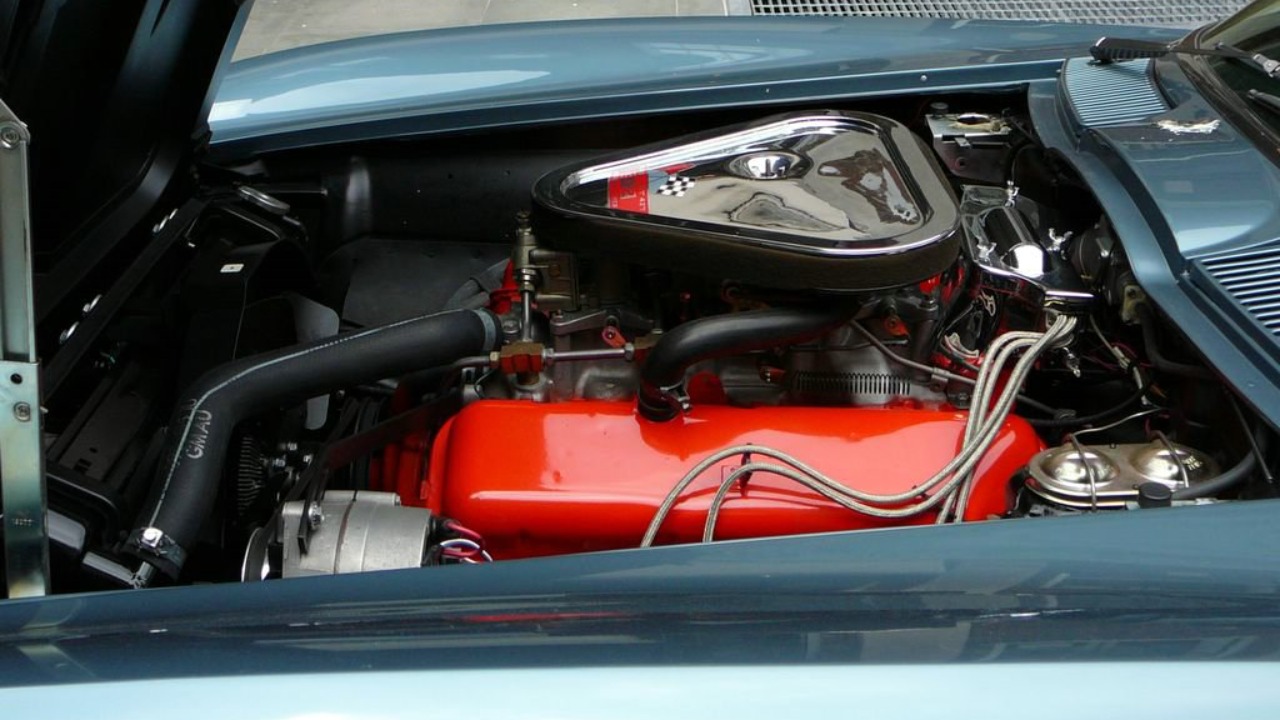
The world of classic cars is filled with hidden stories and rare finds, but few tales are as captivating as that of Chevy’s rarest V8 engine. Often overlooked in favor of more iconic models, this engine has a remarkable history that mirrors the evolution of automotive performance and design, offering a glimpse into a time when innovation was paramount in the automotive industry.
The Origins of Chevy’s Rarest V8
The development of Chevy’s rarest V8 engine can be traced back to the late 1960s, a period marked by fierce competition in the automotive market. As manufacturers raced to capture the attention of performance enthusiasts, Chevrolet sought to innovate and push the boundaries of engine design. This era was characterized by a growing demand for more powerful engines, particularly in the muscle car segment, which was rapidly gaining popularity.
One of the key engineering breakthroughs during this time was the introduction of advanced metallurgy and design techniques that allowed for greater displacement and power output. Chevrolet engineers experimented with larger cubic inch configurations, leading to the birth of the Mark II 427 V8. This engine was not only powerful but also showcased a number of innovations, such as improved airflow dynamics and enhanced durability, which were crucial for both street and racing applications.
Market demands played a significant role in shaping the design of the Mark II 427 V8. As competitors like Ford and Chrysler introduced their own powerful engines, Chevrolet was compelled to respond with a formidable offering. The result was an engine that not only met the needs of performance enthusiasts but also aligned with the competitive landscape of the era.
The Mystery Motor: The Mark II 427 V8
The Mark II 427 cubic inch V8, often dubbed the “Mystery Motor,” is a fascinating chapter in Chevy’s performance history. This engine was designed primarily for NASCAR and other high-performance racing applications, where power and reliability were paramount. With its impressive displacement, the Mark II 427 V8 could produce astonishing horsepower numbers, making it a coveted choice for racers and car enthusiasts alike.
Despite its potential, the Mark II 427 V8 was produced in limited quantities, adding to its mystique. Chevrolet’s decision to focus on other engine configurations, coupled with the increasing regulations in racing, meant that only a handful of these engines ever made it to the street. The limited production run has left a lasting impact on performance, as vehicles equipped with this engine became rare collectibles over the years. The allure of the Mark II is not just in its power, but also in its scarcity, making it a prized possession among collectors.
Famous Models Featuring the Rare V8
Among the notable Chevrolet models that featured the Mark II 427 V8 is the legendary 1968 Chevy SS 427. This vehicle is often celebrated as one of the crown jewels of the muscle car era, representing the peak of performance engineering at the time. With its aggressive styling and powerful engine, the SS 427 has become a symbol of American automotive excellence.
The rarity of the 1968 Chevy SS 427 adds to its significance in the automotive world. With only a limited number produced, finding one in good condition is a challenge. Collectors have shared stories of their pursuits to acquire these rare vehicles, often going to great lengths to restore and preserve them. The excitement surrounding these models is palpable, as enthusiasts gather at car shows and auctions to celebrate their passion. For instance, a recent auction of a 1968 Chevy SS 427 with the original Mark II engine drew significant attention, highlighting the intense interest in these rare classic cars [1].
The Diesel V8 El Camino: A Forgotten Variant
Another fascinating aspect of Chevy’s V8 legacy is the unique diesel option for the Chevrolet El Camino. This variant, often overshadowed by its gasoline counterparts, presents an interesting case of an overlooked engine choice. The V8 diesel El Camino was introduced in the late 1970s as part of a broader trend towards diesel engines in the American automotive market, primarily driven by fuel efficiency concerns.
Despite its diesel engine’s potential for torque and fuel economy, the El Camino’s diesel variant didn’t gain the popularity one might expect. Many consumers were still enamored with the traditional gasoline engines that defined the muscle car era, leading to the diesel option being produced in limited numbers. Owners of the diesel El Camino often describe their experience as unique, noting the blend of practicality and performance that this variant offered. Collectors today are starting to recognize the diesel El Camino as a piece of automotive history, leading to an increased interest in preserving these rare vehicles [2].
Preservation and Collectibility
The market for Chevy’s rare V8 engines has seen a resurgence in recent years, with auction prices reaching impressive heights as collectors seek to acquire these unique pieces of automotive history. The limited production runs of engines like the Mark II 427 V8 and the diesel variant of the El Camino have made them highly sought after, with prices often reflecting their rarity and condition.
Preservation efforts for these rare engines can be challenging. Many enthusiasts are dedicated to restoring and maintaining these vehicles, but sourcing original parts can be difficult. Enthusiast clubs and online communities have emerged, providing valuable resources for those looking to restore classic Chevrolets. The passion for preserving these rare engines is evident in the stories shared within these communities, as members exchange tips and experiences in their restoration journeys.
The Legacy of Chevy’s Rare V8
As I reflect on the legacy of Chevy’s rare V8 engines, it’s clear that they have left an indelible mark on modern performance engineering. Innovations developed during the creation of the Mark II 427 V8 have influenced the design of contemporary engines, emphasizing the importance of airflow dynamics and efficiency. The spirit of competition that drove Chevrolet to develop these engines remains alive in today’s automotive landscape, where performance enthusiasts continue to seek out powerful and efficient vehicles.
The place of these engines in automotive history is significant, as they represent a time of innovation and excitement in the industry. Car culture has embraced the stories behind these rare engines, celebrating the ingenuity of the engineers who designed them and the enthusiasts who cherish them. Collecting these rare vehicles allows us to preserve not just the machines themselves, but also the rich history and stories that accompany them.
In preserving the tales of Chevy’s rarest V8 engines, we ensure that future generations will appreciate the ingenuity and passion that have driven automotive design. The Mark II 427 V8 and its counterparts serve as a reminder of a vibrant era in automotive history, one where performance and innovation took center stage. As we look to the future, it is essential to keep these stories alive, honoring the legacy of these remarkable engines and the culture that surrounds them.
More from Fast Lane Only
- Unboxing the WWII Jeep in a Crate
- 15 rare Chevys collectors are quietly buying
- 10 underrated V8s still worth hunting down
- Police notice this before you even roll window down
*Research for this article included AI assistance, with all final content reviewed by human editors.