Modern cars are supposed to age like smartphones, not milk, yet a surprising number feel old, tired, or financially upside down in barely five years. Beneath the glossy tech and bold styling, some of the most hyped models of the past decade have turned into cautionary tales of brutal depreciation, reliability drama, or both. I want to walk through the standouts that went from “future of the industry” to “please take this off my hands” in one short ownership cycle.
From electric flagships that hemorrhage value, to luxury toys that crumble on a balance sheet, to rugged SUVs that behave like disposable appliances, the pattern is clear: the market is punishing cars that overpromise and underdeliver. If you are shopping nearly new, or wondering whether to bail out of your current ride before the five‑year mark, these are the modern machines I would think twice about.
EVs: When Tomorrow’s Tech Looks Old By Year Five
Electric cars were sold as the future, yet in resale data they are the segment aging the fastest. Over a typical five‑year span, one major study found that Electric vehicles lose an average of 58.8% of their value, a collapse that would make even the worst gas guzzlers of the past blush. I see two forces colliding here: rapid improvements in battery tech and charging speeds, and a used‑car buyer who is suddenly very aware that a five‑year‑old EV can feel like a first‑generation smartphone next to the latest models.
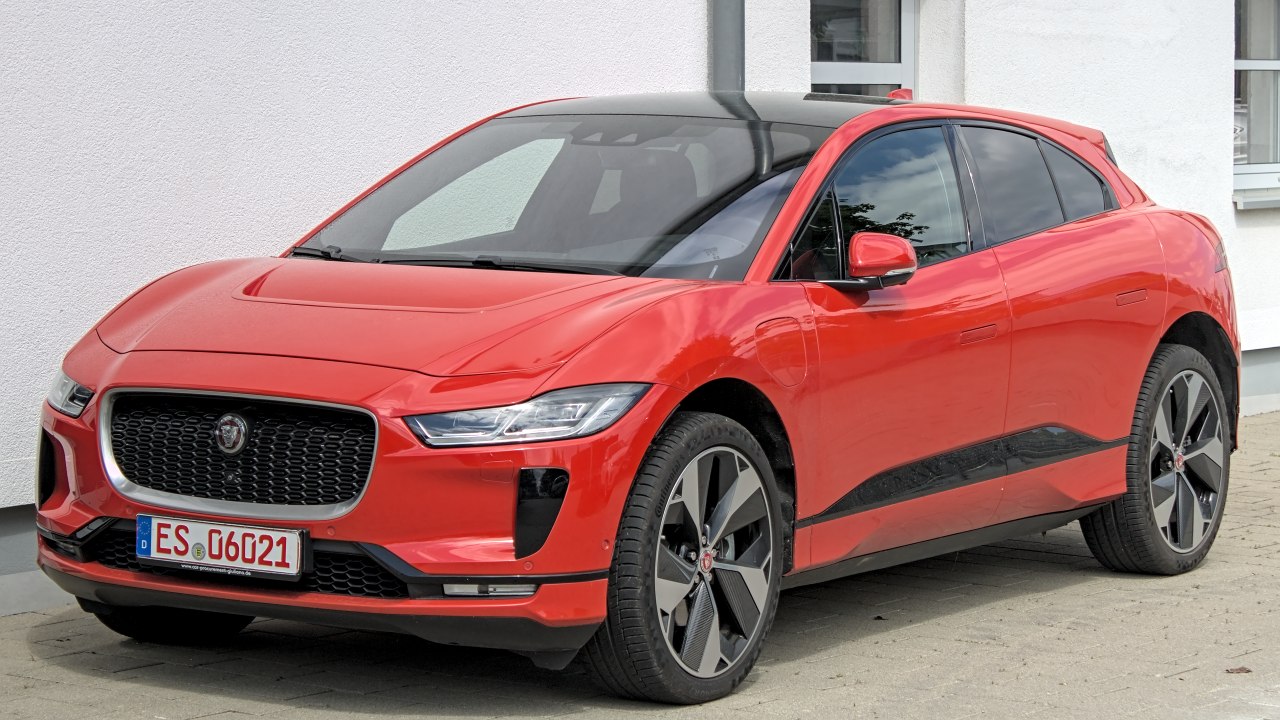
No car embodies that cliff more dramatically than the Jaguar I‑Pace. In one breakdown of five‑year resale performance, the Jaguar I‑PACE showed an Average 5‑year depreciation of 72.2%, translating into a Loss of value versus MSRP of $51,953. Another analysis framed it even more bluntly, noting that The Jaguar I‑Pace loses over 70% of its value in five years. When a premium electric SUV is worth barely a quarter of its sticker price that quickly, it is hard not to see it as a modern car that aged in dog years.
When Reliability Drama Torpedoes Resale
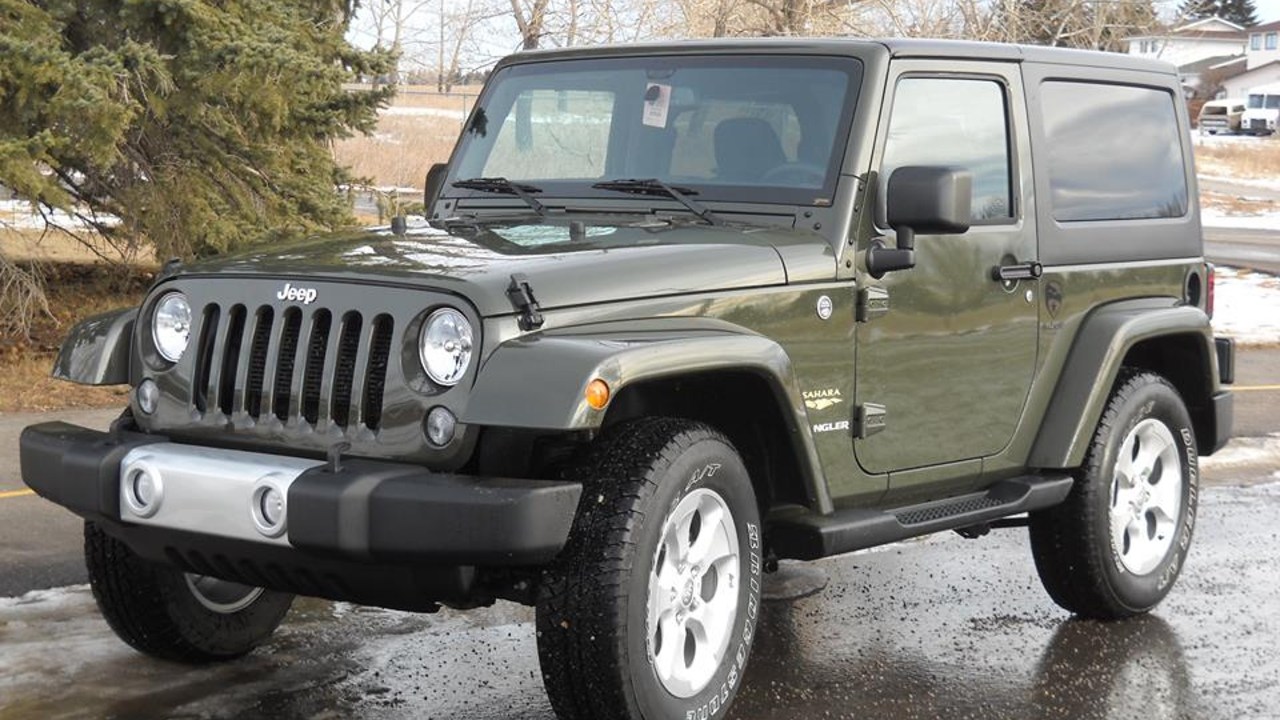
Depreciation is not just about technology moving fast, it is also about trust evaporating. I have watched plenty of stylish, feature‑packed models get hammered in the used market once owners start trading horror stories about repairs. An expert who tracks “disposable” modern vehicles singled out the Jeep Wrangler and Jeep Grand Cherokee, noting that Both are popular yet increasingly problematic, and even described them as vehicles that should be dumped before roughly 60,000 miles. That kind of reputation turns a five‑year‑old SUV into a hot potato, no matter how iconic the badge.
The I‑Pace story has a similar twist, only with batteries instead of axles. Earlier in its life cycle, Jaguar ( Range Rover ) launched a campaign in America to buy back nearly 3,000 I‑Pace EV models after a long‑running battery fire issue. Once a car is associated with that kind of safety recall and mass repurchase, the five‑year‑old examples sitting on dealer lots start to look less like bargains and more like liabilities. It is no coincidence that ageing electric SUVs such as the Jaguar I‑Pace Ageing have been singled out as losers in used‑car rankings, with analysts tying their slide directly to the speed of technological progress in this sector.
Luxury Toys That Turn Into Financial Anchors
At the top end of the market, depreciation can be even more vicious, because the initial prices are so high and the buyer base is so fickle. I have seen plenty of shoppers assume that a prestige badge guarantees strong resale, only to discover that some luxury cars age like fashion items, not investments. One overview of the worst performers in the used market highlighted how public appetite can swing sharply, noting that Sep is as good a reminder as any that tastes change, and that Meanwhile the market can turn on a model as quickly as it once embraced it. The classic example is The Ford Edsel, which seemed destined for success before collapsing into punchline status, and some modern luxury cars are quietly following that script.
Even within the sports‑car world, where certain models are famous for holding value, there are stark contrasts. One recent analysis of five‑year depreciation pointed out that two Porsche sports cars sit at the opposite end of the spectrum, with some of the lowest depreciation after five years. That contrast is exactly why I pay attention when a luxury model starts showing up on “avoid” lists. One expert looking at retirement‑age buyers flagged that Jaguar ( Land Rover ) is discontinuing the F‑Type, and suggested that while enthusiasts might be sad, buyers approaching retirement should be wary of luxury cars that look glamorous in the showroom but do not age well over a five‑year window. When a model is being wound down and its brand sibling, the I‑Pace, is suffering massive value loss, I see a clear warning sign for anyone expecting long‑term stability.
The Split Between Trucks, Hybrids, And Everything Else
What makes these fast‑aging cars stand out even more is how well some other segments are doing over the same five‑year stretch. In the same resale study that punished EVs, Trucks and hybrids were highlighted as the vehicles that retain the most value. That gap tells me the market is not simply collapsing across the board, it is selectively rewarding vehicles that deliver durability and efficiency without saddling owners with bleeding‑edge tech risk. A five‑year‑old pickup or hybrid that still does its job looks like a safe harbor next to a similarly aged electric SUV with a shaky battery history.
Used‑car rankings reinforce that split. When ageing electric SUVs like the Pace are singled out among the biggest losers, analysts explicitly tie their slide to the speed of technological progress in EVs, which makes five‑year‑old examples feel obsolete. By contrast, mainstream trucks and hybrids benefit from incremental improvements rather than revolutions, so a five‑year‑old model still feels current enough to command strong money. That divergence is exactly why I see some modern cars as having “aged poorly” in record time, while others from the same era look almost timeless in the used listings.
How To Shop Smart Around These Fast‑Aging Models
For me, the lesson in all this is not to avoid modern tech or premium badges, but to treat five‑year ownership as a stress test. If an EV segment is losing 58.8% of its value on average, and specific models like the I‑Pace are dropping over 70%, I go in assuming that sticker price is a sunk cost, not an investment. If an expert is warning that Jeep Wrangler and Jeep Grand Cherokee are effectively disposable by 60,000 miles, I factor that into how long I plan to keep one and what kind of warranty coverage I demand. The same goes for luxury coupes and convertibles that look stunning but show up repeatedly in lists of cars to avoid before retirement.
The upside is that this brutal aging curve can work in your favor if you are a used‑car buyer with clear eyes. A five‑year‑old EV that has already taken a $51,953 hit from its original MSRP can be a screaming deal if you understand the battery history, recall record, and your own range needs. A nearly new luxury car that someone else bought at full price and then watched sink like Sep stock can be a smart buy if you are realistic about resale. The key is to recognize which modern cars have already burned through most of their value and reliability goodwill in those first five years, and to approach them with the same excitement you felt when they were new, tempered by the hard numbers that show how quickly they grew old.