The story of American muscle is usually told through the same handful of legends, yet some of the most interesting cars in the genre only found their audience decades after they left showrooms. Once dismissed as too heavy, too compromised, or simply out of step with fashion, these machines have become the cult favorites of a more informed collector era. Their journey from overlooked inventory to auction headliners says as much about changing tastes as it does about horsepower.
Within that broader narrative sits one particular strain of muscle, built in the uneasy years after the first performance boom, that has gone from afterthought to conversation starter. Born into tightening emissions rules and shifting insurance costs, it never enjoyed the instant glory of the late 1960s icons. Today, however, that very awkwardness gives it character, and the market has started to notice.
How a forgotten muscle car grew into a cult favorite
To understand how a car can become more compelling long after its production run, it helps to look at the second tier of the muscle era. The spotlight usually falls on the obvious heroes, the Hemi Chargers and big-block Challengers that still define the idea of a classic tire shredder. Those headline cars, celebrated as timeless Mopar muscle, never really left the enthusiast consciousness. The more interesting trajectory belongs to the cars that did.
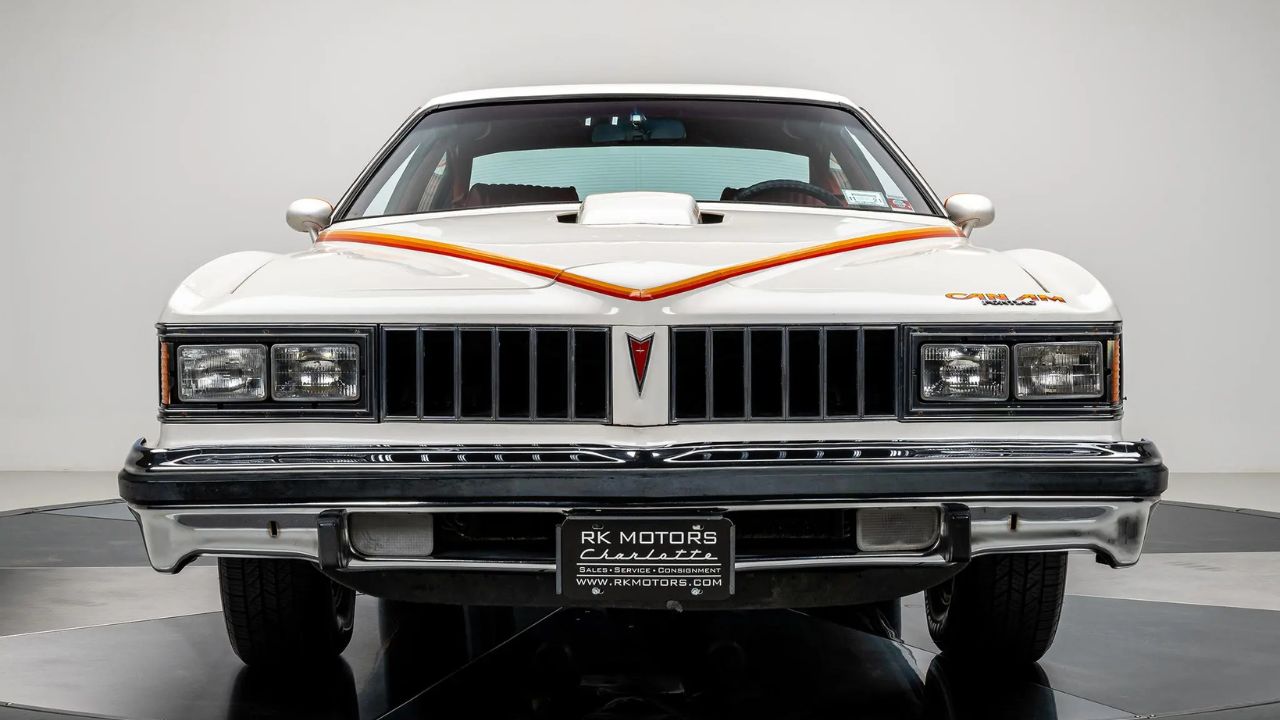
Among them sits a Pontiac that spent years as a footnote. Pontiac built a mid-size performance model that carried the right badges and the right basic ingredients, but it arrived just as horsepower ratings were falling and styling tastes were changing. Contemporary buyers saw it as a compromise, caught between the raw charm of late 1960s GTOs and the emerging era of lighter, more agile performance coupes. Modern coverage of muscle Pontiac nobody captures how thoroughly it slipped from mainstream memory.
What changed is not the car itself but the context around it. Over time, the once maligned styling began to read as pure period design rather than a misstep. The lower power figures, a liability in period ads, now look respectable compared with contemporary family crossovers, and the car’s relative rarity has become a selling point. Collectors who already own the obvious icons have gone hunting for something that tells a more specific story about the transition from the first muscle wave into the emissions era.
That search for narrative has turned the Pontiac and its peers into conversation pieces at shows and auctions. They represent the moment when Detroit tried to keep the muscle formula alive with smaller carburetors, taller gears, and graphics packages that promised more than the engine could deliver. In hindsight, the tension between the marketing and the mechanical reality is precisely what makes them fascinating.
Why this once-overlooked muscle matters in the current market
The renewed interest in this kind of car fits neatly into a broader reshuffling of what qualifies as a desirable performance classic. Lists of the best muscle cars still lean heavily on first-generation Camaro Z/28s, Shelby Mustangs, and Hemi-powered B-bodies, but the lower tiers of the market are where the real movement is happening. As top-flight examples climb beyond the reach of many enthusiasts, attention shifts to models that once sat unloved at the back of classifieds.
That shift has also pulled 1980s and early 1990s performance cars into the conversation. Guides to 1980s cars worth now highlight turbocharged Buicks, Fox-body Mustangs, and fuel-injected F-bodies that bridge the gap between pure muscle and modern sports cars. The Pontiac in question sits on the front edge of that timeline, with its analog controls, square-edged styling, and transitional powertrains that still rely on carburetion but are already shaped by emissions hardware.
For younger buyers, those qualities are an asset rather than a drawback. They deliver a driving experience that feels raw compared with current performance cars, yet they remain usable enough for weekend events and occasional commutes. Parts availability, shared platforms, and relatively simple construction make them more approachable projects than some of the rarer 1960s halo models.
Market analysts have spent years asking whether the muscle segment can sustain its momentum as demographics change. One detailed look at the collector market asked bluntly whether the muscle car market, and the answer so far has been more complex than a simple yes or no. Prices for the very best examples of the most famous models have shown signs of plateauing, while more obscure nameplates and later production years have started to climb from lower bases.
In that environment, a once forgotten Pontiac can punch above its historical weight. It offers a recognizable badge and genuine period performance without the six-figure price tags attached to the most celebrated GTOs or Firebirds. For buyers who grew up seeing these cars as used bargains on neighborhood streets, nostalgia now mixes with a sense of opportunity. They remember the shape, the sound, and the graphics, and they finally have the means to buy the car they could not afford in high school.
The car’s new relevance also reflects a broader shift in how enthusiasts define authenticity. Where previous generations chased the highest horsepower ratings and rarest option codes, many current buyers value originality, honest patina, and a clear paper trail over maximum specification. A well preserved, lower spec muscle car that tells a coherent story can now command more interest than a heavily modified big-block clone. The Pontiac’s survival rate, shaped by years of indifference, means that clean, unmolested examples stand out.
What the future holds for late-blooming muscle icons
The trajectory of this once overlooked muscle car suggests a few likely paths for the segment. First, the age of easy bargains is closing. As enthusiasts continue to mine the back catalog of American performance, the pool of underappreciated models shrinks. Cars that combine a recognizable nameplate, limited production, and usable performance are already seeing more attention at regional auctions and online platforms.
Second, the definition of a muscle car is stretching. Early purists might have insisted on a strict formula of two doors, rear-wheel drive, and a big-displacement V8, but the market now makes room for turbocharged sixes and even some high output four-cylinder models from the 1980s. That evolution benefits cars like the Pontiac, which sit slightly outside the textbook description yet deliver the same basic experience of abundant torque, rear-drive dynamics, and bold styling.
Third, generational turnover will continue to redirect demand. As collectors who came of age in the 1970s and 1980s pass their cars on, buyers who grew up around fuel injection, electronic dashboards, and squared-off sheetmetal will shape the next wave of interest. They are as likely to covet a period-correct cassette deck as a factory Ram Air setup. The Pontiac’s later production years, with their mix of analog charm and emerging electronics, line up neatly with that sensibility.
That does not mean every forgotten muscle badge is destined for a price surge. The market still rewards cars that drive well, look distinctive, and have a clear identity. Some models will remain curiosities, remembered more for odd styling experiments or marketing misfires than for any particular merit behind the wheel. The Pontiac that has quietly gained respect did so because it offers a coherent package once the noise of period expectations fades away.
For enthusiasts, the lesson is as much about perspective as it is about investment. Cars that feel slightly out of step with their era can age into their own kind of cool. The same graphics and interior fabrics that once looked dated now read as authentic artifacts of a specific moment in automotive history. That shift in perception is what turned a once ignored muscle car into the kind of machine people cross a parking lot to inspect.
More from Fast Lane Only
- Unboxing the WWII Jeep in a Crate
- 15 rare Chevys collectors are quietly buying
- 10 underrated V8s still worth hunting down
- Police notice this before you even roll window down
*Research for this article included AI assistance, with all final content reviewed by human editors