Oldsmobile left showrooms years ago, yet its most characterful models now attract fresh attention from collectors and younger drivers. Enthusiasts increasingly chase specific Olds nameplates that combine accessible pricing, distinctive engineering, and strong support from clubs and parts specialists.
Why certain Oldsmobiles now feel timely again
Collectors increasingly search for Oldsmobiles that balance everyday usability with period character, so interest concentrates around versatile late twentieth century models. Buyers often want cars that handle modern traffic comfortably, accept highway speeds easily, and still showcase unmistakable styling cues from Oldsmobile’s peak years. Many shoppers therefore prioritize models with fuel injection, overdrive automatics, and reliable electrical systems, because those features simplify regular driving and maintenance. Younger enthusiasts also value cars that accept tasteful suspension upgrades, modern tires, and discreet brake improvements without destroying originality. Market data from enthusiast classifieds shows rising asking prices for clean examples, particularly where sellers document mileage, ownership history, and major service work. Owners frequently highlight rebuilt transmissions, refreshed cooling systems, and updated air conditioning components, because those investments reassure buyers who plan frequent road use.
Online communities help Oldsmobile fans compare notes on parts sources, restoration techniques, and realistic pricing, so information spreads quickly across regions. Forum threads and social media groups often spotlight specific models that deliver strong value relative to comparable Chevrolets, Pontiacs, or Buicks. Members share detailed buyer guides that flag rust hotspots, interior trim weaknesses, and drivetrain quirks, which helps newcomers avoid expensive surprises. Many posts emphasize the importance of inspecting frame rails, rear quarter panels, and windshield channels for corrosion before committing to a purchase. Enthusiasts also trade recommendations for reproduction weatherstripping, seat upholstery kits, and dashboard repair services that keep aging interiors presentable. As knowledge circulates, more shoppers feel confident tackling driver quality projects instead of waiting for fully restored showpieces. That confidence, combined with nostalgia for familiar nameplates, steadily pushes demand toward a handful of standout Oldsmobile lines.
G-body Cutlass models leading the charge
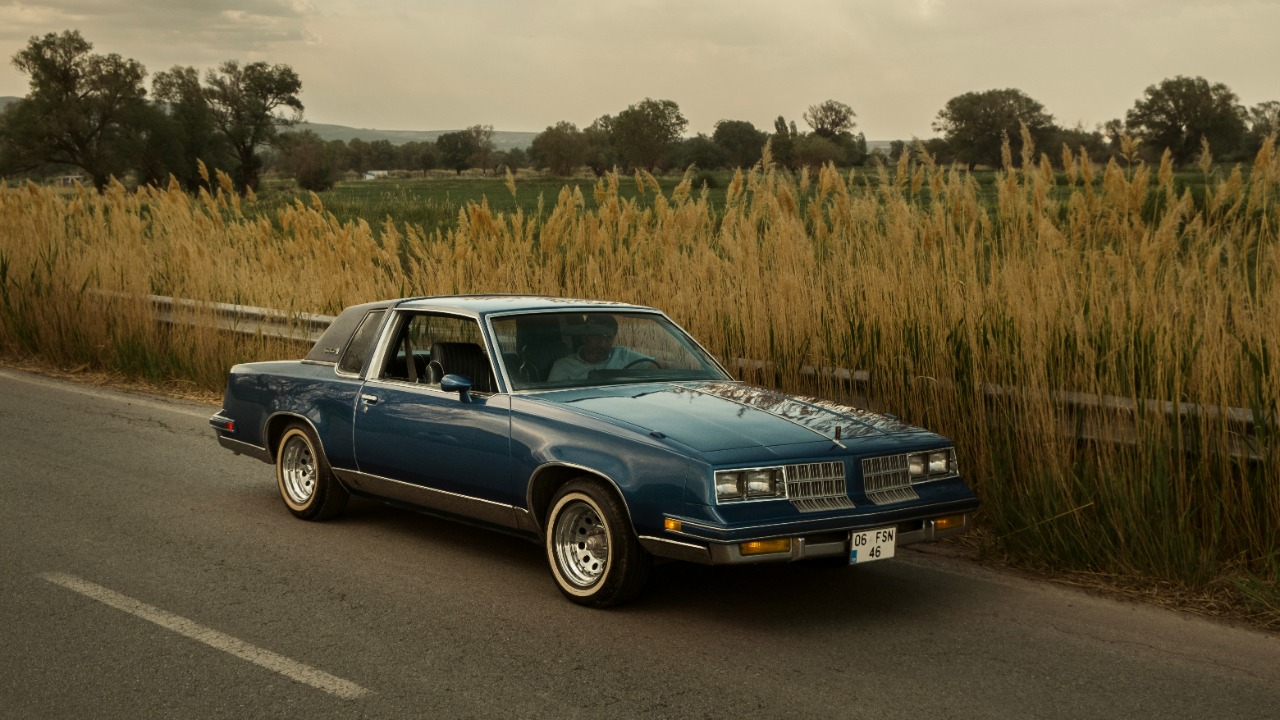
Among Oldsmobile offerings, late G-body Cutlass variants now rank near the top of enthusiast wish lists for attainable classics. Shoppers gravitate toward the 1978 through 1988 Cutlass Supreme and related trims, because those cars blend rear wheel drive dynamics with manageable size. Many drivers appreciate the straightforward body on frame construction, which simplifies rust repair, suspension work, and drivetrain swaps. The aftermarket supports these cars with performance springs, upgraded sway bars, and modern shocks that sharpen handling without ruining ride quality. Enthusiasts often install dual exhaust systems, improved carburetors, or fuel injection conversions on V8 models to unlock additional power. Clean examples of Hurst/Olds and 442 variants command stronger prices, yet even base coupes now attract attention when they remain unmodified. Classified listings show rising values for rust free cars with intact vinyl tops, original paint, or factory bucket seats and consoles.
Owners praise G-body Cutlass models for their comfortable driving position, generous glass area, and relatively light steering effort during city use. Many cars feature air conditioning, power windows, and cruise control, so they feel less dated than earlier muscle era machines. Enthusiasts frequently highlight the interchangeability of mechanical parts with other GM G-body platforms, which keeps maintenance costs manageable. Replacement suspension components, brake parts, and drivetrain pieces remain widely available through mainstream parts retailers and specialist suppliers. Clubs organize regional meets where Cutlass owners compare restoration progress, share tuning tips, and trade rare trim pieces. Those gatherings reinforce the perception that these cars offer a friendly entry point into classic ownership. As more restored examples appear at local shows and online auctions, visibility increases and additional buyers start hunting similar cars.
Front wheel drive Toronado and Aurora finding new audiences
Front wheel drive Oldsmobiles once felt unconventional to traditionalists, yet models like the Toronado and Aurora now gain renewed appreciation. Enthusiasts increasingly recognize the engineering ambition behind these cars, particularly the early Toronado with its innovative drivetrain layout. Collectors value the combination of powerful V8 engines, distinctive styling, and surprisingly composed highway manners. Later Toronado generations, while less radical, still offer comfortable grand touring capability at relatively modest purchase prices. Many buyers seek well maintained examples with documented transmission service and cooling system upkeep, because those systems handle significant loads. Interior condition matters greatly, since replacement trim pieces can prove harder to source than mechanical components. Owners often prioritize preserving original upholstery, dashboard materials, and unique steering wheel designs that define each generation’s character.
The Aurora attracts a different but growing segment of enthusiasts who appreciate its clean design and sophisticated chassis tuning. Shoppers often describe the car as an underappreciated alternative to contemporary European sedans, especially when equipped with the Northstar derived V8. Enthusiast discussions emphasize the importance of regular cooling system maintenance, quality ignition components, and timely suspension refreshes. Many owners replace original struts, bushings, and engine mounts to restore the precise ride and handling balance engineers intended. Well kept Auroras deliver quiet cabins, supportive seats, and strong highway acceleration, which suits long distance touring. As parts suppliers expand support for these models, including reproduction exterior trim and electronic modules, ownership becomes less intimidating. That improving ecosystem encourages more buyers to rescue clean examples from neglect and return them to reliable service.
Muscle era 442 and performance heritage
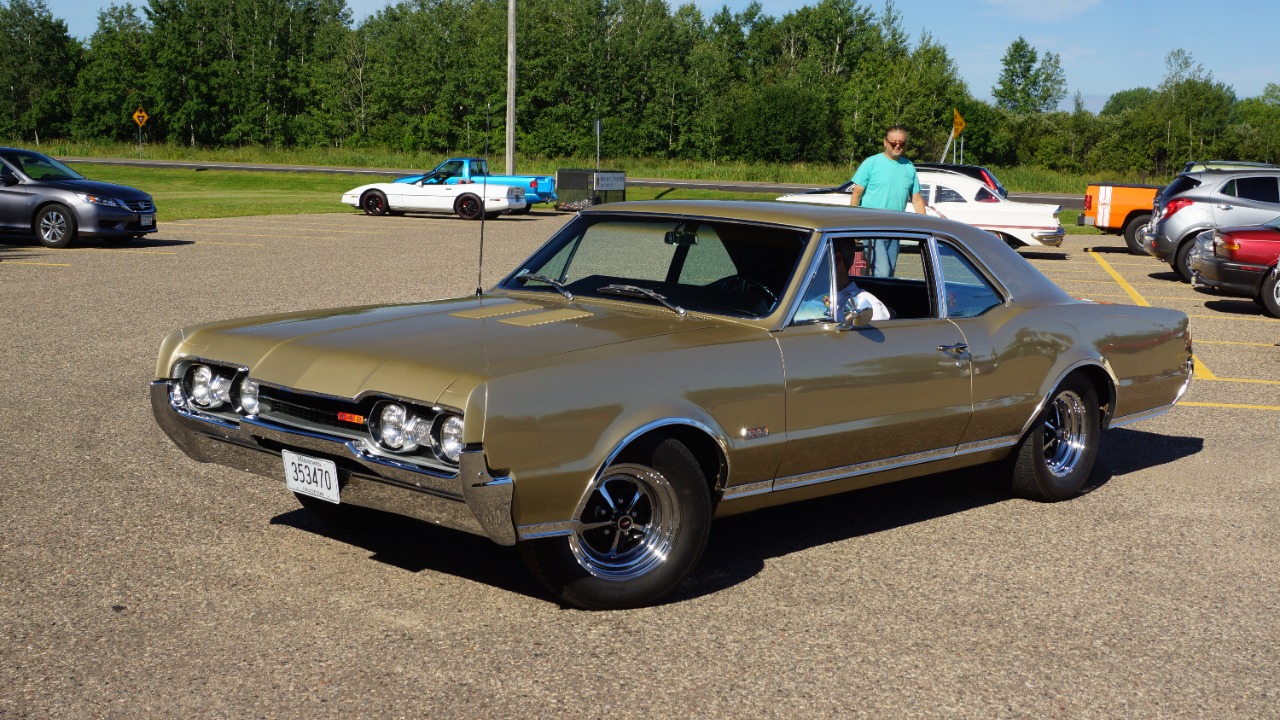
Oldsmobile’s performance reputation still rests heavily on the 442 nameplate, which continues attracting serious collectors and younger muscle fans. Early 442 models from the mid 1960s through the early 1970s command significant attention for their strong engines and balanced chassis. Enthusiasts prize cars equipped with the 400 cubic inch and 455 cubic inch V8s, especially when paired with four speed manual transmissions. Many buyers focus on matching numbers drivetrains, original body panels, and factory documentation that verifies build specifications. Auction results show sustained demand for high quality restorations and well preserved survivors, particularly convertibles and W30 performance packages. Owners often invest heavily in correct paint finishes, period accurate decals, and properly restored interiors to satisfy knowledgeable judges. Those efforts reinforce the 442’s status as a serious collectible rather than a casual weekend toy.
Later 442 iterations from the 1980s now gain momentum as more affordable entry points into the same performance lineage. These cars typically feature smaller displacement V8s and emissions era compromises, yet they still deliver distinctive styling and limited production numbers. Enthusiasts appreciate the combination of bucket seats, performance oriented gearing, and unique exterior graphics. Many owners upgrade exhaust systems, carburetors, and ignition components to reclaim some lost power while preserving original appearance. Classified listings increasingly highlight rust free southern or western cars, because structural corrosion significantly affects value. Clubs and online groups maintain registries that track surviving examples, option combinations, and production figures. That documentation helps buyers verify authenticity and avoid clones or rebadged base models. As awareness grows, clean 1980s 442s transition from overlooked used cars into respected collectibles.
Luxury focused Ninety Eight and Regency sedans
Full size Oldsmobile sedans like the Ninety Eight and Regency once served as comfortable family transport, yet they now attract nostalgic buyers. Enthusiasts who grew up riding in these cars often seek them out for their soft ride, quiet cabins, and generous interiors. Many shoppers prefer late 1970s through early 1990s examples that combine traditional comfort with improved fuel economy and reliability. These sedans typically feature plush seating, extensive sound insulation, and smooth shifting automatic transmissions. Owners praise their relaxed highway manners, which suit long distance cruising and weekend road trips. Clean, low mileage cars from dry climates command particular interest, because bodywork and chrome trim remain expensive to restore. Buyers frequently prioritize working climate control systems, intact vinyl roofs, and uncracked dashboards when evaluating potential purchases.
Parts availability for these luxury oriented Oldsmobiles remains relatively strong, which helps keep ownership costs reasonable. Mechanical components often interchange with other GM full size platforms, simplifying repairs and maintenance. Enthusiasts rely on reproduction weatherstripping, headliners, and seat upholstery kits to refresh aging interiors. Many owners install discreet upgrades like modern radial tires, improved brake pads, and updated stereos with hidden Bluetooth connectivity. Those changes enhance everyday usability while preserving the original driving experience and visual character. Online marketplaces show steady demand for well documented cars with service records and minimal modifications. As more examples receive sympathetic restorations rather than full custom treatments, their reputation as comfortable classics strengthens. That shift encourages additional buyers to consider these sedans as practical vintage daily drivers.