Japanese performance cars are enjoying a surge of nostalgia, yet some of the most rewarding machines from that era still sit in the shadows of the Nissan Skyline GT-R, Mazda RX-7, and Toyota Supra. One of those quiet standouts is a compact, manual-only sports coupe that combines analog feel, balanced handling, and real-world affordability in a way modern cars rarely match. As collectors chase headline-grabbing icons, this overlooked model has become a rare opportunity for enthusiasts who care more about driving than bragging rights.
Seen within the broader history of underappreciated Japanese performance cars, its story shows how market timing, branding, and shifting tastes can bury a genuinely capable machine. It also hints at where enthusiast culture might be heading as buyers rediscover light, simple cars in an era dominated by heavy, complex performance SUVs.
How a manual-only Japanese coupe slipped under the radar
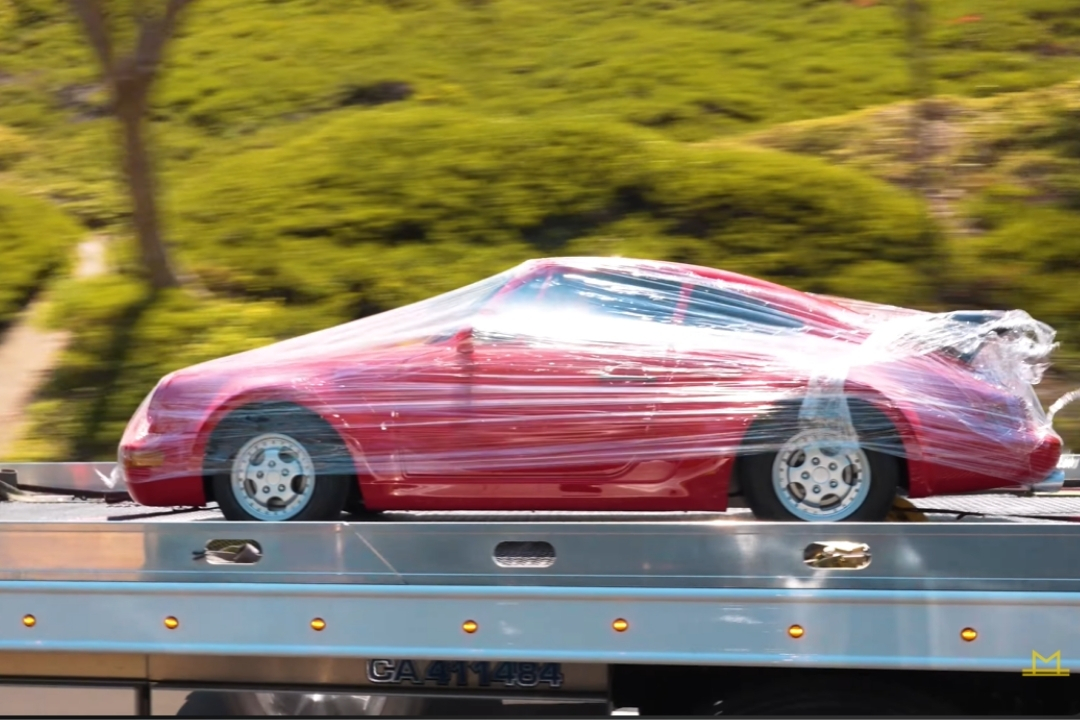
Amid the current wave of nostalgia for 1990s and 2000s Japanese performance cars, one compact two-door stands out as a kind of secret handshake. It is a front engine, rear wheel drive coupe sold primarily with a manual transmission, positioned below the halo models of its brand but engineered with the same attention to balance and driver involvement. A detailed look at this car in a recent review of a Japanese manual sports highlights how a relatively modest power figure, combined with a well-tuned chassis and communicative steering, can create a far more engaging experience than the spec sheet suggests.
In period, marketing often pushed this coupe as a stylish commuter rather than a pure sports car, which left it overshadowed by turbocharged flagships and all-wheel-drive rally specials. Yet under the skin it shared key engineering choices with more famous stablemates: a naturally aspirated engine tuned for response, a close-ratio gearbox, and suspension geometry aimed at neutral handling instead of safe understeer. Contemporary testers praised its balance, but buyers chasing straight-line speed tended to walk past it in showrooms.
The car’s understated styling also worked against its long-term fame. While rivals wore aggressive wings and flared arches, this model kept a low-key profile that blended into traffic. Today that subtlety appeals to enthusiasts who prefer a sleeper aesthetic, but in its prime it meant fewer poster spots on bedroom walls and less screen time in video games, both of which helped cement the legends of its more flamboyant peers.
Lessons from other underrated Japanese performance heroes
The fate of this coupe mirrors a wider pattern among Japanese enthusiast cars that delivered serious engineering without the marketing spotlight. A survey of underrated Japanese sports points to a whole tier of machines that sat just below the icons on price and power, yet often matched or exceeded them on reliability, usability, and tactile feel. These include smaller-displacement rear wheel drive coupes, high-revving front wheel drive hot hatches, and early all-wheel drive models that never gained the cult status of later versions.
Looking further back, a forgotten open-top model illustrates how history can quietly pass by significant cars. An analysis of a Japanese roadster that for the later Z car line shows how early experimentation with lightweight construction, independent suspension, and sporty proportions laid the groundwork for more famous successors. That roadster helped define the formula of a compact, driver-focused machine that could be sold globally, yet its own name has faded even as the Z badge became a global performance symbol.
Beyond Japan, the idea of overlooked performance hardware is familiar. A review of underrated V8 engines highlights how powerplants that lacked marketing hype or racing pedigree can still offer durability, tuning potential, and character that enthusiasts only appreciate decades later. The parallel is clear: when engineers quietly prioritize balance and usability over headline numbers, their work often takes time to gain recognition.
Why this forgotten coupe matters in the current market
The renewed interest in analog driving and 1990s design has pushed prices of headline Japanese sports cars to levels that would have seemed unrealistic when they were new. As a result, buyers who still want a manual transmission and rear wheel drive have begun to look beyond the usual suspects. That shift has turned the spotlight toward cars that previously sat at the bottom of classifieds, including a 1990s Japanese sports that remains a relative bargain on the used market.
In that context, the manual-only coupe at the center of this discussion offers a rare combination: a genuinely engaging chassis, a naturally aspirated engine with a wide powerband, and running costs that remain manageable for a daily driver. Unlike some high-strung turbocharged icons, it tends to be less demanding on consumables such as tires and brakes, and its mechanical simplicity keeps maintenance within reach of independent shops. That practicality makes it attractive not just to collectors but also to younger enthusiasts buying their first fun car.
The car also reflects a philosophy that is increasingly hard to find in new showrooms. Modern performance models often rely on turbocharging, complex electronics, and drive modes to deliver speed and compliance. By contrast, this coupe offers a fixed, well-judged setup that encourages the driver to adapt rather than scroll through settings. For many enthusiasts, that fixed character is part of the appeal, since it creates a consistent feedback loop that builds confidence over time.
Its relatively modest power output also fits neatly into a world where speed limits are more strictly enforced and traffic density has increased. Owners can explore more of the car’s capability on ordinary roads without immediately reaching illegal speeds. That usability, combined with its compact footprint, makes it well suited to urban environments where larger sports cars feel cumbersome.
How enthusiasts are reinterpreting Japanese performance heritage
The rise of social media and online video has helped rewrite the hierarchy of desirable Japanese performance cars. Instead of relying on period advertising, modern buyers can watch in-depth reviews, track tests, and long-term ownership reports that highlight the strengths of less celebrated models. Guides to underrated JDM cars now routinely spotlight vehicles that once sat unloved on dealer lots, from compact coupes to quirky all-wheel drive sedans.
Manufacturers have taken notice of this renewed interest in analog driving. High-profile revivals and special editions, such as the attention around the open-top concept linked to the Acura NSX, show how brands are willing to trade on heritage and driver-focused design even as they move toward electrification. While the manual-only coupe in question has not yet received a direct modern successor, its formula of modest power, low weight, and rear wheel drive has influenced current models that prioritize engagement over outright speed.
Grassroots motorsport has also played a role in rehabilitating the reputations of these cars. Affordable entry fees and growing interest in track days, autocross, and time attack events have pushed enthusiasts to seek out platforms that are reliable, inexpensive to modify, and forgiving at the limit. The understated coupe fits that brief well, with a strong aftermarket for suspension, brake, and tire upgrades that can transform it into a capable weekend track machine without sacrificing daily usability.
What the future holds for this underappreciated Japanese icon
The key question is how long the value gap between this coupe and its more famous contemporaries will remain. As more collectors and content creators highlight its strengths, the supply of clean, unmodified examples is likely to shrink. The trajectory of other once-overlooked Japanese models suggests that prices can climb quickly once a car crosses a certain threshold of recognition, especially if it has limited production numbers or unique mechanical features. For now, however, the market still treats it as a second-tier choice, which benefits buyers willing to look beyond badges.
More from Fast Lane Only
- Unboxing the WWII Jeep in a Crate
- 15 rare Chevys collectors are quietly buying
- 10 underrated V8s still worth hunting down
- Police notice this before you even roll window down
*Research for this article included AI assistance, with all final content reviewed by human editors