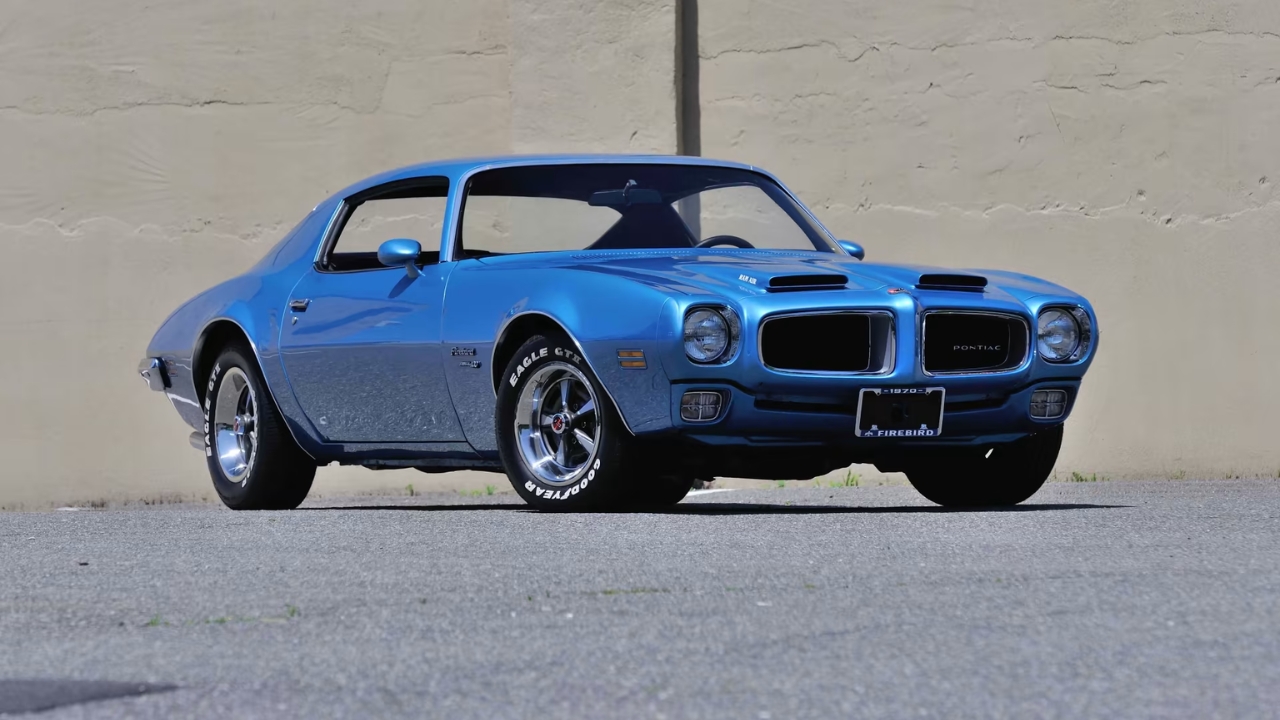
In an era when muscle cars were increasingly defined by flashy decals, exaggerated scoops, and high-profile marketing, the Pontiac Firebird Formula took a different path—one of restraint, focus, and raw performance. Introduced as an alternative to the visually aggressive Trans Am, the Formula offered much of the same mechanical capability but wrapped in a cleaner, more understated design. For those who appreciated substance over showmanship, it was a muscle car that spoke quietly but carried serious horsepower.
The Formula became a go-to for drivers who knew what they wanted under the hood and didn’t need to advertise it at every stoplight. Whether equipped with a high-revving small-block or a torque-rich big-block V8, the Formula delivered serious performance while flying just under the radar. This article explores ten key facts that highlight why the Firebird Formula earned its place as a quietly formidable force in American muscle car history.
Purpose-Built Performance

Introduced in 1970, the Firebird Formula was Pontiac’s answer for enthusiasts seeking muscle car performance without the flamboyance of the Trans Am. It offered substantial power in a more understated package, appealing to drivers who prioritized performance over appearance.
The Formula’s design featured a unique twin-scoop hood and minimalistic badging, distinguishing it from its more ostentatious sibling. This approach resonated with purists who appreciated the car’s focus on driving dynamics and mechanical prowess.
Engine Options Across Generations
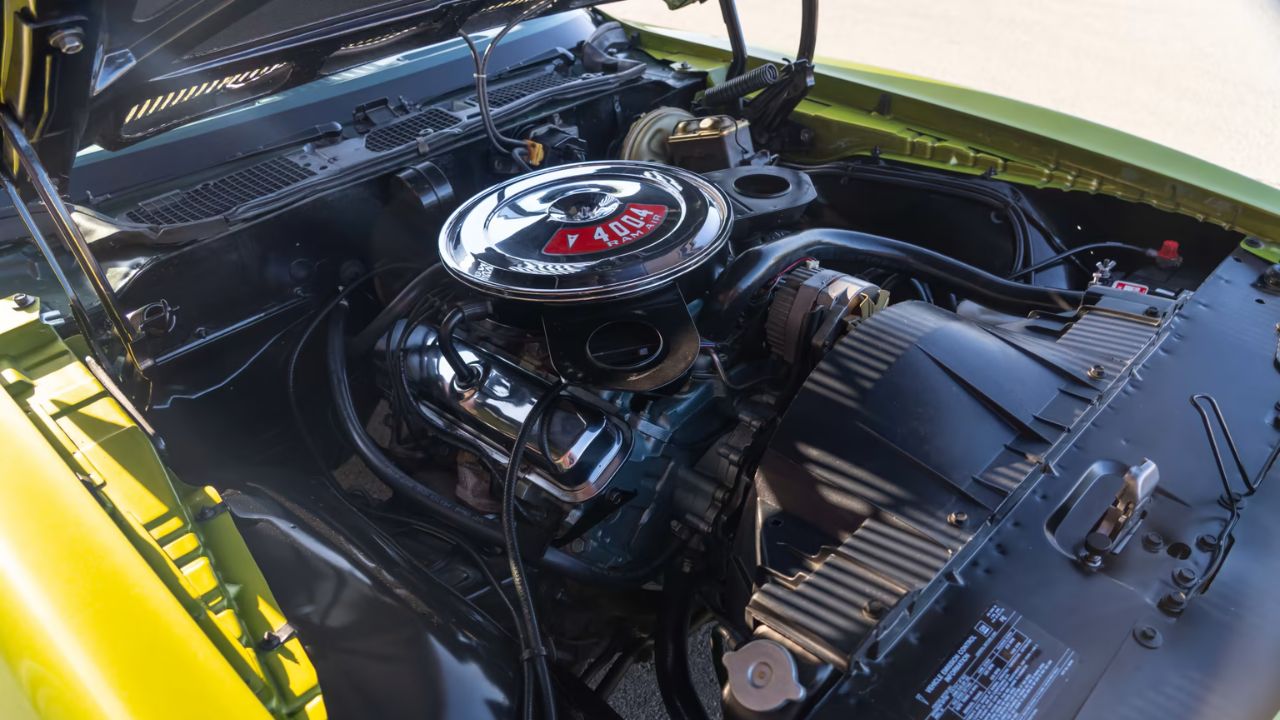
The Formula was available with a range of potent engines throughout its production. Early models offered the 400 CID V8, delivering up to 345 horsepower, while later versions featured the 455 CID V8, providing robust torque and acceleration.
In the 1990s, the Formula continued its performance legacy with the introduction of the LT1 and later the LS1 V8 engines, offering up to 325 horsepower. These powertrains ensured the Formula remained competitive in the evolving muscle car landscape.
Suspension and Handling

The Formula’s suspension was tuned for a balance between comfort and performance. Equipped with front and rear stabilizer bars, it offered improved handling characteristics over the base Firebird models.
Optional performance packages, such as the WS6, further enhanced the Formula’s capabilities with upgraded components like stiffer springs and larger sway bars, providing a more engaging driving experience.
Interior Appointments

Inside, the Formula maintained a driver-focused layout with supportive bucket seats and a straightforward dashboard design. While not as luxurious as some competitors, it provided essential features for performance driving.
Optional amenities included air conditioning, upgraded audio systems, and power accessories, allowing buyers to tailor the interior to their preferences without compromising the car’s performance ethos.
Exterior Design Philosophy
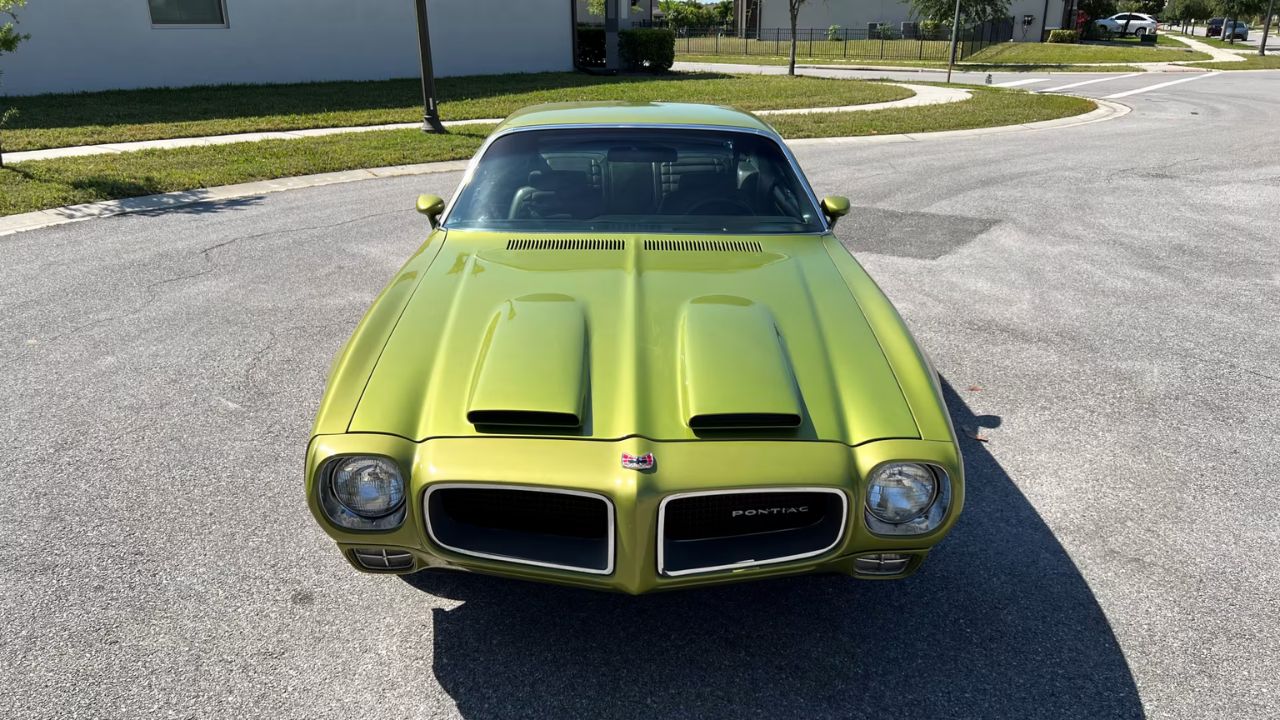
The Formula’s exterior was characterized by its restrained styling cues. The signature twin-scoop hood and subtle badging conveyed its performance potential without resorting to excessive ornamentation.
This design approach appealed to buyers who desired a powerful vehicle with a more conservative appearance, differentiating the Formula from the more visually aggressive Trans Am.
Market Positioning
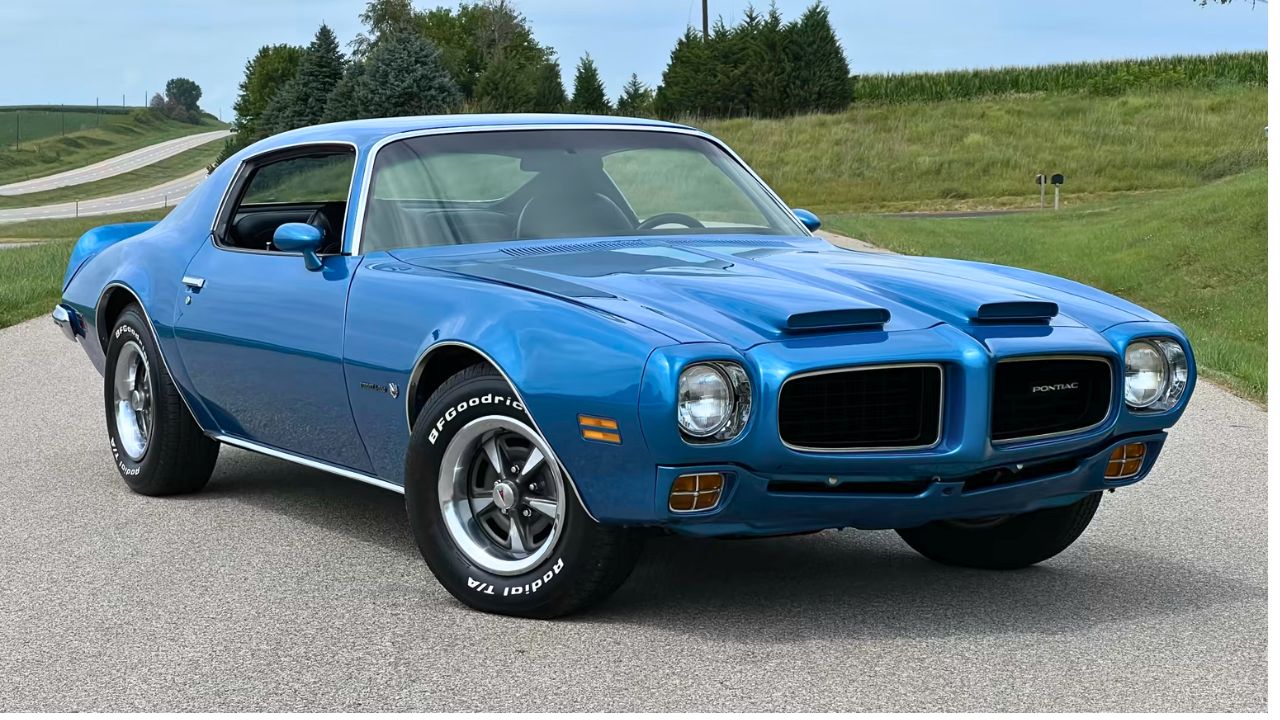
Positioned between the base Firebird and the Trans Am, the Formula offered a compelling blend of performance and value. It provided many of the mechanical enhancements found in the Trans Am at a more accessible price point.
This strategic placement allowed Pontiac to cater to a broader audience, attracting buyers who sought performance without the additional cost associated with the Trans Am’s styling and features.
Evolution Over Time

Throughout its production, the Formula adapted to changing market demands and regulatory requirements. Adjustments to engine offerings and emissions compliance ensured its continued relevance in the muscle car segment.
Despite these changes, the Formula consistently upheld its core identity as a performance-oriented vehicle with understated styling, maintaining its appeal to discerning enthusiasts.
Collectability and Legacy
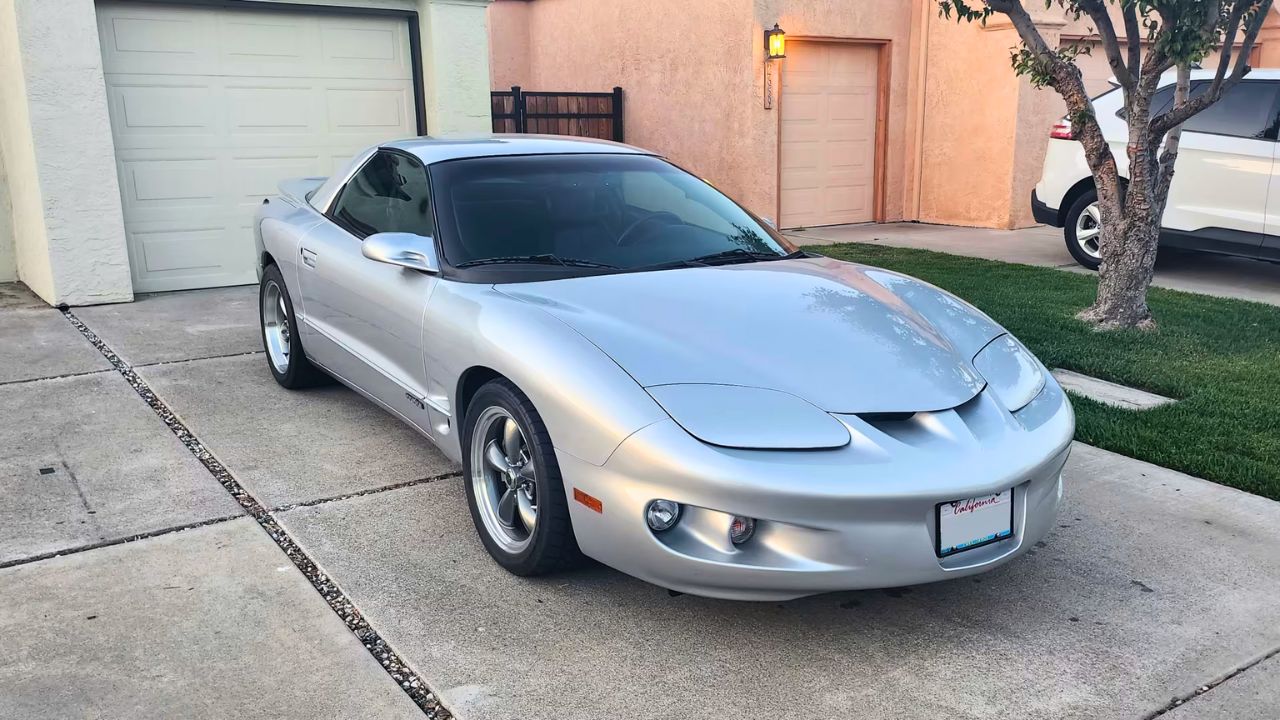
Today, the Firebird Formula is recognized for its unique position in Pontiac’s lineup and its contribution to the muscle car era. Well-preserved examples are sought after by collectors who appreciate its blend of performance and subtlety.
Its enduring legacy is a testament to Pontiac’s ability to offer diverse performance options that catered to varying customer preferences.
Comparison with Contemporaries

When compared to contemporaries like the Chevrolet Camaro Z28, the Formula held its own with competitive performance figures and a distinct identity. Its combination of power and restraint set it apart in a crowded field of muscle cars.
This differentiation allowed the Formula to carve out a niche among enthusiasts who valued performance without the need for overt styling cues.
Final Years and Enduring Appeal
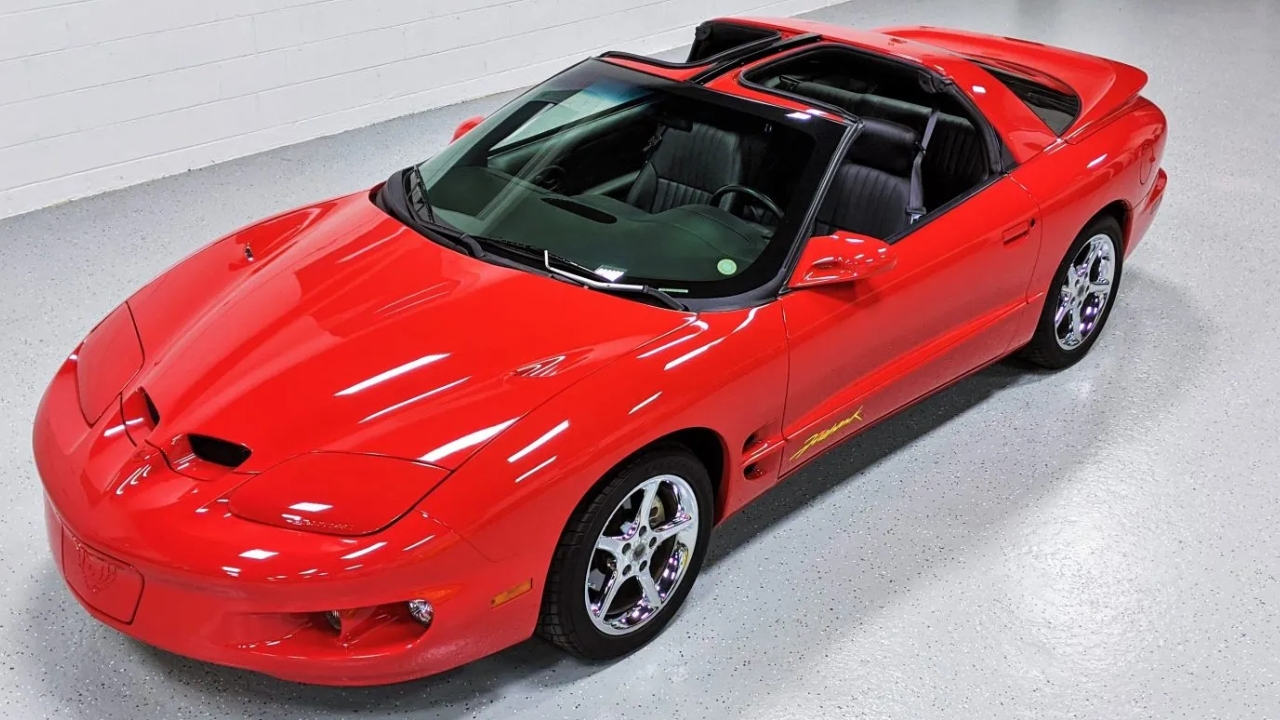
The Formula continued to evolve until the end of the Firebird’s production in 2002. Its final iterations featured advanced powertrains and refined handling characteristics, solidifying its status as a formidable performance vehicle.
Even decades later, the Firebird Formula remains a symbol of Pontiac’s commitment to delivering muscle car performance in a package that prioritized substance over style.
*This article was hand crafted with AI-powered tools and has been car-fully, I mean carefully, reviewed by our editors.