If James Bond ever traded his Aston Martin for something American, it might’ve been the Lincoln Continental Mark III. With a stance like a hitman in a tailored suit and the hush of a private jet cabin, the Mark III was everything a personal luxury coupe should be—cool, quiet, and just a little dangerous. Lincoln wasn’t playing around when they dropped this heavyweight onto the market in 1968. It wasn’t just a response to the Cadillac Eldorado—it was a warning shot.
This wasn’t some soft cruiser for country club parking lots. The Mark III packed a 460 V8 under a mile-long hood, wrapped in crisp lines and chrome, and loaded with more comfort than a first-class lounge. Here’s why the Lincoln Continental Mark III still turns heads like it just rolled out of a secret government garage.
The 460 V8: Power Meets Presence

Under the hood of the Mark III sat a 460 cubic inch V8 engine, delivering 365 horsepower at 4,600 RPM and 500 lb-ft of torque at 2,800 RPM. This powerhouse provided smooth acceleration and effortless cruising, making it a standout in its class.
Paired with a 3-speed C6 automatic transmission, the Mark III offered a driving experience that was both refined and commanding. The engine’s performance was complemented by its quiet operation, aligning with the car’s luxury persona.
Distinctive Design: A Statement on Wheels
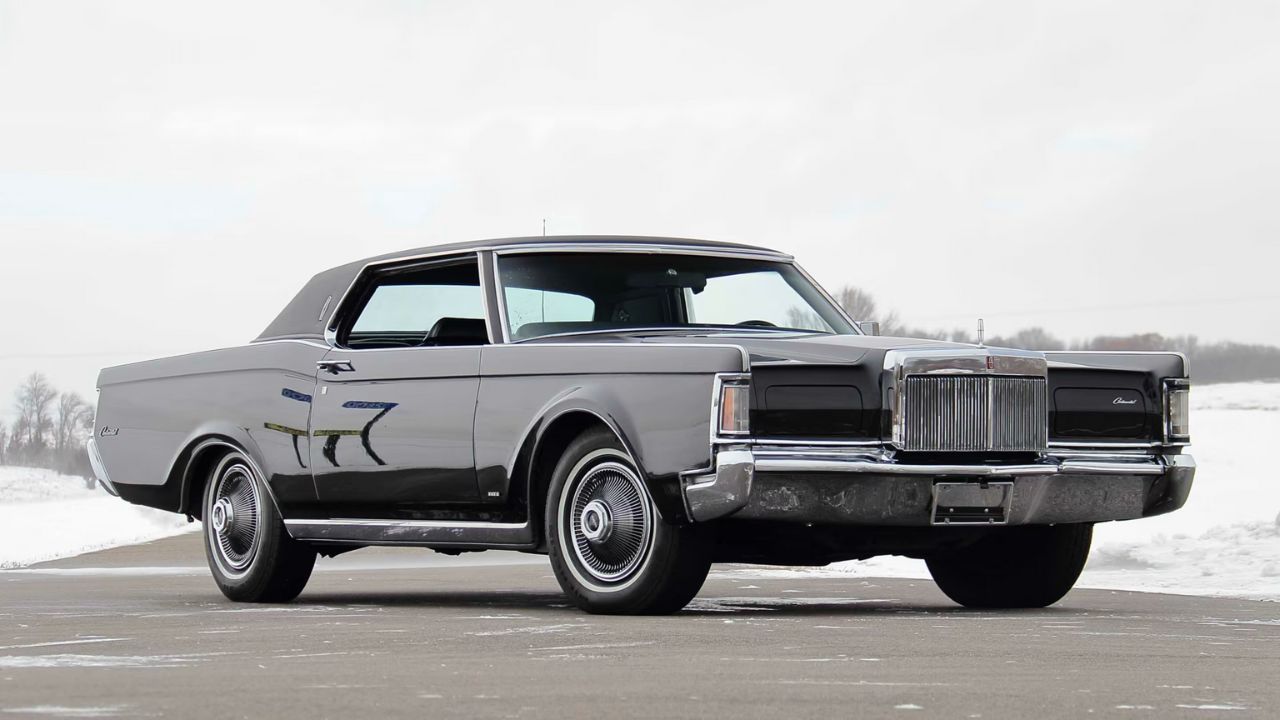
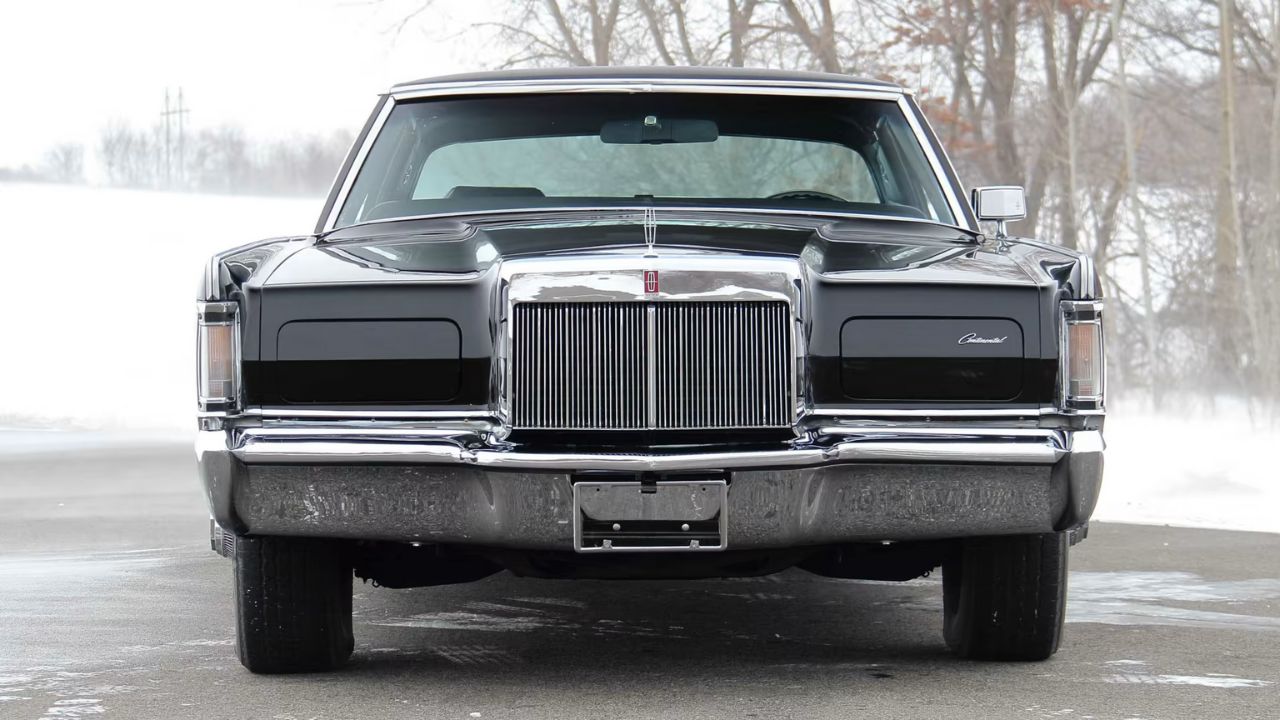
The Mark III’s design featured a prominent Rolls-Royce-inspired grille and hidden headlamps, giving it a distinctive and upscale appearance. The long hood and short deck proportions emphasized its status as a personal luxury coupe.
The rear’s simulated Continental spare tire hump added a touch of classic elegance, while the clean lines and chrome accents underscored its sophisticated styling. This design language set it apart from competitors and made a lasting impression.
Interior Luxury: Comfort and Craftsmanship
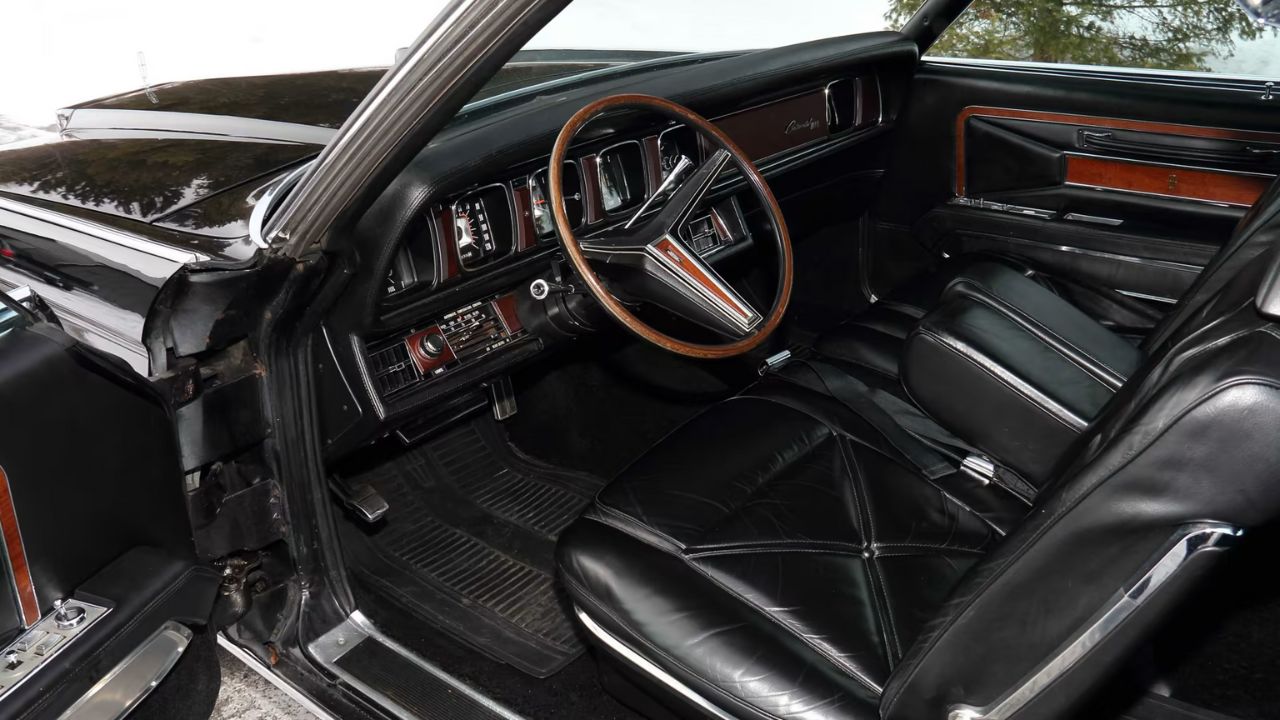
Inside, the Mark III boasted a cabin adorned with genuine walnut trim and plush seating options, including leather upholstery. The attention to detail extended to features like a Cartier-branded clock and comprehensive instrumentation.
Power-adjustable front seats, power windows, and optional air conditioning enhanced the comfort and convenience for occupants. The interior’s blend of luxury materials and thoughtful amenities created an inviting environment for both driver and passengers.
Suspension and Ride Quality: Smooth Sailing
The Mark III utilized a front independent suspension with coil springs and a rear leaf spring setup, providing a balanced and comfortable ride. This configuration absorbed road imperfections effectively, ensuring a smooth journey.
Power-assisted steering and brakes further contributed to the ease of handling, making the Mark III a pleasure to drive in various conditions. The suspension system’s tuning prioritized comfort without compromising stability.
Technological Features: Ahead of Its Time
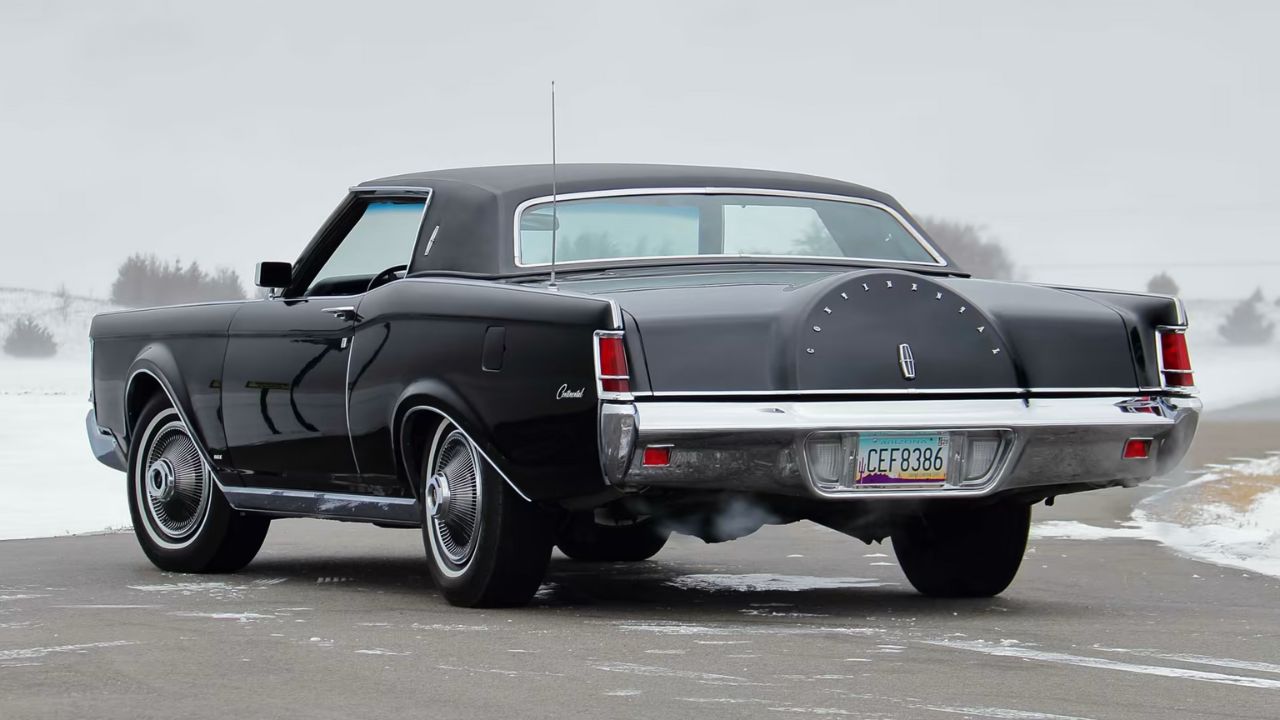
The Mark III offered several advanced features for its era, including vacuum-operated concealed headlamps and an optional Sure-Trak anti-lock braking system. These innovations enhanced both aesthetics and safety.
Additional options like cruise control and automatic climate control provided drivers with conveniences that were considered cutting-edge at the time. These technological advancements underscored Lincoln’s commitment to luxury and innovation.
Dimensions and Presence: Commanding the Road
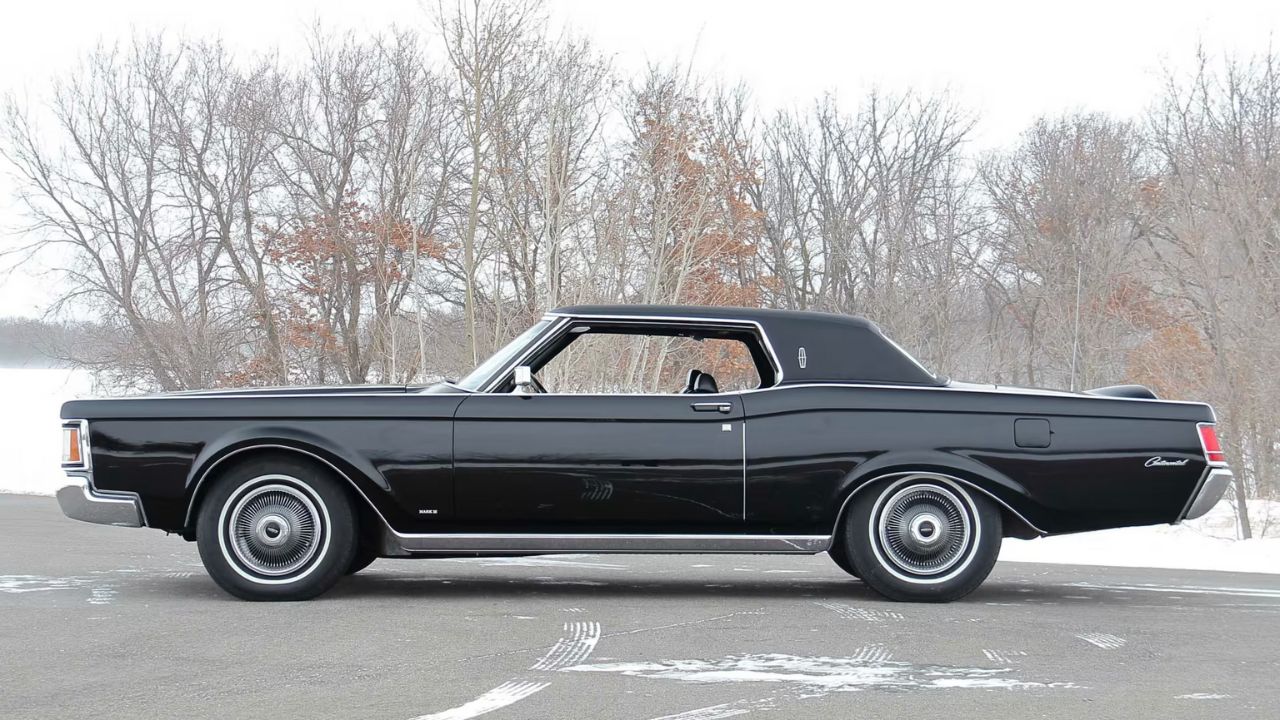
Measuring 216.1 inches in length with a wheelbase of 117.2 inches, the Mark III had a substantial presence on the road. Its width of 79.4 inches and height of 53 inches contributed to its low-slung, wide stance.
Weighing in at approximately 4,866 pounds, the Mark III’s size and mass were indicative of its luxury status. These dimensions not only provided ample interior space but also reinforced its commanding appearance.
Production and Popularity: A Commercial Success
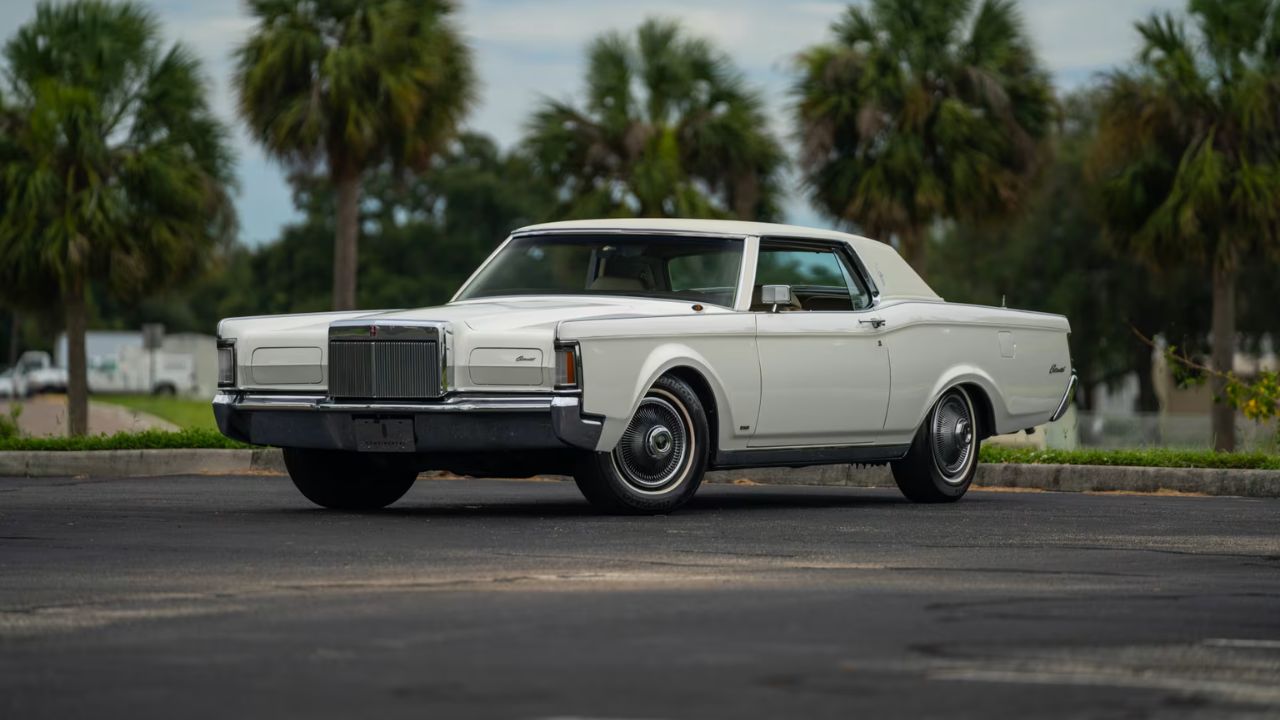
Produced from 1968 to 1971, the Mark III saw a total production of 79,381 units. Its debut was met with enthusiasm, and it quickly became a strong competitor in the personal luxury car market.
The Mark III’s success helped establish the Continental Mark series as a mainstay in Lincoln’s lineup, paving the way for future models like the Mark IV and Mark V. Its popularity demonstrated the market’s appetite for luxury coupes with distinctive styling and performance.
Competitive Edge: Taking on the Eldorado
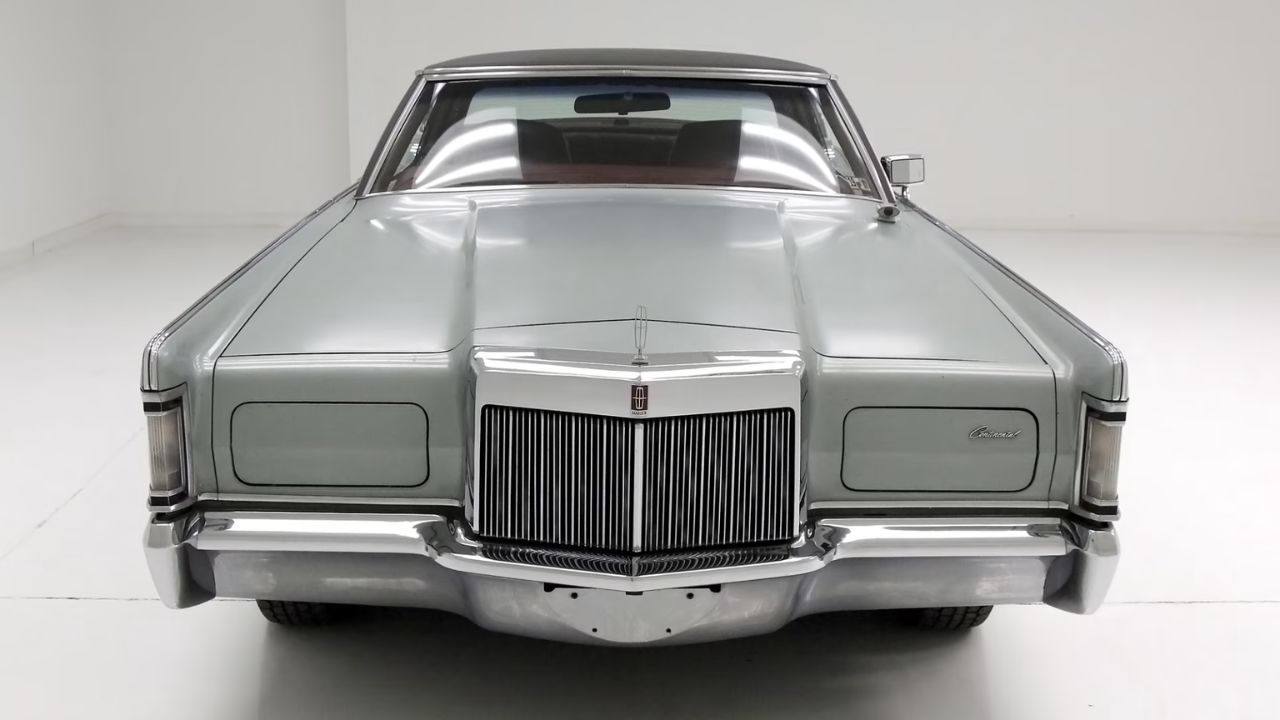
The Mark III was Lincoln’s response to the Cadillac Eldorado, aiming to capture a share of the personal luxury coupe segment. With its powerful engine, refined interior, and unique design, it offered a compelling alternative to its rival.
While the Eldorado featured front-wheel drive, the Mark III’s rear-wheel-drive layout appealed to traditional luxury car buyers. This direct competition spurred innovation and set the stage for a fierce rivalry in the luxury market.
Cultural Impact: A Star on Screen
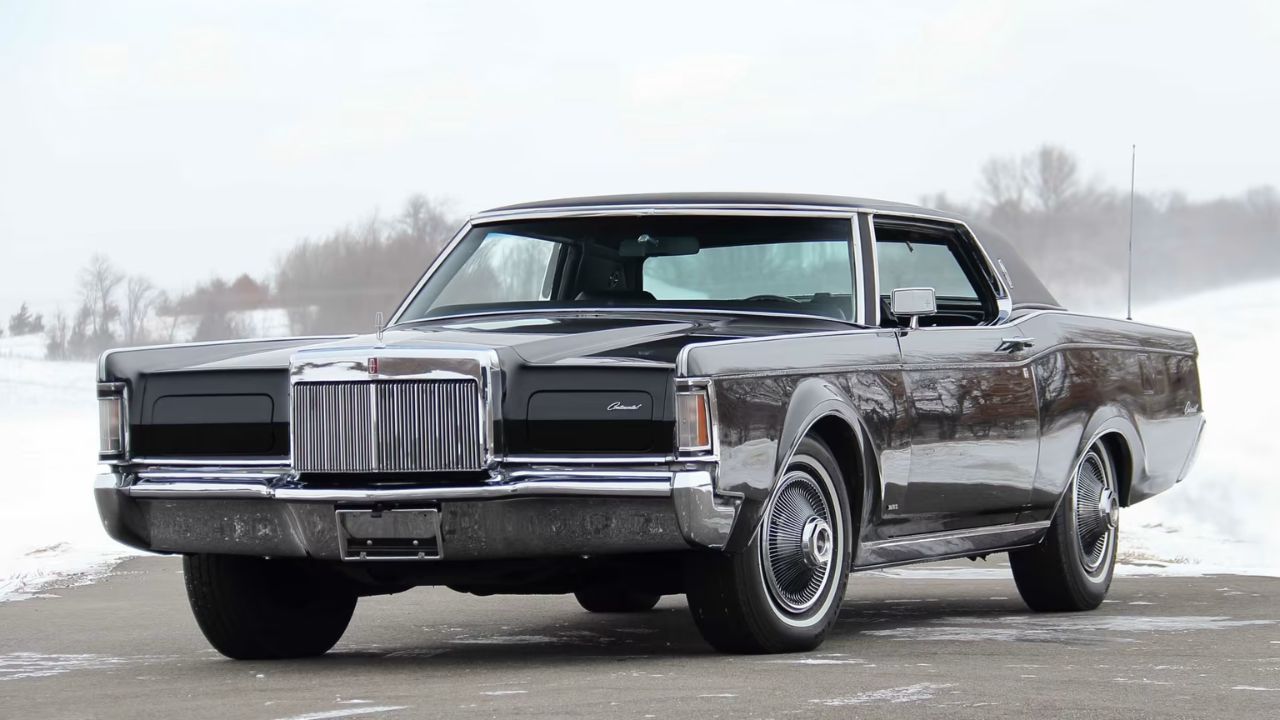
The Mark III’s striking appearance made it a favorite in popular culture, notably featuring in the 1977 horror film “The Car,” where it was customized for a menacing role. Its cinematic presence cemented its status as an icon of 1970s automotive design.
Beyond film, the Mark III was associated with celebrities and public figures, further enhancing its image as a symbol of luxury and success. Its cultural footprint remains a testament to its impact during its production years.
Legacy and Collectability: A Timeless Classic
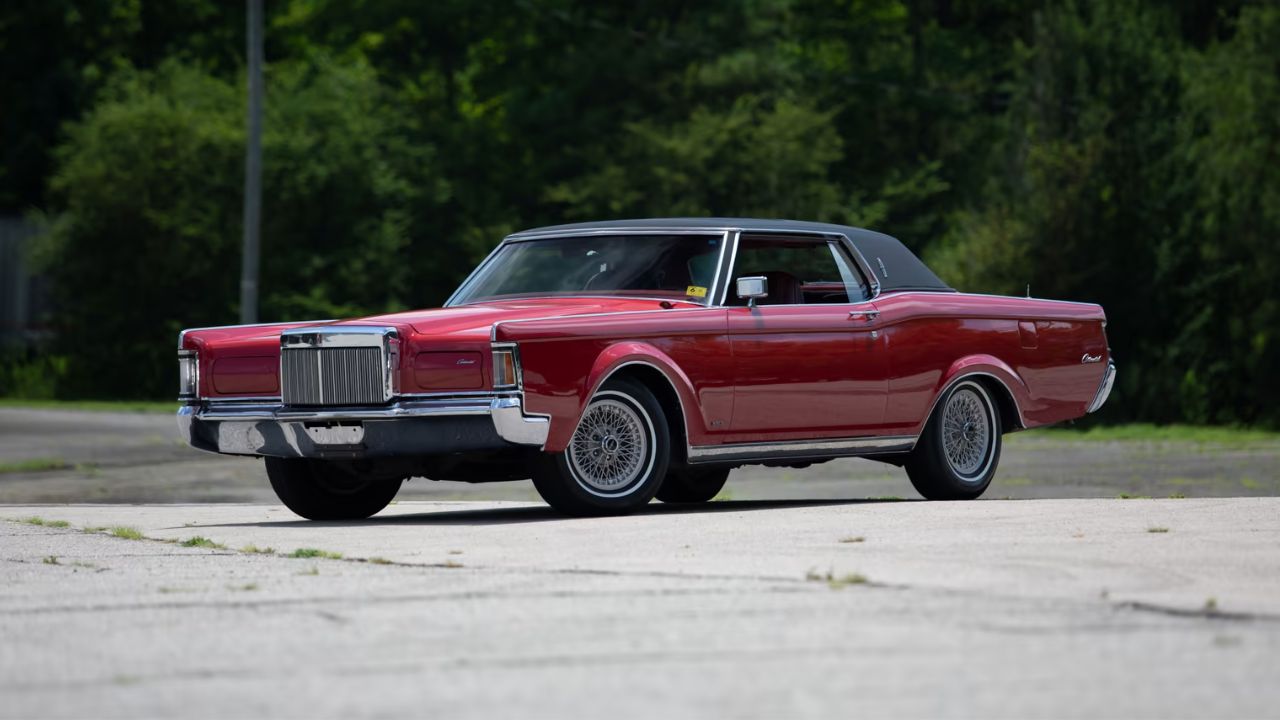
Today, the Lincoln Continental Mark III is celebrated by collectors and enthusiasts for its unique blend of style, performance, and luxury. Well-preserved examples are sought after, with values reflecting their historical significance.
The Mark III’s influence is evident in subsequent Lincoln models, and its place in automotive history is secure. As a representation of late 1960s and early 1970s luxury, it continues to captivate those who appreciate classic American automobiles.
*This article was hand crafted with AI-powered tools and has been car-fully, I mean carefully, reviewed by our editors.