As the automotive market evolves, the price disparity between U.S. cars and Chinese electric vehicles (EVs) is becoming increasingly pronounced. This growing gap raises questions about consumer choices, market dynamics, and the future of the automotive industry in both countries.
The Rise of Chinese EVs
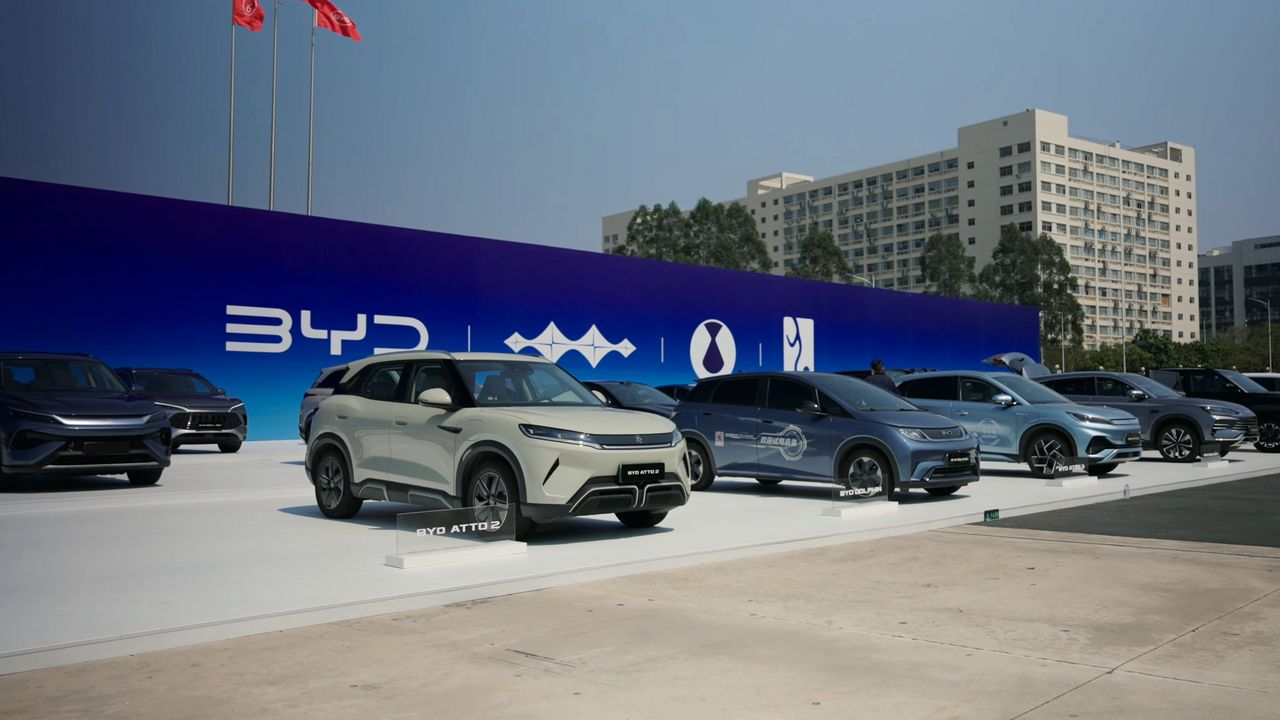
The Chinese electric vehicle market has experienced remarkable growth, driven by increasing demand for sustainable transportation and a government keen on reducing carbon emissions. Key players like BYD and Geely have emerged as significant competitors, producing a wide range of affordable and innovative EVs. In recent years, BYD has led the charge, becoming one of the largest EV manufacturers globally and contributing to the overall expansion of the industry.
Several factors contribute to the affordability of Chinese EVs. Government subsidies play a crucial role, incentivizing manufacturers to keep prices low and making EVs accessible to a broader range of consumers. Additionally, lower production costs, driven by economies of scale and a robust supply chain, enable Chinese companies to offer competitive pricing without compromising quality. Recent technological advancements, such as improved battery technologies and enhanced vehicle features, have further increased the appeal of these vehicles. For instance, BYD’s Blade Battery technology has made strides in safety and energy density, reinforcing the attractiveness of their models in both domestic and international markets.
Current U.S. Market Landscape
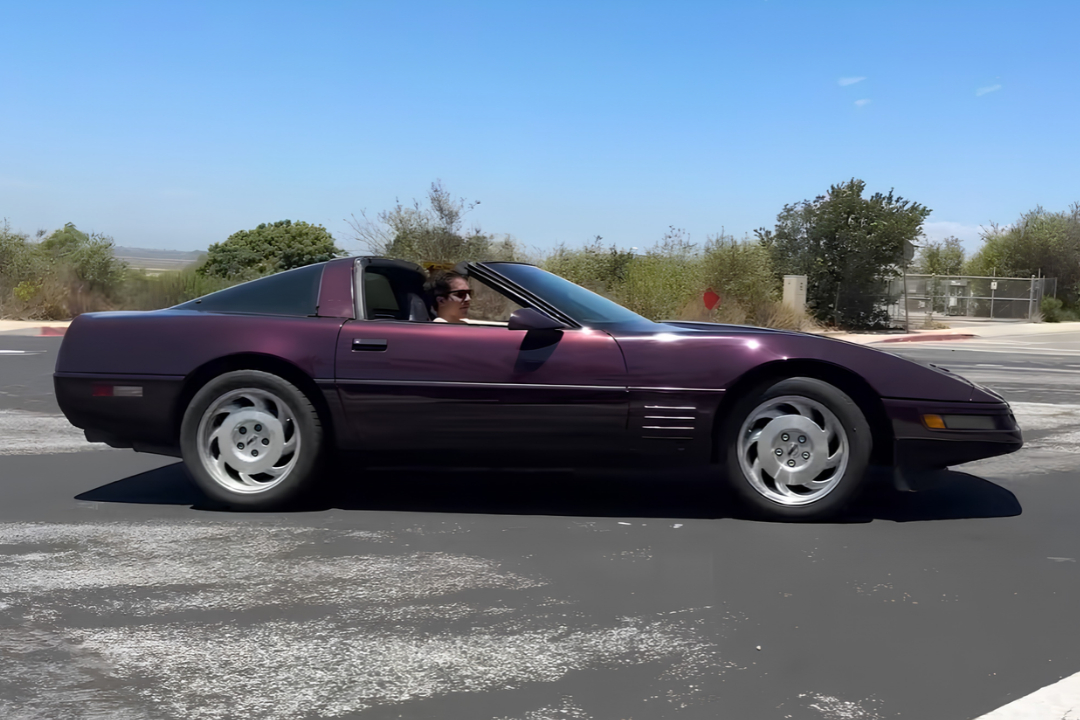
The pricing structure of U.S. cars presents a stark contrast to that of Chinese EVs. As of late 2023, the average price of new vehicles in the U.S. hovers around $48,000, significantly higher than the average price of Chinese EVs, which can be as low as $30,000. Brands like Tesla have set high consumer expectations with their premium offerings, creating a perception that electric vehicles must be expensive to be desirable. Traditional automakers, such as Ford and General Motors, are also attempting to align with this premium image while introducing their own electric models, which can further inflate consumer expectations.
Tariffs and trade policies have also played a role in shaping U.S. car pricing. Trade tensions between the U.S. and China have led to increased tariffs on imported vehicles, impacting the pricing strategies of American car manufacturers. These tariffs can add thousands of dollars to the cost of imported EVs, making it challenging for U.S. consumers to find affordable options. The resulting price pressures can discourage potential buyers from considering EVs, particularly when more affordable alternatives are available from Chinese manufacturers.
Price Discrepancies Explained
To better understand the price gap, it’s essential to break down the average prices of Chinese EVs versus U.S. vehicles. Current estimates suggest that the average Chinese EV costs around $30,000, while the average new car price in the U.S. exceeds $48,000. This discrepancy is not solely a matter of market positioning; it reflects deeper differences in manufacturing costs, supply chain logistics, and economies of scale. Chinese manufacturers often benefit from lower labor costs and substantial government support, which enables them to sell vehicles at prices that American automakers find difficult to match.
Consumer preferences also play a vital role in shaping the pricing strategies of both markets. In the U.S., brand loyalty and the association of certain brands with quality and reliability can lead consumers to accept higher price points. Conversely, in China, the rapid rise of domestic brands has cultivated a market more receptive to affordable options. This divergence in consumer sentiment creates a unique landscape where U.S. automakers must navigate their brand image while contending with a new wave of competitively priced Chinese EVs, potentially reshaping pricing strategies across the board.
Consumer Perception and Acceptance
U.S. consumer attitudes toward Chinese EVs are complex and can be influenced by various factors, including brand reputation and perceived quality. Recent survey data indicates that a significant portion of U.S. consumers remains hesitant to embrace Chinese EVs, primarily due to concerns about reliability and long-term value. While brands like BYD and Geely are gaining traction, many consumers still associate foreign-made vehicles with inferior quality compared to established U.S. automakers like Ford and Chevrolet.
Brand loyalty is a powerful force in the automotive industry. Many consumers have long-standing relationships with American brands, leading to a reluctance to switch to newer, less familiar options. This loyalty can be further complicated by marketing strategies that emphasize the heritage and reliability of traditional manufacturers. However, as consumer preferences shift towards sustainability and affordability, perceptions may begin to change, opening the door for greater acceptance of Chinese EVs in the U.S. market.
The Role of Government Regulations
Government regulations play a significant role in shaping the EV market landscape in both the U.S. and China. In the U.S., various incentives exist to promote EV adoption, including tax credits and emissions standards aimed at reducing carbon footprints. For instance, federal tax credits can provide consumers with up to $7,500 off their tax returns when purchasing eligible EVs. These incentives aim to offset the initial cost of EVs, but the effectiveness of these regulations can vary significantly between states.
In contrast, Chinese policies often focus on promoting domestic production and sales of electric vehicles. The Chinese government has implemented aggressive subsidies and incentives to encourage the growth of its EV market, which has resulted in a proliferation of affordable electric options. The regulatory environment in China has fostered innovation and competition among local manufacturers, making it easier for consumers to access a wider range of EVs at various price points. This difference in regulatory approaches significantly influences market dynamics and pricing strategies for both U.S. and Chinese automakers.
The Impact of Used EV Markets
The growth of the used EV market in the U.S. has also started to affect new vehicle pricing. As more affordable used EVs enter the market, they provide consumers with budget-friendly alternatives to new models. For example, used models like the Nissan Leaf and Chevrolet Bolt have become increasingly popular among cost-conscious buyers. This trend is creating a ripple effect, forcing new vehicle prices to be more competitive to attract buyers who can now consider pre-owned options.
Furthermore, the influx of used Chinese EVs could potentially alter the landscape of the U.S. market. As Chinese manufacturers expand their reach, the availability of used Chinese EVs may increase, offering American consumers even more options at lower price points. This shift could challenge U.S. automakers to innovate and adjust their pricing strategies to remain competitive in a rapidly evolving marketplace. The presence of affordable used Chinese EVs could also help accelerate EV adoption rates in the U.S., aligning with broader climate goals and sustainability efforts.
Future Projections for U.S. and Chinese Markets
Experts predict that the trajectory of EV prices in both the U.S. and China will continue to evolve as competition intensifies. In the U.S., automakers are under pressure to innovate and reduce costs to keep pace with the affordability of Chinese EVs. This could lead to new technologies, such as improved battery efficiency and reduced manufacturing costs, which would help bridge the price gap. Furthermore, as consumer demand for sustainable options grows, automakers may find themselves compelled to explore new pricing strategies that prioritize affordability.
On the other hand, the Chinese EV market is expected to maintain its momentum, with ongoing investments in technology and infrastructure aimed at enhancing the appeal of electric vehicles. As the market becomes increasingly saturated, further price reductions may be on the horizon, potentially leading to a more significant price gap between Chinese EVs and their U.S. counterparts. The implications of these developments extend beyond mere pricing; they could reshape consumer preferences and alter the competitive landscape for years to come.
Strategic Responses from U.S. Automakers
In response to the emerging threat from Chinese EVs, U.S. automakers are implementing various strategies to innovate and reduce costs. Companies like Ford and General Motors are ramping up their investments in electric vehicle technology, seeking to enhance efficiency and sustainability in their production processes. Initiatives such as Ford’s commitment to invest $50 billion in EV development by 2026 illustrate a determined effort to compete in this evolving market.
Collaborations and partnerships also play a crucial role in U.S. automakers’ strategic responses. For example, General Motors has partnered with LG Chem to develop advanced battery technologies, aiming to improve performance while reducing costs. As consumer demands for affordability and sustainability heighten, the automotive industry must adapt to meet these expectations, ensuring that American brands remain relevant in a competitive global market.
Global Implications of the Price Gap
The growing price disparity between U.S. cars and Chinese EVs could have significant implications for global automotive trends. As the U.S. and China continue to compete for dominance in the electric vehicle market, shifts in trade relations may emerge, impacting international market strategies. The rise of affordable Chinese EVs could lead to changes in consumer behavior worldwide, influencing how manufacturers design and price their vehicles.
Moreover, this price gap may affect global climate goals and the adoption rates of electric vehicles. As consumers worldwide look for affordable options, the success of Chinese EVs could accelerate the transition to electric mobility, contributing to international efforts to reduce carbon emissions. The dynamics of this market will likely continue to evolve, shaping the future of the automotive industry on a global scale and redefining consumer expectations for years to come.
More from Fast Lane Only