After months of anticipation and delays, Tesla has officially rolled out its Robotaxi app for Android users. This launch marks a significant step in the company’s vision for a fully autonomous ride-sharing platform, expanding accessibility beyond iOS users.
Background of Tesla’s Robotaxi Initiative
Tesla’s vision for autonomous ride-sharing has been a cornerstone of its strategic direction, aiming to revolutionize transportation by integrating AI-driven technology into its vehicles. The concept behind the Robotaxi initiative is to create a fleet of self-driving cars that can autonomously pick up and drop off passengers, ultimately reducing the need for personal car ownership. Tesla envisions that by leveraging its extensive data collection and machine learning capabilities, it can provide a more efficient and cost-effective ride-sharing alternative.
The company initially announced its plans for the Robotaxi project during its 2019 Autonomy Day, where CEO Elon Musk laid out a timeline for the rollout. At that time, Tesla projected that fully autonomous vehicles would hit the roads by 2020, creating an entirely new revenue stream. However, as with many ambitious technological initiatives, timelines have shifted amid various challenges, including regulatory hurdles and technological advancements.
The Robotaxi app is essential to this broader strategy, as it will enable users to summon autonomous vehicles on-demand through their smartphones. This app not only enhances Tesla’s service offerings but also aligns with the growing trend of shared mobility solutions in urban areas. With the launch of the Android version, Tesla is positioning itself to capture a larger market share among users who prefer Android over iOS.
Delay in Launch
The launch of the Android version of the Robotaxi app has faced several delays, primarily due to the complex nature of developing fully autonomous driving software. Tesla has been rigorously improving its Full Self-Driving (FSD) technology, which is integral to the Robotaxi experience. Software updates are frequent, and each iteration aims to enhance safety and reliability, causing some delays in the app’s development.
Moreover, the timeline for the Android app’s release has been closely linked to the progress of the iOS version, which was launched earlier. While the iOS app was made available to users in early 2023, Android enthusiasts had to wait longer, resulting in some frustration within the community. The extensive testing phase, driven by Tesla’s commitment to safety, contributed to this delay, as the company wanted to ensure that the app functioned seamlessly with its evolving FSD capabilities.
As a result, the Android launch, which finally occurred in late 2023, is seen as a significant milestone for Tesla. It underscores the company’s determination to provide a unified experience across platforms while ensuring that all safety measures are in place before making the technology widely available.
Features of the Robotaxi App
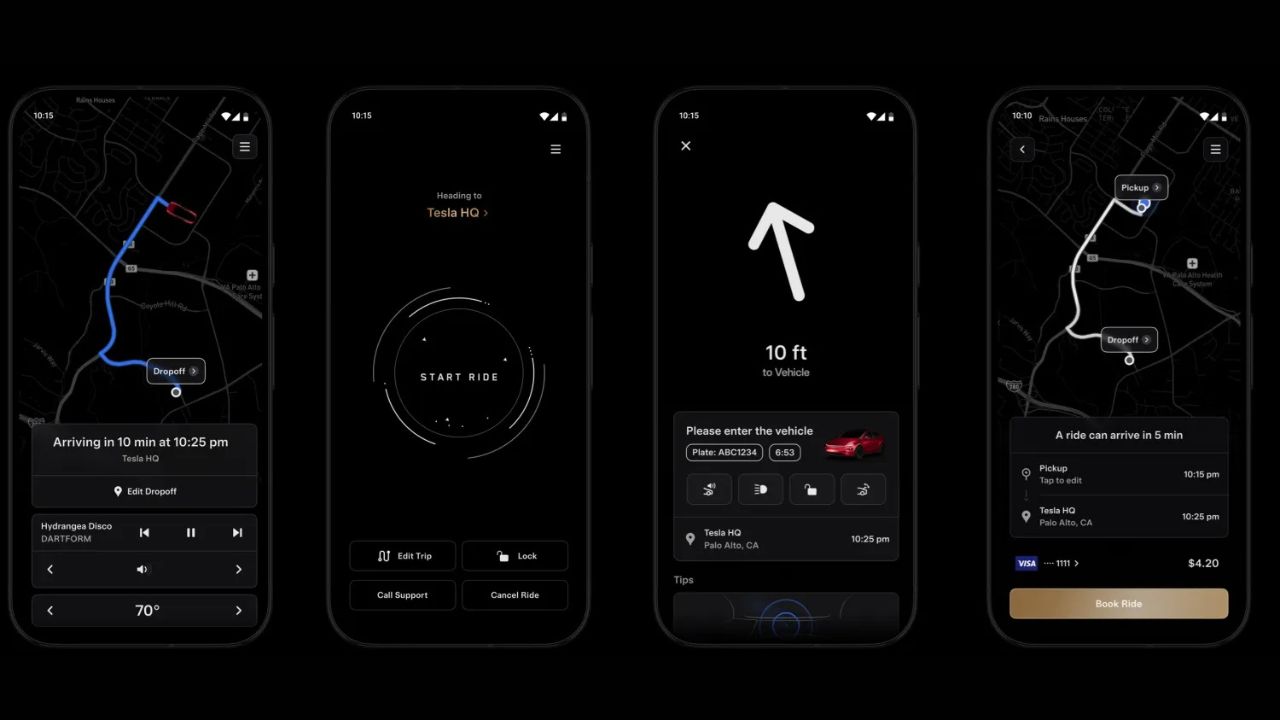
The Robotaxi app boasts several key functionalities designed to enhance the user experience. Upon launching the app, users can easily summon a Robotaxi with just a few taps on their Android devices. The app provides real-time vehicle tracking, allowing users to monitor the arrival time of their ride. Once the vehicle arrives, users can confirm their identity through a secure authentication process before getting in.
The user interface of the Robotaxi app is sleek and intuitive, making it easy for users to navigate through various options. Tesla has focused on providing a seamless experience, and this is evident in the integration of features such as payment processing, ride history, and customer support. Additionally, the app allows users to customize their ride preferences, including temperature settings and music selection, enhancing the overall experience.
Notably, the Robotaxi app is designed to integrate seamlessly with Tesla’s existing services, such as service scheduling and software updates. This holistic approach not only makes it convenient for users but also reinforces Tesla’s commitment to providing a comprehensive ecosystem for its customers. With the app now available on Android, it represents a significant step toward achieving the company’s vision of a fully autonomous ride-sharing platform.
Consumer Reactions and Expectations
Initial feedback from Android users following the launch of the Robotaxi app has been overwhelmingly positive. Many users have praised the app’s user-friendly interface and the efficiency with which they can book a ride. Social media platforms and forums have been abuzz with reactions, with users sharing their experiences and expressing excitement about the possibilities that the Robotaxi service presents.
Some users have highlighted the app’s real-time tracking feature, which enhances their sense of security while waiting for a ride. Others have expressed anticipation for the future development of the app, particularly regarding the incorporation of advanced features such as voice command capabilities and personalized ride experiences. As the Robotaxi service expands, the potential to integrate user feedback into future updates could further enhance customer satisfaction.
The launch of the Robotaxi app is expected to significantly impact Tesla’s customer base and market reach. With the app now available for Android users, Tesla is poised to attract a broader demographic, particularly in regions where Android devices are more prevalent. As ride-sharing becomes increasingly popular, the Robotaxi app positions Tesla to be a key player in this competitive landscape.
Regulatory and Safety Considerations
As Tesla has developed its Robotaxi app, it has faced various regulatory hurdles, particularly concerning autonomous driving technology. Regulatory bodies in different regions have different requirements for fully autonomous vehicles, which has made it challenging for Tesla to implement its vision uniformly. The company has been proactive in engaging with regulators to ensure compliance while advocating for more streamlined regulations that accommodate new technologies.
Safety has been a primary focus for Tesla throughout the app’s development. The company has invested heavily in research and development to ensure that its FSD technology meets stringent safety standards. This includes extensive testing in diverse driving conditions and continuous software updates to improve performance. Tesla has maintained transparency with its users regarding safety measures and the capabilities of its autonomous technology.
Looking ahead, the implications for ride-sharing regulations in various markets will be significant. As Tesla demonstrates the feasibility of autonomous ride-sharing through the Robotaxi app, it may pave the way for more favorable regulatory environments. This, in turn, could encourage other companies to explore similar technologies, further shaping the future of transportation.
Future of the Robotaxi App
Following the launch of the Robotaxi app, Tesla has outlined plans for further updates and enhancements. The company has committed to continually improving the app based on user feedback and advancements in technology. Future updates may include expanded features such as enhanced route optimization, improved AI-driven recommendations for ride-sharing, and potential integration with other services.
In addition to feature enhancements, Tesla’s expansion strategy involves rolling out the Robotaxi service to new cities and regions. As the company gathers data from its initial launches, it will be better positioned to identify areas where the service can thrive. Reports indicate that Tesla is considering major urban centers as potential next steps for its Robotaxi service, aiming to tap into high-density markets where demand for ride-sharing is substantial.
Moreover, Tesla is exploring potential partnerships with other ride-sharing platforms to enhance its service offering. Collaborations could provide additional resources and technology sharing, further solidifying Tesla’s position in the competitive landscape of autonomous transportation. As the Robotaxi app continues to evolve, its potential to disrupt traditional ride-sharing models grows more apparent.
Competitive Landscape
The launch of the Robotaxi app places Tesla in direct competition with other autonomous ride-sharing services, including established players like Uber and Lyft. While these companies have made significant strides in the ride-sharing space, Tesla’s unique selling points—such as its proprietary FSD technology and extensive fleet of electric vehicles—enable it to carve out a distinctive niche.
Tesla’s integration of AI and machine learning into its vehicles provides a technological advantage that many competitors may struggle to replicate. The company’s ability to gather real-time data from its vast fleet allows it to refine its algorithms continuously, enhancing safety and efficiency. This positions Tesla as a frontrunner in the race toward fully autonomous ride-sharing.
As the competitive landscape evolves, maintaining a technological edge will be crucial for Tesla. Its commitment to innovation and customer experience will play a pivotal role in ensuring long-term success in the autonomous ride-sharing sector. By capitalizing on its strengths, Tesla aims to not only compete but also redefine the future of urban transportation.
Impact on Tesla’s Business Model
The introduction of the Robotaxi app is a pivotal development in Tesla’s business model, as it aligns with the company’s strategy to diversify its revenue streams. By tapping into the ride-sharing market, Tesla is positioning itself to benefit from a growing demand for shared mobility solutions. The app represents an opportunity for Tesla to generate recurring revenue through service fees while also leveraging its existing customer base.
Furthermore, the Robotaxi app has the potential to increase user engagement and brand loyalty. As customers become more accustomed to using Tesla’s services, they may be more inclined to purchase or lease Tesla vehicles, further driving sales. The seamless integration of the Robotaxi app with Tesla’s ecosystem creates a compelling value proposition for users, encouraging them to remain within the Tesla brand.
Long-term financial implications of a successful Robotaxi rollout could be substantial. Analysts project that the ride-sharing segment could contribute significantly to Tesla’s overall revenue, potentially surpassing traditional vehicle sales in the coming years. As the company continues to innovate and expand its offerings, the Robotaxi app could become a cornerstone of Tesla’s growth strategy.
More from Fast Lane Only