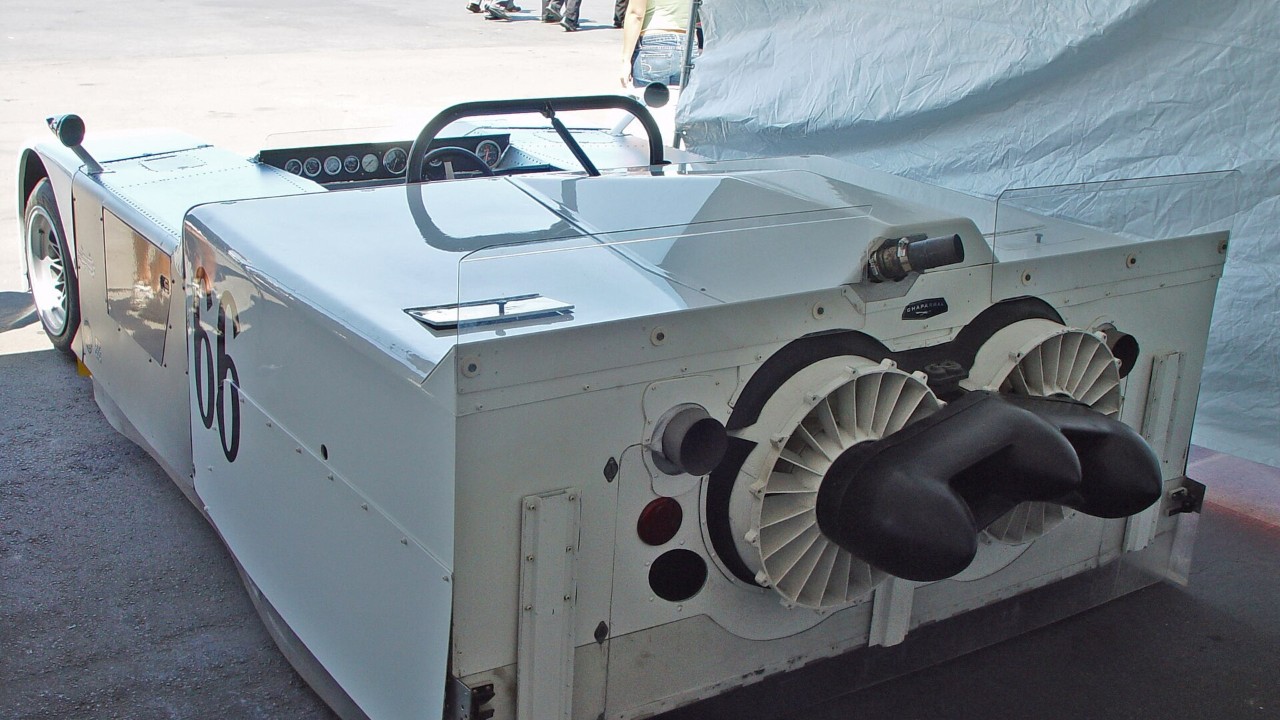
The Chevrolet ZL1 427 was one of the most extreme engines ever developed during the muscle car era, combining racing-grade aluminum construction with breathtaking power potential. Built in extremely limited numbers, it was so expensive and radical that it nearly replaced the already feared L88 as Chevrolet’s ultimate performance option.
Chevrolet engineered the ZL1 as a secret racing weapon
When General Motors developed the Chevrolet ZL1 427 program, the goal was not mass production but absolute competition dominance. The engine was based on the proven 427 big-block architecture used in the L88, but it was redesigned with an all-aluminum block and heads to drastically reduce weight. This made it ideal for drag racing and road racing applications where power-to-weight ratio mattered as much as raw horsepower.
The Chevrolet ZL1 427 was originally intended for racing homologation, particularly for Can-Am and drag strip competition. Engineers pushed the limits of durability and performance, creating an engine that was wildly expensive to build and assemble. Its rarity came not from lack of capability, but from the fact that it was so costly that even Chevrolet dealers struggled to justify ordering it for regular customers.
The ZL1 outperformed the already legendary L88 in key ways
The ZL1 was closely related to the already feared Chevrolet L88 427, which was itself one of the most aggressive factory big-block setups of the era. However, the ZL1 took everything further by using aluminum construction, which significantly reduced front-end weight and improved handling balance. This gave it an advantage not just in straight-line acceleration but also in track performance where agility mattered.
In theory, the ZL1 produced similar or greater horsepower than the L88, but its real advantage came from how quickly it delivered that power. The reduced weight made the entire car feel more responsive and violent under acceleration. On paper it was an evolution, but in practice it felt like a race engine barely disguised for street legality, pushing Chevrolet’s performance image into even more extreme territory.
Extreme cost made the ZL1 nearly impossible to sell
While the Chevrolet ZL1 427 represented the peak of Chevrolet engineering ambition, its biggest weakness was cost. The all-aluminum construction made it dramatically more expensive than even the L88 option, placing it far beyond the reach of most muscle car buyers in the late 1960s. In many cases, the engine package cost more than the base vehicle itself, which immediately limited demand.
Only a handful of ZL1-equipped cars were ever produced, making it one of the rarest factory performance setups in Chevrolet history. Dealers rarely promoted it because it was difficult to sell and required a very specific type of buyer who understood its racing purpose. Today, that rarity has transformed it into one of the most valuable and collectible big-block engines ever built.
More From Fast Lane Only: