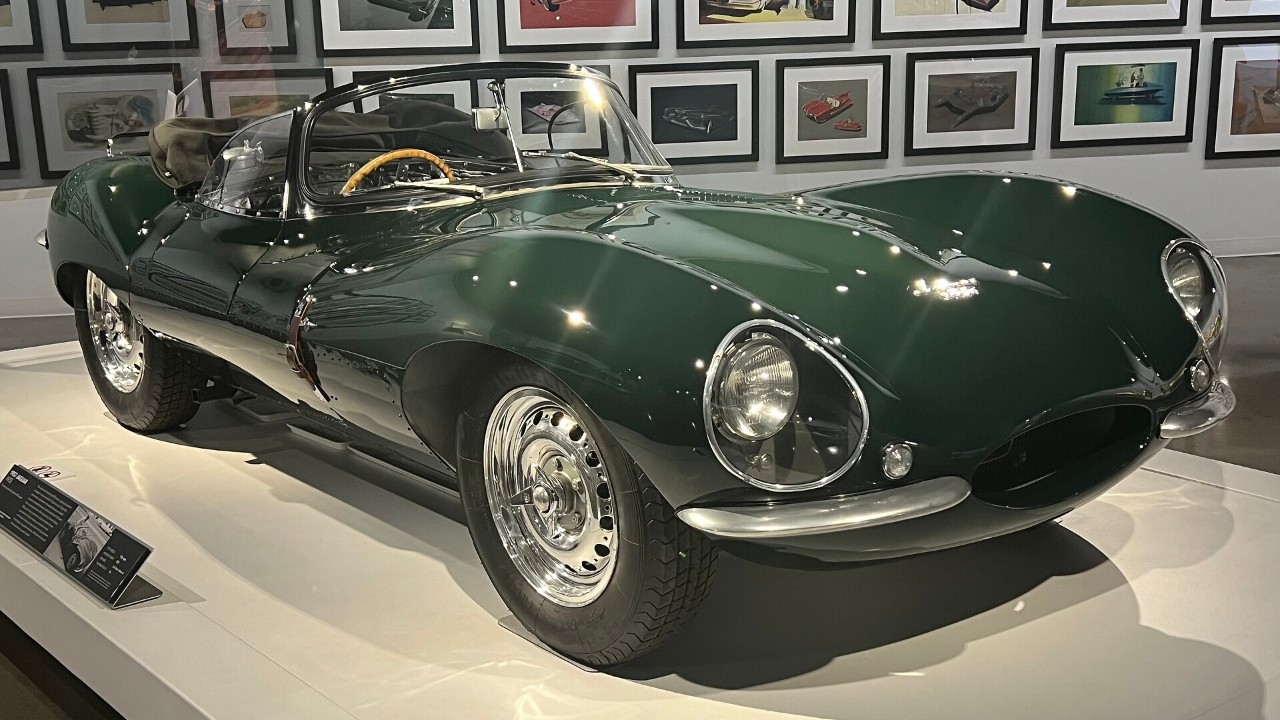
In the world of automotive engineering, some engines have left an indelible mark, only to fade from production much too soon. Mechanics often reminisce about these unique power plants that offered exceptional performance, innovative designs, or simply character that made them stand out. In this article, I’ll highlight seven engines that I believe mechanics say disappeared too soon and delve into why they are still celebrated today.
The Mazda Wankel Rotary Engine

The Mazda Wankel rotary engine is famed for its compact size and smooth operation. Developed in the 1960s, it revolutionized engine design with its unique rotary combustion process. This engine powered iconic models like the Mazda RX-7 and RX-8, providing excellent power-to-weight ratios and exceptional handling characteristics. Despite its advantages, the Wankel faced challenges with fuel economy and emissions, which limited its broader adoption. As a result, Mazda ceased production in recent years, leaving enthusiasts longing for its distinct sound and performance. The rotary engine remains a testament to innovative engineering.
Interestingly, Mazda has hinted at reviving the rotary engine for hybrid applications, which could reignite interest in this remarkable piece of technology. Its unique design, combined with modern advancements, could offer a fresh take on a classic engine. With its lightweight construction and high-revving nature, the rotary engine could potentially find new life in sports cars or even eco-friendly vehicles in the future.
The Ford Flathead V8
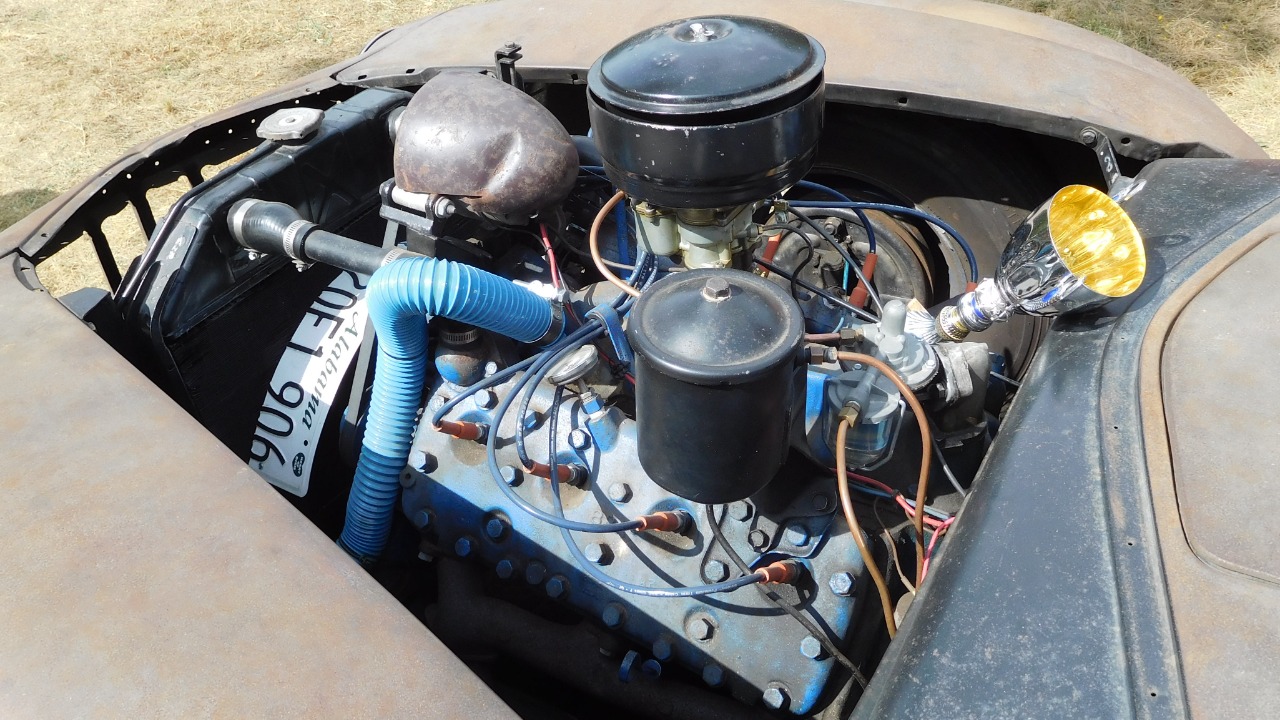
The Ford Flathead V8 holds a legendary status among car enthusiasts. Introduced in 1932, this engine was one of the first mass-produced V8s, providing an affordable option for performance. It powered popular models like the Ford Model 18 and the early Ford trucks, becoming synonymous with the hot rod culture of the 1950s. Its simple design and ease of modification made it a favorite among custom car builders.
Despite its impact, the Flathead V8 was phased out in favor of more efficient engines. However, its legacy lives on, as it laid the groundwork for future V8 designs. Many vintage car enthusiasts still seek out this engine for restoration projects, appreciating its charm and historical significance. The Flathead V8 represents a bygone era of American automotive history, one that many still cherish today.
The Chrysler Hemi (Early Models)
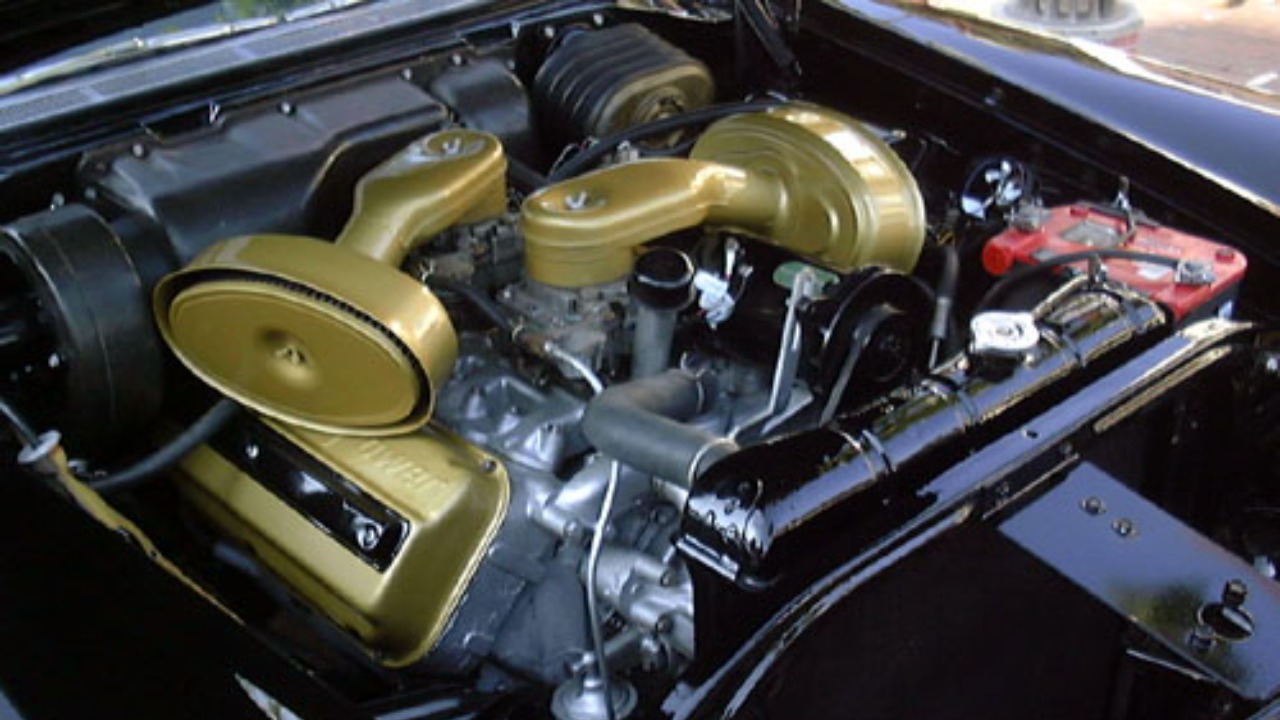
The early models of the Chrysler Hemi engine, particularly those produced in the 1950s and 1960s, are revered for their raw power and distinctive performance characteristics. Its hemispherical combustion chamber design, it allowed for efficient airflow and higher compression ratios, making it a favorite among muscle car enthusiasts. Models like the Chrysler 300C and Dodge Charger found themselves equipped with these engines, delivering impressive horsepower and torque.
As emissions regulations tightened in the 1970s, the original Hemi design began to fade from the market. While Chrysler eventually revived the Hemi name for modern engines, those early iterations hold a special place in the hearts of classic car fans. Their unique sound and performance capabilities make them a sought-after option for restorations, and they remain a symbol of the golden age of American muscle cars.
The BMW M88
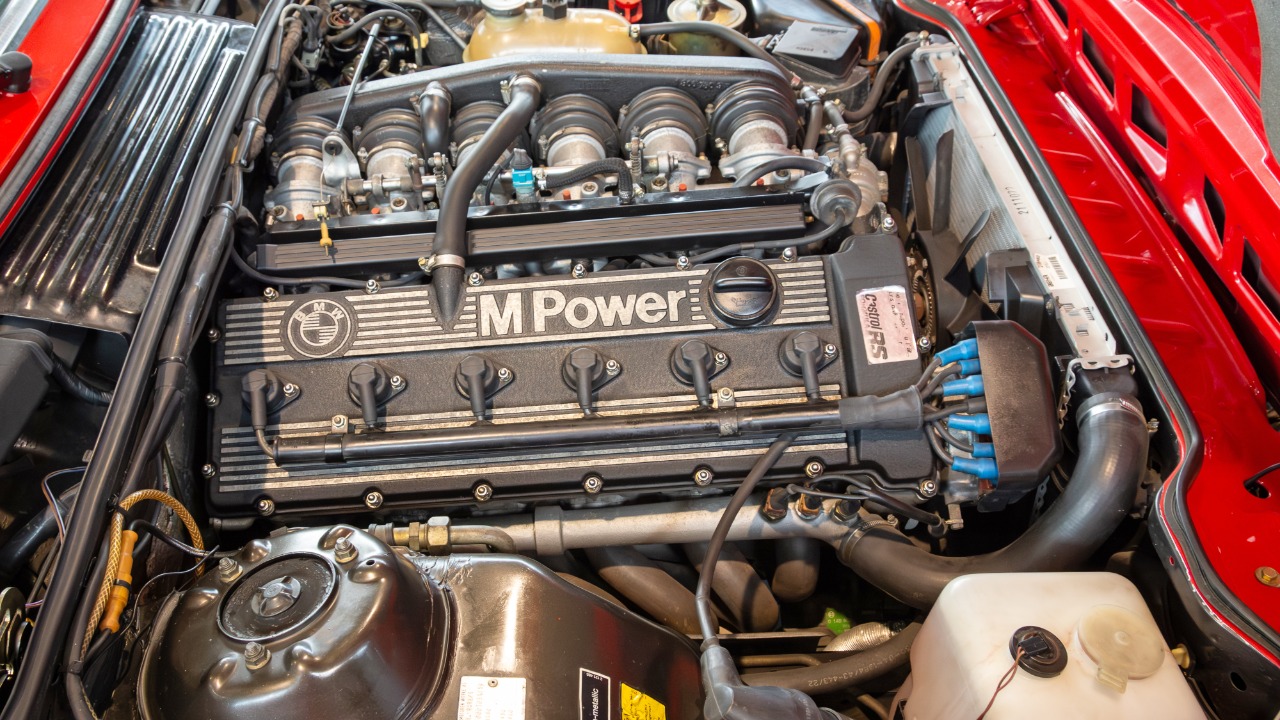
The BMW M88 engine is another example of an incredible power plant that disappeared too soon. Introduced in the late 1970s, this inline-six engine powered the legendary BMW M1, which was BMW’s first supercar. The M88 was known for its high-revving capabilities and robust performance, generating an impressive 277 horsepower. Its design was groundbreaking, utilizing a DOHC configuration and individual throttle bodies, which contributed to its exhilarating driving experience.
Unfortunately, due to changing emissions regulations and the transition towards turbocharged engines, the M88 saw a limited production run. Despite its short lifespan, the M88 engine remains a favorite among collectors and racing enthusiasts. Its engineering excellence laid the foundation for future BMW performance engines, and its influence can still be felt in the brand’s current lineup of high-performance vehicles.
The Mitsubishi 4G63
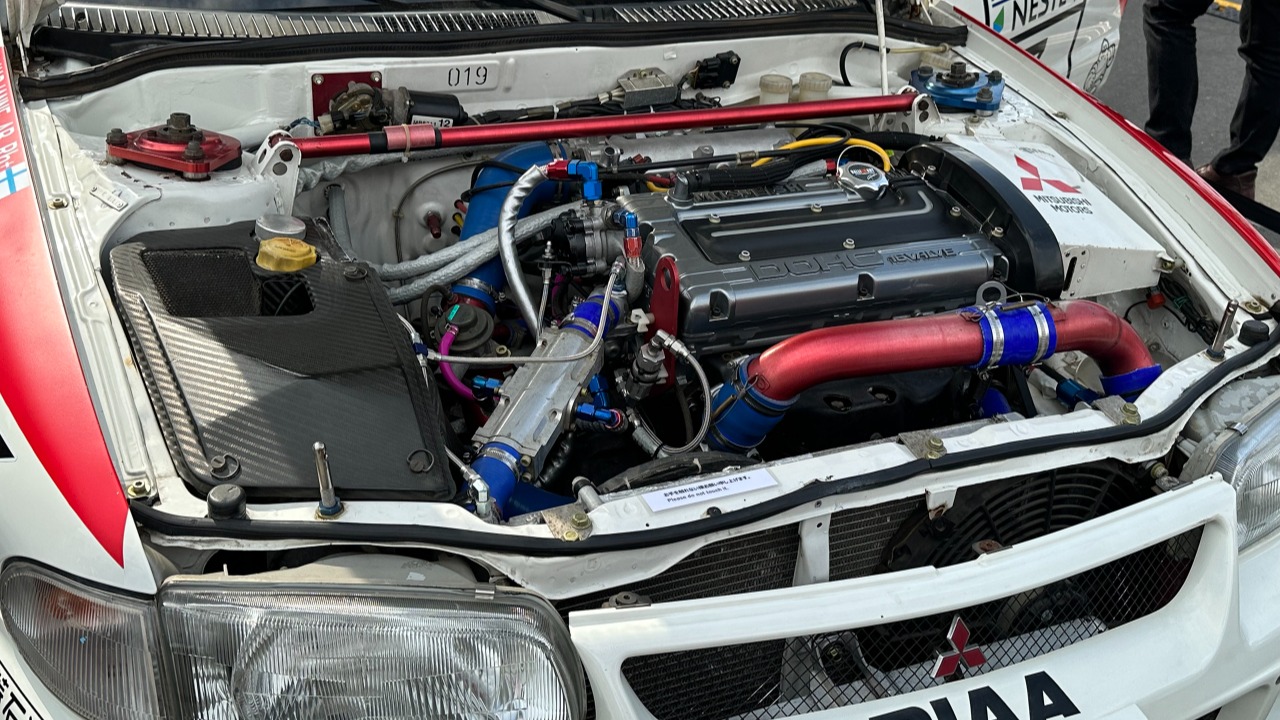
The Mitsubishi 4G63 engine is celebrated in the world of performance tuning and motorsports. This four-cylinder turbocharged engine powered iconic vehicles like the Mitsubishi Eclipse and Lancer Evolution. Known for its impressive output and potential for modifications, the 4G63 became a staple among tuners in the 1990s and early 2000s.
Despite its popularity, Mitsubishi phased out the 4G63 in favor of newer engine technologies. However, its legacy continues to thrive in the aftermarket scene, with numerous performance upgrades available for enthusiasts looking to extract more power. The 4G63 remains a symbol of turbocharged performance, showcasing Mitsubishi’s engineering prowess during a pivotal time in automotive history.
The Nissan SR20DET
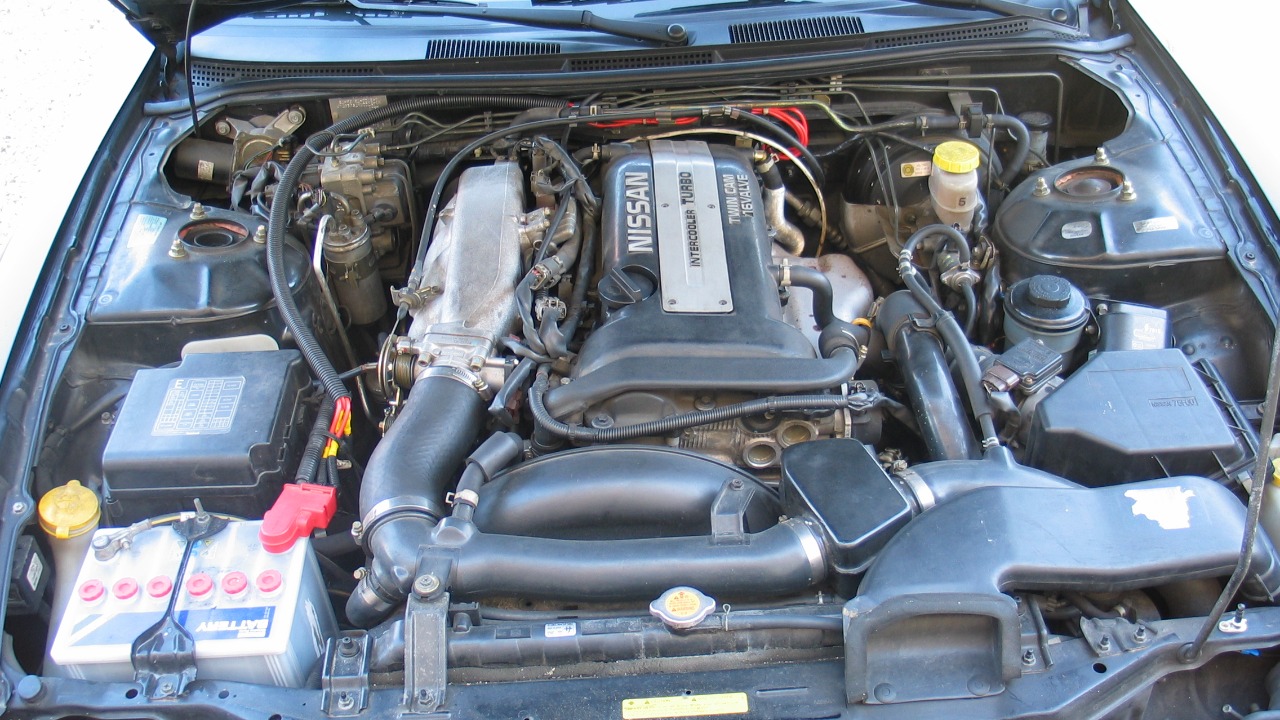
The Nissan SR20DET engine is renowned for its versatility and performance potential. This turbocharged inline-four engine powered various models, including the Nissan Silvia and 240SX, making it a favorite among drift and motorsport enthusiasts. The SR20DET was celebrated for its robust design, allowing for significant power upgrades with relatively simple modifications.
Although Nissan has moved on to newer engine technologies, the SR20DET continues to enjoy a cult following. Its tunability, combined with a strong aftermarket support network, ensures that this engine remains relevant in the performance community. Many enthusiasts still seek out the SR20DET for their builds, appreciating the balance between power and reliability it offers.
The Ferrari Dino V6
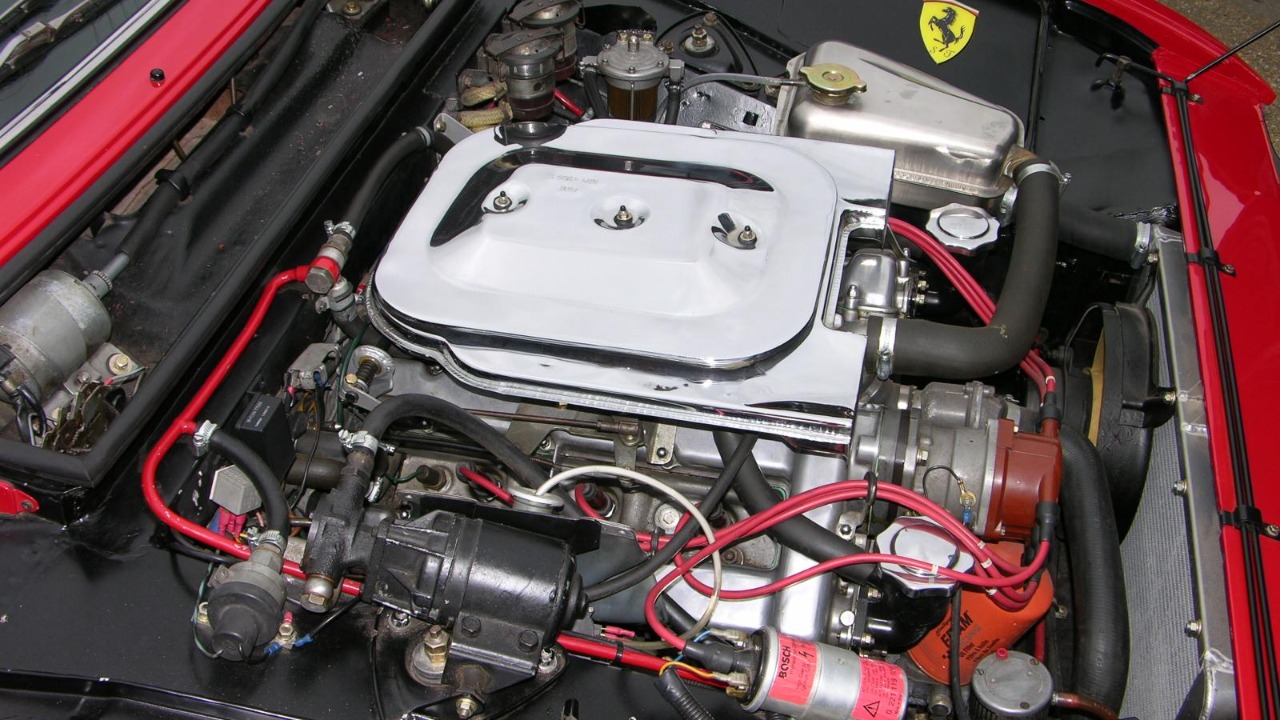
The Ferrari Dino V6 engine, introduced in the 1960s, is often viewed as a missing link in Ferrari’s illustrious history. Named after Enzo Ferrari’s son, this engine powered models like the Ferrari 206 and 246 GT. Known for its lightweight design and high-revving nature, the Dino V6 provided an exhilarating driving experience that captured the essence of Ferrari’s racing heritage.
Despite its success, the Dino V6 was eventually overshadowed by Ferrari’s more powerful V8 and V12 engines. However, its unique characteristics and sound still resonate with collectors and enthusiasts today. The Dino V6 represents a unique chapter in Ferrari’s legacy, showcasing the brand’s commitment to innovation and performance during a transformative era in automotive history.
More from Fast Lane Only
- Unboxing the WWII Jeep in a Crate
- 15 rare Chevys collectors are quietly buying
- 10 underrated V8s still worth hunting down
- Police notice this before you even roll window down
*Research for this article included AI assistance, with all final content reviewed by human editors.