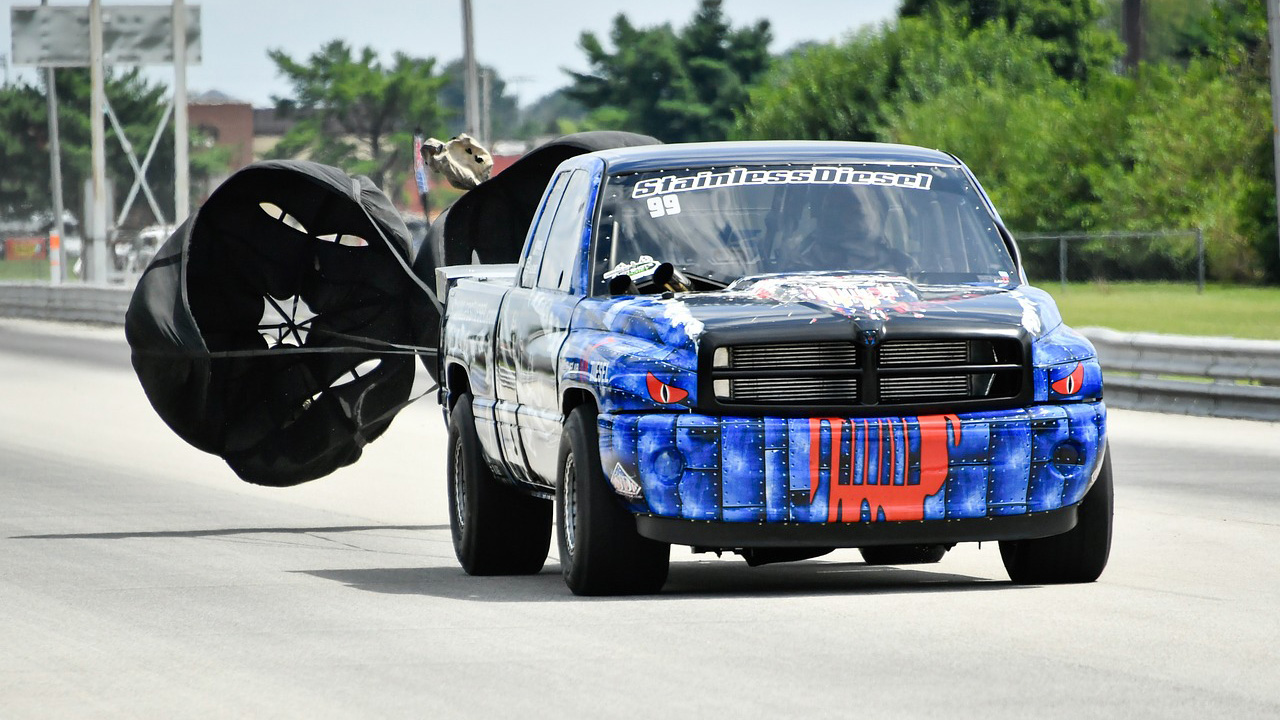
Parachutes are an integral component in the realm of drag racing, serving as a vital mechanism for decelerating high-speed vehicles. Their role is not only pivotal in ensuring the safety of drivers but also in enhancing the overall performance of drag cars. Through innovation and technological advancements, parachutes have evolved significantly, becoming more reliable and efficient in their application in motorsports.
The Evolution of Parachute Technology in Drag Racing
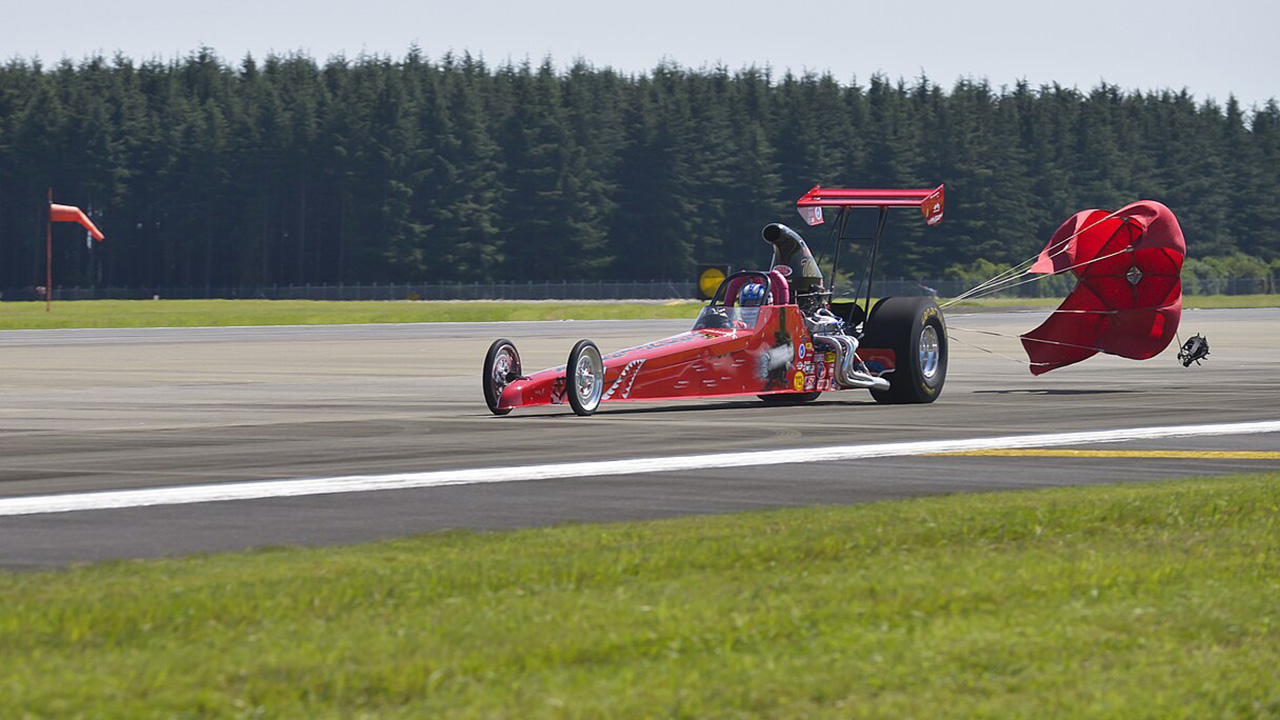
The historical development of parachute systems in drag racing shows a fascinating transition from basic, rudimentary designs to the sophisticated systems we see today. Originally, parachutes were simple canvas canopies, which were effective to some extent but lacked the precision and reliability required for modern drag racing. Over time, engineers and designers began to experiment with new materials and designs, leading to significant improvements in the functionality and safety of these systems.
Modern parachute technology incorporates advanced materials such as lightweight nylon and Kevlar, which offer enhanced strength and durability. These materials have improved the reliability and efficiency of parachutes, enabling them to withstand the immense forces encountered during deployment. Moreover, technological advancements have allowed for the development of more complex canopy shapes and deployment mechanisms, optimizing the aerodynamic performance of parachutes.
Aerodynamics play a crucial role in the performance of parachutes. The shape and design of a parachute, along with the speed and angle of deployment, significantly affect its efficiency. Understanding these aerodynamic principles is essential for optimizing the performance of parachutes in drag racing, ensuring they provide the necessary deceleration without compromising the stability of the vehicle.
Mechanics of Parachute Deployment in Drag Cars
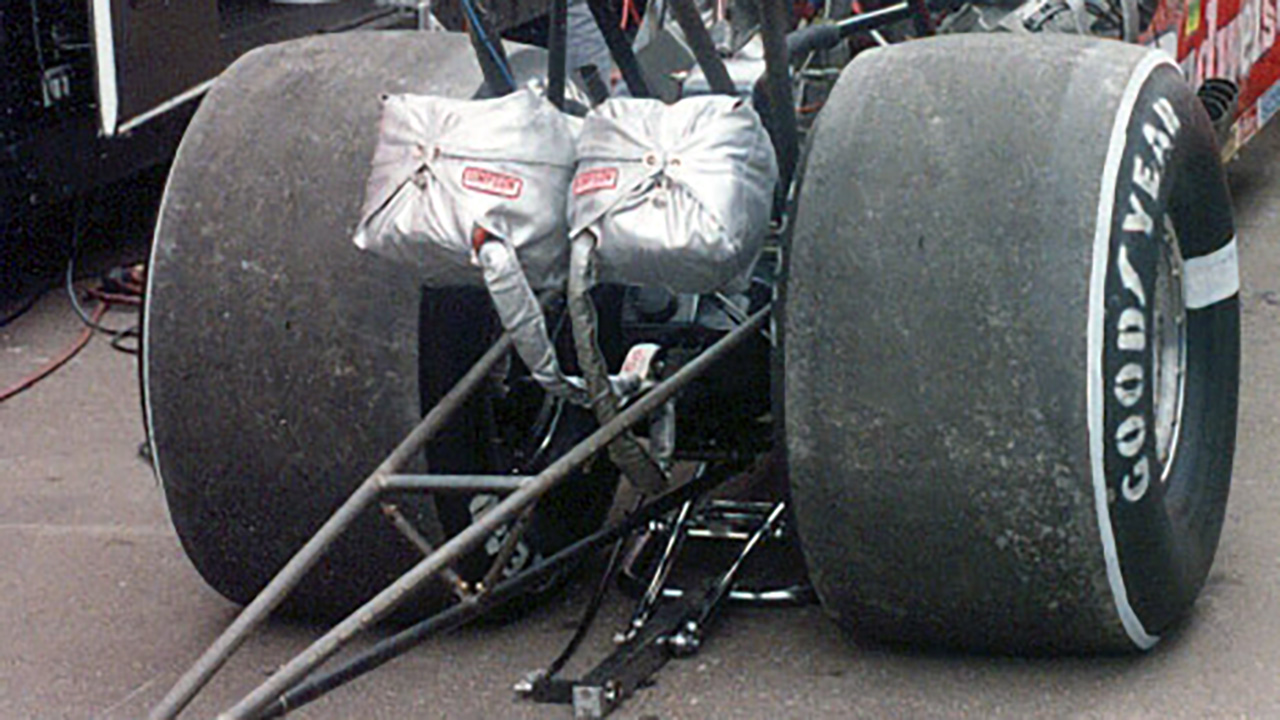
The deployment process of parachutes in drag racing is a critical aspect that requires precise timing and execution. Typically, the parachute is deployed at the end of a race, once the vehicle has crossed the finish line. The timing of this deployment is crucial, as deploying too early or too late can lead to suboptimal deceleration or even accidents. The deployment mechanism is usually activated by the driver, who pulls a lever or presses a button to release the parachute from its housing.
Key components of a parachute system include the canopy, the pilot chute, the deployment bag, and the anchor points on the vehicle. The canopy is the main component that provides the necessary drag for deceleration, while the pilot chute helps to deploy the main canopy by creating an initial drag force. The deployment bag contains the folded parachute, ensuring it deploys correctly, and the anchor points secure the parachute to the vehicle, ensuring it remains connected during deployment.
Challenges in parachute deployment can arise from various factors, such as equipment failure, improper packing, or adverse weather conditions. To mitigate these risks, teams must regularly inspect and maintain their parachute systems, ensuring they are in optimal condition. Additionally, advancements in deployment technology, such as automatic deployment systems, are being explored to enhance the reliability and safety of parachute deployment in drag racing.
Safety and Performance Benefits
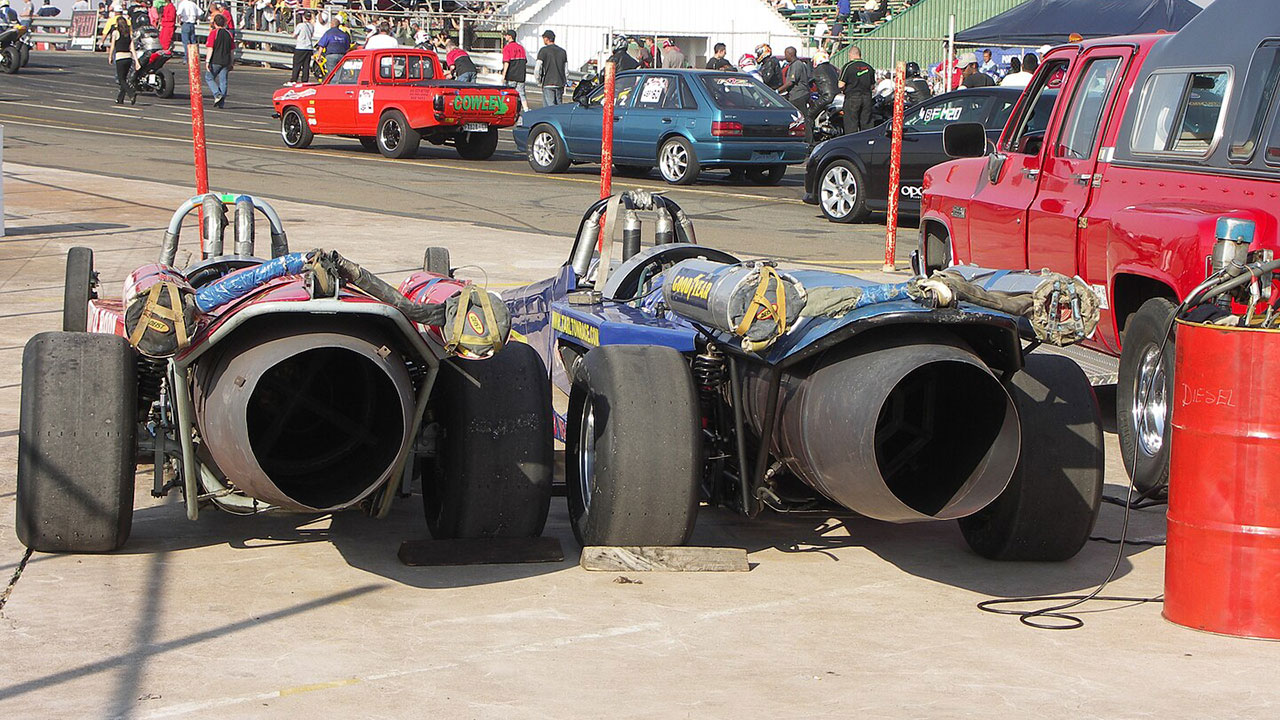
Parachutes play a crucial role in enhancing driver safety by providing controlled deceleration, reducing the risk of accidents at high speeds. In the event of a brake failure, the parachute serves as a vital backup system, ensuring the vehicle can come to a stop safely. This aspect of safety is particularly important in drag racing, where vehicles often reach speeds exceeding 300 mph.
In addition to safety, parachutes also contribute to the performance of drag cars. By allowing vehicles to reach higher speeds safely, parachutes enable drivers to push the limits of their cars without compromising on safety. The ability to decelerate effectively means drivers can focus on maximizing their vehicle’s performance during the race, without worrying about the challenges of stopping.
The National Hot Rod Association (NHRA) has established regulations and standards for parachute use in drag racing, ensuring consistency and safety across the sport. These regulations dictate the specifications and testing requirements for parachute systems, helping to maintain a high level of safety and performance in drag racing events.
Case Studies and Real-World Applications
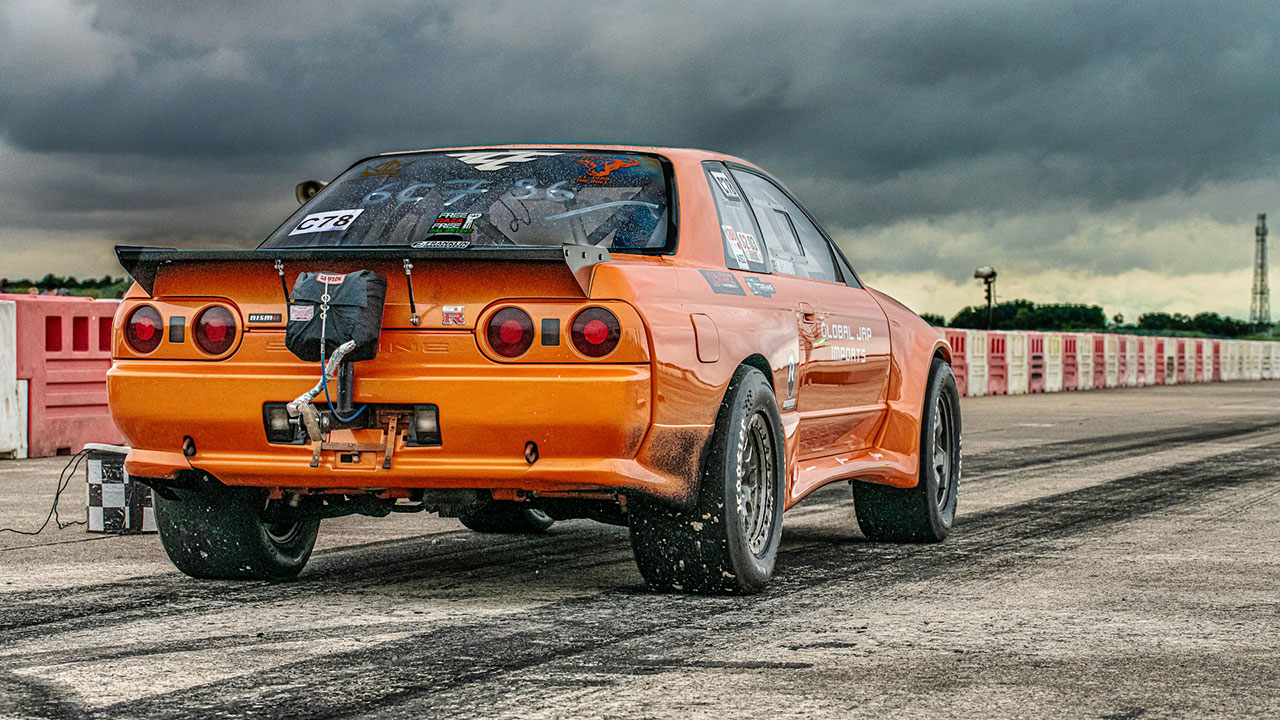
Numerous incidents highlight the importance of parachute systems in preventing accidents during drag races. For instance, in 2018, a drag racer experienced a brake failure at the end of a run. The timely deployment of the parachute prevented a potential disaster, bringing the vehicle to a safe stop. Such incidents underscore the critical role parachutes play in ensuring driver safety.
Feedback from professional racers often emphasizes the significance of parachutes in their racing experience. Many drivers describe the peace of mind that comes with having a reliable parachute system, allowing them to focus on the race without worrying about stopping safely. This feedback is invaluable for manufacturers and engineers, who continually work to improve parachute systems based on insights from those who use them.
A comparative analysis of parachute systems used in different drag racing categories reveals variations in design and performance, tailored to the specific needs of each category. For example, Top Fuel dragsters often use larger, more robust parachutes to accommodate their higher speeds and greater mass, while Funny Cars may opt for smaller, lighter systems to maintain agility and speed.
Future Trends and Innovations
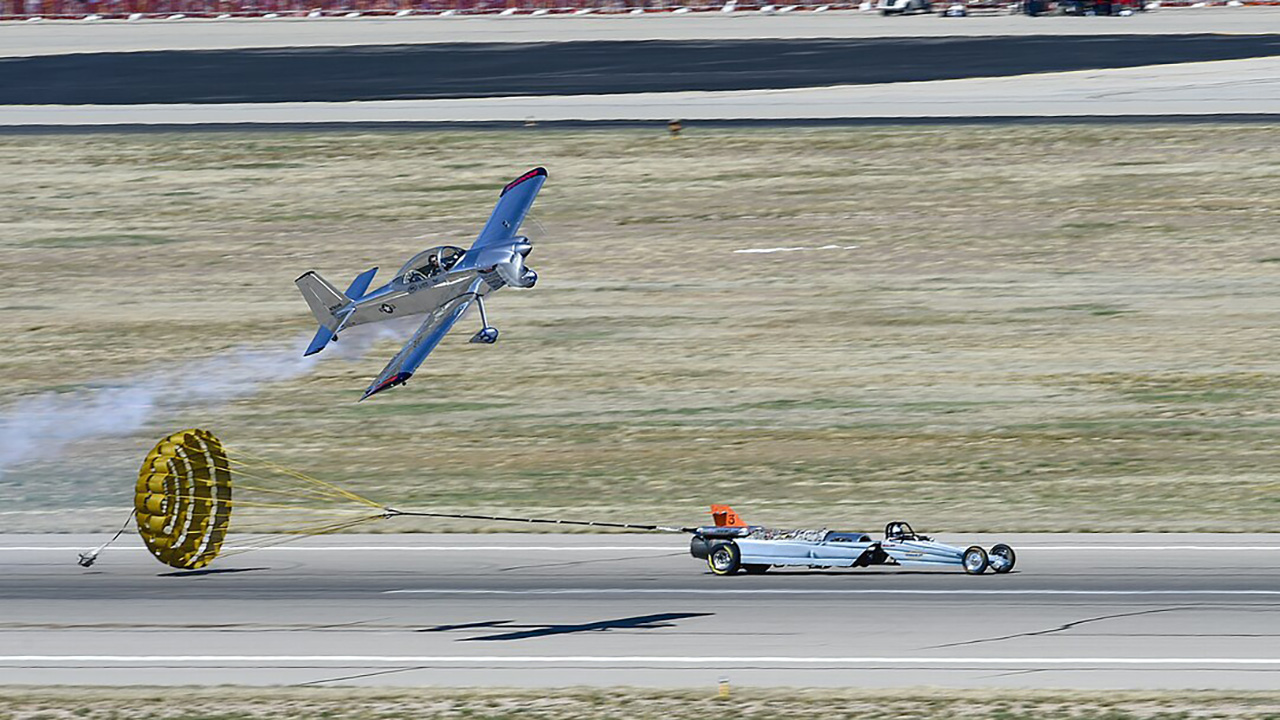
Emerging technologies in parachute systems promise to further enhance their performance and safety in drag racing. Innovations such as improved deployment mechanisms, advanced materials, and refined aerodynamic designs are all areas of active research and development. These advancements aim to make parachutes even more reliable and effective, providing greater peace of mind for drivers and teams.
The integration of digital technology with parachute systems is another exciting trend. Digital systems can provide real-time data on parachute performance, enabling teams to make informed decisions about deployment and maintenance. This integration can also facilitate automatic deployment in critical situations, further enhancing safety and reliability.
Environmental considerations are increasingly important in the development of parachute materials and technologies. Researchers are exploring sustainable materials and manufacturing processes that reduce the environmental impact of parachute production and use. By addressing these considerations, the drag racing industry can contribute to broader sustainability efforts while maintaining high standards of performance and safety.
Like Fast Lane Only’s content? Be sure to follow us.
Here’s more from us:
*Created with AI assistance and editor review.