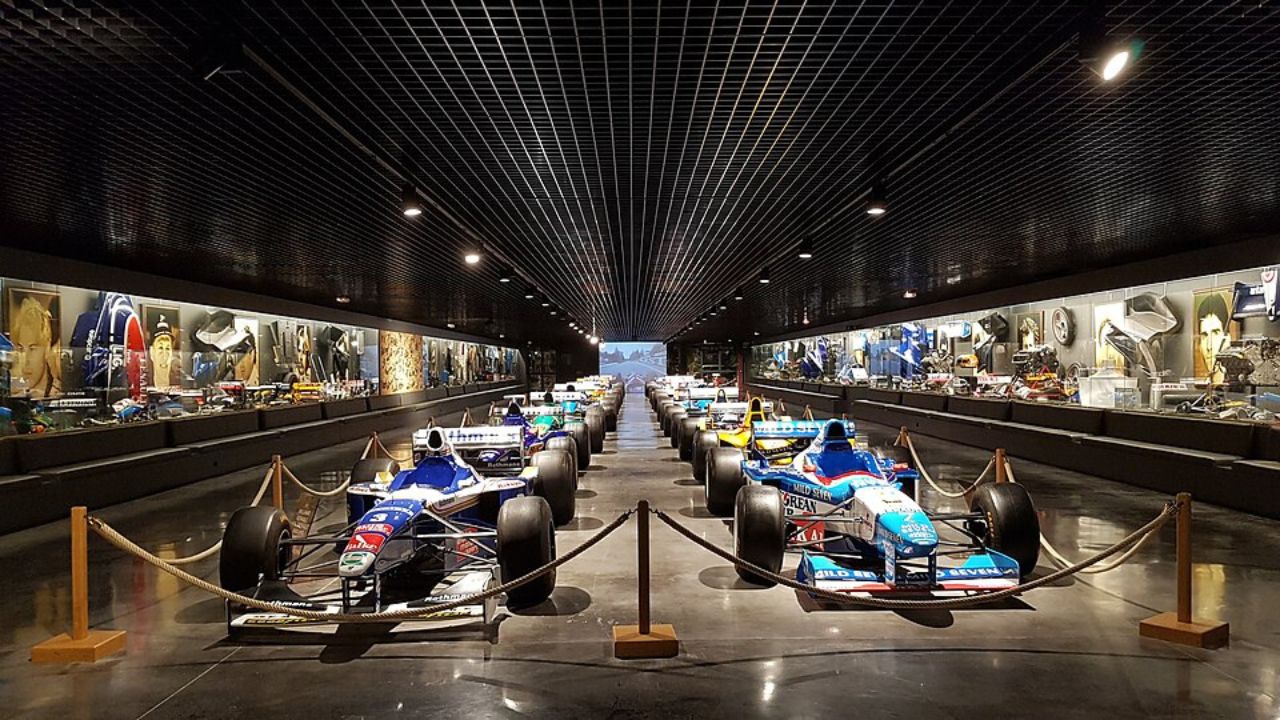
The world of racing has long been a crucible for innovation, pushing the boundaries of automotive technology and performance. As manufacturers and teams strive for victory on the track, they inadvertently fuel advancements that trickle down to the cars we drive on the road. This text explores how the demanding arena of racing has not only shaped modern performance cars but also influenced the automotive industry at large.
The Historical Influence of Racing on Automotive Development
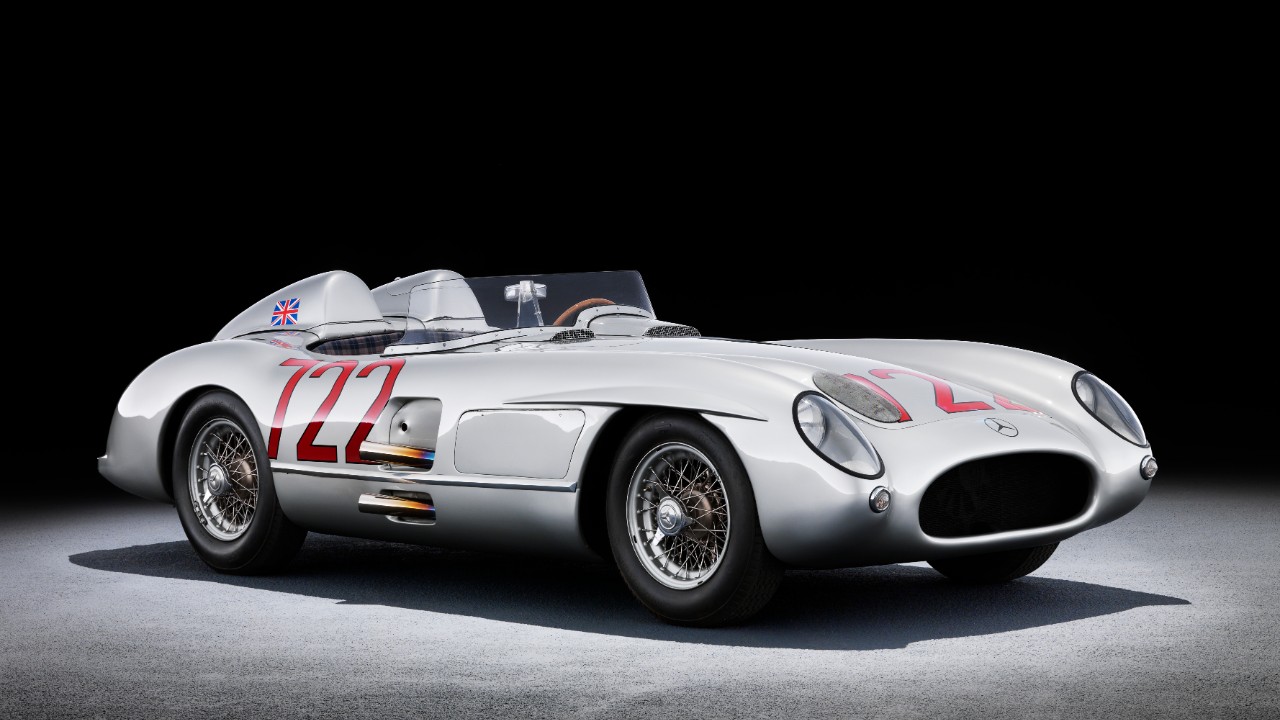
Early racing events played a critical role as testing grounds for both durability and speed. Competitions like the Gordon Bennett Cup and the inaugural 24 Hours of Le Mans pushed manufacturers to develop vehicles that could withstand extreme conditions while maintaining high speeds. These events highlighted the need for robust engines and reliable components, laying the foundation for the development of performance cars as we know them today. The grueling nature of these races forced manufacturers to innovate rapidly, leading to significant breakthroughs in engine reliability and vehicle dynamics.
Regulations and competition have been powerful catalysts for technological advancements in the automotive world. As racing organizations imposed stricter rules to ensure safety and fairness, manufacturers were compelled to seek creative solutions that adhered to these constraints while delivering performance gains. Notable historical figures like Enzo Ferrari and Ferdinand Porsche were pivotal in driving automotive innovation. Their passion for racing spurred the development of groundbreaking technologies that have since become standard in modern performance vehicles.
Technology Transfer from Track to Street
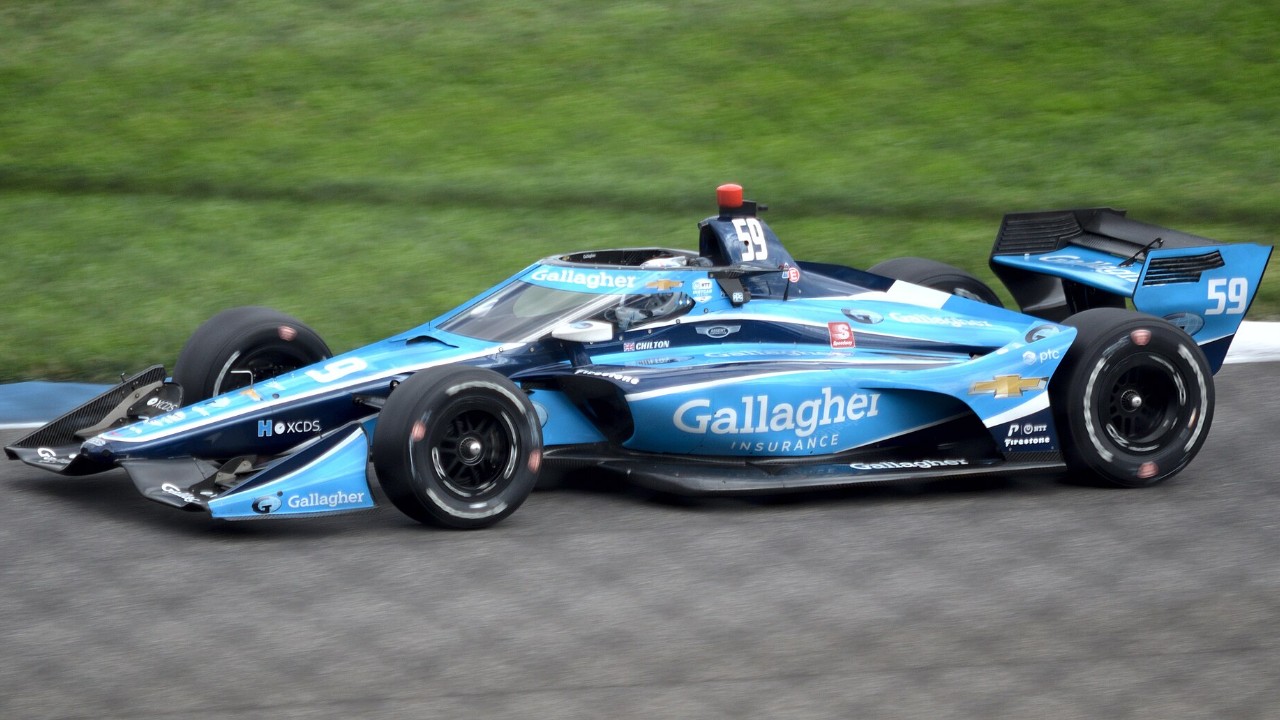
The influence of racing on street cars is perhaps most visible in the realm of aerodynamics. Techniques originally developed to improve the downforce and handling of race cars have been adapted to enhance fuel efficiency and stability in consumer vehicles. For example, the introduction of features like diffusers and active aero elements in models such as the 2021 Porsche 911 Turbo S can be directly traced back to lessons learned on the racetrack. These innovations not only improve performance but also contribute to better fuel economy and reduced emissions.
Engine and drivetrain innovations are another area where racing has left a significant mark. Technologies such as turbocharging and direct fuel injection, which were initially used to extract maximum power from race engines, have found their way into everyday cars. The Ford EcoBoost engine family, for instance, uses turbocharging technology honed in motorsport to deliver impressive performance and efficiency. Additionally, safety features like crumple zones and advanced braking systems owe their origins to racing, where protecting drivers at high speeds has always been paramount.
The Role of Major Racing Series in Automotive Evolution

Formula 1 is often regarded as the pinnacle of motorsport and has been at the forefront of hybrid technology and lightweight material development. The kinetic energy recovery systems (KERS) used in F1 cars have been adapted for use in hybrid vehicles, offering improved fuel efficiency and reduced emissions. Furthermore, the use of carbon fiber in F1 cars has driven its adoption in high-performance street cars, such as the McLaren P1, which combines lightweight construction with hybrid technology for unparalleled performance.
Endurance racing, with its focus on reliability and fuel efficiency, has also played a crucial role in shaping performance cars. The demands of races like the 24 Hours of Le Mans have led to innovations in engine management and fuel-saving technologies. Manufacturers like Audi and Toyota have leveraged their success in endurance racing to enhance the efficiency and reliability of their consumer vehicles. Similarly, rally racing has been instrumental in the development of all-wheel drive systems and advanced suspension technology, as evidenced by the Subaru WRX and Mitsubishi Lancer Evolution, which both draw heavily from their rally heritage.
Manufacturers and Their Racing-Inspired Models
Many manufacturers have successfully leveraged their racing heritage to produce performance models that resonate with consumers. Ferrari, for example, has built its brand around the mystique of motorsport success, offering road cars like the Ferrari 488 Pista that draw directly from its racing pedigree. Porsche, with its storied history in endurance racing, offers models like the 911 GT3 RS, which incorporate technologies and engineering insights gained from the track.
The marketing power of motorsport success is undeniable, as it imbues performance models with a sense of authenticity and prestige. Brands like Mercedes-Benz have capitalized on their prowess in Formula 1 to promote vehicles like the AMG GT, which boasts performance credentials rooted in racing. Limited edition and homologation specials, such as the BMW M3 GTS and the Ford GT, serve as bridges between race cars and road cars, offering enthusiasts a taste of racing technology in a street-legal package.
The Future of Racing and Its Influence on Performance Cars
As the automotive industry shifts towards electrification, the potential impact of electric and autonomous racing on automotive technology is becoming increasingly significant. Series like Formula E are at the forefront of electric vehicle development, providing a platform for testing and refining battery technologies that will eventually benefit consumer vehicles. The lessons learned in these high-stakes environments are crucial for advancing the range, efficiency, and performance of electric cars.
Sustainability and environmental concerns are reshaping motorsport strategies, leading to the exploration of alternative fuels and eco-friendly materials. Racing organizations are increasingly adopting measures to reduce their carbon footprint, which in turn influences the development of greener technologies for performance cars. As motorsport continues to evolve, it remains a vital catalyst for innovation, driving advancements that will shape the future of consumer vehicles and redefine what it means to be a performance car.