The 1969 Dodge Daytona is a marvel of automotive engineering that continues to captivate car enthusiasts around the world. Despite its short-lived production run, the Daytona stood out with its sleek design and impressive performance capabilities. It had the potential to dominate not just the racing circuits but also the consumer market. Examining the factors that contributed to its fleeting success offers insights into the legacy it left behind.
The Birth of a Legend
Image Credit: GPS 56 from New Zealand – CC BY 2.0/Wiki Commons
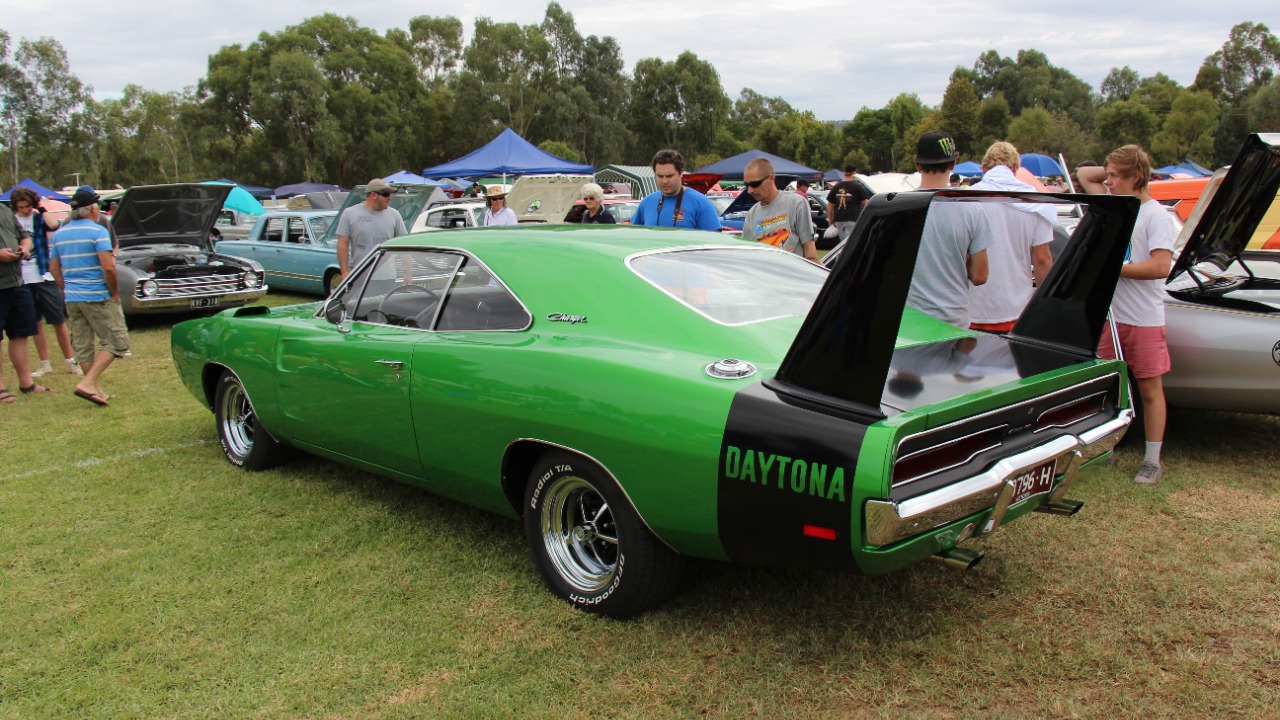
The Dodge Daytona was a product of innovative design and engineering. It featured groundbreaking aerodynamics, most notably its iconic nose cone and massive rear wing. These elements were not just for show; they were integral to improving the car’s stability and speed on the track. This aerodynamic advantage set the Daytona apart from its contemporaries, making it a formidable competitor in the racing world.
Dodge’s intention behind the Daytona was clear: to create a vehicle that would dominate NASCAR. It was a direct response to competitive pressures from Ford and Chevrolet, who were also vying for supremacy in the racing arena. The Daytona was purpose-built for speed and performance, aiming to capture the checkered flag and, by extension, consumer attention. While it succeeded in terms of engineering, its journey was not without challenges.
Performance on the Track
Image Credit: Bring a Trailer.
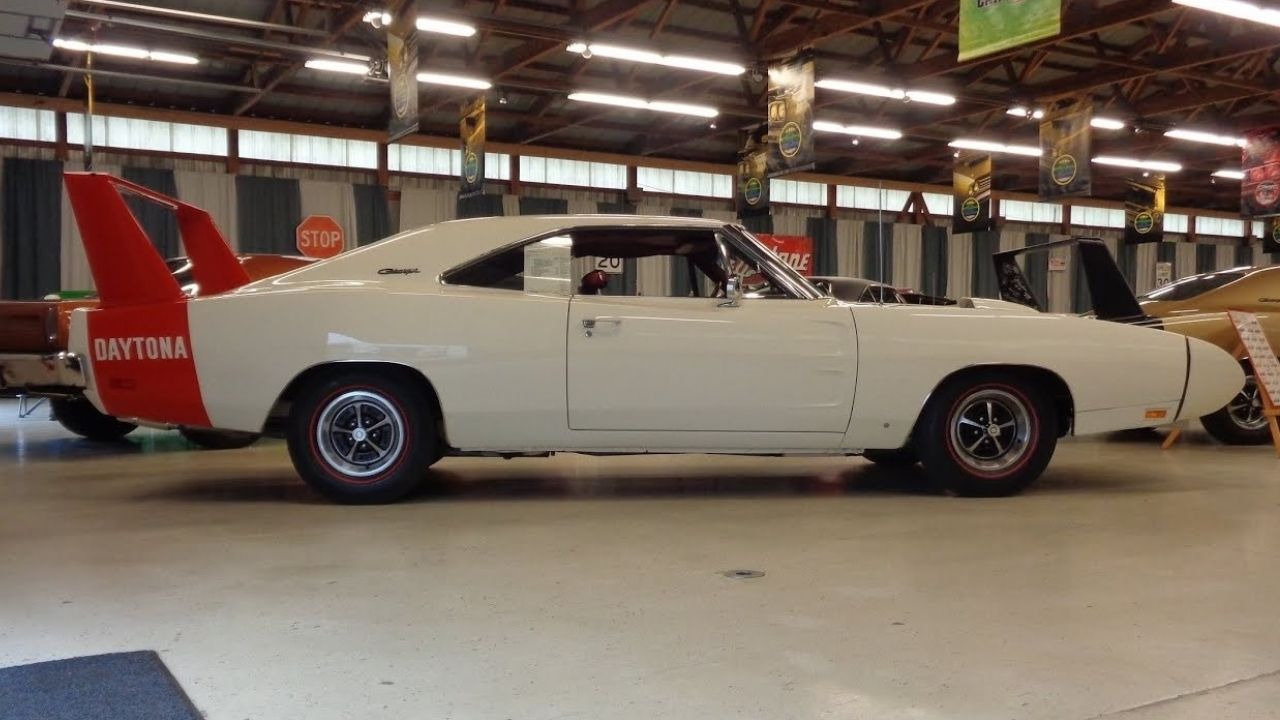
The Daytona’s prowess on the track was quickly established with a historic win at Talladega Superspeedway. Its achievements in NASCAR races were a testament to its design and engineering excellence. However, the car was not invincible; it faced technical challenges that affected its performance consistency and reliability. Mechanical issues, such as engine overheating and aerodynamics-related instabilities, were among the hurdles that the Daytona had to overcome.
These technical challenges highlighted the complexities of pushing automotive boundaries. Despite its successes, the Daytona’s performance was sometimes unpredictable, which affected its reputation among racers and teams. The car’s engineering marvel was both its strength and its Achilles’ heel, showcasing the fine line between innovation and reliability.
Market Response and Consumer Appeal
Mecum
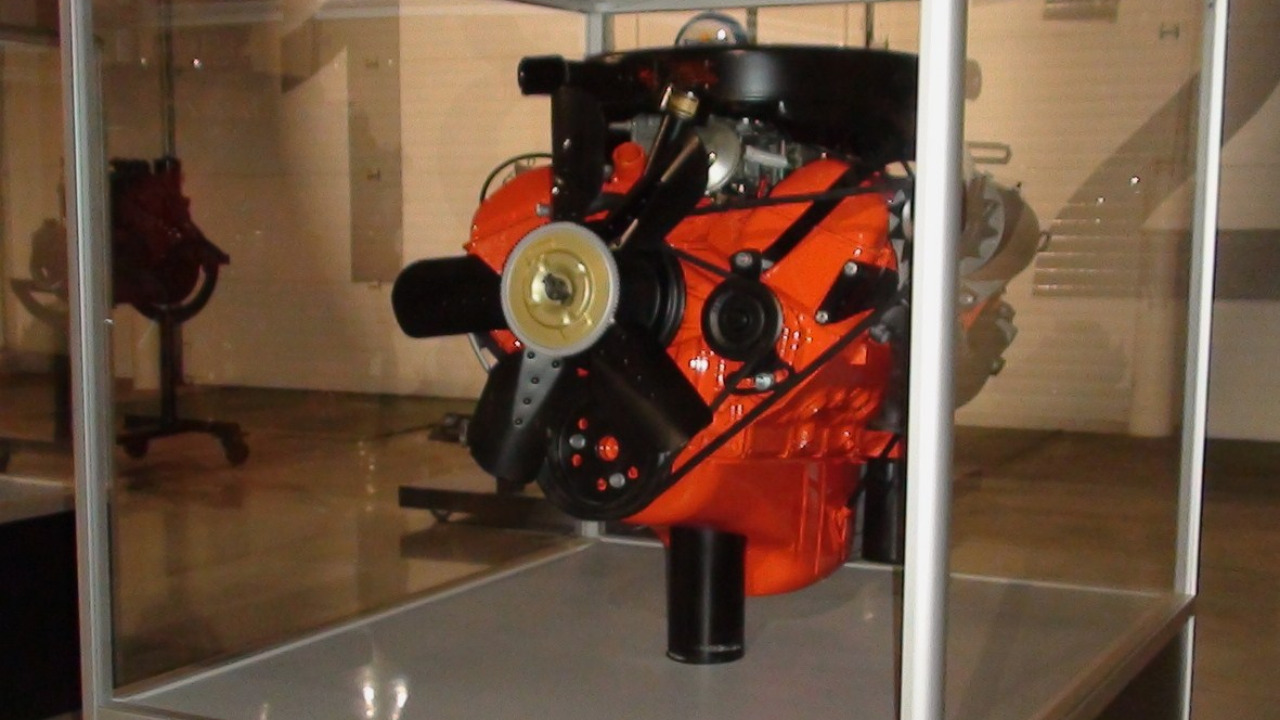
The public’s perception of the Daytona was mixed. Its radical design, characterized by the distinctive nose cone and wing, drew both admiration and skepticism. For some, the Daytona was a futuristic marvel; for others, it was an oddity. This polarized public perception impacted sales, as the car appealed primarily to a niche market of enthusiasts and racing aficionados.
Despite its appeal to a select audience, the Daytona’s production and sales numbers were limited. The car’s exclusivity made it a rare find, and while this added to its allure as a collector’s item, it also meant that its impact on the broader consumer market was minimal. The Daytona remained a niche product, catering to those who appreciated its unique qualities.
Regulatory and Economic Factors
Image Credit: Sicnag – CC BY 2.0/Wiki Commons
Regulatory changes in NASCAR played a significant role in the Daytona’s premature discontinuation. The car’s design, which was initially an asset, became a liability as rules shifted to level the playing field. These regulatory hurdles diminished the Daytona’s competitiveness, making it increasingly challenging for Dodge to justify its continued production.
At the same time, the economic environment of the late 1960s and early 1970s was undergoing a transformation. The oil crisis influenced consumer behavior, with a growing emphasis on fuel efficiency over high-performance vehicles. This shift in consumer priorities, combined with rising production costs, made it difficult for the Daytona to maintain its foothold in the market.
Legacy and Influence
Image Credit: Pokemonprime – CC BY 4.0/Wiki Commons
The Daytona’s design and engineering innovations have left a lasting impact on the automotive industry. Its aerodynamic features influenced subsequent Dodge models and other manufacturers, setting a precedent for performance-oriented design. The car’s legacy is evident in the evolution of racing and consumer vehicles alike.
Today, the Daytona is regarded as a sought-after collector’s item, celebrated as a symbol of American automotive ingenuity. It stands as a cultural icon, representing an era of bold design and ambitious engineering. The Daytona’s enduring appeal is a testament to its unique place in automotive history.
What Could Have Been
Image Credit: Lou Costabile, via Youtube
The hypothetical scenario of the Daytona’s continued production presents intriguing possibilities. Had it persisted, the car might have reshaped the automotive industry and racing history. Its potential for long-term dominance raises questions about what the future could have held for Dodge and its competitors.
Reflecting on the Daytona’s journey offers valuable lessons for the automotive industry. It highlights the importance of balancing innovation with practicality and the need to adapt to changing market conditions. The Daytona’s brief existence serves as a reminder of the challenges and rewards that come with pushing the boundaries of automotive design.
Bobby Clark is the founder and editor of Fast Lane Only, covering performance cars, automotive news, recalls, classic vehicles, consumer automotive topics, and enthusiast culture. His work focuses on making automotive news engaging, accessible, and informative for both enthusiasts and everyday drivers.
Welcome!
Welcome to Fast Lane Only—We are an independent automotive publication covering performance cars, automotive news, recalls, classic vehicles, industry trends, and enthusiast culture.
From the rarest collector’s cars to the high-performance machines turning heads today, we bring you stories, specs, and insider looks at the rides that matter. If it’s fast, legendary, or owned by someone famous, you’ll find it here. Buckle up and stay in the fast lane!