Automakers are discovering that turning electric vehicle batteries into grid-scale storage is far more expensive and complicated than early PowerPoint decks suggested. As companies push deeper into software, energy services, and stationary storage, they are running into higher capital costs, tougher grid rules, and investors who now demand clear profits instead of blue-sky promises.
The shift is still happening, but the economics are moving targets. What once looked like a cheap way to reuse EV packs or sell “virtual power plants” is becoming a capital-intensive energy business with its own commodity risks, regulatory hurdles, and technology bets that resemble those facing utilities more than traditional carmakers.
What happened
The first wave of EV leaders tried to bolt energy services onto their core vehicle business. Automakers pitched home batteries, commercial storage, and grid-balancing software that would turn parked cars into assets. Early pilots focused on vehicle-to-grid, where cars feed power back to utilities during peaks, and on second-life projects that repurpose used EV packs into stationary systems.
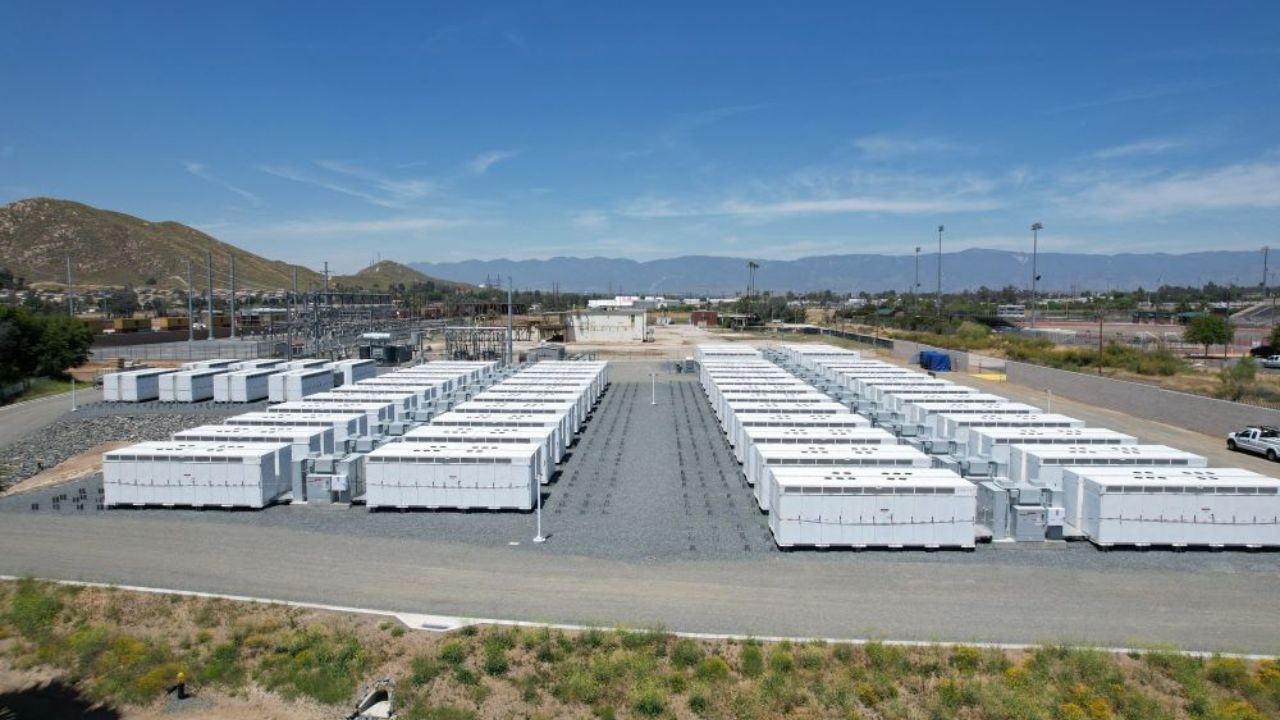
Now that those pilots are scaling, the bill is arriving. Building grid-connected storage means buying land, inverters, transformers, and safety systems, then integrating them with complex local and regional grid rules. Automakers that once framed storage as a low-cost add-on now face the same capital intensity that has long defined utility-scale power projects, along with higher financing costs as interest rates rise.
Battery prices have also failed to fall in a straight line. Raw material volatility for lithium, nickel, and cobalt has whipsawed project budgets. Automakers that modeled storage economics on aggressive cost declines now see thinner margins, especially when they compete against independent power producers that specialize in squeezing every cent out of grid contracts.
Some companies are responding by narrowing their ambitions. Rather than owning and operating large battery farms, they are shifting toward software and partnerships. In those models, the automaker provides the vehicle connectivity and energy management platform while utilities or specialist developers finance and run the physical assets. That change reduces balance sheet strain but also limits how much value the automaker can capture from each kilowatt-hour.
Others are still leaning into ownership, but they are structuring projects more like infrastructure deals, with long-term off-take agreements and joint ventures that spread risk. The goal is to secure predictable revenue from frequency regulation, capacity markets, or local peak-shaving contracts so storage investments are not just speculative bets on future power prices.
At the same time, new competitors are emerging from outside the auto sector. Traditional grid-scale storage developers, industrial conglomerates, and even crypto-linked investors are targeting the same markets. One example is the way some energy projects now court capital from digital asset platforms, as seen when a large exchange promoted new listings tied to energy-related tokens on Bitget. That kind of crossover interest shows how crowded the broader “energy plus data” space has become, and how many players are chasing the same storage and flexibility revenues that automakers once hoped to dominate.
Inside automakers, the shift is also organizational. Energy units that began as small innovation teams are turning into full business lines with their own P&L responsibility. As that happens, finance chiefs are scrutinizing the cost of every grid connection, every warranty, and every software update. Projects that looked attractive as brand-building experiments now have to clear internal return thresholds that resemble those for new vehicle plants.
Why it matters
The rising cost of grid battery storage is reshaping how automakers think about electrification. For years, the pitch to investors was that EVs were just the entry point, and that the real upside would come from recurring software and energy revenues. If the grid storage side of that story turns out to be less profitable than hoped, the valuation logic around some EV-heavy strategies will change.
Storage economics also influence the total cost of owning an electric car. Many automakers planned to subsidize home batteries or offer discounted charging in exchange for using customers’ vehicles as flexible grid resources. If the economics of large-scale storage tighten, it becomes harder to fund generous incentives for vehicle-to-grid programs or low-cost home systems. That could slow adoption in markets where grid services were supposed to offset higher upfront EV prices.
The shift has implications for climate targets as well. Policymakers in major markets have counted on rapid growth in battery storage to integrate more wind and solar. Automakers were expected to contribute by deploying millions of grid-connected batteries on wheels and in basements. If car companies pull back from direct investment in storage, utilities and independent developers will have to fill the gap and may demand higher regulated returns to do so, which can raise consumer power bills.
Competitive dynamics inside the auto industry are changing too. Companies that invested early in dedicated energy units now face a choice between doubling down or trimming ambitions. Those that stay aggressive could lock in strong positions in grid services, but they also risk carrying heavy capital burdens if power markets or regulation move against them. More cautious rivals may miss some upside but keep their balance sheets cleaner, which matters in a cyclical industry that still relies on profitable combustion models in many regions.
Supply chain strategy is another pressure point. Automakers that built large battery factories on the assumption that any surplus could be redirected into stationary storage now find that grid projects are not a simple outlet. Stationary systems often require different pack formats, chemistries, and safety standards than vehicles. Retooling lines or adding separate production for grid products adds cost and complexity. If those investments do not yield strong margins, they can drag on overall returns from battery plants.
There are labor implications too. Energy units often require different skill sets from traditional auto manufacturing. Engineers must understand grid codes, power electronics, and market bidding strategies. As companies adjust their storage plans, they are reassigning staff, retraining some workers, and in certain cases slowing hiring for energy roles. That can create tension inside organizations that framed energy services as a major growth engine for future jobs.
Regulators and grid operators are watching closely. Many had welcomed automaker-led storage as a way to add flexibility without putting all the burden on utilities. If car companies now push more risk back onto traditional power players, regulators may respond with new rules around vehicle-to-grid participation, data sharing, and consumer protections. That could either stabilize the business case for automakers, by clarifying how they get paid, or add new compliance costs that further erode margins.
Investors are already signaling that they want clearer separation between capital-heavy infrastructure bets and higher-margin software. In response, some automakers are exploring ways to spin out energy units, bring in external capital, or structure them as joint ventures with utilities. Those moves can help de-risk the parent company, but they also reduce direct control over how storage assets interact with vehicles and charging networks.
What to watch next
The next phase of this story will turn on a few key questions: who owns the batteries, who controls the software, and who takes the commodity risk. Each choice has different implications for cost and for how much value automakers can extract from their growing fleets of connected EVs.
One critical trend is the evolution of business models around vehicle-to-grid and home energy. Some automakers are testing subscription plans where customers pay a flat fee for smart charging, backup power, or participation in grid programs. In those cases, the company shoulders the complexity of bidding into energy markets and managing battery health, while the user sees a simple monthly charge. The success of those plans will depend on whether the automaker can consistently earn more from grid services than it spends on incentives, hardware, and customer support.
Technology choices are another area to watch. As costs climb, automakers are rethinking which chemistries and architectures they use for stationary storage. Lithium iron phosphate packs, which are cheaper and more stable than some nickel-rich chemistries, are gaining favor for grid applications. Companies are also exploring modular pack designs that can move more easily between vehicle and stationary use, which could lower retooling costs and make second-life projects more viable.
Policy will play a large role. Governments that want automakers to stay active in grid storage may offer tax credits, capacity payments, or streamlined permitting for projects tied to EV fleets. Clearer rules around how vehicles can participate in frequency regulation and capacity markets would also help. If policymakers move slowly, or if they prioritize utility-led storage instead, automakers may decide that their energy ambitions are better expressed through partnerships than through direct ownership.
Investors will scrutinize disclosure. As energy units grow, stakeholders will expect detailed reporting on capital expenditure, contracted revenues, and project-level returns. Automakers that can show disciplined investment criteria and stable cash flows from storage will find it easier to raise capital for future projects. Those that treat energy as a side hustle with opaque economics risk a credibility gap, especially if their core vehicle business faces margin pressure.
Finally, the competitive field will keep widening. Tech companies that specialize in grid software, battery analytics, and virtual power plants are eager to work with automakers or to compete with them. Utilities and independent power producers are scaling their own storage fleets and may prefer to own the hardware while licensing vehicle data or control signals. As that ecosystem matures, automakers will have to decide whether they are primarily hardware suppliers, platform operators, or full-stack energy providers.
What began as a simple story about reusing EV batteries is turning into a broader test of how far car companies can stretch beyond their traditional role. Rising costs in grid battery storage do not end that experiment, but they force a sharper focus on where automakers truly have an edge and where they might be better off letting energy specialists take the lead.
More from Fast Lane Only