Dodge is suddenly talking about something it has not offered in decades: a small, relatively affordable sports car aimed at enthusiasts rather than drag-strip bragging rights. The company’s chief executive has floated the idea of a roughly $30,000 two-door that would go after the Mazda MX-5 Miata and Toyota GR86, signaling a possible shift away from the brand’s recent focus on high-horsepower muscle and hulking SUVs. If it happens, this compact coupe or roadster could become a new entry point for drivers who want a fun Dodge without a Hellcat-sized budget.
The idea is still theoretical, but the way Dodge leadership is talking about it suggests more than idle bench racing. The brand is already in the middle of a major transition to electrified muscle, and a light, relatively simple sports car would test whether Dodge can translate its rowdy image into a different kind of performance machine.
What happened
Dodge chief executive officer Tim Kuniskis recently said he is open to adding an “affordable halo” sports car to the lineup, priced around $30,000 and aimed squarely at compact rear-drive coupes like the Mazda MX-5 Miata and Toyota GR86. In remarks reported from a media roundtable, Kuniskis framed the potential car as a way to give the brand a more accessible performance flagship that sits below the existing Charger and Challenger successors. He described the idea as a small, enthusiast-focused model that could broaden Dodge’s reach while still fitting the company’s performance-first identity.
According to the reporting, Kuniskis did not present a formal product plan, instead characterizing the project as something Dodge is actively “open to” if the business case can be made. That caveat matters. Stellantis, Dodge’s parent company, has been aggressive about platform sharing and cost control, and any new sports car would almost certainly need to leverage an existing architecture rather than start from a clean sheet. His comments sounded exploratory, but they also acknowledged that a light, rear-drive or rear-biased sports car is on the brand’s wish list.
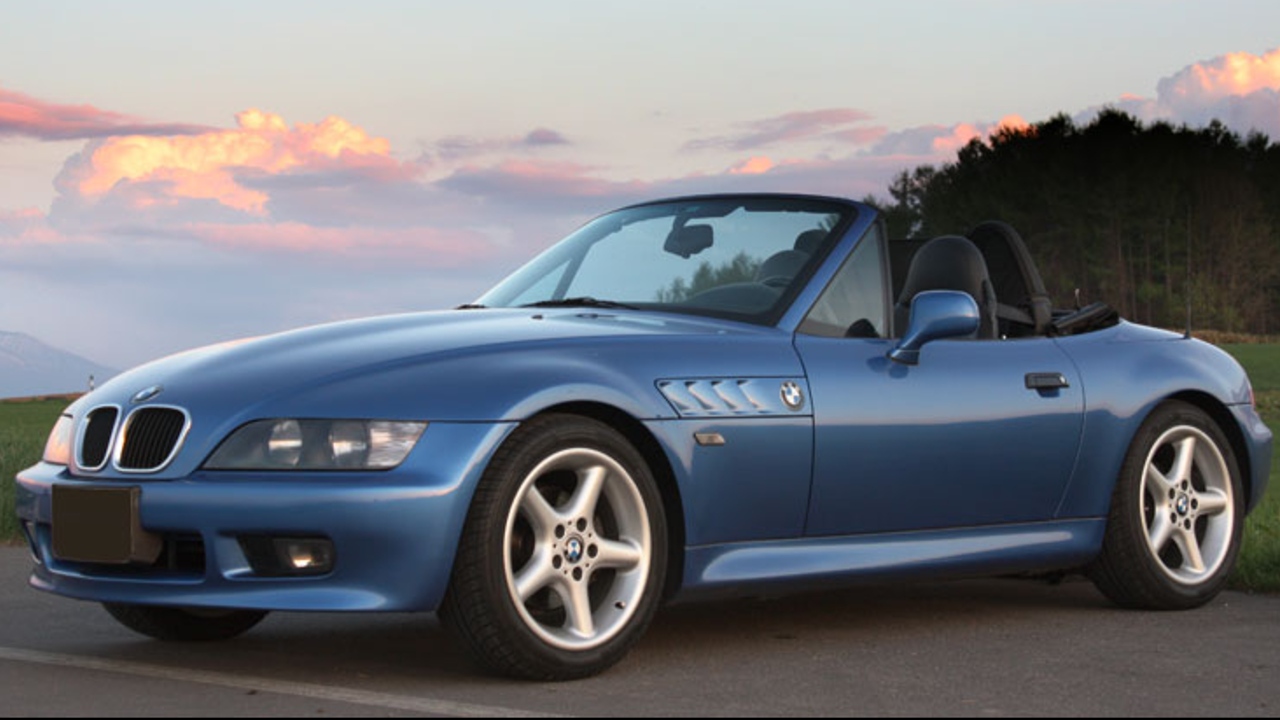
In the same conversation, Kuniskis pointed to the current Mazda MX-5 Miata and Toyota GR86 as reference points, not just as competitors but as proof that there is still a dedicated audience for compact, driver-focused coupes and roadsters. Those cars sell in modest volumes compared with crossovers and full-size pickups, yet they command intense loyalty and serve as image-makers for their brands. Dodge appears to be studying that template and asking whether it can build something with similar purity of purpose, but with a Dodge personality.
His openness to a low-cost sports car comes as Dodge is rolling out the new Charger, including electric and internal combustion versions, and winding down the previous generation of V8 muscle cars. With the traditional Challenger and Charger gone, Dodge’s performance story is being rewritten around electrified platforms and fewer cylinders. A smaller sports car, priced around $30,000 and tuned for handling rather than quarter-mile times, would give the brand a second performance pillar that is less about raw output and more about feel.
Reporting on the roundtable notes that Kuniskis described the potential car as an “affordable halo,” a phrase that sounds contradictory at first. In practice, it suggests a model that is aspirational for younger buyers but still within reach, the way the original Dodge Neon ACR or the early SRT-4 served as gateway drugs to the brand’s harder-core machinery. The idea is not a low-volume exotic, but a relatively attainable car that still carries enough cachet to pull people into showrooms and online configurators.
Kuniskis also acknowledged that the company is watching how other sports cars perform in the market, including the Miata and GR86, to see whether a new entrant could carve out enough share. Those models have survived multiple industry cycles that favored SUVs and trucks, in part because they are relatively inexpensive to run and offer a type of driving experience that crossovers cannot match. Dodge appears to be betting that there is room for another player, provided the pricing and positioning are sharp enough.
The comments were reported in detail by an outlet that covers enthusiast vehicles, which highlighted how Kuniskis repeatedly returned to the idea of a compact, relatively light sports car as a missing piece in Dodge’s current portfolio. In that coverage, he framed the hypothetical model as something that could sit below the high-powered Charger Daytona and complement the brand’s move into electrified performance. The outlet described the CEO as “open” to such a project and emphasized the target price of about $30,000 for a car that would rival the Miata and GR86, making clear that this is not intended as a six-figure halo but as a realistic purchase for younger buyers and weekend track-day drivers.
One report on the discussion, which focused on Dodge’s future product strategy, quoted Kuniskis as saying that the company is looking at how to “democratize” performance in the electric era, rather than leaving high-output cars only to those who can afford the top trims. Within that context, the idea of a $30,000 sports car starts to look less like a side project and more like a key part of Dodge’s attempt to stay relevant with enthusiasts as powertrains change. The report, hosted on a site that tracks new model rumors and executive comments, stressed that the project is not yet greenlit but that the CEO’s tone suggested genuine interest rather than a throwaway line.
Kuniskis has a history of championing enthusiast models, including the high-horsepower Hellcat variants and the limited-run Demon, and he has frequently argued that Dodge’s identity rests on building “cars that make people smile” rather than chasing fleet volume. His willingness to publicly entertain a compact sports car at a specific price point signals that internal discussions have at least reached the stage where targets are being sketched out. That does not guarantee production, but it does indicate that Dodge is actively exploring how to execute such a car within Stellantis’ broader product and platform roadmap.
The report that captured these comments, available on a detailed interview, framed the potential car as a spiritual successor to classic lightweight coupes, but with modern safety and emissions technology. It also noted that Kuniskis sees the car as a way to bring new customers into the Dodge fold at a time when younger drivers are priced out of many performance models. The interview emphasized that the $30,000 target is aggressive, especially for a low-volume sports car, but that Dodge is exploring ways to keep costs in check through shared components and careful feature packaging.
Why it matters
A serious move by Dodge into the compact sports car space would have outsized significance for both the brand and the segment. For Dodge, a $30,000 two-door would represent a pivot from a lineup dominated by large, heavy vehicles with big engines to something more nimble and accessible. It would also test whether Dodge’s loud, drag-strip persona can be translated into a car that lives or dies by steering feel, chassis balance, and track-day lap times rather than quarter-mile numbers.
The timing is critical. As the industry shifts to electrification, many traditional performance nameplates are either disappearing or being reborn as high-priced halo EVs. The new Charger Daytona, for example, is positioned as a technology showcase, with pricing and performance that put it out of reach for a large share of younger enthusiasts. A smaller car priced around $30,000 would give Dodge a way to keep those buyers in the fold, especially as used inventories of V8 Chargers and Challengers thin out and prices climb.
From a segment perspective, the Miata and GR86 have long been praised for offering pure driving fun at relatively attainable prices. They also face increasing pressure from emissions rules, safety requirements, and shifting consumer tastes. If Dodge joins the party, it would signal that automakers still see a future for compact, enthusiast-focused coupes even as crossovers dominate sales charts. A new entrant could also push Mazda and Toyota to keep their own offerings sharp, whether through more power, better interiors, or new tech features.
There is also a cultural angle. Dodge has spent years cultivating an image around tire smoke, V8 rumble, and unapologetic excess. A small sports car would need to carry that attitude in a different package. That could mean bold styling, an aggressive exhaust note, and marketing that leans into track days and canyon roads rather than drag strips and burnouts. If Dodge pulls it off, the car could broaden the brand’s appeal without diluting its identity, much as the original Neon SRT-4 did in the early 2000s.
On the business side, a $30,000 sports car is a tricky proposition. Low-volume coupes are notoriously hard to justify financially, especially when crossovers and trucks deliver far higher margins. The key for Dodge would likely be platform sharing within Stellantis, perhaps tapping into architectures used by other compact models in the group. That approach could spread development costs and make it easier to hit the aggressive price target while still delivering the rear-drive dynamics enthusiasts expect.
If Dodge manages to thread that needle, the payoff could extend beyond direct sales. A well-received sports car can serve as a rolling billboard for a brand’s engineering and design capabilities. The Miata has done that for Mazda for decades, and the GR86 has helped Toyota reclaim some enthusiast credibility after years of hybrid-focused messaging. Dodge, in the midst of a transition to electrified muscle, could benefit from a similar halo effect that signals the company still knows how to build a car that makes drivers want to take the long way home.
The environmental and regulatory context also matters. As fuel economy and emissions standards tighten, lightweight sports cars can offer a different path to performance that does not rely solely on ever-larger batteries or engines. A relatively light, efficient coupe with a modest engine or hybrid system can still deliver strong performance numbers while keeping consumption in check. If Dodge can position its car as both fun and reasonably efficient, it could appeal to buyers who want performance without the guilt or cost of a thirsty V8 or a very heavy EV.
For enthusiasts, the prospect of another player in the affordable sports car arena is simply exciting. The segment has shrunk over the past two decades, with cars like the Honda S2000 and Nissan 370Z leaving gaps that have not been fully filled. A Dodge entry would not only add variety, it could also bring a different flavor of performance, perhaps with more straight-line punch or a more theatrical personality than the relatively understated Miata and GR86. The competition could raise the bar for everyone involved.
Finally, the proposal matters because it suggests that large automakers are still listening to enthusiast communities. In a market dominated by crossovers, the easy move is to ignore low-volume sports cars and focus on high-margin family vehicles. Kuniskis’ willingness to talk publicly about a $30,000 sports car indicates that Dodge sees value in courting drivers who care deeply about the act of driving itself, even if they represent a smaller slice of the market. That stance could influence other brands weighing similar projects, from compact hot hatches to rear-drive coupes.
More from Fast Lane Only