The Corvette is an American automotive legend, adored for its sleek designs and powerful performance. However, one particular style that captured the hearts of many was short-lived, lasting only a year. The reasons behind the fleeting existence of this iconic Corvette design are as surprising as they are enlightening.
The Birth of the Iconic Corvette Style
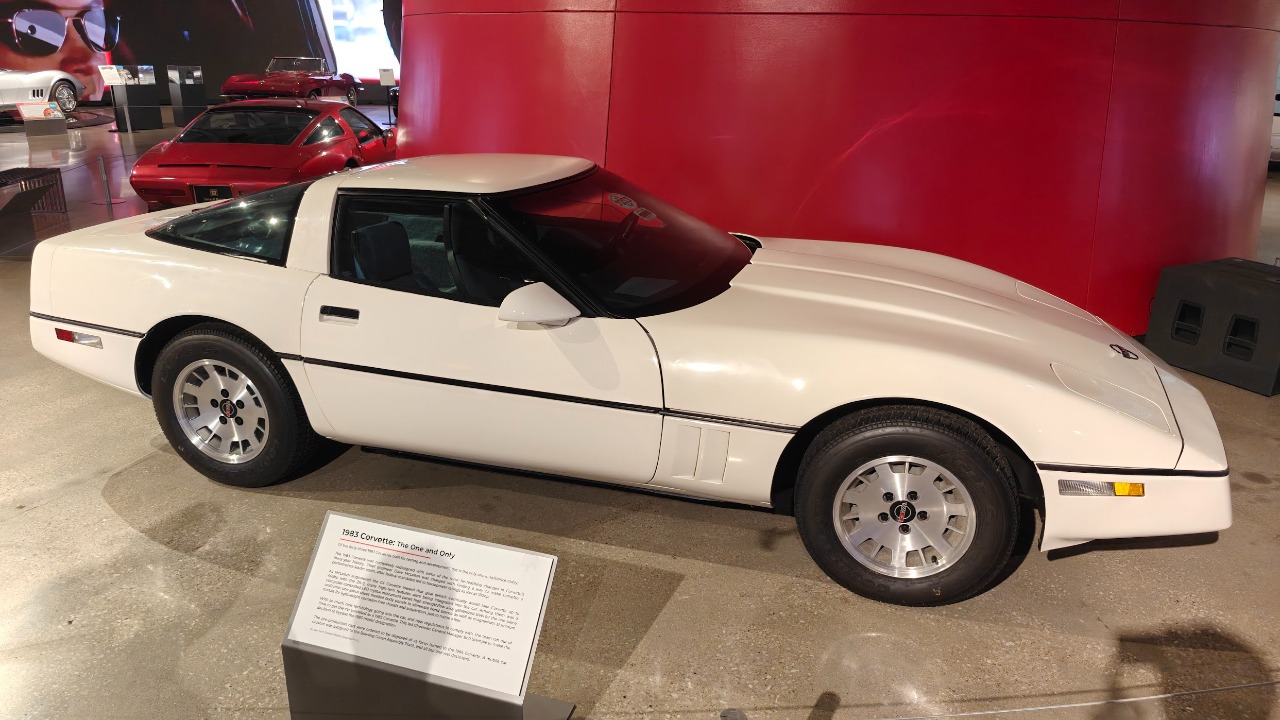
Since its inception in 1953, the Chevrolet Corvette has undergone numerous transformations, consistently reflecting the evolving trends in automotive design and performance. The Corvette has become synonymous with American muscle, combining speed with style, and appealing to a wide range of car enthusiasts. Among its many iterations, the 1983 Corvette stands out as a unique chapter in the model’s illustrious history. This particular year marked the introduction of a radically new design that diverged from both its predecessors and successors.
The 1983 Corvette featured a sleek, aerodynamic shape that was a significant departure from the boxier designs of the late 1970s. With a pointed nose, integrated headlights, and a curvaceous bodyline, it was designed to enhance performance and fuel efficiency. Notable features included a fiberglass body and a revolutionary new engine design that promised to deliver more power while being environmentally conscious. These innovations were meant to appeal to a new generation of drivers who desired both speed and efficiency.
Fan Reception and Initial Popularity
Upon its unveiling, the 1983 Corvette generated significant buzz among automotive enthusiasts and the media. The sleek design and advanced features were well-received, leading to high expectations for the model’s success. Initial reports indicated that the demand for the new Corvette was robust, with pre-orders exceeding expectations. Media outlets hailed its design as “a bold new direction” for the iconic vehicle, which created a positive atmosphere around its launch.
Sales figures during the debut year were promising, with Chevrolet reporting over 40,000 units sold. This was a remarkable feat considering the recent economic downturn and the accompanying decline in sports car sales. The 1983 Corvette quickly became a cultural icon, frequently appearing in magazines, television shows, and films. It was embraced by automotive enthusiasts who appreciated its cutting-edge design and performance capabilities, further solidifying its status within car culture.
Underlying Issues and Challenges
Despite the initial excitement surrounding the 1983 Corvette, several underlying issues began to surface that would ultimately jeopardize its future. Manufacturing challenges became apparent early on, as the production of the new fiberglass body proved to be more complex than anticipated. Quality control issues arose, leading to inconsistencies in the vehicles produced. Some units experienced problems with paint quality, while others faced mechanical issues that hindered performance.
Additionally, design flaws emerged during real-world use that raised concerns among drivers. Some owners reported issues with the vehicle’s handling at high speeds, while others found the interior ergonomics less user-friendly than expected. These problems were compounded by regulatory hurdles, as new safety standards introduced by the government posed challenges for the Corvette’s design team. The combination of manufacturing difficulties and design shortcomings began to tarnish the reputation of the 1983 Corvette.
The Role of Competition
As the 1983 Corvette faced its share of challenges, competition in the automotive industry intensified. Rivals such as the Ford Mustang and the Porsche 944 were gaining traction in the market, offering impressive performance and style at competitive prices. These models not only attracted attention but also siphoned potential buyers away from the Corvette. The Mustang, in particular, was experiencing a renaissance during this period, appealing to a broader audience with its diverse range of models and features.
The changing landscape of automotive trends also played a significant role in shaping consumer preferences. As fuel economy and environmental concerns became more prominent, many buyers began prioritizing efficiency over raw power. This shift in consumer sentiment made it increasingly difficult for the Corvette to maintain its status as a top choice for sports car enthusiasts. The allure of the 1983 Corvette began to wane as buyers turned their attention to more practical and efficient options, forcing Chevrolet to reassess its strategy.
The Decision to Retire the Style
Faced with mounting challenges, the decision to retire the 1983 Corvette style was not taken lightly. Internal discussions among Corvette’s design team and management revealed a growing consensus that the model was not meeting the expectations set at its launch. As quality control issues persisted and competition intensified, the management team recognized that continuing with the current design could jeopardize the Corvette’s long-standing reputation.
Factors leading to the swift discontinuation of the model included declining sales figures and negative consumer feedback. Internal reports highlighted the need for a fresh approach that could revitalize the brand. Communications with stakeholders, including dealers and consumers, indicated a growing unease regarding the vehicle’s reliability and performance. In light of these developments, Chevrolet made the difficult decision to pull the plug on the 1983 Corvette style, marking the end of its brief yet impactful existence.
Legacy of the Short-Lived Design
Although the 1983 Corvette was short-lived, its influence on future Corvette designs cannot be understated. The innovations introduced during this period laid the groundwork for subsequent models, particularly in terms of aerodynamics and engine technology. The lessons learned from the 1983 Corvette’s challenges informed design decisions in later iterations, resulting in improvements in quality and performance.
Today, the 1983 Corvette holds a unique place in automotive history. Collectors often seek it out as a rare example of a model that was ambitious yet ultimately flawed. Its limited production makes it a sought-after find among enthusiasts, who appreciate not only its distinctive design but also the story behind its brief tenure. Reflections on what could have been if the style had continued evoke a sense of nostalgia for what many consider a bold experiment in Corvette history.
More from Fast Lane Only
- Unboxing the WWII Jeep in a Crate
- 15 rare Chevys collectors are quietly buying
- 10 underrated V8s still worth hunting down
- Police notice this before you even roll window down
*Research for this article included AI assistance, with all final content reviewed by human editors.