The world of automotive production is filled with surprises, particularly when it comes to rare cars that have shockingly low production numbers. These vehicles not only evoke fascination among collectors but also hold significant value in the market due to their scarcity.
The Most Shocking Low-Production Cars
When it comes to low-production vehicles, few models stand out as much as the Ferrari 250 GTO and the Bugatti Type 57SC Atlantic. The Ferrari 250 GTO, produced between 1962 and 1964, has only 39 units in existence. This legendary sports car is celebrated not just for its stunning design and racing pedigree but also for its extreme rarity. The last one sold at auction fetched an astounding $48 million in 2018, making it one of the most expensive cars ever sold.
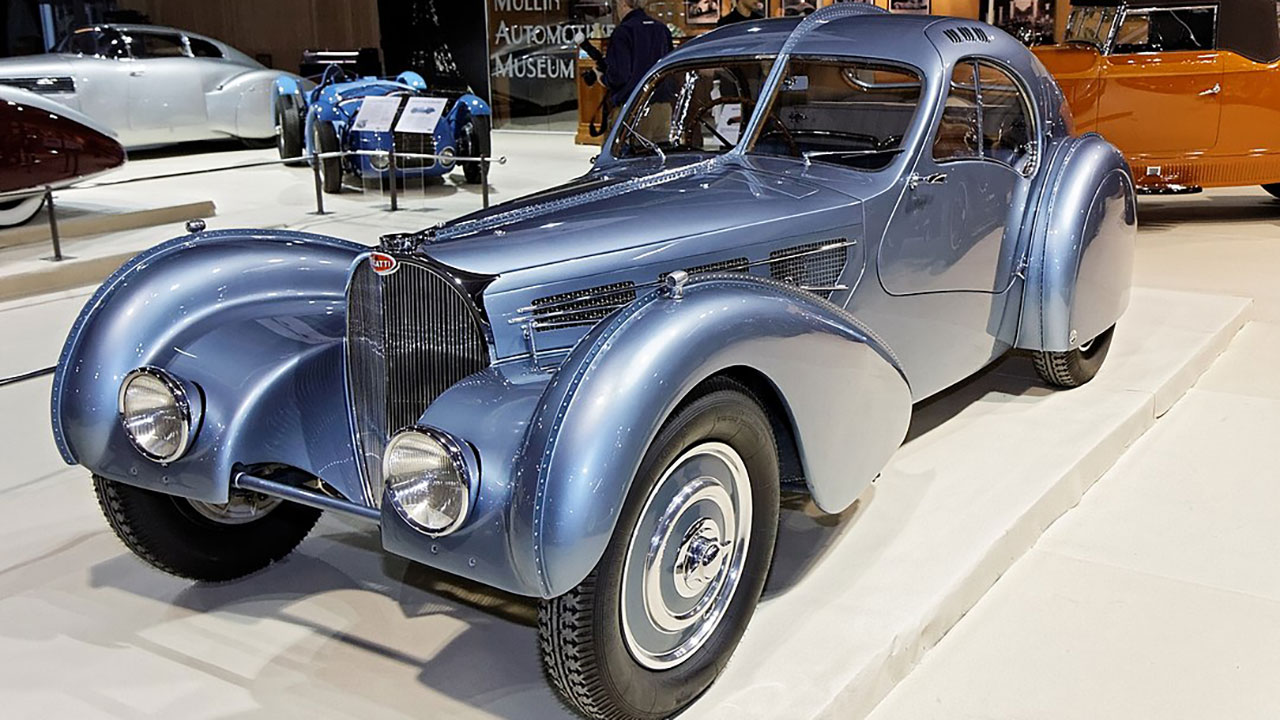
Equally iconic, the Bugatti Type 57SC Atlantic, manufactured in the 1930s, had a mere four units produced. With its art deco styling and advanced engineering for its time, the Atlantic is not only a masterpiece of design but also a symbol of exclusivity. Due to its limited numbers, any Atlantic that comes to market is met with fierce competition among collectors, further driving up its value into the tens of millions.
Factors Leading to Low Production Numbers
Several factors contribute to the low production numbers of these iconic models. Manufacturing constraints often play a significant role. For example, the Ferrari 250 GTO was hand-built, which made the production process labor-intensive and time-consuming. Financial limitations and the brand’s decision to focus on quality over quantity resulted in limited runs of their most prestigious models.
Market demand also influences production numbers. Brands like Bugatti have historically aimed at catering to a wealthy clientele, which means they produce fewer units to maintain exclusivity. Such strategies not only elevate the brand’s prestige but also ensure that the cars remain desirable. These choices often lead to a build-up of mythology around the vehicles, which in turn can increase their market value.
The Impact of Rarity on Value
The resale market for rare cars is significantly impacted by their scarcity. Auction houses like RM Sotheby’s and Gooding & Co. frequently feature ultra-rare models, and the results can be staggering. For instance, a 1937 Talbot-Lago T150-C-SS Teardrop Coupe sold for $13.42 million in 2015, reflecting how rarity can drive demand and price. Collectors often view these vehicles as investments, and the rarity ensures they will likely appreciate over time.
Beyond monetary value, emotional and cultural factors also weigh heavily on a collector’s desire for rare cars. Many collectors are drawn to the stories behind these vehicles, the craftsmanship, and the legacy they carry. Owning a piece of automotive history can evoke pride and passion, making these cars more than just objects of value; they become a part of the collector’s identity.
Collectors’ Perspectives on Rare Cars
To gain insight into the world of rare car collecting, I spoke with several prominent collectors who shared their experiences and motivations. One collector, a seasoned enthusiast of vintage Ferraris, emphasized the thrill of the hunt and the satisfaction that comes from restoring a rare model to its former glory. “It’s not just about owning the car; it’s about the journey and the stories each car holds,” he explained.
The camaraderie among collectors is another fascinating aspect of this culture. Events like the Pebble Beach Concours d’Elegance attract enthusiasts from all over the world, allowing them to showcase their prized possessions and share their passion. These gatherings foster a sense of community, where stories are exchanged, and lifelong friendships are formed. Clubs and online forums dedicated to specific brands or models also play a crucial role in connecting collectors and fostering a culture of appreciation for rare vehicles.
Future Trends in Rare Car Production
As we move toward an increasingly automated and electrified automotive landscape, the future of rare car production may see significant changes. Electric and hybrid vehicles are gaining traction, and traditional manufacturers are beginning to adapt. Brands like Porsche have already introduced electric models with a focus on performance, which could lead to a new category of rare cars that blend the latest technology with the exclusivity that collectors cherish.
The push for sustainability may also influence how manufacturers approach limited production runs. As the market evolves, companies may produce fewer high-performance electric vehicles, enhancing their desirability among eco-conscious collectors. This could reshape the definition of rarity in the automotive world, moving from a focus solely on traditional combustion engines to include innovative electric models that offer both performance and sustainability.
Preservation and Restoration of Rare Cars
For collectors, preserving and restoring rare vehicles is crucial to maintaining their value. Proper care involves more than just regular maintenance; it requires an understanding of the original specifications and materials used in the car’s construction. Collectors should seek specialized restoration shops that have experience with the specific make and model of their vehicle. These professionals can help ensure that any work done retains the car’s authenticity, which is essential for long-term value.
Documentation also plays a vital role in a car’s provenance. Maintaining records of previous ownership, restoration work, and any modifications made can significantly enhance a vehicle’s market value. Collectors should also be cautious about making changes that could alter the vehicle’s original character, as authenticity often drives desirability and price. In the world of rare cars, the mantra is clear: preserve, restore, and respect the heritage of these incredible machines.
More from Fast Lane Only
- Unboxing the WWII Jeep in a Crate
- 15 rare Chevys collectors are quietly buying
- 10 underrated V8s still worth hunting down
- Police notice this before you even roll window down
*Research for this article included AI assistance, with all final content reviewed by human editors.