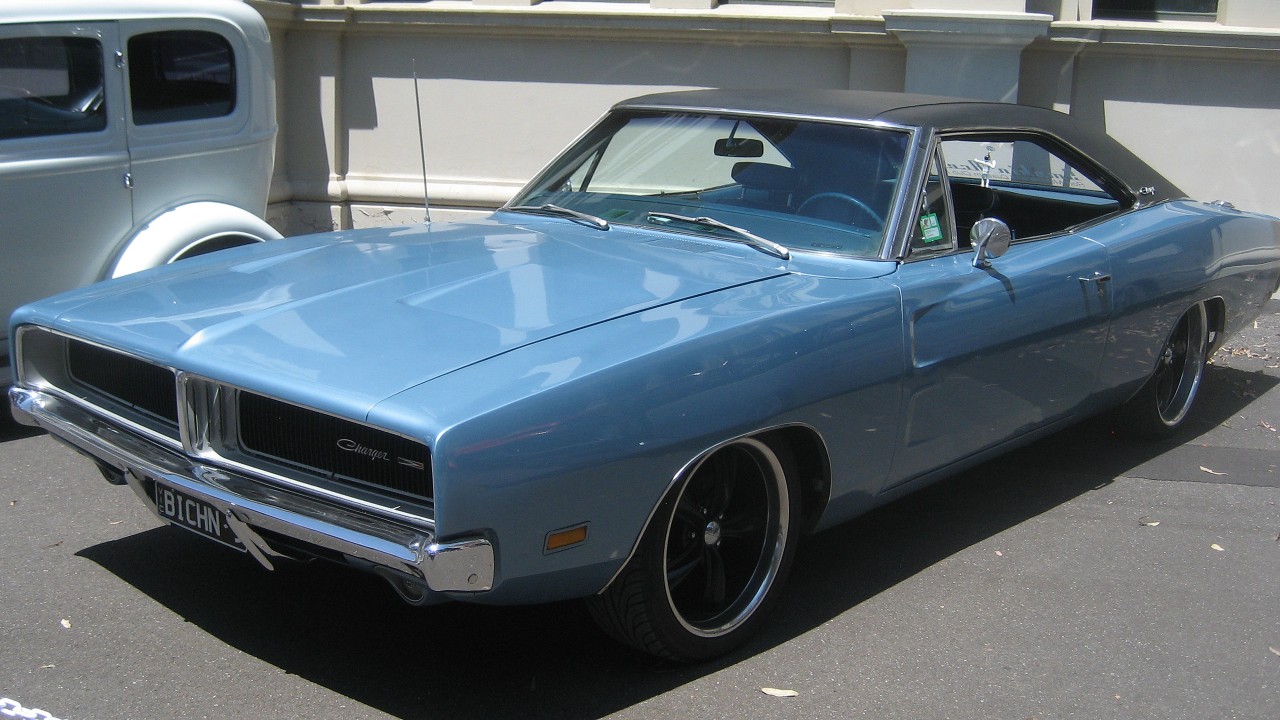
The 1969 Dodge Charger was introduced as an evolution of an already successful muscle car, but it quickly became something far larger than Dodge had anticipated. Its aggressive styling, powerful engine options, and unforgettable appearances in popular culture transformed it from a performance coupe into one of the most recognizable American automobiles ever built.
Dodge Expected Strong Sales, Not a Cultural Icon
When Dodge updated the Charger for 1969, the company focused on refining a winning formula rather than reinventing it. A revised grille, new taillight design, and subtle styling improvements kept the car fresh while preserving the dramatic fastback shape introduced the previous year.
Buyers could choose from a wide range of engines, beginning with practical V8s and extending to legendary high-performance options like the 440 Magnum and the fearsome 426 Hemi. This broad lineup allowed the Charger to appeal to everyone from everyday drivers to serious performance enthusiasts.
At the time, Dodge simply hoped the Charger would remain competitive in the rapidly growing muscle car market. Few inside the company imagined that it would eventually become one of the most famous American cars ever produced.
Its greatest success would come from places no marketing plan could fully predict.
Hollywood Turned the Charger Into a Superstar
One of the biggest reasons the 1969 Charger achieved legendary status was its remarkable career on television and in film. Its muscular proportions, hidden headlights, and unmistakable profile made it an ideal choice for directors looking for a car with instant visual impact.
Perhaps its most famous role came as the orange “General Lee” in The Dukes of Hazzard. Week after week, millions of viewers watched Chargers perform spectacular jumps, high-speed chases, and dramatic stunts that permanently linked the car with excitement and adventure.
The Charger also appeared in countless action films, crime dramas, and later the Fast & Furious franchise, where its aggressive styling helped it stand out among newer performance cars. Every appearance introduced the model to another generation of enthusiasts.
Hollywood transformed the Charger from a successful production car into a global automotive icon.
Enthusiasts Kept the Legend Alive
The Charger’s popularity did not fade when muscle car production declined during the 1970s. Instead, owners, restorers, and collectors worked to preserve surviving examples, recognizing the car’s unique combination of style and performance.
Its wide availability of factory engine choices also contributed to its lasting appeal. Whether equipped with a dependable small-block V8 or a high-performance Hemi, every Charger shared the same dramatic body that enthusiasts admired.
The aftermarket further strengthened its reputation by making restoration parts readily available. As more cars returned to the road, classic car shows, auctions, and enthusiast gatherings helped introduce the Charger to younger generations who had never seen one new.
Its growing collector status steadily increased both its visibility and its value.
Its Legacy Continues to Shape Dodge Performance
The enduring popularity of the 1969 Charger has influenced Dodge for decades. Modern Charger models borrow styling themes and performance philosophies from the classic original, while limited-edition packages often celebrate its heritage.
Collectors continue to pay premium prices for well-preserved examples, particularly rare high-performance models and documented factory configurations. At auctions, exceptional Chargers frequently rank among the most valuable American muscle cars, reflecting their enduring demand.
More importantly, the 1969 Charger has become a symbol of the entire muscle car era. Its image appears in books, video games, television programs, movies, and automotive events around the world, ensuring its influence extends far beyond the number originally built.
Looking back, the strange reason the 1969 Dodge Charger became bigger than Dodge imagined was that it transcended its role as simply another new model. Through unforgettable design, impressive performance, and decades of exposure in popular culture, it grew into one of the most recognizable and celebrated automobiles in American automotive history.
More from Fast Lane Only
- Unboxing the WWII Jeep in a Crate
- 15 rare Chevys collectors are quietly buying
- 10 underrated V8s still worth hunting down
- Police notice this before you even roll window down
*Research for this article included AI assistance, with all final content reviewed by human editors