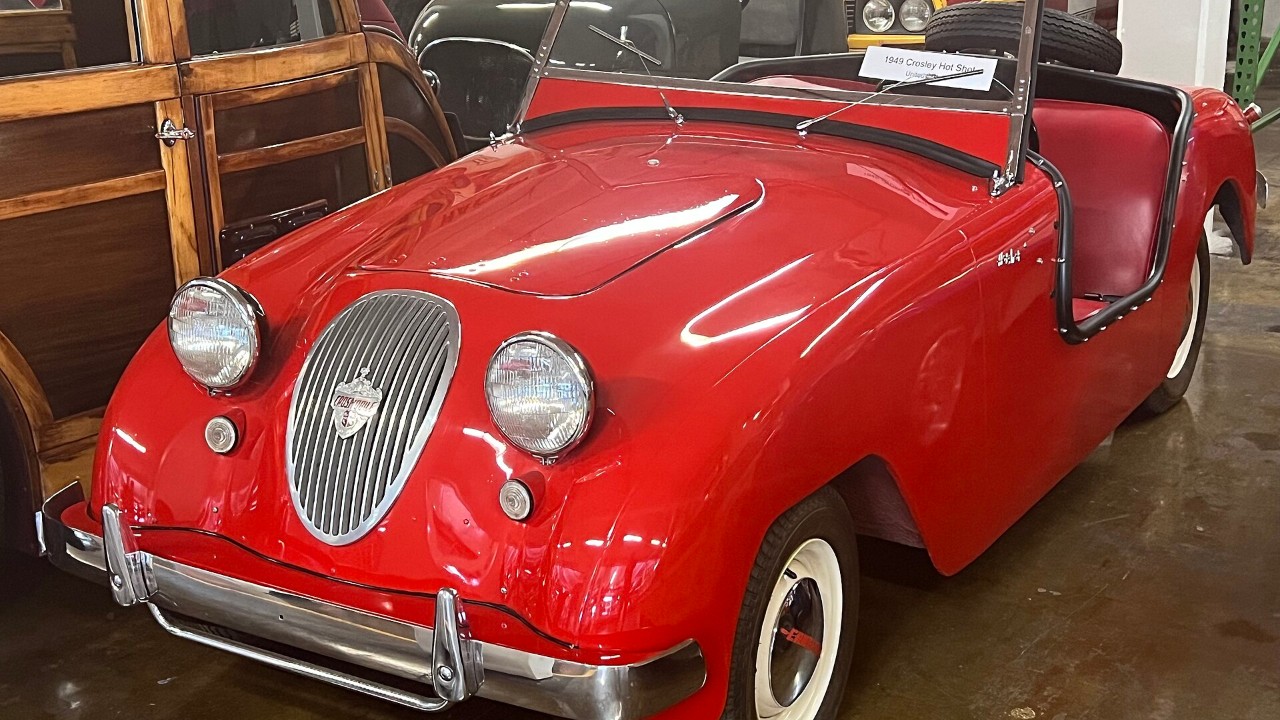
Not every factory performance car became a household name. Some were overshadowed by more famous rivals, while others arrived at the wrong time or were produced in limited numbers. Despite their low profiles, these machines delivered impressive performance straight from the factory and deserve to be remembered for what they achieved.
Dodge Spirit R/T
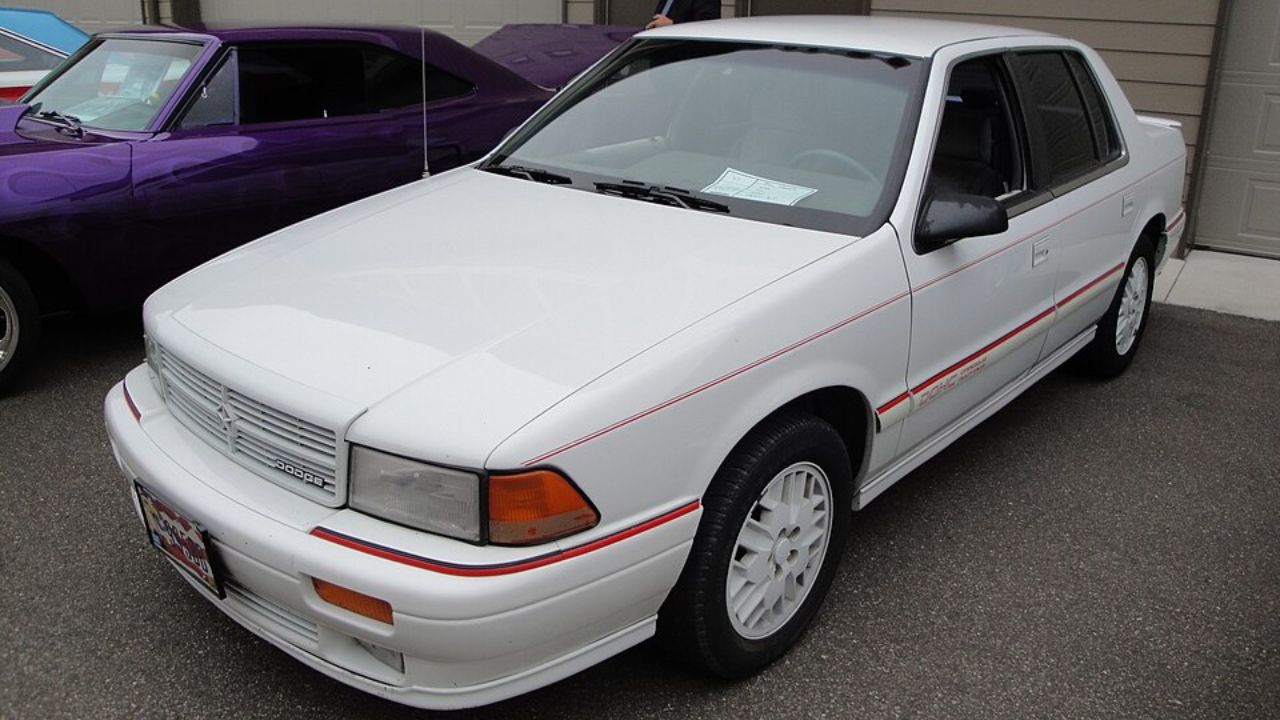
The Dodge Spirit R/T packed a turbocharged 2.2-liter engine producing 224 horsepower into an unassuming family sedan. Its surprising acceleration made it one of the quickest American sedans of its era. Today, it remains an overlooked performance icon.
Chevrolet Beretta GTZ
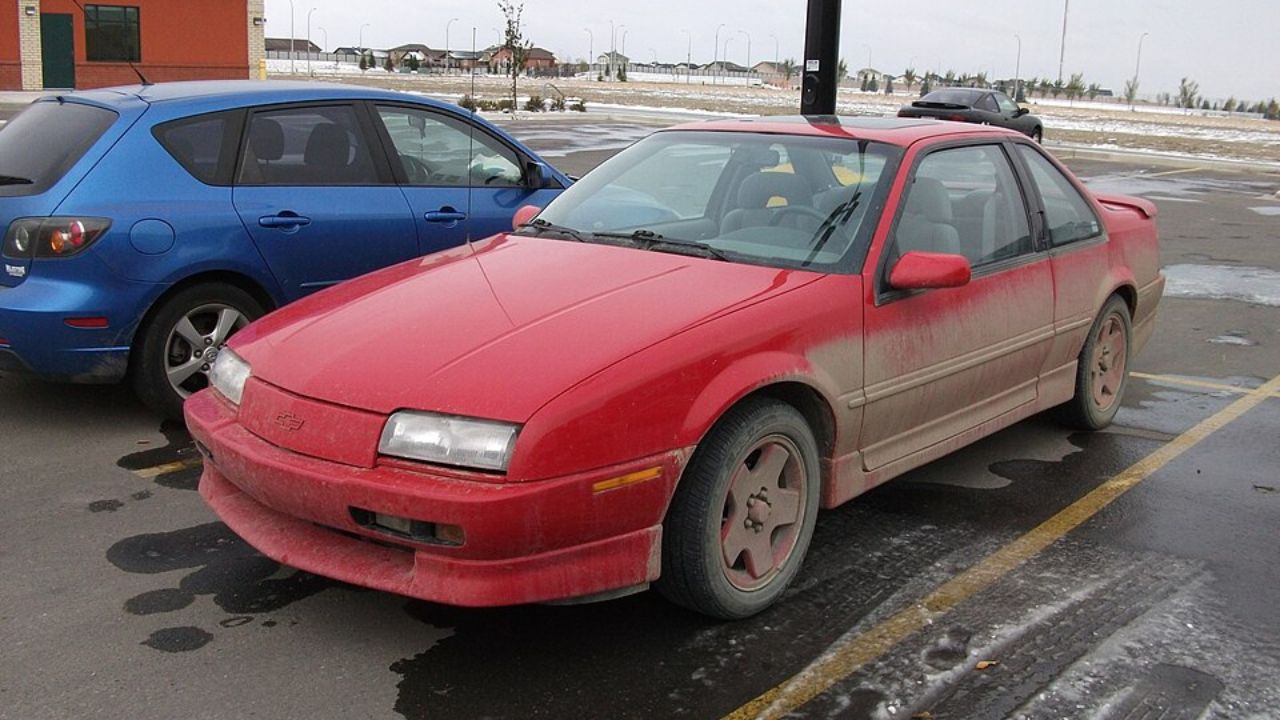
The Chevrolet Beretta GTZ featured the high-output Quad 4 engine, giving the compact coupe performance that rivaled many sport imports. Sharp handling and distinctive styling added to its appeal. It has become a forgotten gem from Chevrolet’s performance lineup.
Mercury Marauder
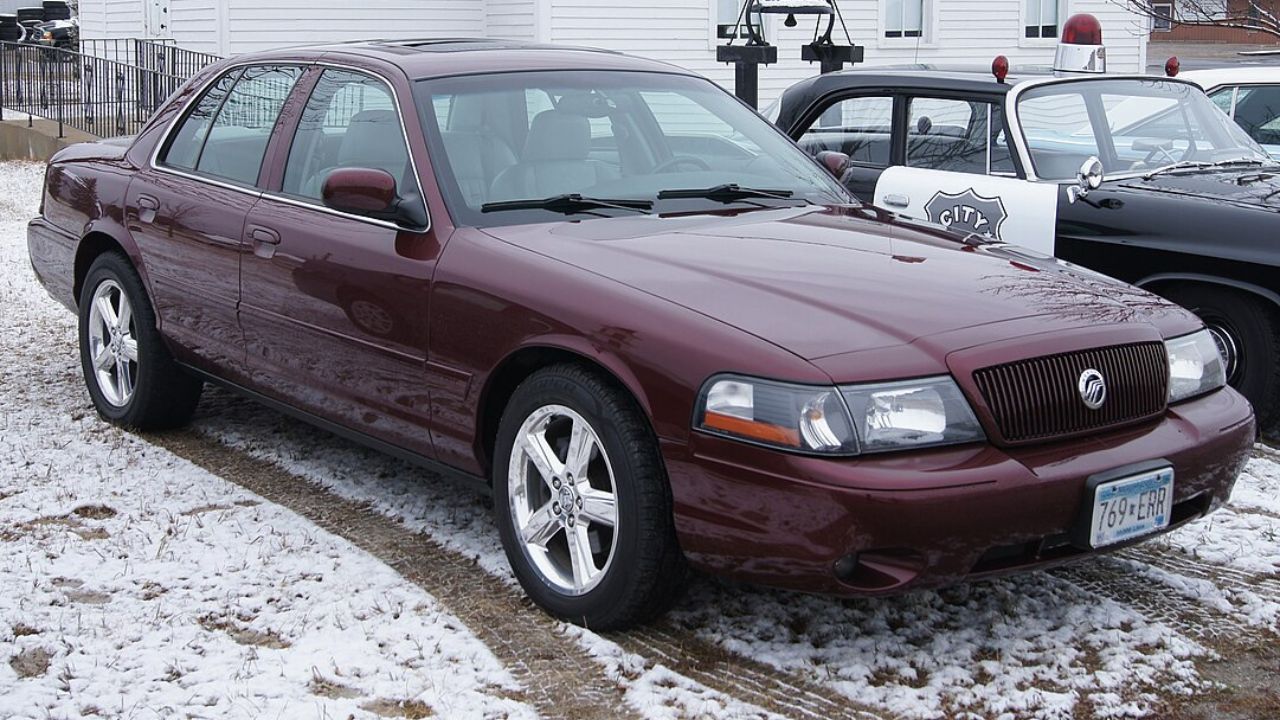
The Mercury Marauder revived the full-size American performance sedan with a 4.6-liter DOHC V8 and rear-wheel drive. Although production lasted only two years, it earned a loyal following. Collectors continue recognizing its unique character.
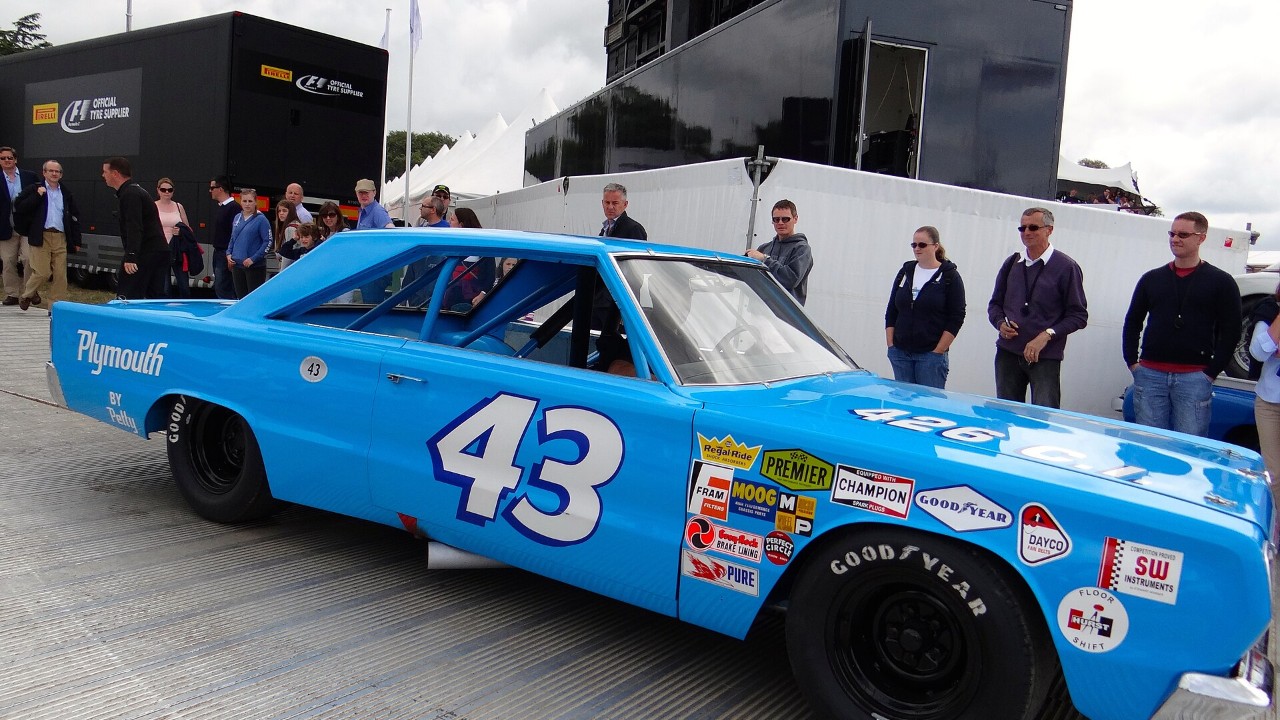
Plymouth Laser RS Turbo
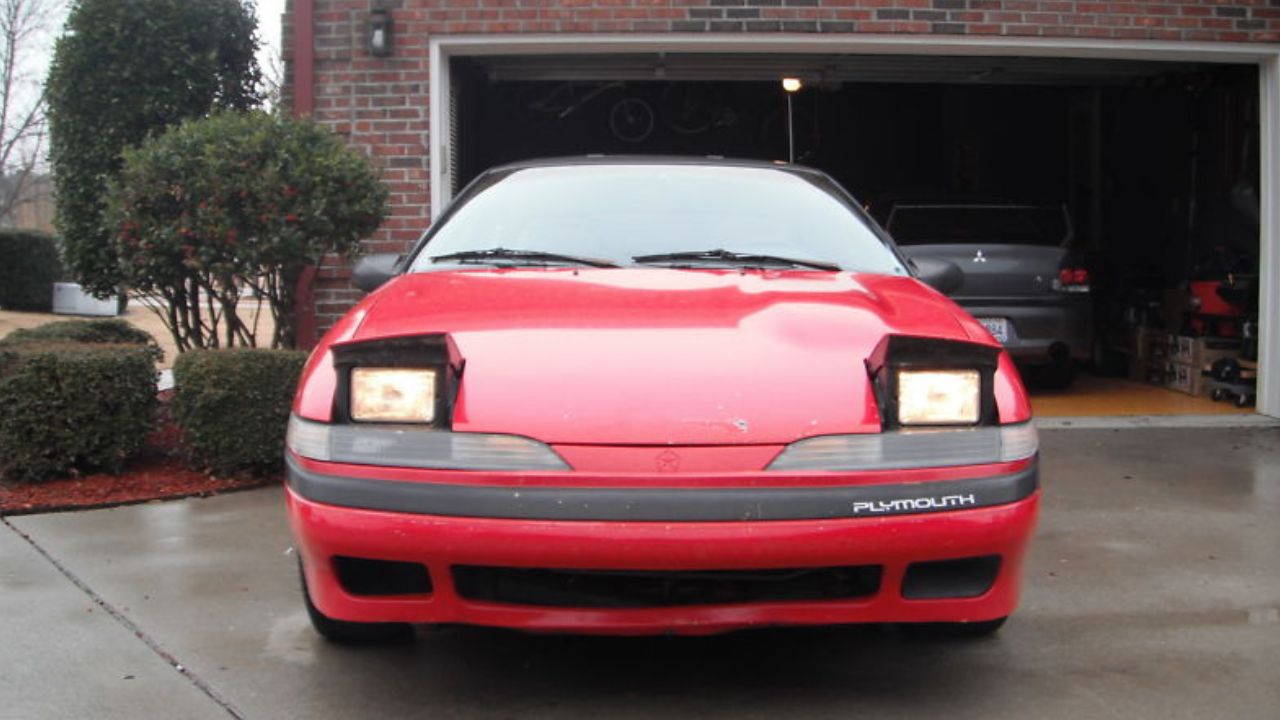
The Plymouth Laser RS Turbo offered turbocharged power and available all-wheel drive through its Diamond-Star Motors partnership. Often overshadowed by the Eclipse GSX, it quietly delivered outstanding performance. Enthusiasts now appreciate its rarity and capability.
Oldsmobile Achieva SCX
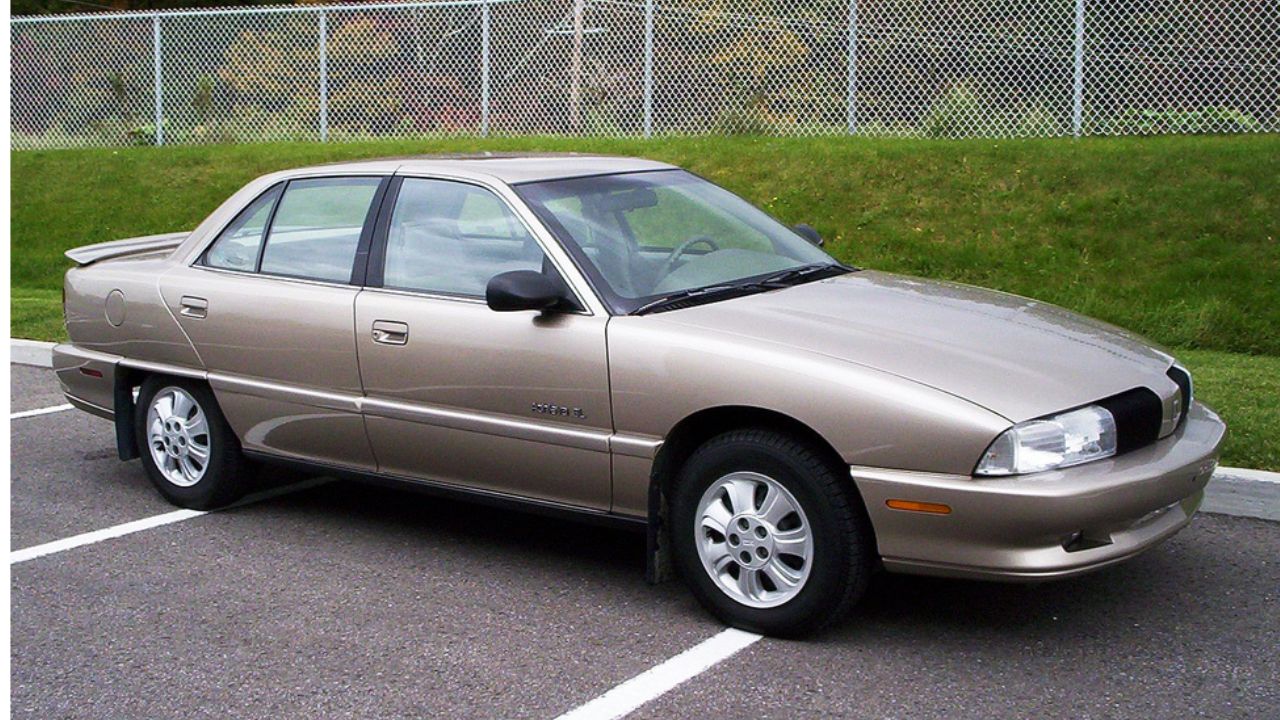
The Oldsmobile Achieva SCX used a high-output Quad 4 engine and sport-tuned suspension to create a surprisingly capable front-wheel-drive performance coupe. Limited production kept it relatively unknown. Today, it is one of Oldsmobile’s rarest factory performance cars.
Ford Taurus SHO (First Generation)
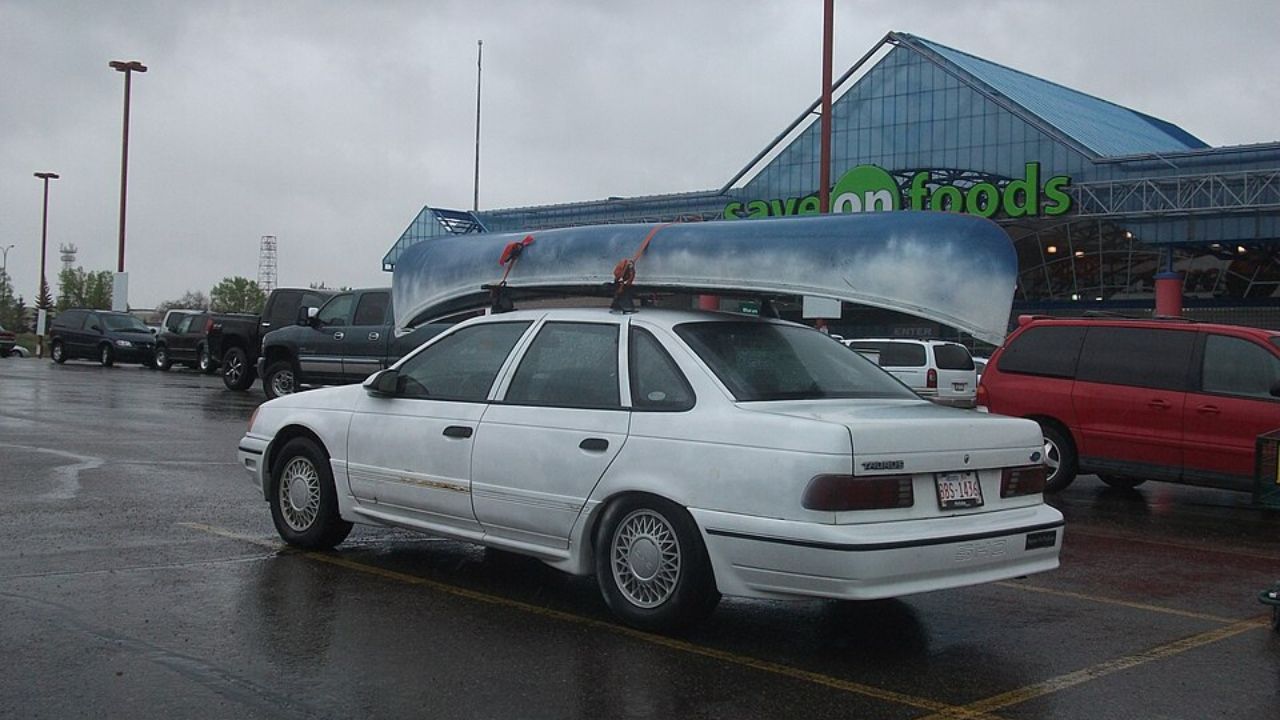
CC BY 2.0 / Wiki Commons
The first-generation Ford Taurus SHO transformed a practical family sedan into a genuine performance machine with its Yamaha-developed V6 engine and precise handling. It surprised buyers and competitors alike. It remains a landmark American sports sedan.
Pontiac Grand Prix GTP
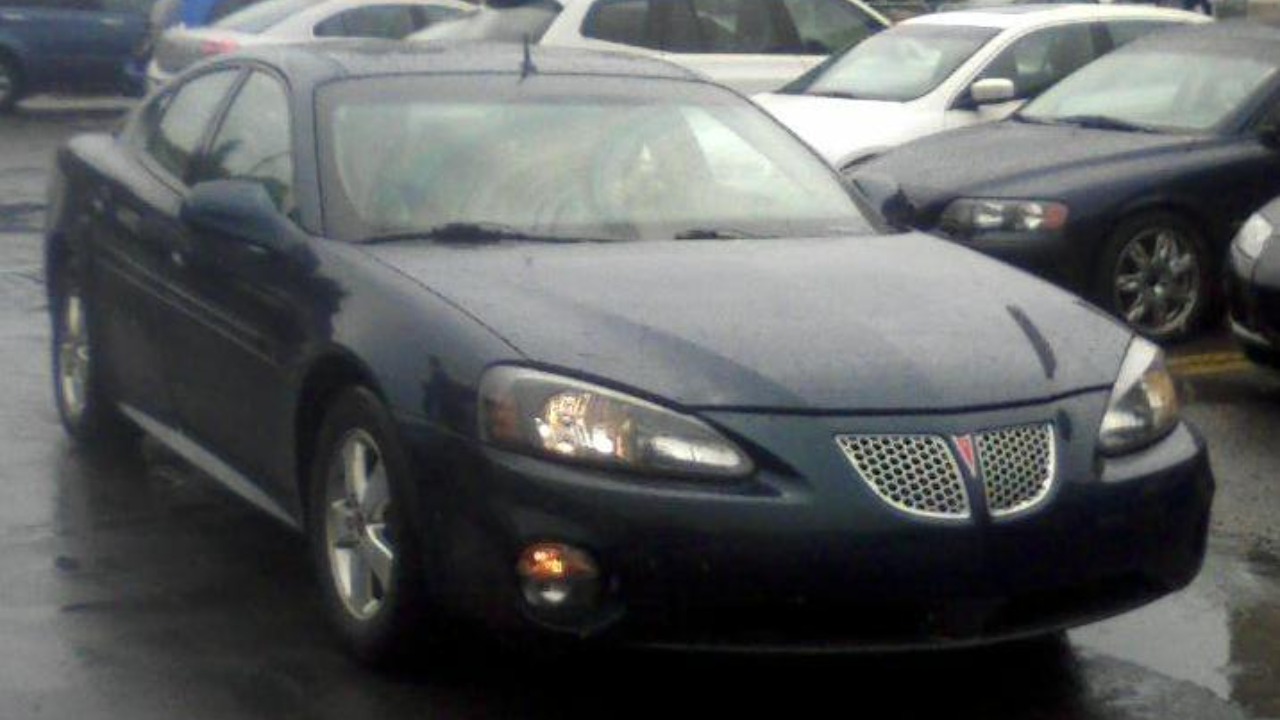
The Pontiac Grand Prix GTP combined a supercharged V6 with comfortable seating and everyday practicality. While often overlooked beside V8 muscle cars, it delivered strong real-world performance. It continues earning appreciation among modern performance enthusiasts.
Chrysler Conquest TSi
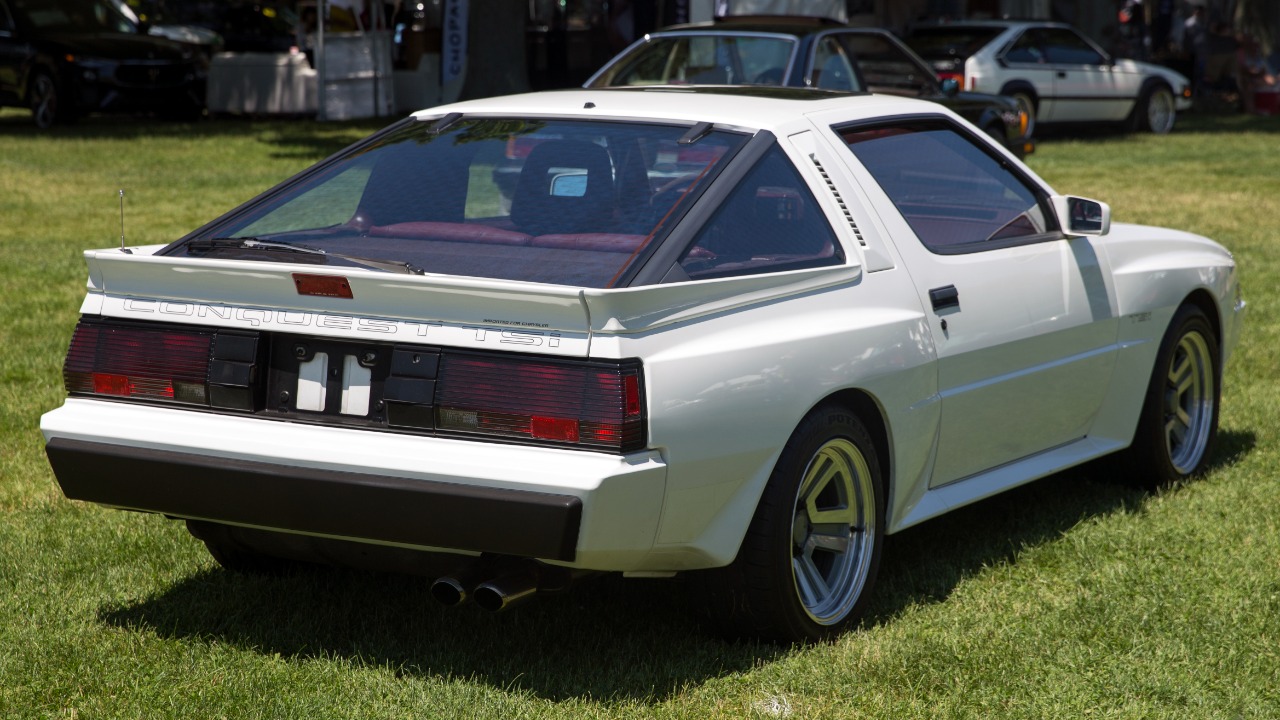
The Chrysler Conquest TSi brought turbocharged rear-wheel-drive performance and aggressive styling to Chrysler dealerships. Its sophisticated engineering and balanced handling made it a serious sports coupe. Today, it is recognized as an underrated factory performance machine.
Buick Regal GS (Supercharged)
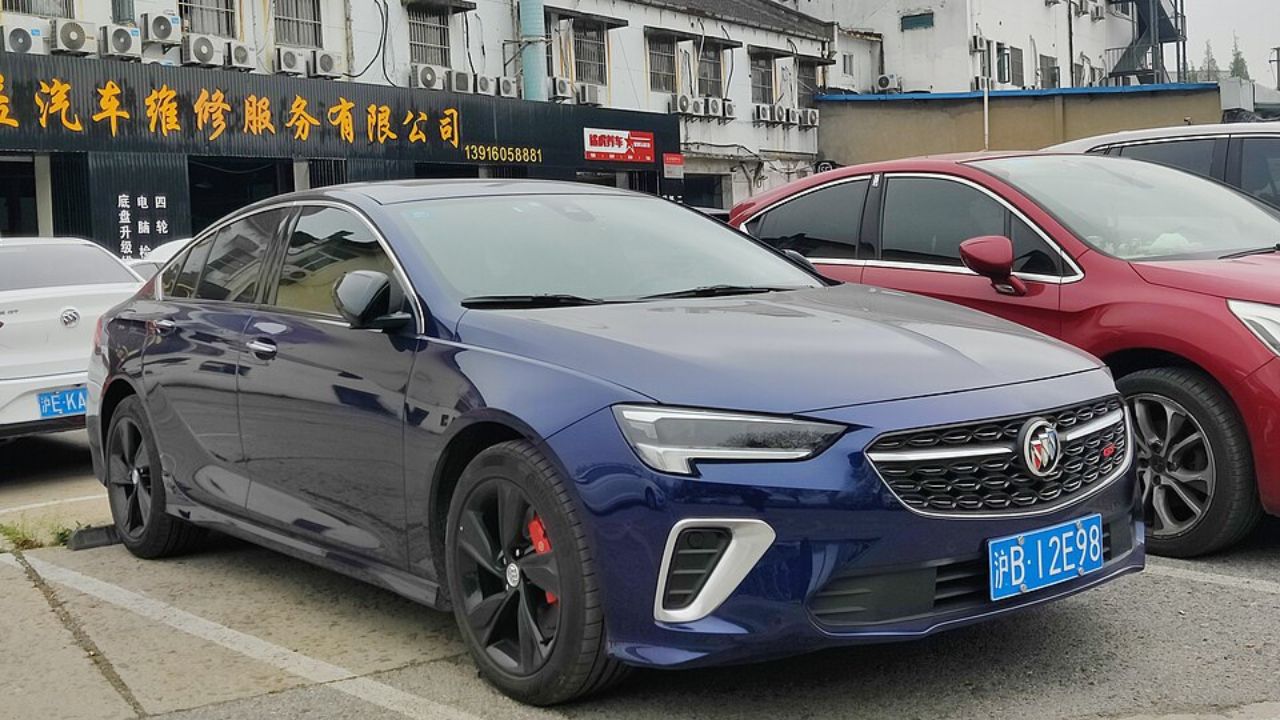
The supercharged Buick Regal GS blended understated luxury with impressive acceleration from its proven 3800 V6 engine. Buyers seeking discreet performance found an ideal package. It has become an increasingly respected modern classic.
AMC AMX
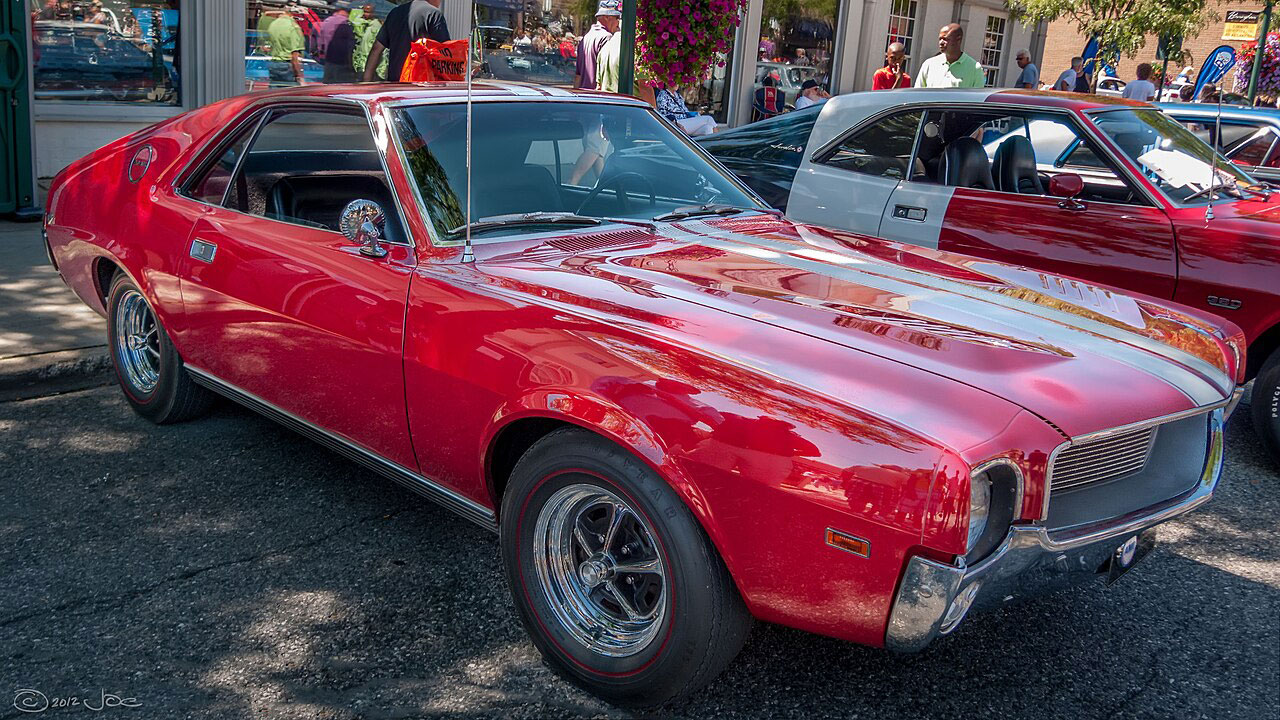
The AMC AMX proved that American Motors could build a serious high-performance car with its lightweight two-seat design and powerful V8 engines. Overshadowed by larger Detroit rivals, it never received the attention it deserved. Today, it stands among America’s most distinctive factory-built muscle cars.
More from Fast Lane Only
- Unboxing the WWII Jeep in a Crate
- 15 rare Chevys collectors are quietly buying
- 10 underrated V8s still worth hunting down
- Police notice this before you even roll window down
*Research for this article included AI assistance, with all final content reviewed by human editors