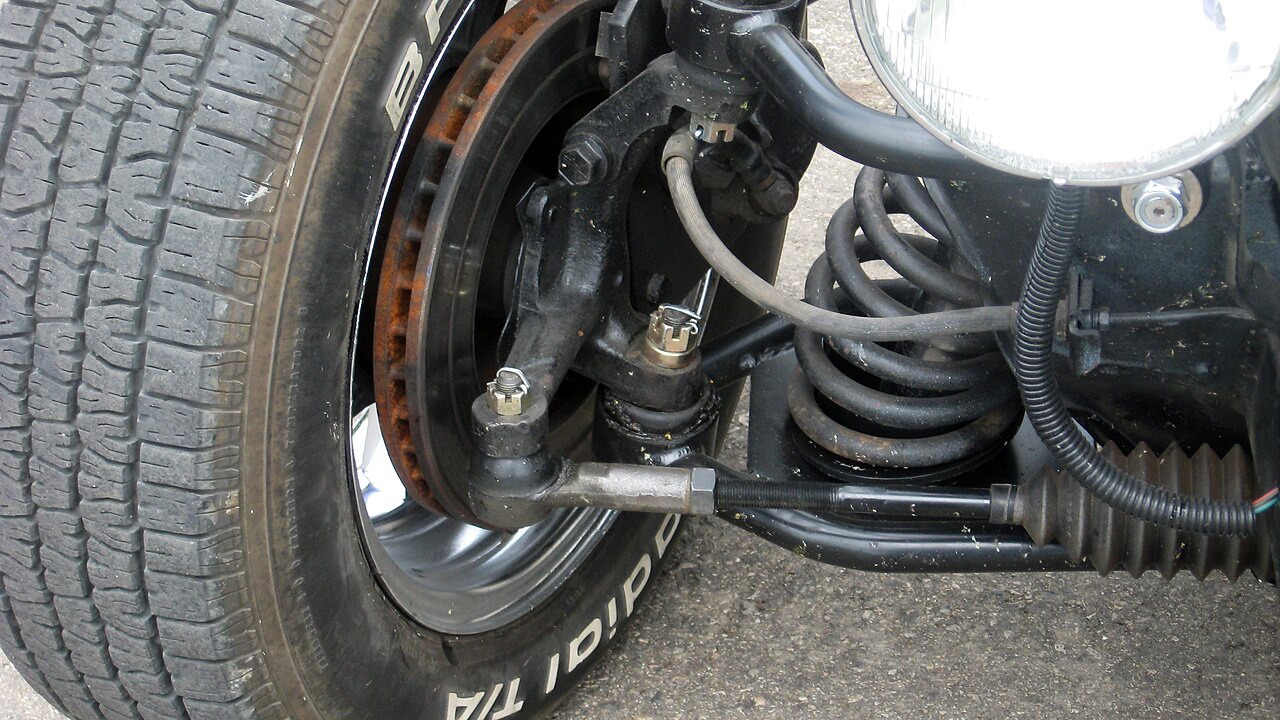
Some classic cars feel ancient the moment the key turns, while others still track straight, ride quietly, and steer with surprising precision decades later. The difference often comes down to what sits between the body and the road. One particular suspension layout, introduced on a humble sedan rather than an exotic halo car, quietly rewrote the rulebook and helped that model age with a composure that still impresses modern drivers.
This design did not rely on gadgets or electronic trickery. It combined careful geometry, smart packaging, and a focus on how the car would feel after hundreds of thousands of miles, not just on launch day. That long view is a big reason collectors now hunt for well preserved examples of this otherwise modest classic.
How a forward looking suspension layout reshaped a modest classic
When engineers moved from a traditional live rear axle to an independent rear suspension on this classic sedan, they were solving several problems at once. A solid axle, which ties both rear wheels together with a single housing, is simple and strong but tends to transmit bumps from one side of the car to the other. By separating the wheels with independent links, the new layout allowed each tire to react to the road on its own, which immediately improved ride comfort and grip on uneven pavement.
The key was not independence alone, which several manufacturers were experimenting with at the time, but how the links were arranged. The rear suspension used semi trailing arms that controlled camber and toe changes as the wheels moved through their travel. The geometry was tuned so that as the car rolled in a corner, the outside rear wheel gained a touch of negative camber and a stabilizing toe in effect. That trait gave the sedan a planted feel that surprised drivers used to the looser behavior of many contemporaries.
Equally important, the layout was compact. By tucking the springs and dampers close to the body and using relatively short arms, engineers freed up trunk space and allowed a lower floor. That packaging advantage meant the car could offer family friendly practicality without the usual compromises that came with more sophisticated suspension systems. The design also kept unsprung mass in check, which reduced the harshness that often plagued cars with heavy rear axles.
At the front, the car used MacPherson struts, a design that combines the spring, damper, and upper steering pivot into a single unit. The strut layout was not new, but pairing it with the carefully tuned rear suspension created a balanced chassis. Front and rear roll stiffness could be matched precisely, which reduced understeer and let the car respond cleanly to steering inputs. That balance is a major reason why, even today, owners describe the steering as natural and confidence inspiring rather than vague or twitchy.
The result was a car that felt cohesive, with suspension movements that worked together instead of fighting each other. Body motions were well controlled without resorting to overly stiff springs, so the sedan soaked up rough surfaces better than many rivals. That blend of comfort and agility gave it a reputation as a driver’s car long before anyone thought of it as a collectible.
Why that suspension keeps this classic relevant for modern drivers and collectors
Decades later, the same suspension principles help this model stand out in a crowded classic market. Many vintage cars look beautiful but feel crude on present day roads. By contrast, this sedan’s independent rear suspension and strut front end let it cruise at highway speeds with a calm that still feels contemporary. Owners who step out of a modern hatchback and into a well maintained example often remark that the older car does not feel as old as its styling suggests.
That aging gracefully effect has real market consequences. Collectors increasingly favor classics that can be driven regularly, not just displayed. Guides that highlight the most collectible classics now pay close attention to models that combine character with everyday usability, and this sedan fits that brief. Its suspension design allows long trips without fatigue, which in turn encourages owners to keep the cars mechanically healthy instead of treating them as static investments.
The geometry also helps the car tolerate modern tire technology. Many older platforms were tuned around narrow, high profile tires and become nervous when fitted with wider, lower profile rubber. The independent rear layout on this classic can accept modest upgrades in wheel and tire size without upsetting the balance, as long as alignment settings are respected. That adaptability means owners can improve braking and grip while preserving the original driving feel, a key factor for enthusiasts who want to mix period charm with modern safety margins.
Maintenance patterns have also favored longevity. Because the rear suspension uses separate arms, bushings, and joints rather than a single massive axle housing, wear tends to appear gradually and can be addressed piece by piece. A tired bushing or ball joint can be replaced without dismantling half the car. This modularity has helped keep many examples on the road, since owners can refresh the chassis over time instead of facing one intimidating overhaul.
From a safety perspective, the suspension layout contributed to more predictable behavior in emergencies. The rear end’s tendency to toe in slightly under compression helped the car track straight under hard braking or when hitting mid corner bumps. That stability, combined with a relatively low center of gravity, gave drivers more margin for error than they might have had in similarly aged cars with live axles. As safety expectations have risen, that built in composure has made the model easier to justify as a regular driver rather than a weekend curiosity.
The cultural impact is harder to quantify but just as significant. The sedan’s reputation for honest, satisfying handling has turned it into a gateway classic for younger enthusiasts who grew up with front wheel drive compacts. Many discover that this older, rear driven car feels intuitive rather than intimidating, largely because the suspension communicates grip levels clearly. That approachable character keeps demand healthy and supports a thriving ecosystem of parts suppliers and specialist workshops.
How the same suspension philosophy is shaping the car’s future
Looking ahead, the qualities baked into this suspension design are likely to matter even more. As cities tighten emissions rules and low emission zones expand, some older performance cars with thirsty engines and fragile chassis may struggle to justify their place on public roads. This sedan’s relatively modest power output, combined with a chassis that can comfortably handle modern traffic, positions it well for a future where classic cars must earn their keep as practical transport as well as nostalgic objects.
Enthusiasts are already exploring ways to update the platform without erasing its character. Some builders are fitting period looking coilover units that allow fine tuning of ride height and damping while retaining the original suspension geometry. Others are experimenting with subtle upgrades such as improved rubber compounds for bushings or slightly thicker anti roll bars. The goal in most cases is not to transform the car into a track weapon but to preserve the supple, controlled ride that made it special, while tightening body control for modern speeds.
There is also growing interest in electrified restomods based on this chassis. The independent rear suspension simplifies the packaging of battery modules and electric drive units, since there is no bulky live axle to work around. Builders can mount components low in the body, which keeps the center of gravity in check and maintains the car’s balanced handling. If such projects remain faithful to the original suspension kinematics, they could extend the model’s life into an era when combustion engines face increasing restrictions.
More from Fast Lane Only
- Unboxing the WWII Jeep in a Crate
- 15 rare Chevys collectors are quietly buying
- 10 underrated V8s still worth hunting down
- Police notice this before you even roll window down
*Research for this article included AI assistance, with all final content reviewed by human editors