Bullet trains, or high-speed trains, have transformed the way we think about rail travel, offering a combination of speed, efficiency, and technological sophistication. These trains glide across countries at remarkable speeds, and understanding the technology behind them offers insights into one of the greatest engineering achievements of our time.
The Evolution of Bullet Trains
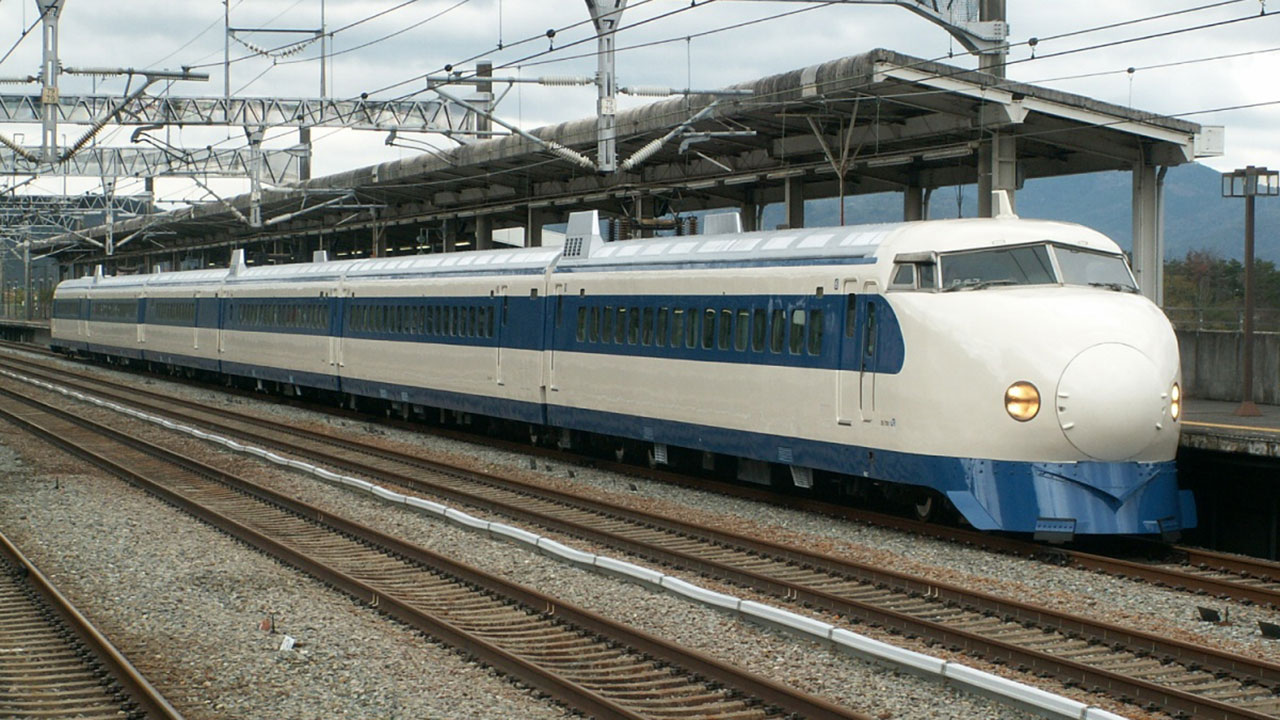
The story of bullet trains begins in Japan, where the first Shinkansen, also known as the “bullet train,” was introduced in 1964. This innovation was a response to the need for faster travel between major cities, particularly between Tokyo and Osaka. The Shinkansen set the stage for future developments in high-speed rail technology and inspired similar projects around the world. In the decades that followed, countries including France, Germany, and China developed their own high-speed rail systems, each building upon the technological foundations laid by Japan.
Key technological milestones have marked the evolution of bullet trains. The introduction of streamlined shapes reduced air resistance, and the shift to electric traction allowed for cleaner, more efficient propulsion. These advancements have enabled trains to reach speeds exceeding 300 km/h (186 mph). Iconic models such as the Shinkansen have not only influenced modern train design but also set standards for safety and reliability in high-speed rail travel. The Shinkansen continues to be a symbol of cutting-edge rail technology.
Magnetic Levitation (Maglev) Technology
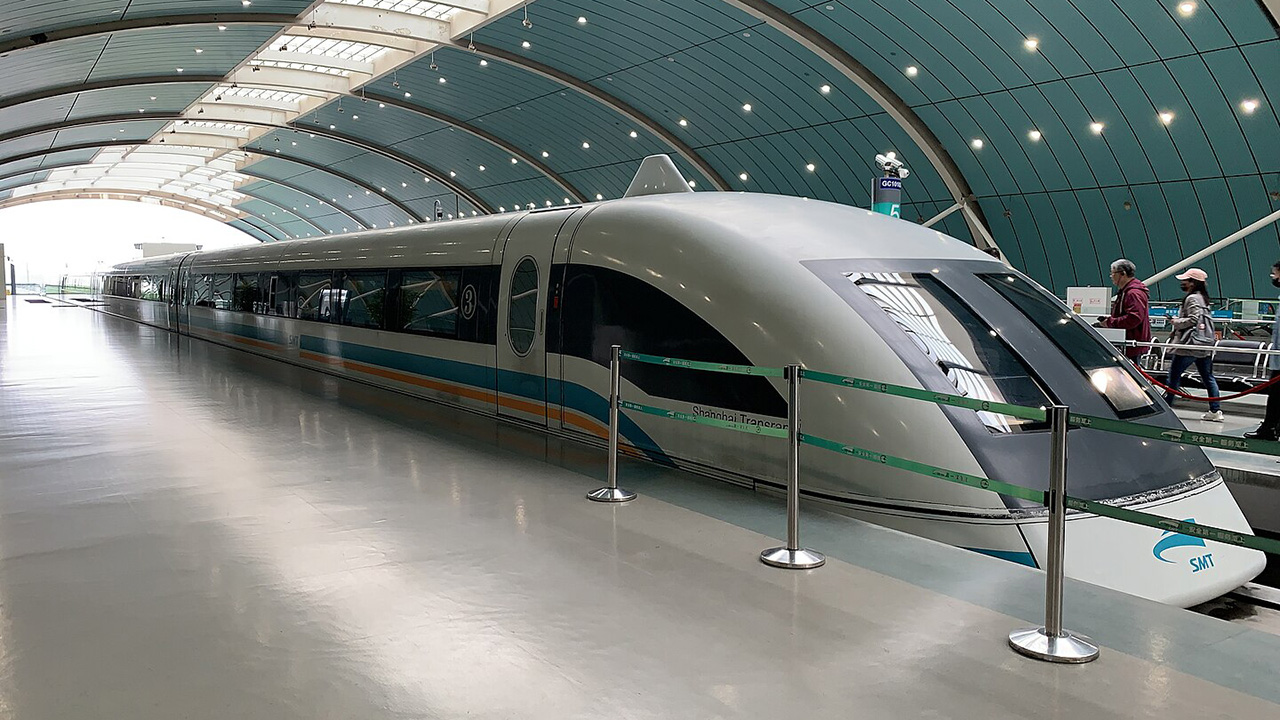
Magnetic levitation, or maglev, represents a significant leap forward in high-speed rail technology. This method uses powerful magnets to lift and propel trains, eliminating the friction between wheels and tracks. The science behind maglev involves electromagnetic suspension, where magnets on the train interact with coils in the track, creating a magnetic field that lifts the train. This technology allows for smoother and faster travel compared to conventional trains.
The benefits of maglev technology are numerous. By reducing friction, maglev trains can achieve higher speeds with less energy consumption. They also require less maintenance, as there are fewer mechanical components to wear out. Current maglev projects, such as the Shanghai Maglev in China, demonstrate the potential of this technology. Planned projects in countries like Japan and Germany aim to expand maglev networks, promising even faster and more efficient travel in the future.
Advanced Rail Infrastructure
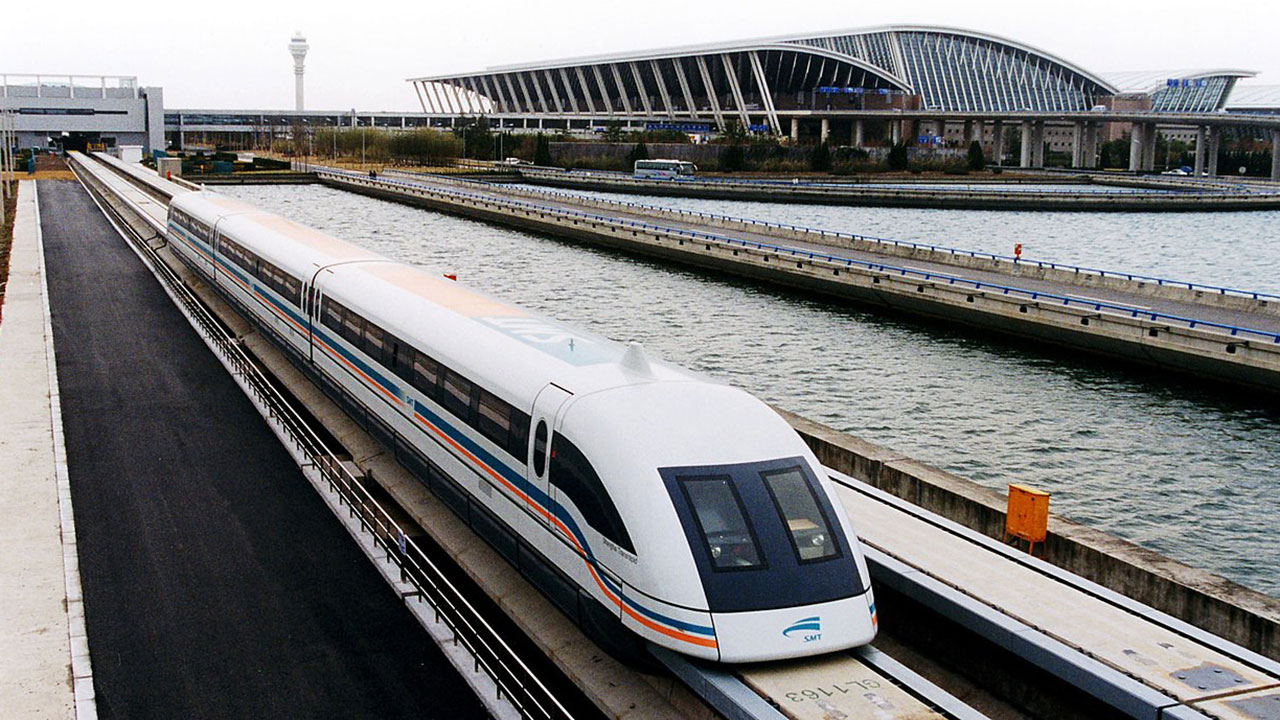
The infrastructure supporting high-speed trains is as crucial as the trains themselves. Specialized tracks are designed to accommodate the demands of high-speed travel, using materials that can withstand the intense forces involved. Concrete and steel are common materials, selected for their durability and strength. Tracks are carefully engineered to maintain stability and safety at high speeds.
Safety systems are integral to the operation of high-speed rail lines. Advanced signaling systems, automatic train control, and real-time monitoring ensure that trains operate safely and efficiently. These systems are designed to prevent collisions and derailments, providing a level of safety unmatched in other forms of transportation. Environmental considerations are also paramount in modern rail design. Efforts are made to minimize noise pollution and reduce the carbon footprint of rail operations, making high-speed trains a more sustainable choice for long-distance travel.
Propulsion and Power Systems
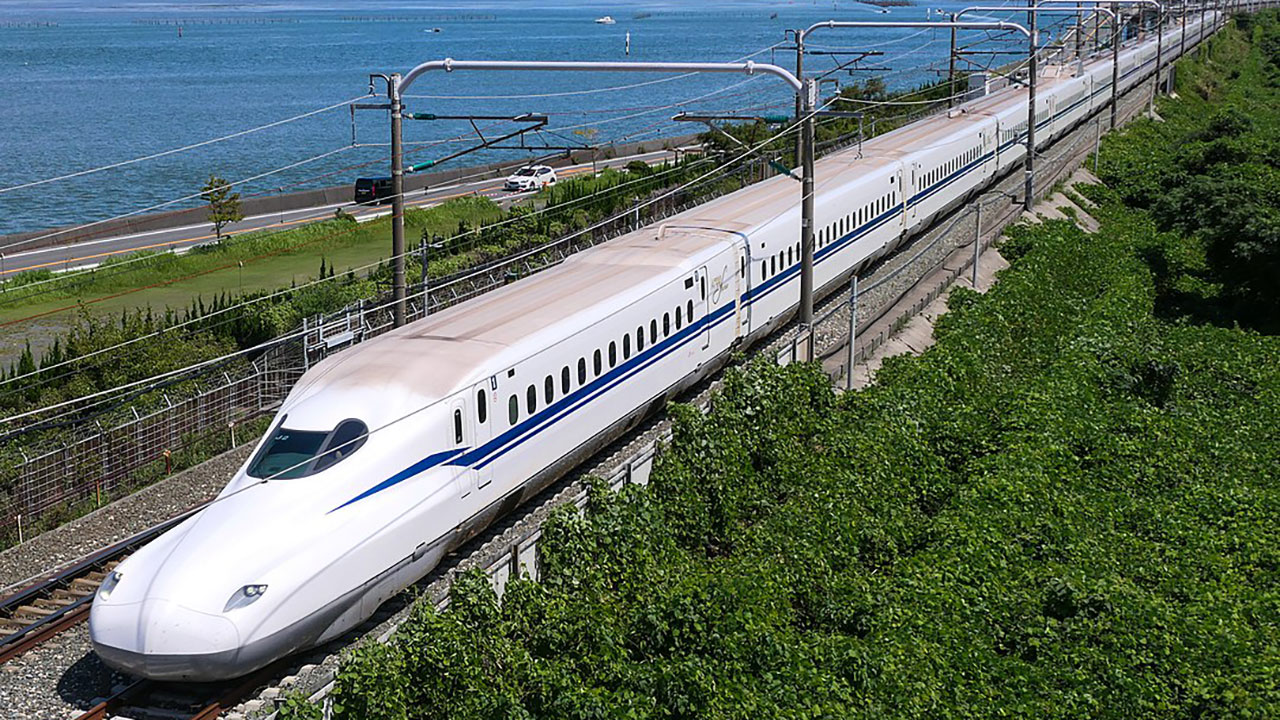
The propulsion systems of high-speed trains have evolved significantly over the years. The shift from traditional diesel engines to electric motors has been a game-changer, offering a cleaner and more efficient mode of travel. Electric propulsion allows for smoother acceleration and deceleration, contributing to the overall efficiency of high-speed rail systems.
Energy efficiency is a key focus in the design of modern bullet trains. Innovations such as regenerative braking, which captures and reuses energy during braking, help reduce overall energy consumption. Other energy-saving technologies, like lightweight materials and aerodynamic designs, further improve efficiency. Looking to the future, potential advancements in propulsion, such as hydrogen fuel cells, promise to make high-speed trains even more environmentally friendly.
The Future of High-Speed Rail
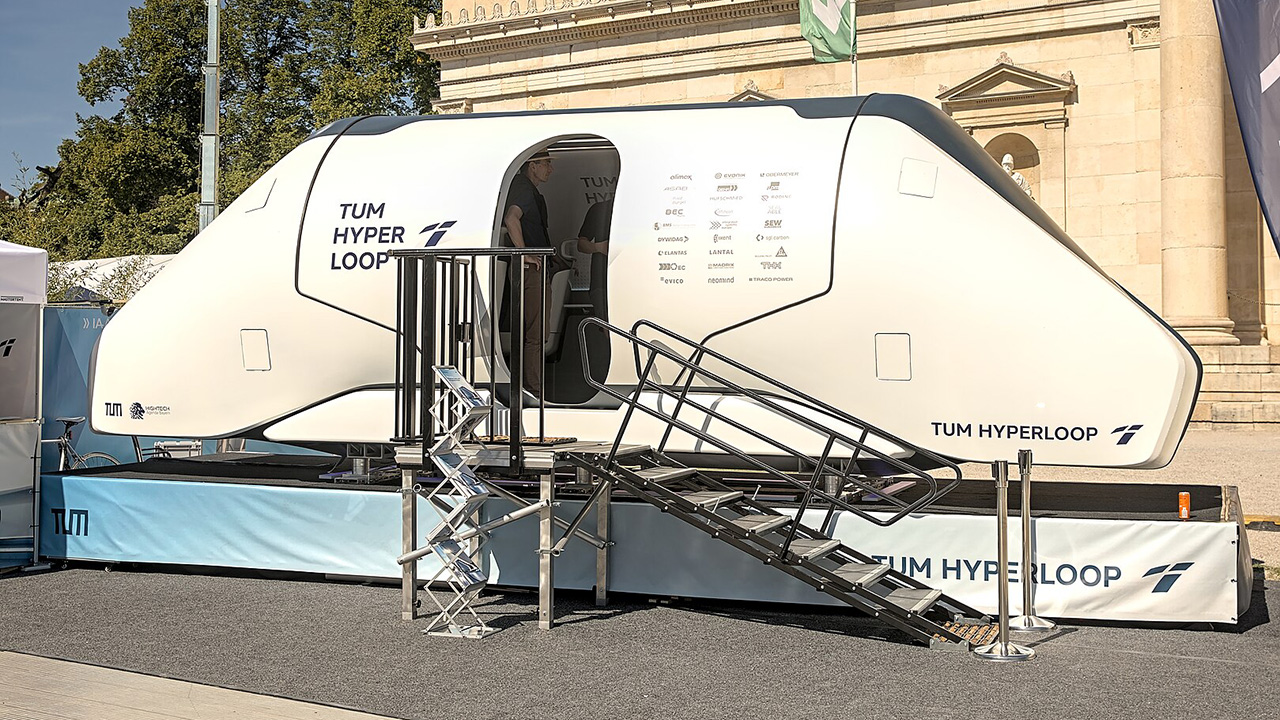
The future of high-speed rail is bright, with numerous technological innovations on the horizon. Emerging technologies, such as hyperloop concepts and AI-driven systems, are poised to revolutionize the industry. These advancements promise to increase speeds, improve safety, and enhance the passenger experience.
Global expansion of high-speed rail networks is another exciting prospect. Countries across different continents are investing in high-speed rail infrastructure to connect major urban centers and boost economic growth. However, the expansion of these networks presents challenges, including the high cost of construction and the need for international collaboration on standards and technology.
Despite these challenges, the opportunities for high-speed rail are immense. As technology continues to advance and environmental concerns drive the search for sustainable transportation solutions, bullet trains stand at the forefront of future mobility. The next generation of high-speed trains will continue to push the boundaries of what’s possible, offering faster, more efficient, and more sustainable travel options for people around the world.
Like Fast Lane Only’s content? Be sure to follow us.
Here’s more from us:
*Created with AI assistance and editor review.