As the demand for electric vehicles (EVs) continues to surge, many consumers are considering buying used EVs to take advantage of lower prices. However, potential buyers should be aware that owning a used EV can present unique challenges and expenses that are not always immediately apparent.
Depreciation Concerns
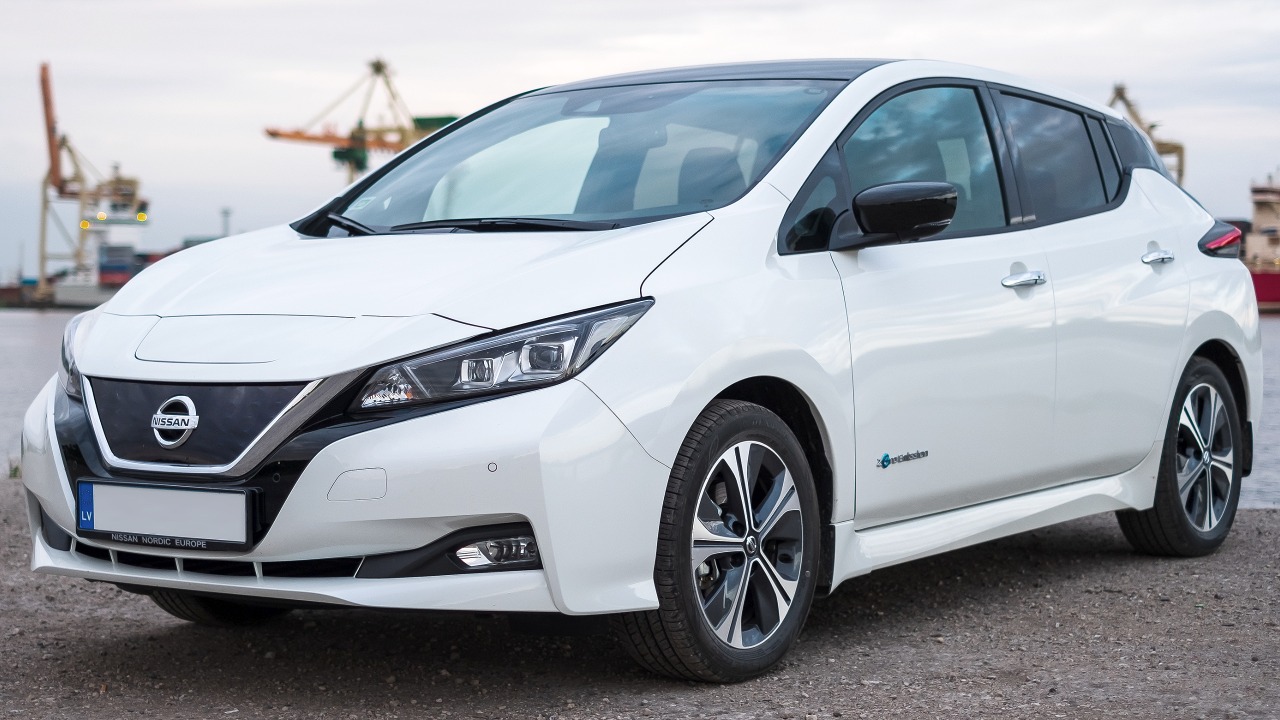
One of the first financial hurdles used EV owners face is rapid depreciation. Unlike traditional gasoline-powered vehicles, electric cars tend to lose their value much faster. This accelerated depreciation is largely due to the rapid pace of technological advancements in the EV sector. Every year, manufacturers like Tesla, Nissan, and Chevrolet introduce new models with improved range, faster charging capabilities, and enhanced features. As a result, older models quickly become outdated, which can significantly affect their resale value. A 2015 Nissan Leaf, for example, loses value much faster than a 2015 Toyota Corolla because newer Leafs offer better range and technology.
Market value loss is another significant concern. The introduction of newer models with better technology can significantly decrease the value of older EVs. This is compounded by government incentives that often apply only to new EV purchases, making used options less attractive financially. In some cases, the market value of a used EV can drop by as much as 50% within the first three years. The rapid loss in value can be a double-edged sword—great for buyers looking for a bargain, but concerning for those who may want to sell the vehicle in the future.
Battery Life and Replacement Costs
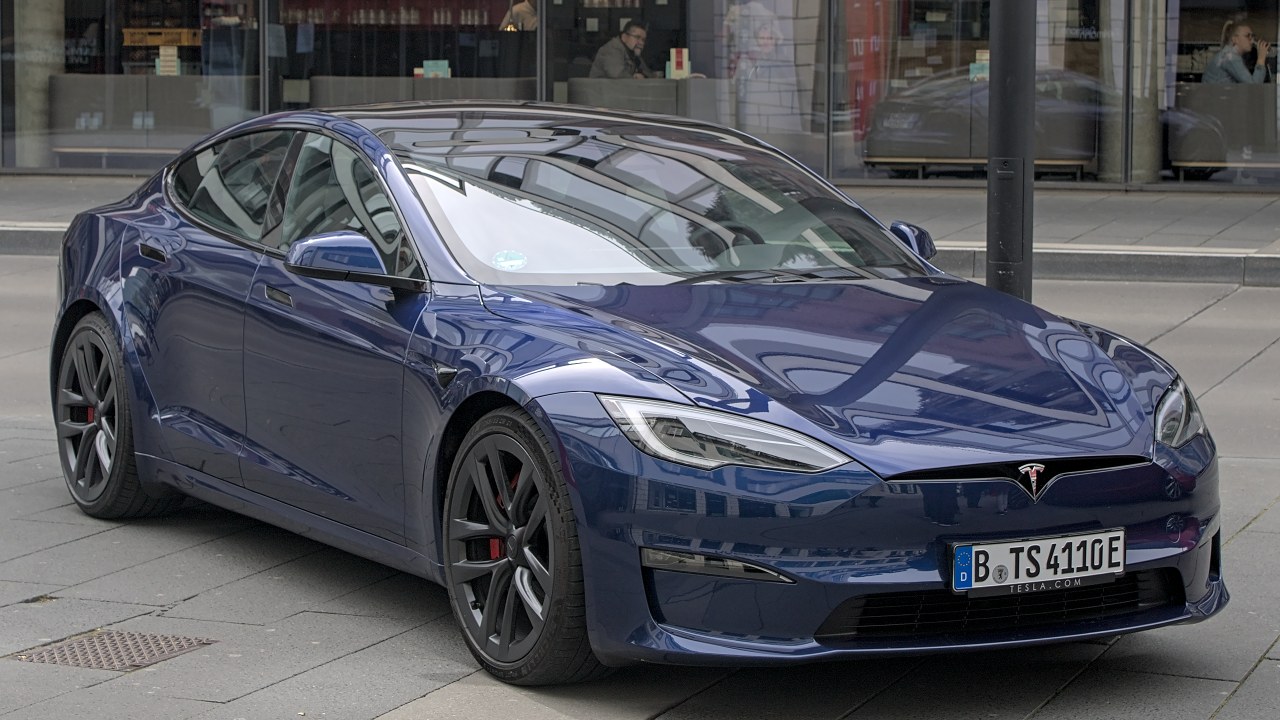
The battery is the most crucial component of any electric vehicle, and its health directly impacts the car’s performance and range. Over time, an EV’s battery undergoes degradation, which reduces its capacity to hold a charge. This degradation process can be exacerbated by factors such as high mileage, extreme temperatures, and frequent fast charging. A Tesla Model S from 2013 might have originally boasted a range of over 250 miles, but after several years of use, that range can significantly diminish, potentially requiring more frequent charges and limiting the vehicle’s usability.
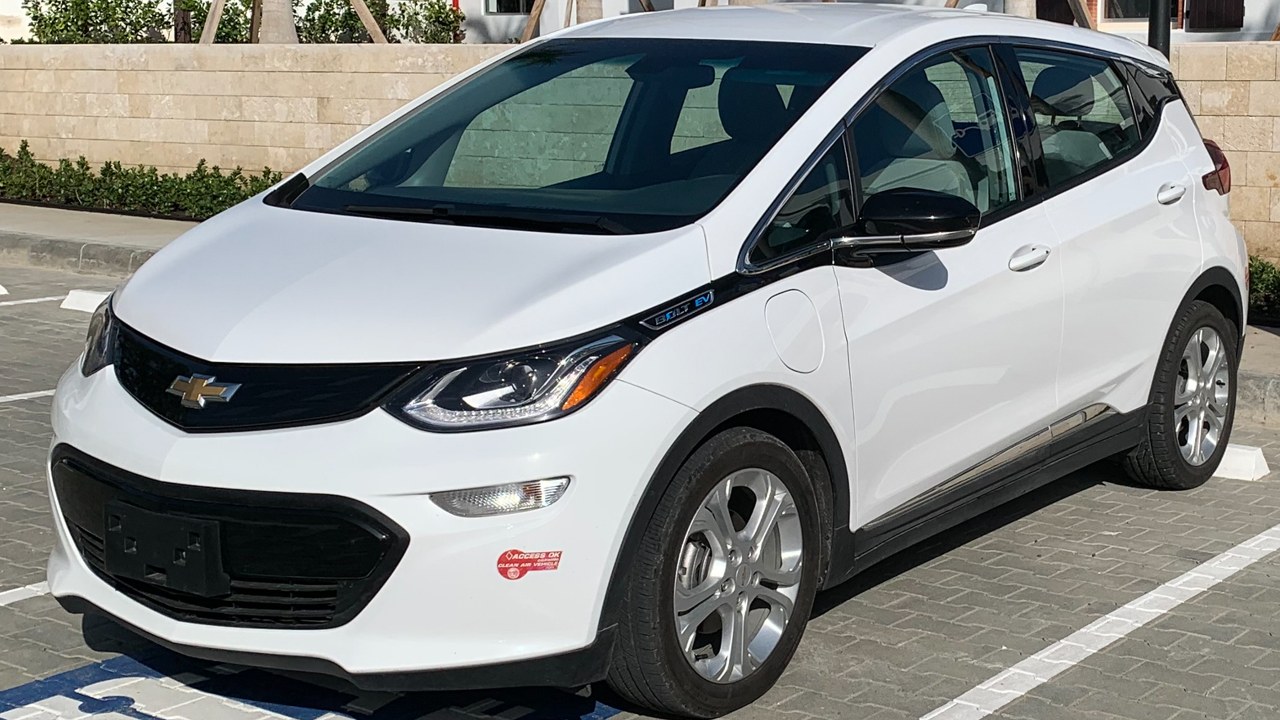
When it comes to replacing an EV battery, the costs can be staggering. Depending on the make and model, a new battery can cost anywhere from $5,000 to $15,000. For instance, replacing the battery in a Chevrolet Bolt can cost upwards of $16,000, which can sometimes rival the price of a new or used vehicle. High replacement costs make it essential for potential buyers to consider the age and health of the battery when purchasing a used EV. Additionally, while some manufacturers offer warranties on their batteries, these typically last for about eight years or 100,000 miles, potentially leaving used car buyers without coverage.
Maintenance and Repair Challenges
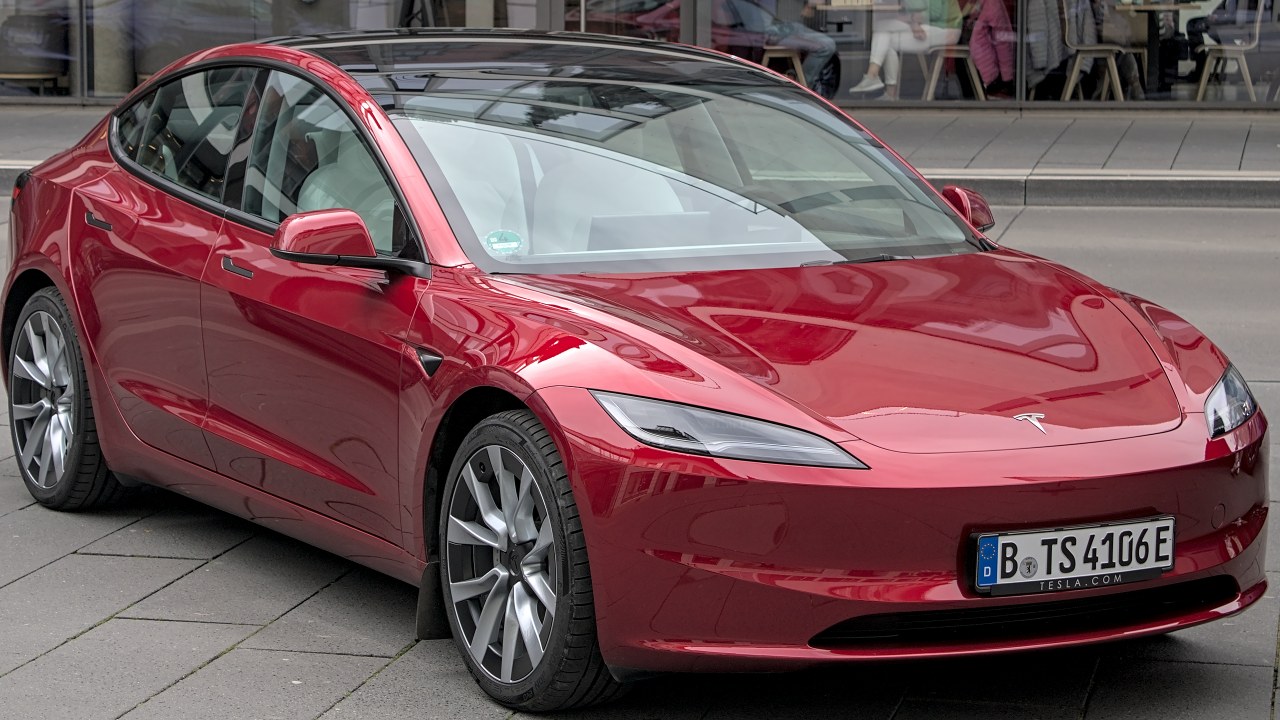
While EVs generally require less maintenance than their gasoline counterparts, they are not immune to mechanical issues. When problems do arise, finding a qualified mechanic can be a challenge. Many traditional auto repair shops lack the expertise and specialized equipment necessary to work on electric vehicles. This scarcity of trained professionals can lead to higher service costs, as owners might need to seek out specialized EV repair centers or dealerships. A simple software update for a Tesla Model 3, for example, might require a visit to a Tesla service center, which could be inconvenient and costly if one is not nearby.
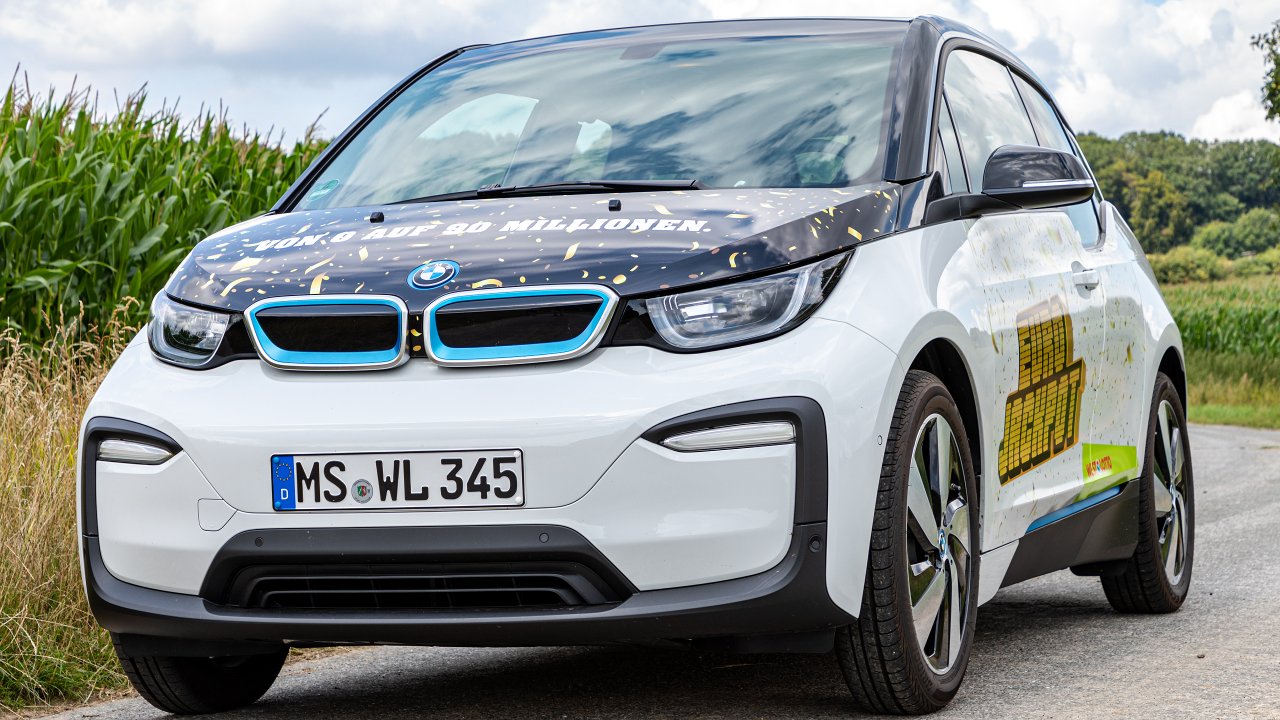
Specialized parts are another consideration that can drive up repair costs. Components specific to EVs, such as battery management systems or electric motor parts, are often more expensive than those for traditional vehicles. Their limited availability can also contribute to longer wait times for repairs. For instance, a replacement inverter for a BMW i3 can be both costly and difficult to source, making it a significant consideration for anyone looking to buy a used EV.
Warranty and Insurance Issues
When purchasing a used EV, warranty coverage can be a tricky landscape to navigate. Many used electric vehicles come with limited or no warranty, especially if they are older or have high mileage. This lack of coverage can leave owners responsible for all repair costs out-of-pocket, which can be a significant financial burden if major components fail. It’s crucial for buyers to thoroughly investigate the remaining warranty on a vehicle and consider purchasing an extended warranty if available.
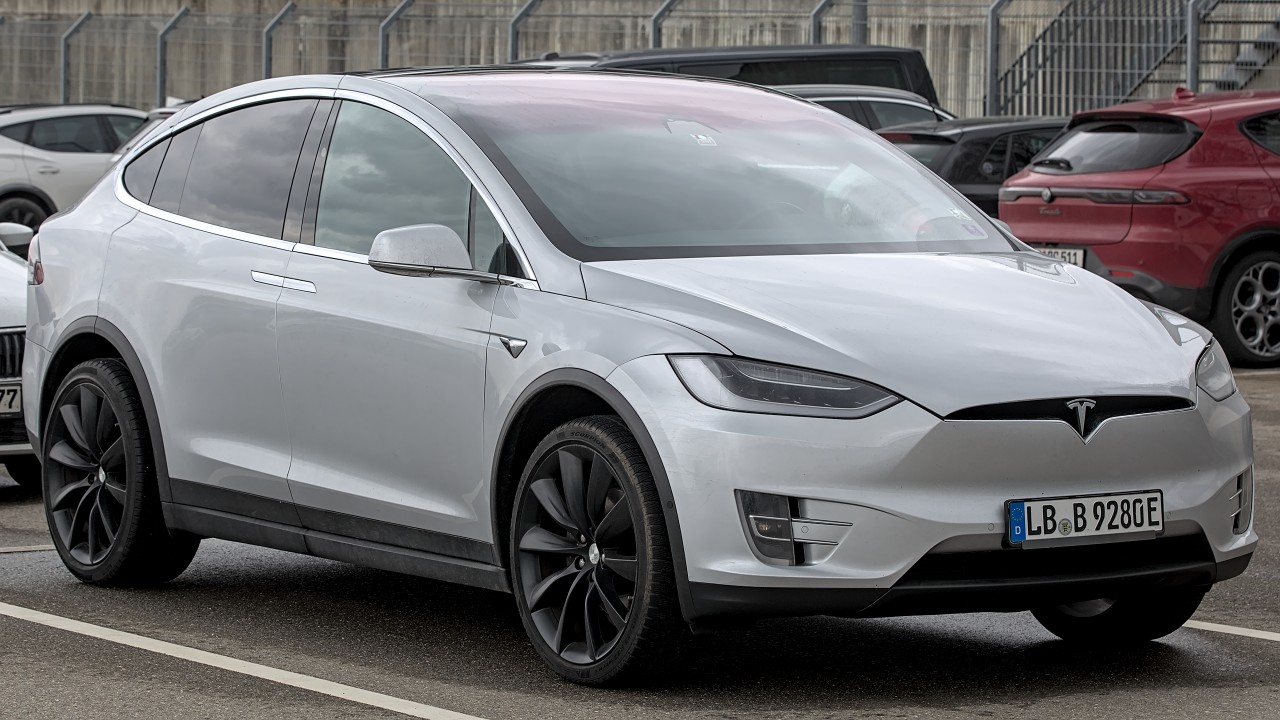
Insurance premiums for used EVs can also present an unexpected financial challenge. Insurers often charge higher premiums for electric vehicles due to their higher repair costs and specialized parts. For example, insuring a used Tesla Model X can be significantly more expensive than insuring a similarly valued gas-powered SUV. Factors influencing these premiums include the cost of repairs, the vehicle’s safety rating, and the likelihood of theft. Prospective buyers should obtain insurance quotes before purchasing to ensure they fully understand the potential costs.
Charging Infrastructure and Costs
Finally, the cost and availability of charging infrastructure are crucial considerations for anyone thinking about buying a used EV. Installing a home charging station is often the most convenient way to keep an electric vehicle charged, but it can be an expensive project. The installation process requires professional expertise and may involve upgrading a home’s electrical system to handle the increased load. A typical home charging station installation can cost anywhere from $500 to $2,000, depending on the complexity of the installation and the type of charger used.
For those who rely on public charging stations, costs can quickly add up. While some areas offer free or low-cost charging, others have high fees, especially during peak times. Apps like PlugShare or ChargePoint can help locate nearby stations, but the costs can vary widely. In cities with limited free charging options or high demand fees, regular use of public charging stations can become a significant expense. Additionally, the availability of charging stations can be a concern in less urban areas, potentially limiting the practicality of an EV for some drivers.
Like Fast Lane Only’s content? Be sure to follow us.
Here’s more from us:
*Created with AI assistance and editor review.