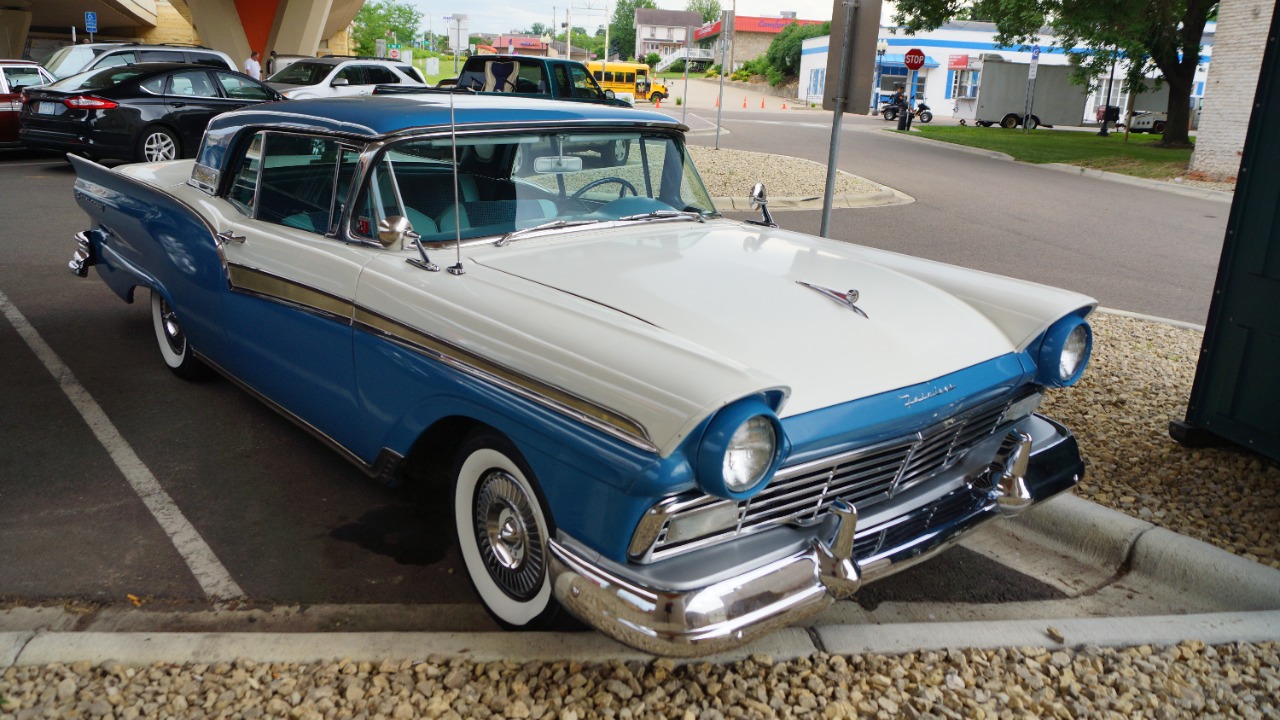
The Ford Fairlane, an automobile that debuted in the late 1950s, gained a reputation not just for its design and performance but also for an unusual controversy that surrounded it. As I delve into the unexpected reasons that led to its contentious legacy, it becomes clear that a combination of cultural, social, and marketing factors played a significant role in shaping public perception.
THE FORD FAIRLANE: A BRIEF OVERVIEW
Introduced in 1955, the Fairlane was designed to appeal to a growing middle class eager for affordable yet stylish automobiles. Named after Henry Ford’s estate in Fair Lane, Michigan, the Fairlane was marketed as a car that combined performance with comfort, aiming to provide a luxurious experience without the premium price tag. With its sleek lines and spacious interiors, the Fairlane was an immediate hit among families and young professionals alike, setting the stage for what would become a long-standing model in Ford’s lineup.
Over the years, the Fairlane underwent various transformations, culminating in the introduction of the Fairlane 500 in 1957. This particular model was notable for its enhanced features, which included a more powerful engine and additional luxury options. As consumer preferences evolved, so did the Fairlane, adapting to the changing demands of the market. This evolution reflected broader trends in the automotive industry, as companies began to prioritize safety and technology alongside aesthetics.
THE CONTROVERSY: UNPACKING THE ROOT CAUSES
Despite its initial success, the Fairlane became embroiled in controversy, primarily due to a series of marketing missteps. Early promotional strategies included grand claims about the vehicle’s performance that did not align with consumer experiences. For instance, advertisements touted the Fairlane as a “family car” that could perform like a sports car, which led many to feel misled when they found the car’s handling capabilities lacking in comparison to competitors. This disconnect between consumer expectations and reality sparked a backlash, ultimately tarnishing the Fairlane’s reputation.
The cultural context of the 1960s also played a role in the Fairlane’s controversial status. As American society grappled with significant social upheaval, the Fairlane became associated with the changing dynamics of status and identity. The car was often viewed as a symbol of affluence, which was increasingly scrutinized during a time when many Americans were advocating for social justice and equality. The Fairlane’s image morphed from one of aspiration to one of elitism for some, complicating its legacy in the eyes of a shifting demographic.
THE FAIRLANE IN POP CULTURE
The Fairlane’s cultural footprint was undeniably amplified by its appearances in various films and television shows. For example, the car featured prominently in classic films like “The Graduate” (1967) and was depicted in popular series such as “Happy Days,” where it was embraced as a symbol of 1950s nostalgia. These representations often highlighted the Fairlane’s stylish design, further entrenching it in the collective memory of American pop culture.
Moreover, the Fairlane was also referenced in several popular songs throughout the decades, reinforcing its cultural significance. Songs like “Little Deuce Coupe” by The Beach Boys and “Fast Car” by Tracy Chapman included nods to the Fairlane, contributing to its image as a quintessential American automobile. The connection between music and the Fairlane helped solidify its status among car enthusiasts and collectors, making it an enduring icon in automotive history.
LEGACY AND COLLECTIBILITY
Today, there is a resurgence of interest in classic cars, with the Fairlane being no exception. Recent trends in classic car collecting have revived the Fairlane’s status among collectors and enthusiasts, driven by nostalgia and a desire for vintage style. In auctions and car shows, the Fairlane often garners significant attention, with models from the late 1950s and early 1960s fetching impressive prices. This renewed interest is a testament to the car’s lasting appeal and its unique place in automotive history.
The controversy surrounding the Fairlane has also been cleverly leveraged in modern marketing efforts. Brands often highlight historical controversies to create a narrative that engages consumers, and the Fairlane’s story provides ample material for such strategies. By framing the car’s complex legacy within the context of both its marketing missteps and its pop culture relevance, marketers can evoke a sense of nostalgia while also addressing the lessons learned from the Fairlane’s journey. This approach has proven effective in enhancing the valuation and desirability of classic cars in today’s market.
LESSONS LEARNED FROM THE FAIRLANE’S CONTROVERSY
The Fairlane’s tumultuous history offers valuable insights for contemporary automakers. One of the key takeaways is the importance of aligning product offerings with cultural sentiments and values. As consumer preferences continue to evolve, manufacturers must ensure that their marketing strategies reflect the realities and expectations of their target audience. This alignment can help prevent the kind of backlash that the Fairlane experienced in its early years.
Navigating public relations in the face of controversy is another critical lesson drawn from the Fairlane’s legacy. Effective strategies for managing public perception can make a significant difference in how a brand is perceived over time. Other automotive brands that have faced similar challenges, such as Volkswagen during the emissions scandal, have illustrated the importance of transparency and accountability in rebuilding trust with consumers. By learning from the Fairlane’s controversies, automakers can better prepare for and mitigate potential crises in the future
More from Fast Lane Only
- Unboxing the WWII Jeep in a Crate
- 15 rare Chevys collectors are quietly buying
- 10 underrated V8s still worth hunting down
- Police notice this before you even roll window down
*Research for this article included AI assistance, with all final content reviewed by human editors.