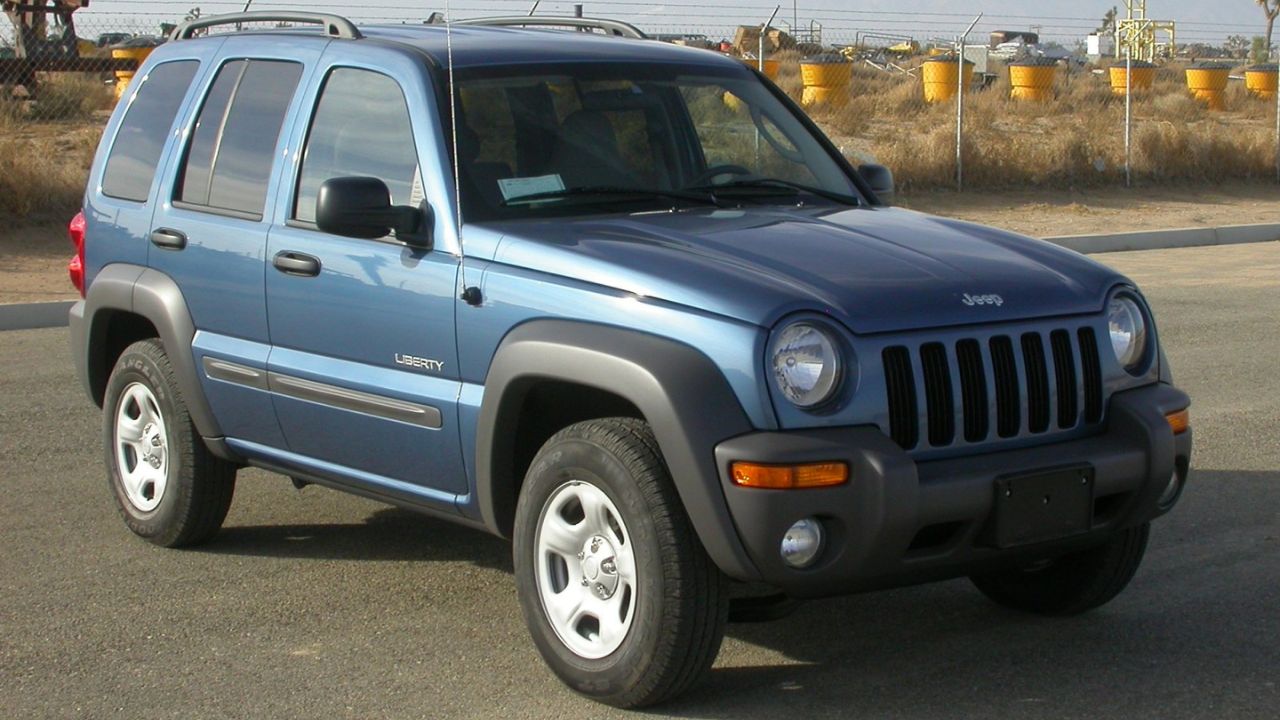
Used car shoppers are still contending with a market that has not fully come back to earth after the pandemic shock. Prices have retreated from their peak but remain distorted enough that many buyers feel as if every visit to a lot brings a new surprise. The result is a prolonged pricing rollercoaster that continues to shape what people can afford, when they buy, and even whether a used vehicle still feels like the value play it once was.
Behind the sticker numbers sit structural shifts in supply, financing, and consumer expectations that will not unwind quickly. Understanding these forces is essential for buyers trying to time purchases or budget in a market where used cars can approach or exceed new vehicle costs.
The pandemic shock that never fully faded
The turmoil in used car prices began when COVID disrupted new vehicle production and sent shoppers scrambling for alternatives. As one analysis of what is driving prices notes, COVID changed the used market by colliding supply chain constraints with rising demand, and the effects are still being felt. Dealers that could not get enough new inventory leaned heavily on trade‑ins and auctions, which pushed wholesale costs higher and pulled retail prices up in tandem. Even after factories resumed normal output, production gaps left a shortage of late-model used vehicles.
That supply shock coincided with a run‑up in prices that was historically extreme. One assessment of wholesale trends found that used car and truck prices had to surrender 60 percent of a two‑year spike before they even began to resemble pre‑pandemic norms. There was a time, as that same analysis points out, when flipping Teslas was a viable side business because there was so much demand and Tesla output could not keep pace, with Teslas and TSLA caught in the frenzy. Even now, with some of that excess unwound, buyers are walking into showrooms shaped by years of unusual pricing, not a simple return to the old baseline.
Why prices still feel out of sync with reality
For many households, the frustration is not just that used vehicles are expensive, but that the relationship between used and new has become distorted. In 2025, shoppers questioned paying $15,000 for a 100,000-mile car when a new Corolla Hybrid costs around $24,000, with some used prices even exceeding MSRP. Others in New Jersey complain that lots of listings up to $25,000 still carry moderate mileage, arguing that such down payments could go toward a new vehicle instead, with one commenter warning Don not to buy a Civic at those valuations. These anecdotes echo broader reporting that used prices have, at times, outpaced the sticker prices of new models and that tight supplies in the new market kept those elevated levels from falling quickly.
Rising borrowing costs have magnified the pain. One breakdown of the current environment notes that sticker shock for new car buyers is driven by high interest rates and high borrowing costs, a double hit that also affects used financing. Another analysis of consumer credit points out that borrowing costs stand at comparatively ridiculous heights and that, before the pandemic, most buyers, whether new or used, financed their vehicle acquisitions with far cheaper money. A short video summary of Experian data shared in Dec underscores how, according to Experian, the average payment on auto loans has climbed to levels that make even modestly priced used vehicles feel out of reach, especially for buyers with weaker credit profiles who face higher rates.
Timing, tariffs, and the strange new math of “value”
In a market this volatile, timing has become a more powerful lever for consumers trying to reclaim some control. Using these budget guidelines helps buyers reject inflated offers, even if dealers claim current conditions justify them. One guide warns that July 4th ranks among the worst times to buy, with 22.8% fewer deals, a reminder that long‑standing assumptions about holiday sales no longer always apply. Those seasonal patterns sit on top of broader cycles, such as a report that with the 25th consecutive week of declines in used prices, some analysts expect a potential sweet spot where values soften without collapsing inventories.
The calculus is further complicated by policy and trade dynamics. A breakdown of Used VS New Car Prices explains how tariffs impact your buying decision by raising the cost of imported new vehicles and parts, which can push some buyers toward the used market and keep secondhand prices firmer than they might otherwise be. Cox Automotive has observed that used vehicle supply recently hit its lowest level since 2021 for this time of year, a squeeze that helps explain why some lots still price aging SUVs and pickups aggressively. In response, dealers have become more creative about sourcing cars, with one industry overview noting that since the pandemic in 2020, many dealer groups have tried to acquire inventory directly from service customers, a practice that supports supply but can also keep transaction prices trending higher than they used to.
How buyers can stay grounded on a moving ride
Amid this turbulence, disciplined budgeting has become as important as savvy negotiation. Financial coaches often point shoppers to the 20‑3‑8 framework, which one affordability guide explains in detail. The advice is that a buyer should put at least 20 percent down, finance for no more than 3 years, and keep total monthly car costs within 8 percent of gross income. A related breakdown walks through Step 1 and urges shoppers to find 8% of gross monthly income as the ceiling for all car expenses, using an example where a $90,000 salary translates to $600 or less each month. Anchoring a search to those numbers can help buyers walk away from inflated offers, even when a dealer insists that current conditions justify them.
More from Fast Lane Only