The V8 engine has long been celebrated for its distinctive roar and unparalleled driving experience, a combination that modern turbocharged engines often struggle to replicate. As this article explores the essence of the V8, it examines its unique characteristics, cultural significance, and the reasons enthusiasts continue to cherish this powerhouse configuration.
The Anatomy of a V8 Engine
The V8 engine configuration consists of eight cylinders arranged in a V shape, typically with four cylinders on each side. This design allows for a compact engine size while still delivering significant power and torque. The firing order and timing of the V8 create a balance that contributes to its smooth operation and high-performance capabilities. Compared to other engine types, such as inline-four (I4), inline-six (I6), or V6 engines, the V8 offers a more robust power delivery. The I4 engines are often lighter and more fuel-efficient but lack the raw power and torque characteristics that V8 enthusiasts crave. Similarly, while I6 and V6 engines can provide decent performance, they often fall short of the visceral experience that comes with a V8.
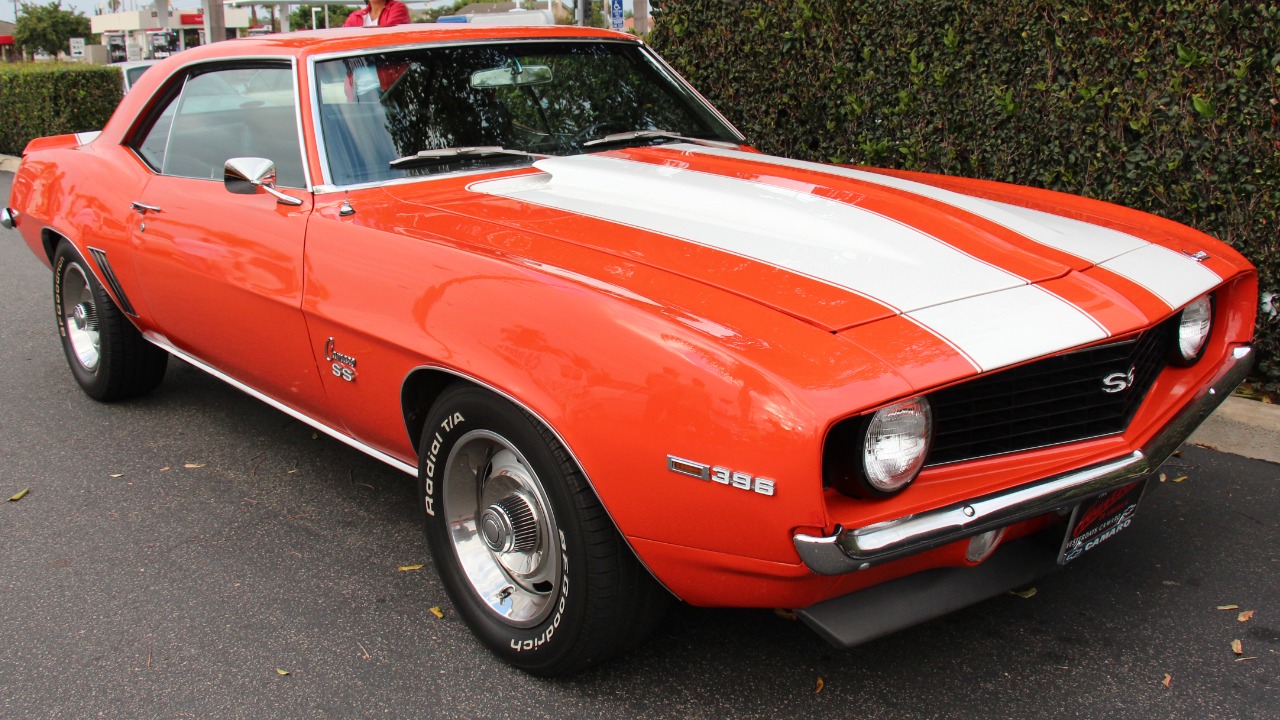
Displacement plays a critical role in the performance of a V8 engine, affecting both torque and horsepower. Larger displacement engines can produce more power, but they also consume more fuel. For instance, a classic 1969 Chevrolet Camaro (396 cubic inch V8 muscle car) delivers a strong performance experience, producing around 325 horsepower and 410 lb-ft of torque. This power translates into impressive acceleration and a driving experience that modern engines often struggle to match.
The Sound: An Iconic Roar
One of the most defining characteristics of a V8 engine is its unique sound. The deep, throaty roar is highly recognizable among car enthusiasts, evoking a sense of power and excitement. The sound signature is primarily due to the engine’s firing order and exhaust system design. The arrangement of cylinders and exhaust flow contributes to that distinctive growl. Aftermarket exhaust systems further shape the acoustics, allowing drivers to personalize the sound experience.
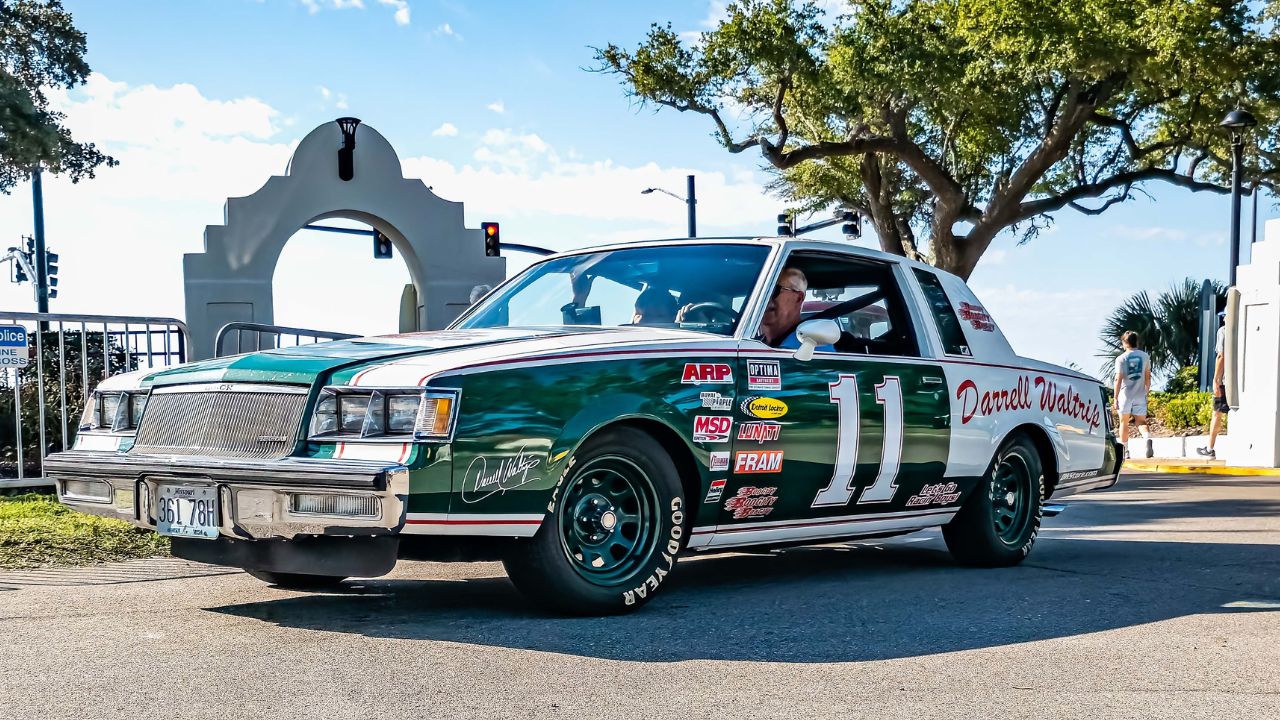
The cultural impact of the V8 sound is strongly present in motorsports and popular media. From NASCAR events to films like “Ford v Ferrari,” the V8’s presence is deeply embedded in automotive culture. It signifies performance, power, and passion, creating an emotional response that many modern engines do not replicate.
Performance Characteristics
The performance characteristics of a naturally aspirated V8 engine are distinct. One of the most notable features is its immediate throttle response. When the accelerator is pressed, power delivery is direct and consistent, creating a highly responsive driving experience. The powerband of a V8 remains broad, allowing smooth acceleration throughout the rev range.
Compared to turbocharged engines, which may experience lag, V8 engines provide a more linear and predictable delivery of power. On the track, vehicles such as the Ford Mustang GT, Chevrolet Corvette, and the 1969 Chevrolet Camaro (396 V8 muscle car) demonstrate how naturally aspirated V8 platforms maintain strong performance under sustained high RPM conditions.
The Emotional Connection
The nostalgia associated with V8 engines runs deep among car enthusiasts. For many, the V8 represents the golden era of American muscle cars, a time when performance and design were closely tied to identity and culture. The 1969 Chevrolet Camaro (396 V8 muscle car) is often referenced in this context as a defining example of that era.
Stories shared at car shows and gatherings often include experiences of driving classic V8-powered machines, highlighting the bond between driver and vehicle. These vehicles symbolize freedom, rebellion, and the spirit of the open road.
The iconic models from this lineage, including the Ford Mustang, Chevrolet Camaro, and Dodge Challenger, continue to shape automotive enthusiasm today.
The Evolution of the V8 Engine
The historical context of the V8 engine dates back to the early 20th century, when it was introduced as a more powerful alternative to inline engines. The first mass-produced V8 appeared in the 1915 Cadillac 315 cubic inch engine, marking a major turning point in automotive engineering.
Over time, innovations such as fuel injection, variable valve timing, and lightweight materials improved efficiency and performance. Vehicles like the 1969 Chevrolet Camaro (396 V8 muscle car) represent a peak era of naturally aspirated V8 development before modern efficiency-focused engineering trends emerged.
Today, the V8 faces challenges due to electrification and emissions regulations, yet it remains in production through select manufacturers that continue to refine its performance characteristics.
V8 vs. Modern Alternatives
When comparing performance metrics between V8 engines and modern turbocharged alternatives, differences in delivery and driving feel are clear. While turbocharged engines often achieve higher efficiency and comparable horsepower, they may not replicate the direct mechanical engagement of a V8.
Fuel efficiency improvements in modern engines have come at the cost of simplified driving sensation. Technologies such as cylinder deactivation and direct injection have helped modern V8s remain relevant while maintaining performance balance.
The shift toward hybrids and electric vehicles continues to reshape the automotive landscape, but the appeal of naturally aspirated V8 engines remains strong among enthusiasts.
The V8 in Motorsports
The V8 engine has played a central role in motorsports, particularly in NASCAR and drag racing. In NASCAR, it remains the standard configuration due to its reliability and high-output performance characteristics.
Vehicles such as the Ford Mustang, Chevrolet Impala, and performance-focused machines like the 1969 Chevrolet Camaro (396 V8 muscle car) highlight the competitive strength of V8 platforms in racing environments.
In drag racing, supercharged V8 configurations dominate quarter-mile performance, often achieving sub-10-second runs depending on setup and modifications.
The V8 Community and Culture
The V8 community remains active and globally connected through car clubs, meets, and online platforms. Enthusiasts gather to showcase vehicles, share modifications, and preserve automotive history.
The aftermarket ecosystem for V8 engines is extensive, offering performance upgrades, restoration parts, and customization options. This culture supports both preservation and innovation, ensuring continued relevance of V8-powered vehicles such as the 1969 Chevrolet Camaro (396 V8 muscle car).
More from Fast Lane Only