The allure of classic muscle cars continues to captivate enthusiasts and casual fans, often compared favorably with modern performance vehicles in key areas. While contemporary cars emphasize advanced technology and efficiency, one classic muscle car stands out for delivering a visceral driving experience that many modern counterparts still struggle to replicate.
The Iconic Classic Muscle Car: A Brief Overview
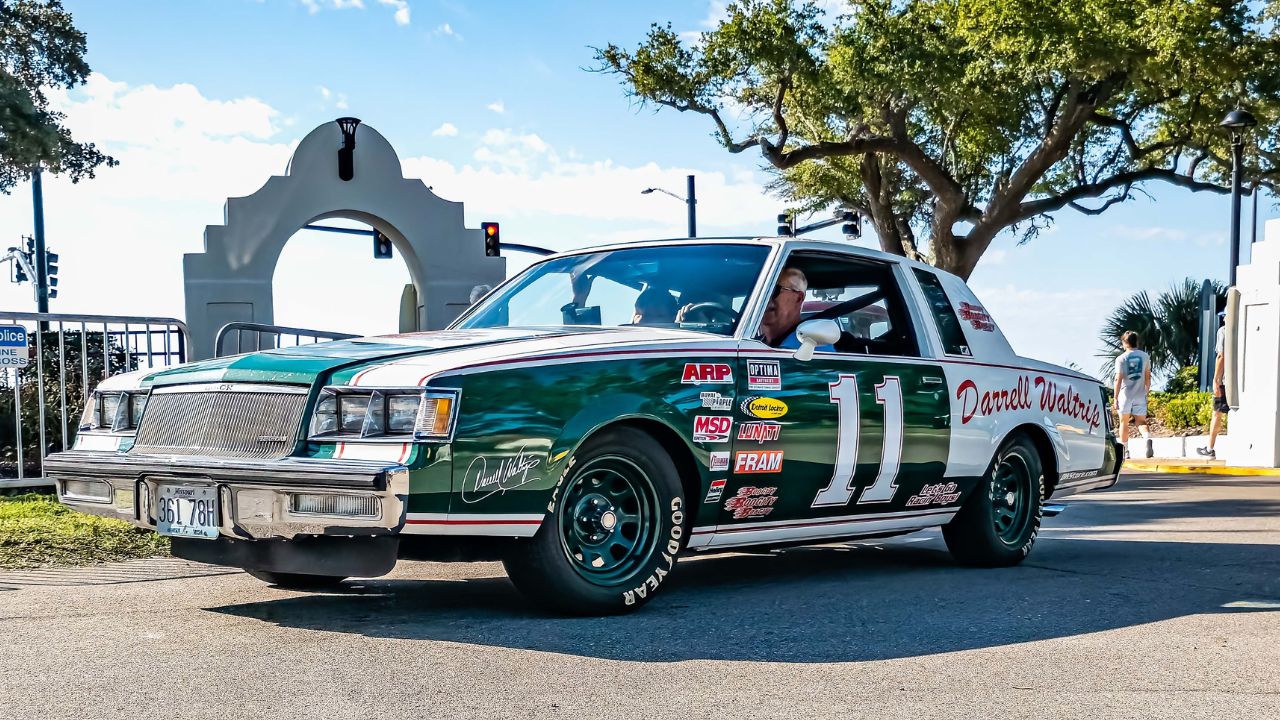
Classic muscle cars are characterized by powerful V8 engines, aggressive styling, and straight-line speed focus. Iconic examples include the Pontiac GTO and the Ford Mustang, both of which helped shape American automotive culture and performance identity.
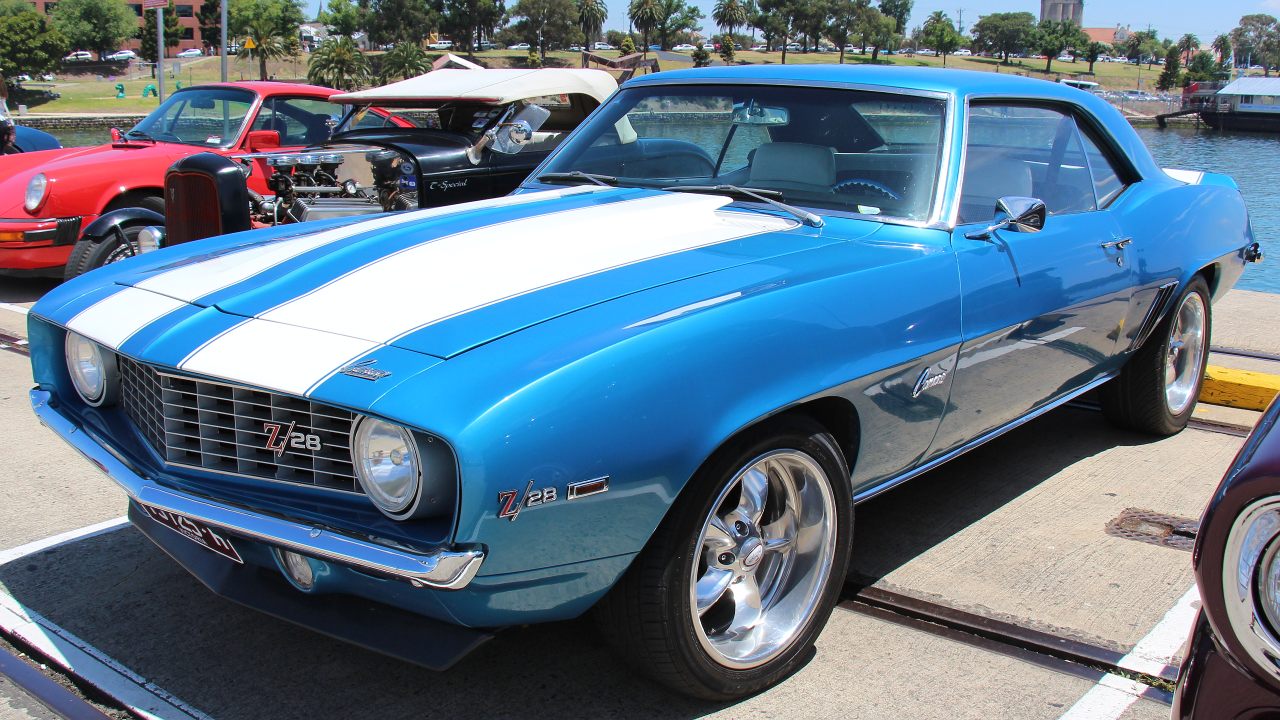
The GTO, often considered the first true muscle car, ignited a movement that defined American automotive performance. Among the most notable examples from the era is the 1969 Chevrolet Camaro Z/28, a performance-focused model equipped with a high-revving 302 cubic inch V8 engine that delivered approximately 290 horsepower.
Raw Power and Performance
When it comes to raw power, classic muscle cars remain highly influential. The 1969 Chevrolet Camaro Z/28 exemplifies this with its lightweight construction and high-revving V8 engine, designed for both street performance and racing homologation.
Compared to many modern performance cars with turbocharged engines, classic muscle cars deliver a more direct and mechanical power experience. The acceleration surge and engine responsiveness create a driving sensation that emphasizes raw engagement over electronic refinement.
The emotional connection to the engine sound is also a defining factor. The deep V8 roar provides a sensory experience that differs significantly from modern hybrid and electric systems. Driving these vehicles is defined by mechanical feedback rather than digital assistance.
Driving Experience: Feel vs. Technology
One of the most defining characteristics of classic muscle cars is their tactile driving engagement. The 1969 Chevrolet Camaro Z/28, for example, offers heavier steering, mechanical responsiveness, and minimal driver assistance systems.
This creates a direct connection between driver and machine. Modern performance cars, while equipped with adaptive suspension, traction control, and automatic systems, often reduce this raw feedback experience.
Drivers frequently note that classic muscle cars provide a more immersive and analog driving sensation, where road feedback and engine behavior are fully felt rather than filtered.
Design and Aesthetics
Classic muscle cars are known for bold and aggressive styling. The long hood, wide stance, and muscular proportions of cars like the 1969 Chevrolet Camaro Z/28 define the visual identity of the muscle car era.
This design philosophy emphasized presence and emotion rather than aerodynamic efficiency. The Camaro Z/28, in particular, combined functional racing design cues with street-oriented styling, reinforcing its dual-purpose identity.
Modern performance cars tend to favor aerodynamic efficiency and minimalism, often resulting in more restrained visual character compared to classic muscle designs.
Community and Culture
The community surrounding classic muscle cars remains highly active, with enthusiasts gathering at car shows, restoration events, and racing exhibitions. The 1969 Chevrolet Camaro Z/28 is frequently featured in these events due to its historical importance and performance reputation.
Events such as the Woodward Dream Cruise highlight the cultural importance of muscle cars, bringing together collectors and fans who share a passion for automotive heritage.
Online communities further expand this culture, allowing enthusiasts to share restoration progress, technical knowledge, and ownership experiences.
Legacy and Influence on Modern Performance Cars
Classic muscle cars have significantly influenced modern automotive design. The engineering principles behind vehicles like the 1969 Chevrolet Camaro Z/28 continue to inspire modern performance models.
The Chevrolet Camaro lineage itself is a direct continuation of this legacy, evolving into modern versions while maintaining its performance identity. Similarly, the Ford Mustang continues to reflect its original muscle car roots.
These vehicles demonstrate how classic design and engineering philosophies still shape today’s performance automotive market.
Challenges Faced by Modern Performance Cars
Despite technological advancements, modern performance cars often struggle to replicate the raw driving experience of classic muscle cars. Systems designed for efficiency, safety, and emissions compliance can reduce mechanical engagement.
The shift toward electric and hybrid platforms further changes the driving experience, replacing engine feedback with digital power delivery systems.
Regulatory requirements also limit design flexibility, influencing how modern performance cars are engineered compared to unrestricted classic muscle vehicles like the 1969 Chevrolet Camaro Z/28.
The Enduring Appeal of the Classic Muscle Car
Classic muscle cars remain highly desirable due to their emotional impact, historical significance, and raw performance characteristics. The 1969 Chevrolet Camaro Z/28 stands as a strong example of this appeal, combining motorsport influence with road-going usability.
Nostalgia continues to play a major role in collector demand, ensuring that these vehicles remain culturally and financially relevant. Their legacy continues to shape both enthusiast culture and automotive design philosophy today.
More from Fast Lane Only