In the world of automotive performance, some models become legends while others fade into obscurity. One rare performance car emerged from a forgotten early-1980s production run, representing a moment when engineering innovation, limited production, and shifting market conditions created something truly collectible.
Design and Engineering Features
This performance car stood out due to its aggressive styling and aerodynamic design. It featured:
- Functional air intakes
- Lightweight composite materials
- A distinctive rear spoiler
- A low, performance-oriented stance
Under the hood, it delivered over 300 horsepower from a turbocharged engine. Aluminum and carbon fiber components reduced weight while improving handling and acceleration, making it a technologically advanced vehicle for its time.
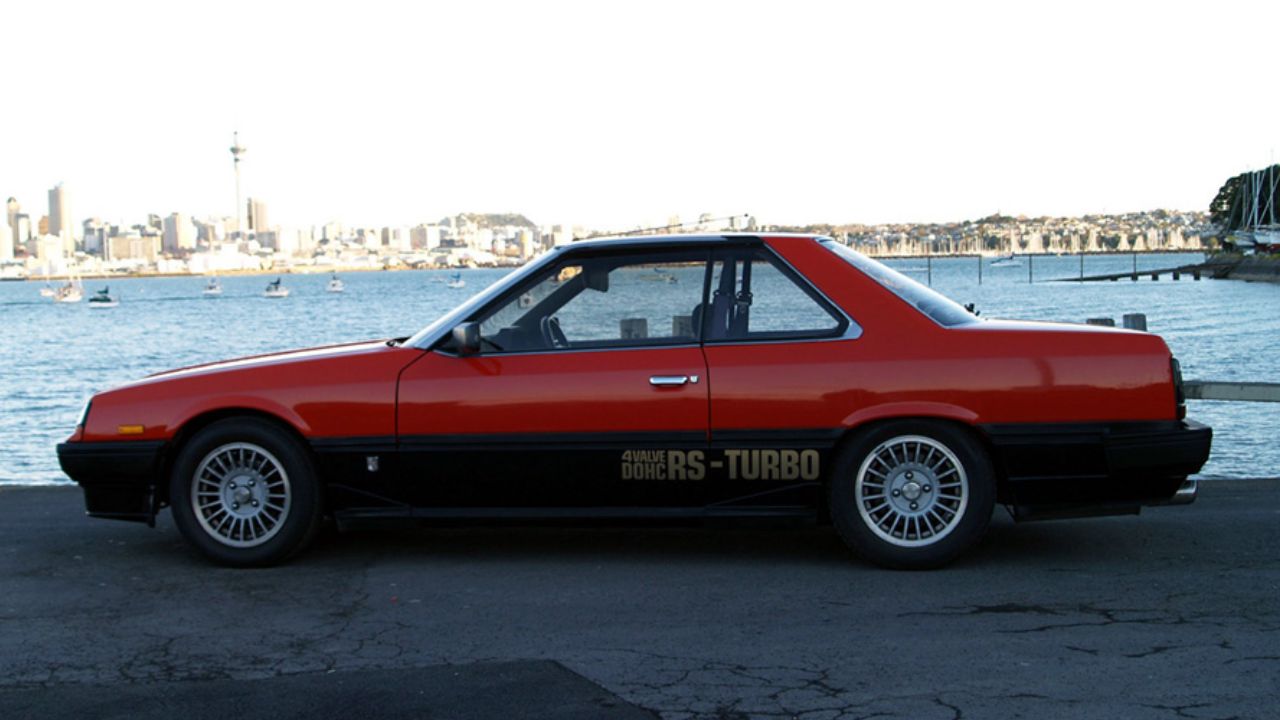
The engineering direction aligns with global performance trends of the era, including turbocharged development seen in vehicles like the Nissan Skyline Turbo DR30, which also emphasized aerodynamics and motorsport-inspired design.
Performance Specs and Capabilities
The car delivered strong performance figures for its era:
- 0–60 mph in under five seconds
- Top speed of approximately 160 mph
These numbers placed it alongside well-known competitors such as the Porsche 911 Turbo and Chevrolet Corvette.
In motorsport applications, the vehicle demonstrated strong track capability thanks to its lightweight structure and turbocharged power delivery. It gained recognition in racing circles despite its limited commercial exposure.
The Rarity Factor
With only 250 units produced, this model is extremely rare today. Many examples were lost due to age, neglect, and limited initial awareness.
Collectors frequently describe the challenge of locating surviving examples, with many appearing only through auctions or private collections. Its scarcity significantly increases its desirability in the collector market.
Market Reception and Legacy
Initial reception was muted due to limited marketing, meaning the car never reached widespread consumer awareness at launch. Over time, however, its reputation shifted as enthusiasts rediscovered its engineering significance.
Today, it is recognized as a symbol of early turbo-era performance experimentation. Its influence can be seen in later performance models that adopted similar lightweight and forced-induction engineering principles.
Collector Interest and Current Valuation
The value of surviving units has increased significantly, with well-preserved examples exceeding $100,000 at auction.
Collectors value:
- Low production numbers
- Motorsport-inspired engineering
- Historical significance
- Original condition preservation
Auction activity continues to show rising demand as awareness of the model grows.
Personal Stories and Enthusiast Culture
Owners often describe the car as both a mechanical achievement and a personal passion project. Restoration efforts can take years due to difficulty sourcing original parts.
Enthusiast communities play a key role in preservation, sharing knowledge, sourcing rare components, and maintaining documentation of surviving vehicles.
The Future of the Forgotten Model
As interest in rare performance cars continues to grow, this model is expected to gain further recognition. The shift toward modern turbocharged and hybrid performance systems has also renewed interest in early turbo-era engineering.
Vehicles like the Nissan Skyline Turbo DR30 illustrate how performance innovation evolved globally, reinforcing the significance of this forgotten production run within automotive history.
More from Fast Lane Only