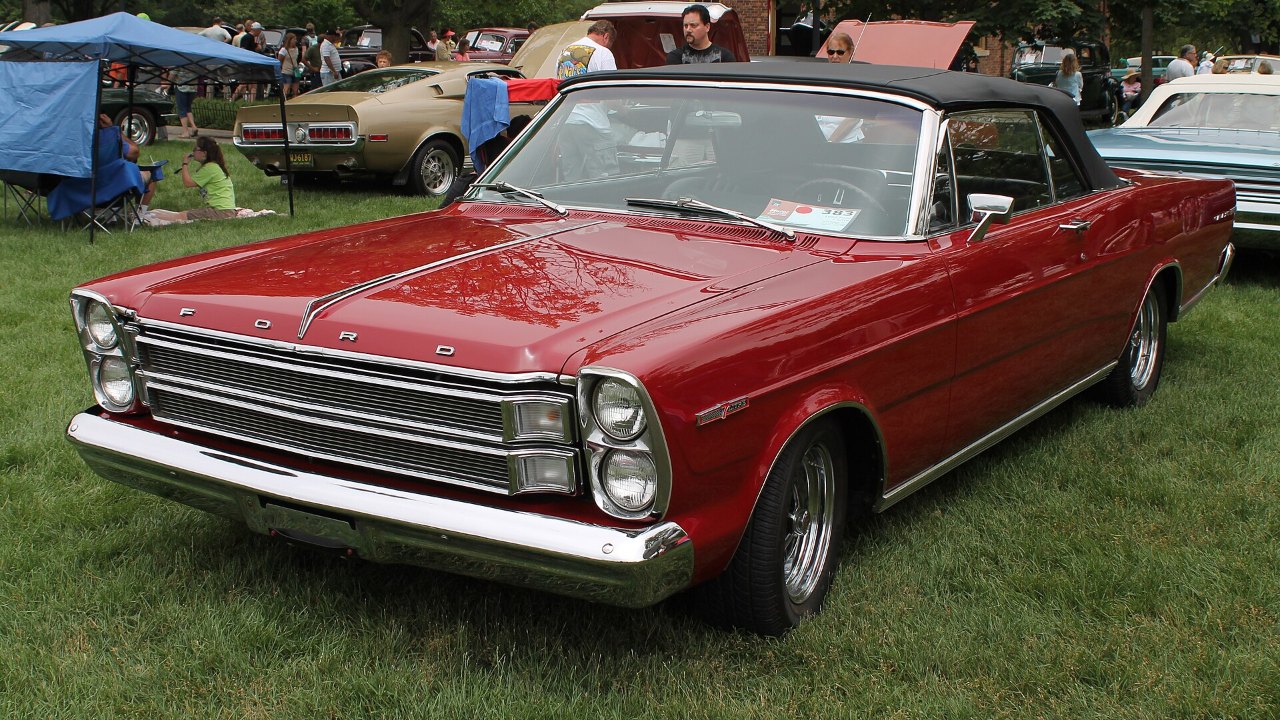
Muscle cars have long captivated enthusiasts with their raw power and bold designs, but some models took inspiration a step further by incorporating elements from aviation into their interiors. This unique blend of car and airplane design creates a thrilling ambiance for drivers. Let’s explore eight iconic muscle cars with airplane-inspired interiors that continue to fascinate car enthusiasts and collectors alike.
Chevrolet Corvette C3
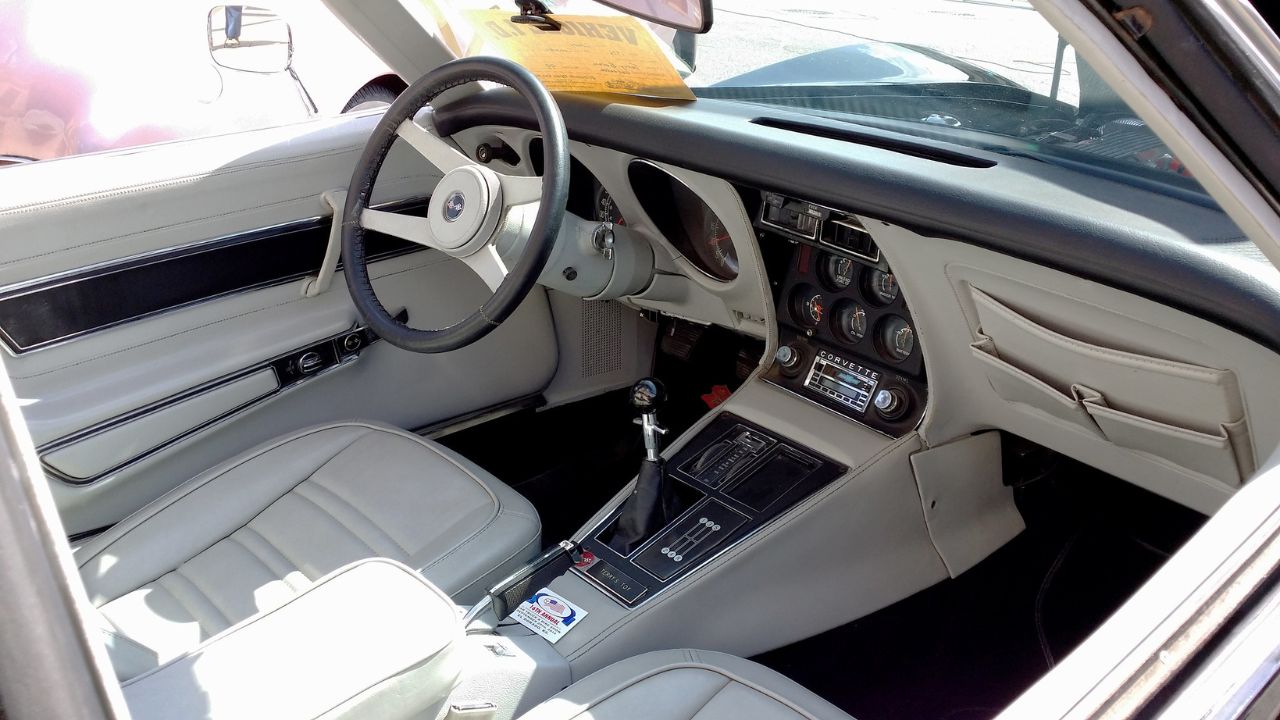
The Chevrolet Corvette C3, produced from 1968 to 1982, was a prime example of how automotive design could take cues from aviation. With its driver-centric cockpit, the C3 featured a sweeping, wraparound dashboard that resembled the control panel of a fighter jet. The layout of gauges and controls catered to the driver’s needs, enhancing the sense of speed and control.
The C3 also embraced a low-slung, aerodynamic design that echoed the sleek lines of aircraft. The combination of these features helped the Corvette C3 become an enduring symbol of American muscle and innovation.
Dodge Charger Daytona
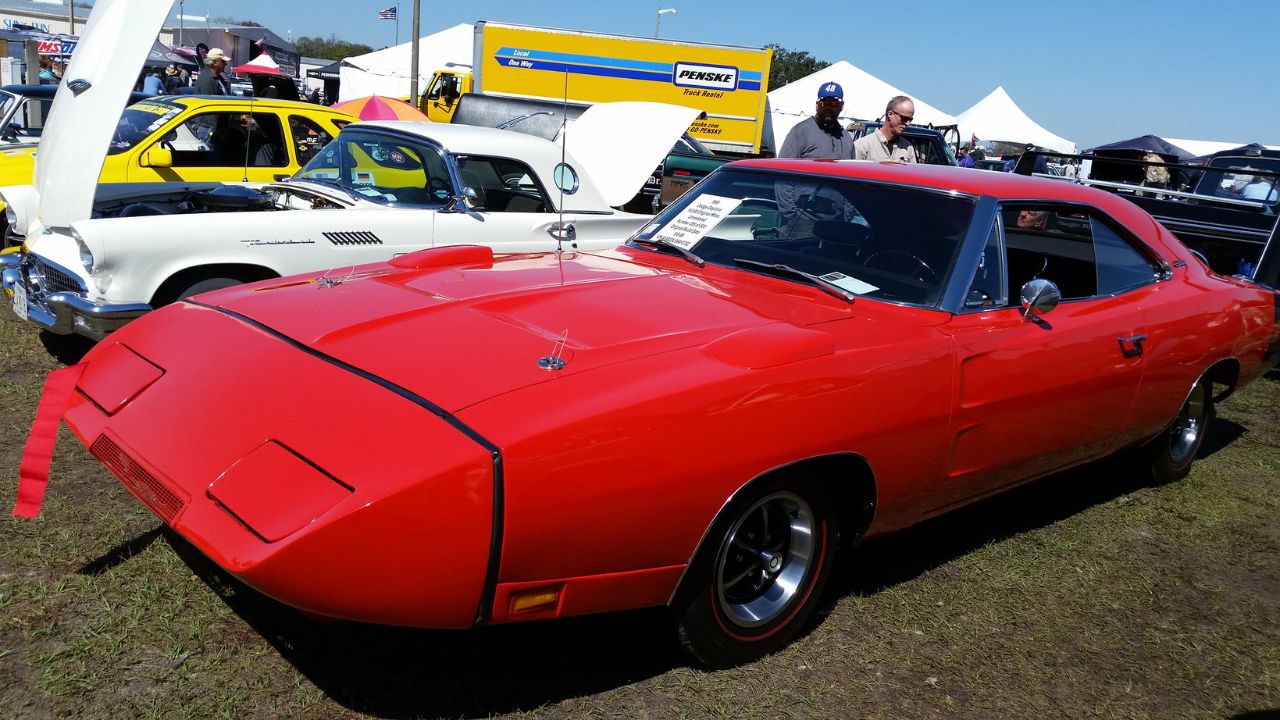
The 1969 Dodge Charger Daytona was not just built for speed; it was designed for the skies. Its spacious interior featured a dashboard that mimicked an airplane’s cockpit with an array of gauges and switches within easy reach of the driver. This design was meant to evoke the precision and technology associated with aircraft.
The Daytona’s high-backed bucket seats provided added support and comfort, similar to those found in fighter jets. This attention to detail, along with its iconic nose cone and rear wing, helped solidify its status as a legendary muscle car.
Ford Mustang Mach 1
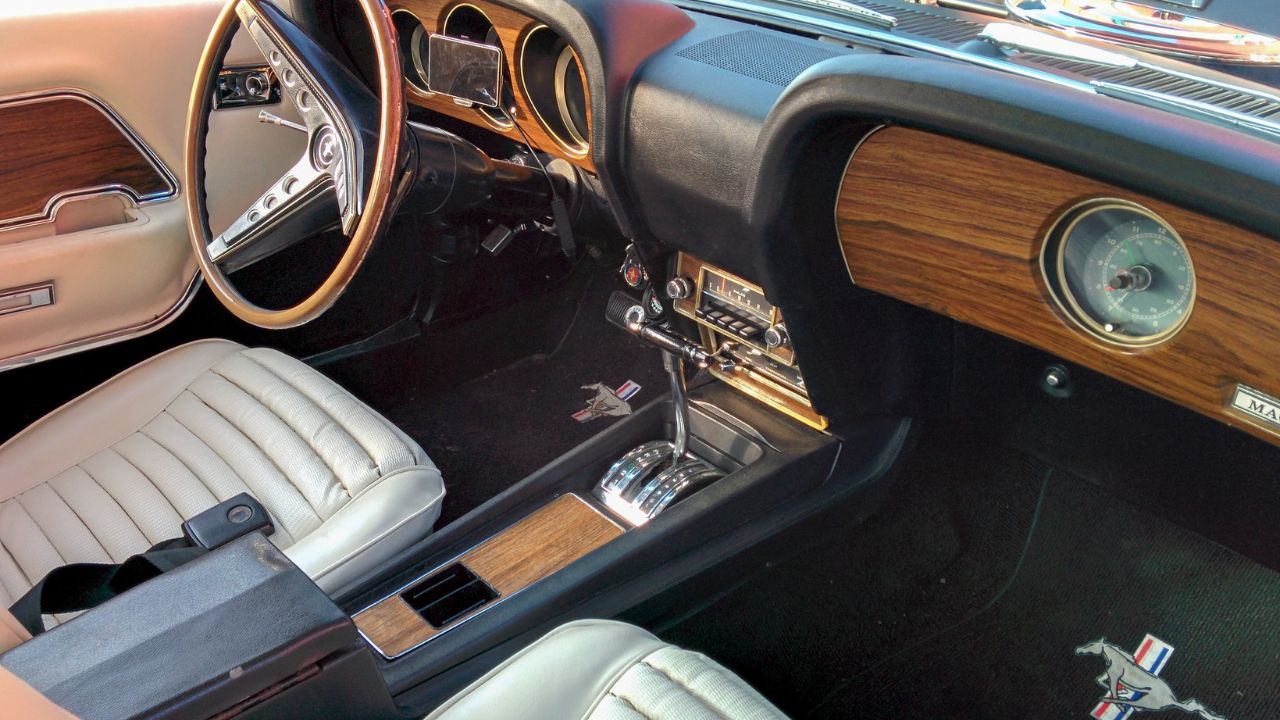
The Ford Mustang Mach 1, first unveiled in 1969, was a car that truly embraced the spirit of flight in its interior design. The dashboard featured a cluster of round gauges and a sporty steering wheel with a center horn button, reminiscent of aircraft controls. Its attention to detail and performance-focused features made the Mach 1 a favorite among enthusiasts.
The Mach 1’s interior also included high-backed bucket seats and a woodgrain trim, adding a touch of luxury to its fighter jet-like atmosphere. This combination of style and power made the Mach 1 an iconic member of the Mustang lineup.
Pontiac Firebird Trans Am
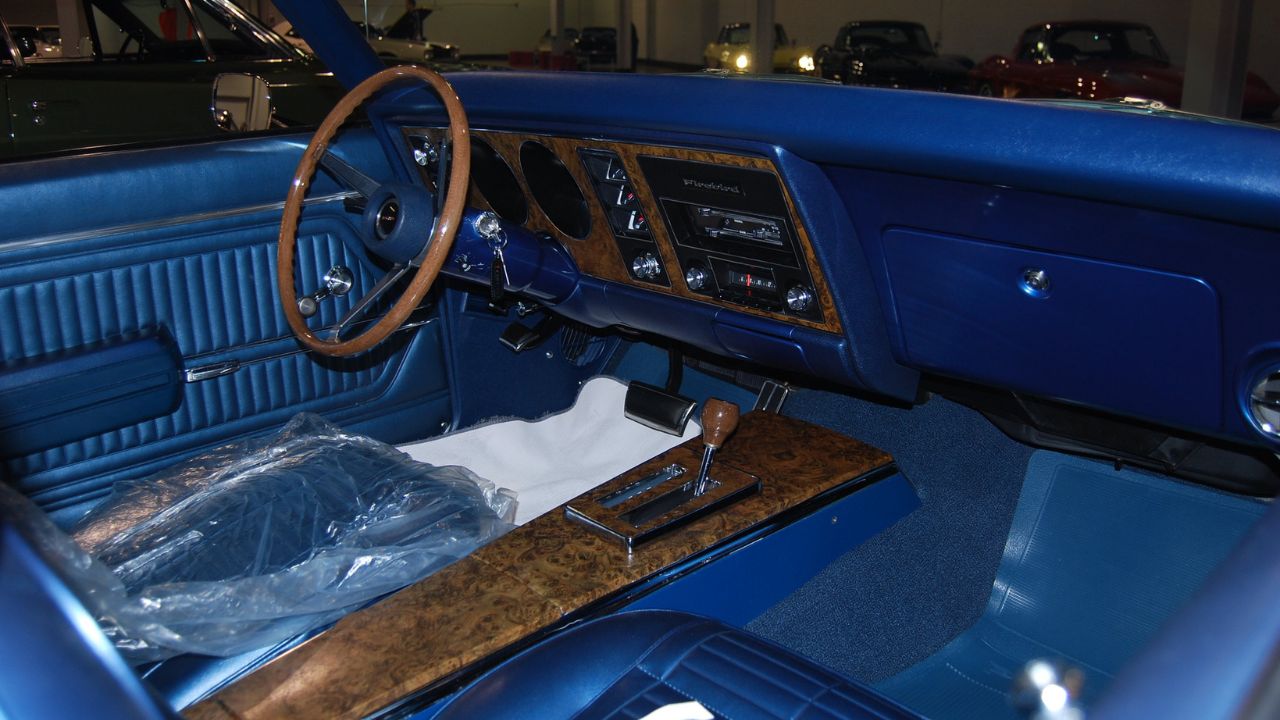
Known for its performance and style, the Pontiac Firebird Trans Am drew inspiration from the aviation world with its interior design. The cockpit-like setup, complete with a wraparound dashboard and aircraft-style gauges, set the Trans Am apart from its contemporaries. This design emphasized the car’s focus on speed and driver engagement.
The Trans Am’s interior also featured supportive bucket seats and a sporty steering wheel, providing drivers with a sense of control akin to piloting an aircraft. This unique blend of features helped the Trans Am maintain its status as a beloved muscle car icon.
Plymouth Superbird
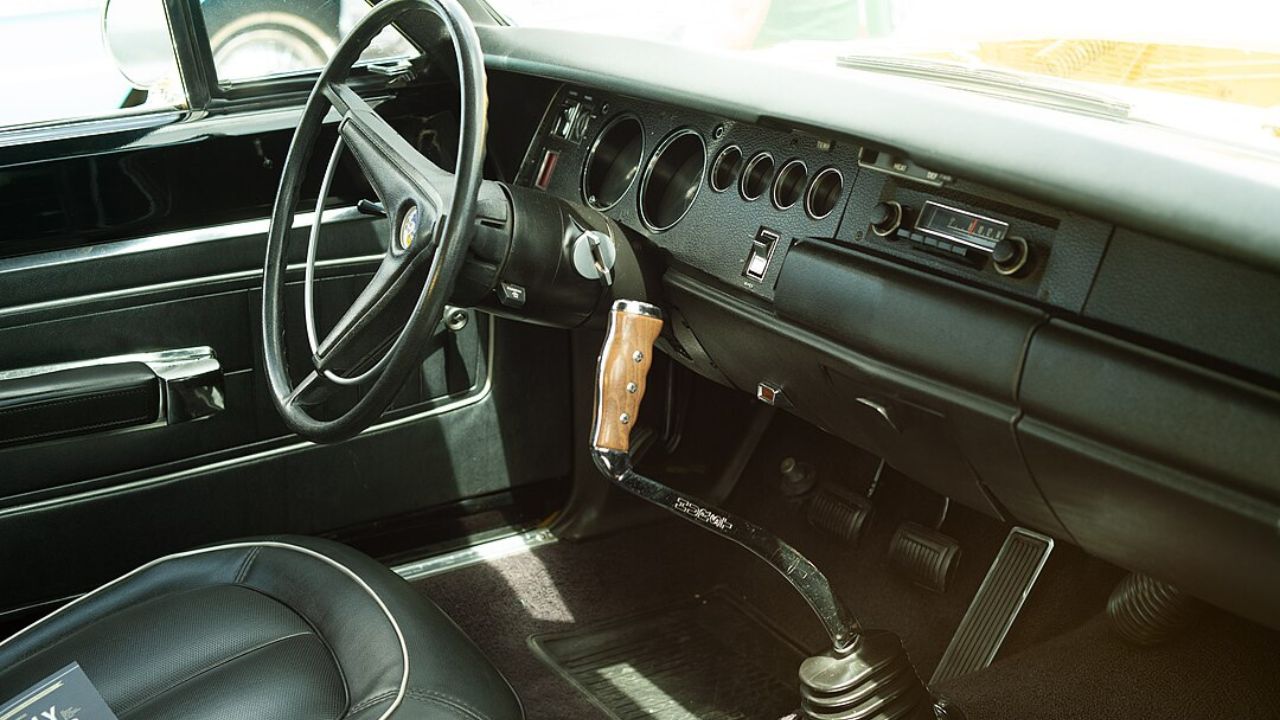
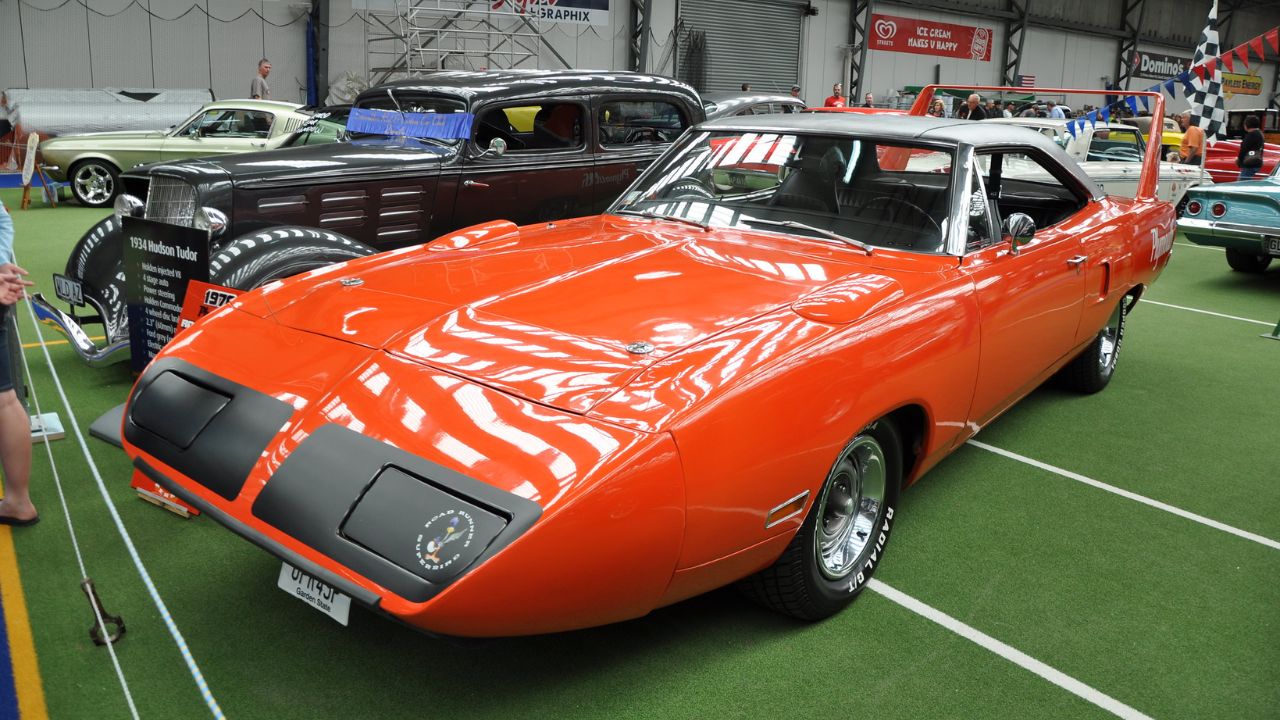
The 1970 Plymouth Superbird, a cousin to the Charger Daytona, took airplane-inspired design to new heights. Its interior featured a sleek and functional dashboard, drawing parallels to the control panels found in aircraft. The design aimed to provide the driver with quick access to vital information and controls.
With its aerodynamic shape and distinctive rear wing, the Superbird was designed for NASCAR dominance, but its interior ensured that drivers felt like they were in the cockpit of a high-performance machine. This combination of style and speed made the Superbird a standout in the world of muscle cars.
AMC AMX/3
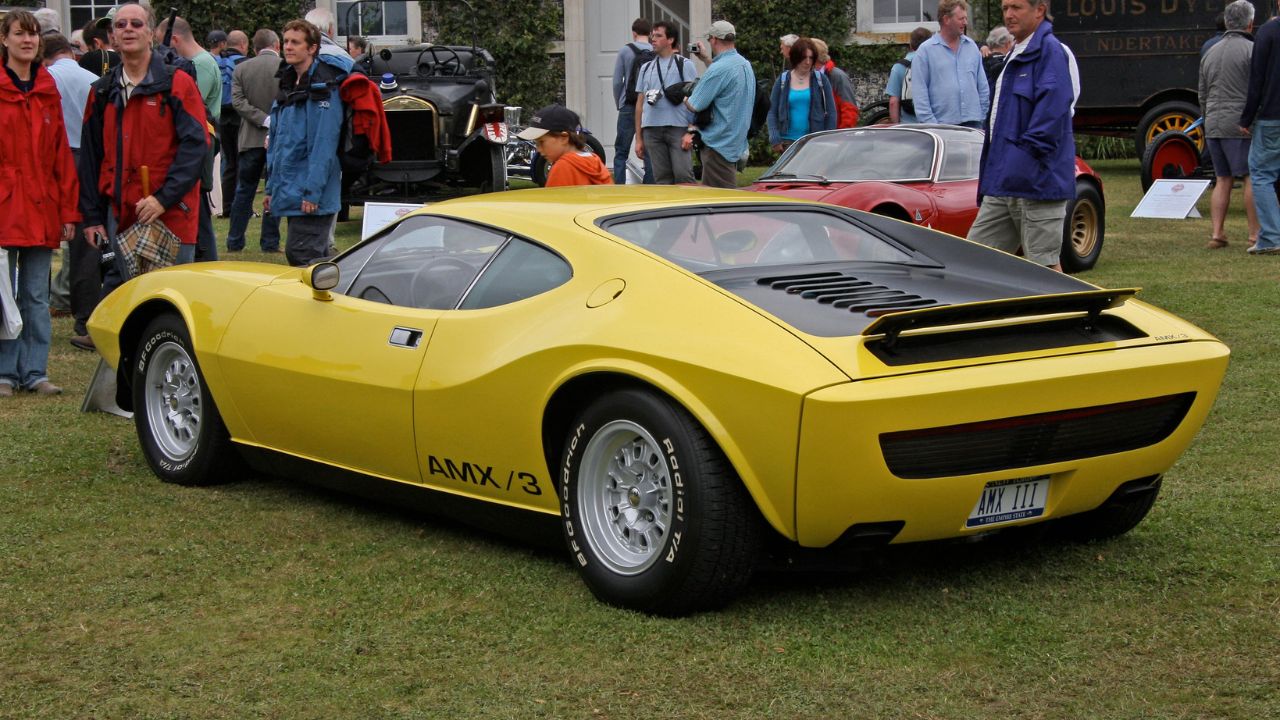
The AMC AMX/3, a rare and limited-production muscle car from the early 1970s, featured an interior that borrowed heavily from aviation design principles. The driver-centric cockpit included a dashboard with a blend of analog gauges and toggle switches, reminiscent of those found in aircraft.
With its sleek, aerodynamic body and fighter jet-inspired interior, the AMX/3 was a testament to AMC’s innovative approach to car design. Although not widely produced, the AMX/3 remains a fascinating example of how automotive and aviation design can intersect.
De Tomaso Pantera

The Italian-American De Tomaso Pantera combined exotic styling with muscle car power. Its interior was heavily influenced by airplane design, featuring a functional yet luxurious cockpit. The dashboard’s array of gauges and controls was laid out to emphasize driver convenience and performance, similar to an aircraft’s control panel.
The Pantera’s leather-trimmed bucket seats and sporty steering wheel further enhanced its aviation-inspired ambiance. This unique blend of Italian design and American muscle made the Pantera a standout vehicle in the automotive world.
Oldsmobile 442 Hurst Edition
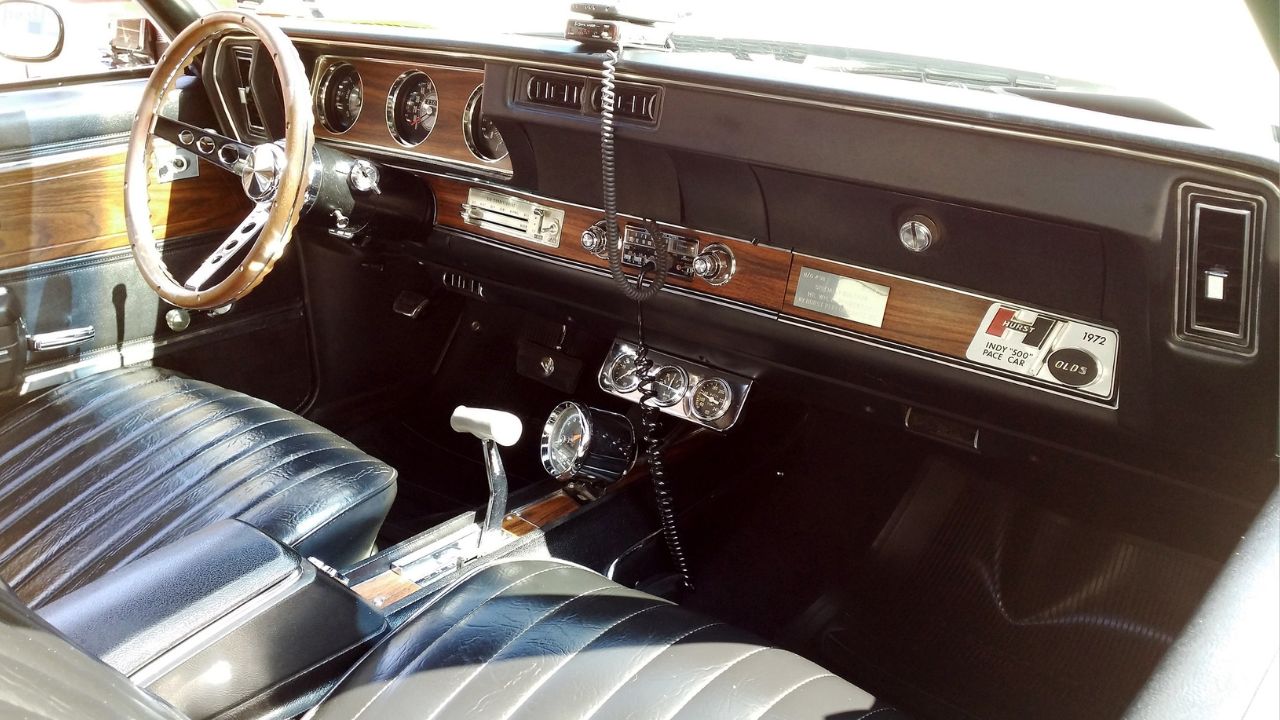
The Oldsmobile 442 Hurst Edition, especially the 1969 and 1972 models, brought a touch of aviation style to its interior. The car featured a cockpit-like dashboard with a focus on driver ergonomics and accessibility. The placement of controls and instruments was designed to make the driving experience more intuitive and enjoyable.
With its plush bucket seats and sporty steering wheel, the 442 Hurst Edition provided drivers with a sense of command and control akin to piloting an aircraft. This combination of comfort and performance helped the 442 Hurst Edition secure its place in muscle car history.
Like Fast Lane Only’s content? Be sure to follow us.
Here’s more from us:
*Created with AI assistance and editor review.