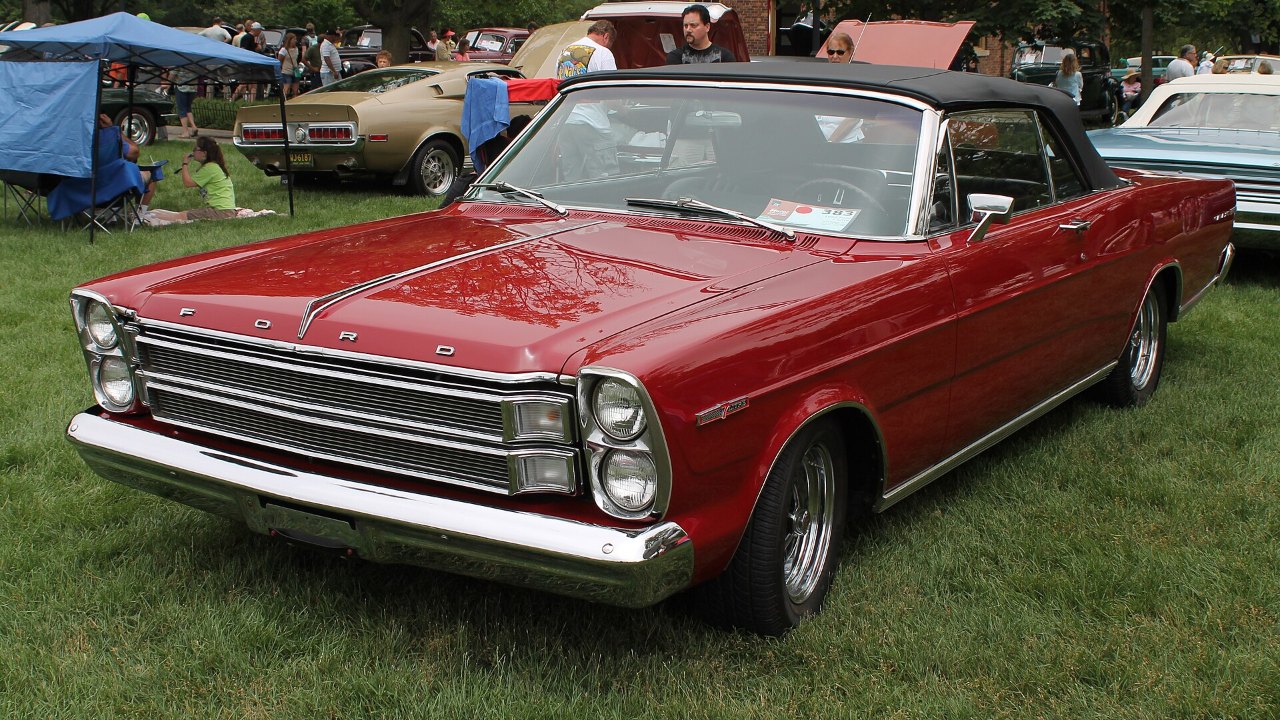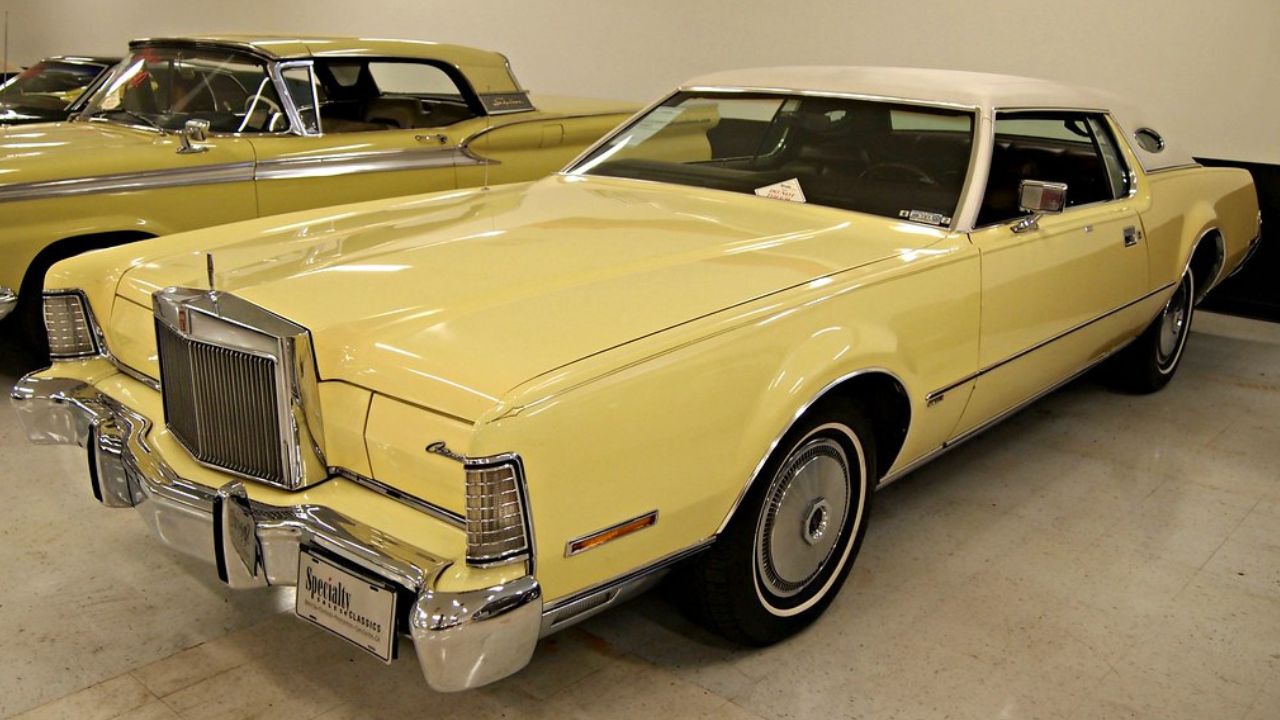
The era of big block Lincolns marked a surprising chapter in automotive history, where these heavyweight luxury cars unexpectedly held their own at stoplights against more nimble rivals. These powerful engines, often underestimated, delivered unexpected bursts of speed that left onlookers and competitors alike in awe.
The Rise of Big Block Lincolns
Historical Context and Development
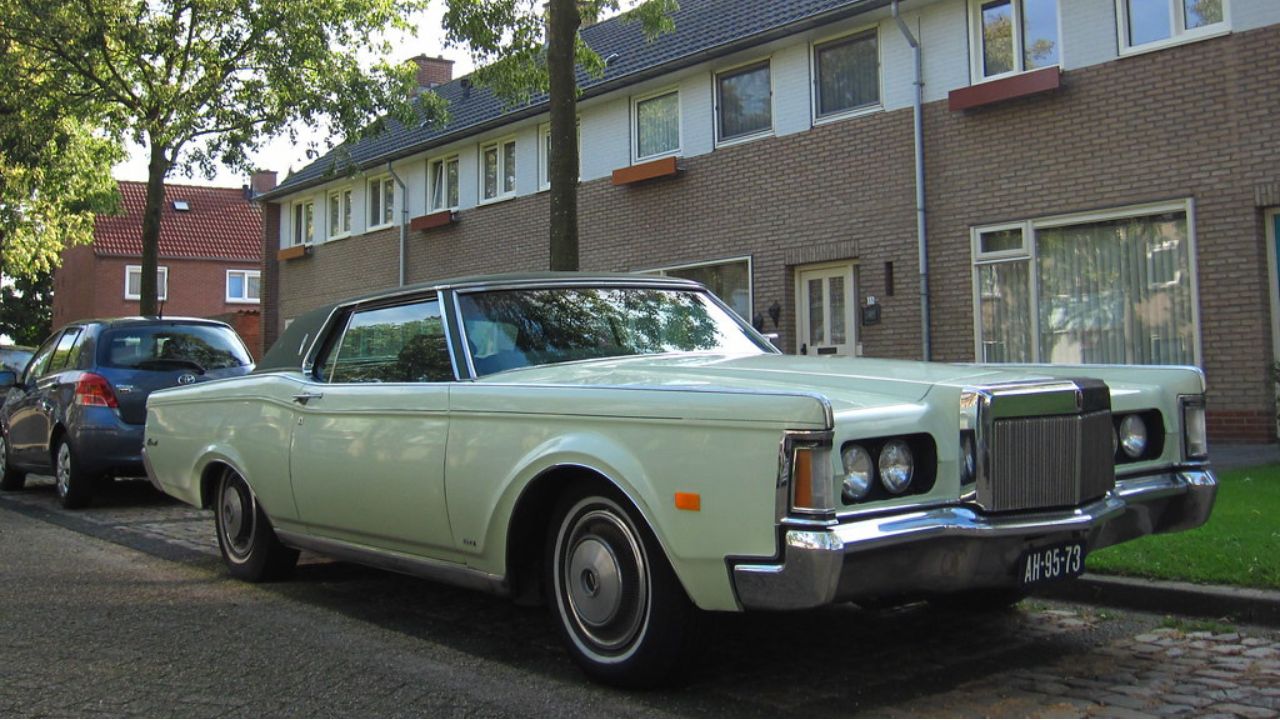
In the post-war automotive landscape, manufacturers were continually striving to innovate and capture market share. Lincoln, a brand synonymous with luxury, made a bold move by adopting big block engines in their vehicles. This decision was motivated by the desire to blend luxury with power, aiming to offer a driving experience that was both luxurious and exhilarating. During the 1960s and 1970s, Lincoln introduced models like the Lincoln Continental and the Mark III, which were equipped with these robust engines.
Technical Specifications and Innovations
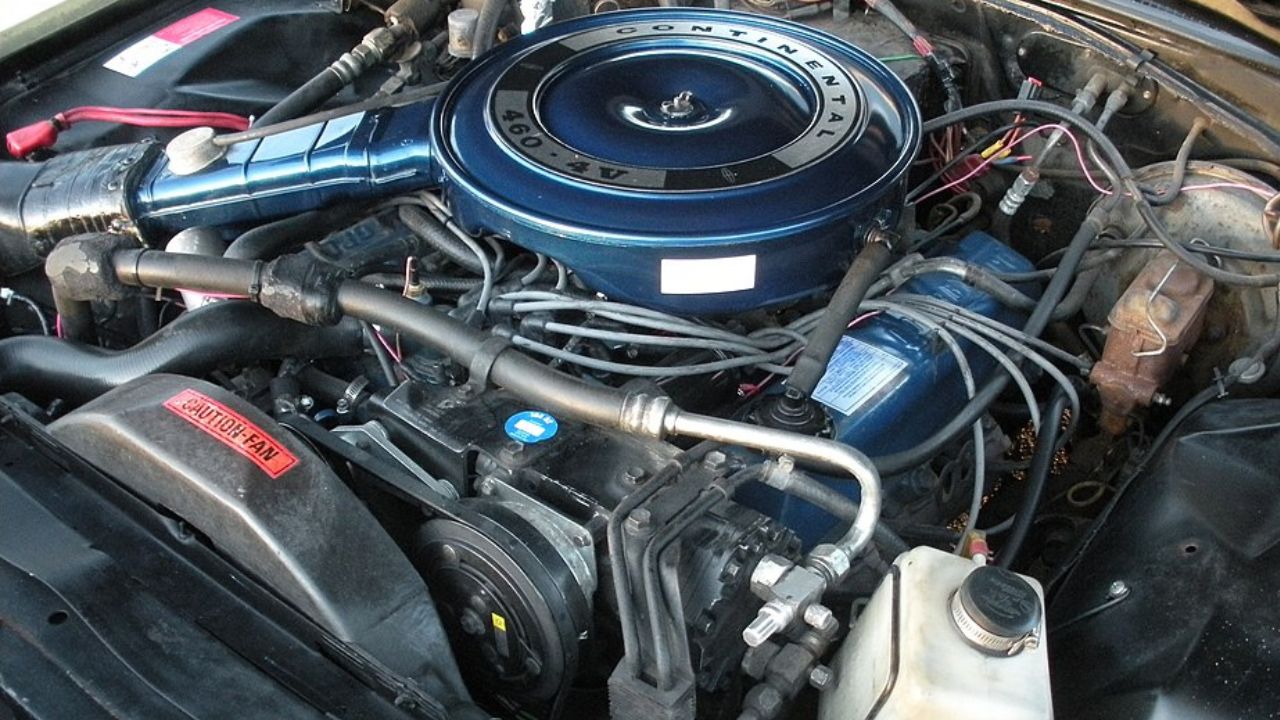
Lincoln’s big block engines were engineering marvels of their time. The Lincoln 460 engine, for instance, was a V8 powerplant that boasted impressive technical specifications, including a displacement of 460 cubic inches and a formidable output that could rival many sports cars of the era. These engines were not only powerful but also incorporated innovative features such as improved combustion efficiency and durability, which set them apart from their competitors. The combination of power and refinement was a testament to Lincoln’s commitment to engineering excellence.
Performance on the Streets
Unexpected Speed and Power
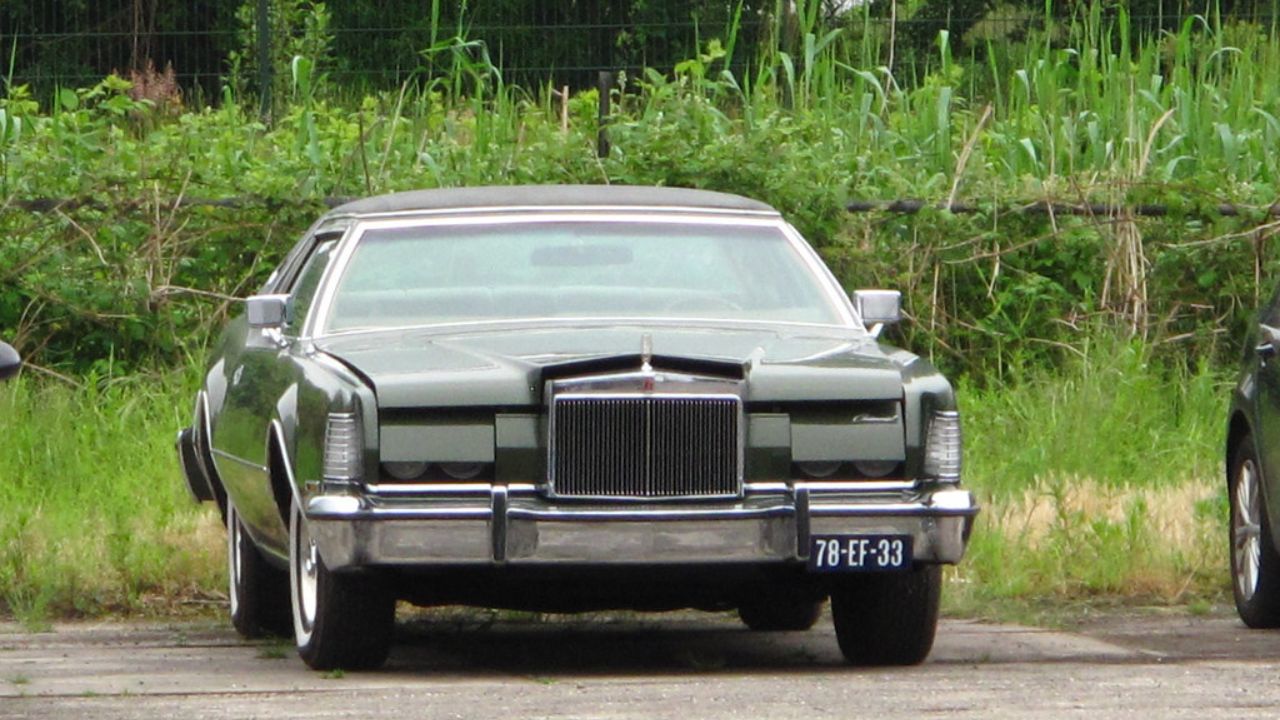
Despite their size, big block Lincolns were capable of delivering surprising acceleration and speed, traits not typically associated with luxury sedans. The sheer power of these engines allowed them to accelerate rapidly from stoplights, often leaving smaller, more agile cars in the dust. The sight of a Lincoln Continental effortlessly pulling away from the pack was a testament to the prowess of these vehicles. Enthusiasts and casual drivers alike were astonished by the performance capabilities of these seemingly cumbersome cars.
Comparative Analysis with Competitors
When compared to contemporary rivals, Lincoln’s big block models held their own in terms of performance metrics. While competitors such as Cadillac focused on luxury and comfort, Lincoln managed to combine these aspects with raw power. The public perception of Lincolns during this era shifted as these cars became known not just for their opulence but also for their ability to perform on par with sports-oriented offerings. This dual capability expanded the appeal of Lincoln’s lineup, making them a formidable presence on the streets.
Cultural Impact and Legacy
Changing Perceptions of Luxury Cars
The introduction of big block engines in Lincoln vehicles reshaped public perception of luxury cars. Traditionally seen as symbols of comfort and status, these vehicles began to be recognized for their performance capabilities as well. This shift in perception paved the way for a broader acceptance of power in high-end vehicles, influencing consumer expectations and automotive design trends. The impact of Lincoln’s big block era is still felt today, as modern luxury cars often emphasize a balance of power and refinement.
Influence on Future Automotive Designs
The legacy of big block Lincolns extends beyond the brand itself, influencing the wider automotive industry. Lincoln’s successful integration of powerful engines into luxury cars set a precedent that many manufacturers would follow. The ripple effect of this innovation can be seen in the subsequent designs of not only Lincoln’s future models but also those of competing brands. As a result, the concept of a luxury car that combines elegance with performance became a standard in the industry, a testament to the lasting influence of this pivotal era in Lincoln’s history.
Like Fast Lane Only’s content? Be sure to follow us.
Here’s more from us:
*Created with AI assistance and editor review.