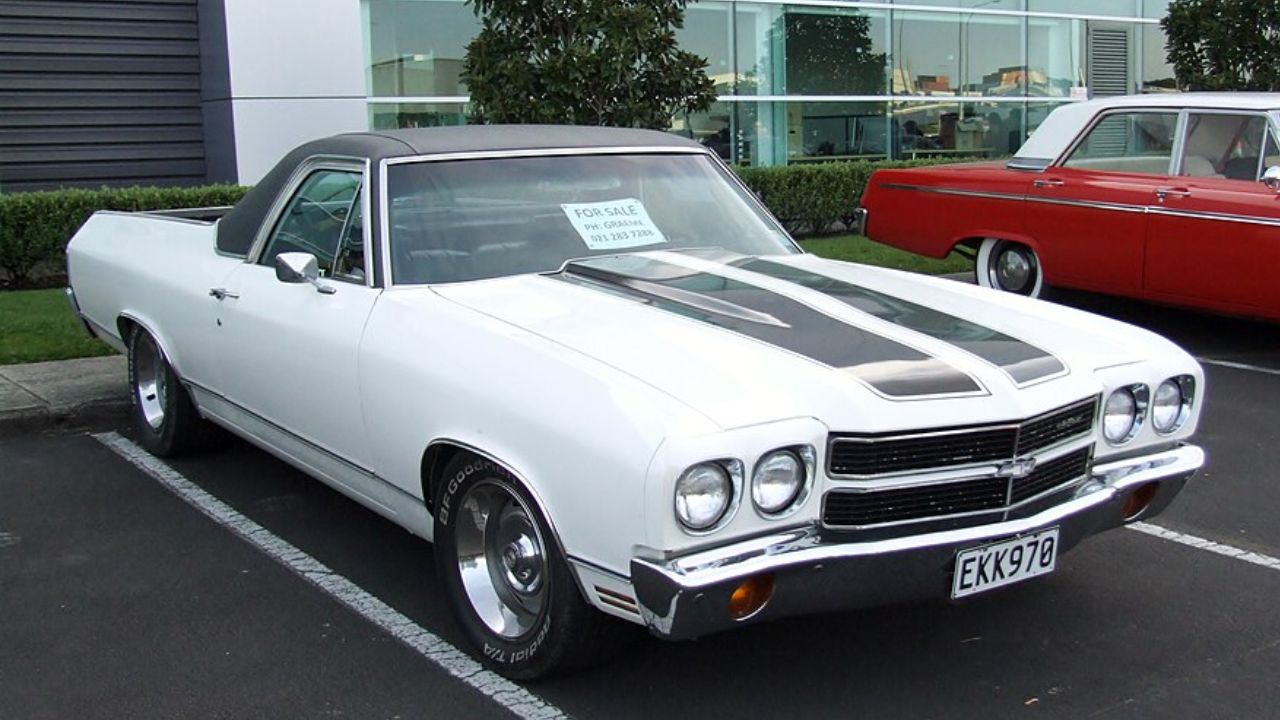
The Chevrolet El Camino holds a unique place in automotive history as the heaviest car ever sold by the brand. This fascinating blend of truck and car design not only captured the hearts of enthusiasts but also set records in weight that remain unmatched to this day.
The History of the Chevrolet El Camino
The origins of the Chevrolet El Camino can be traced back to the late 1950s, a period marked by a growing consumer demand for versatile vehicles that could cater to both utility and leisure. Inspired by the success of the Ford Ranchero, Chevrolet aimed to create a vehicle that combined the practicality of a truck with the comfort of a car. This vision culminated in the debut of the El Camino in 1959, which quickly garnered attention for its unique design and functionality.
Over the years, the El Camino underwent several transformations, spanning multiple generations from 1959 to 1987. Each iteration brought new design elements and technological advancements, reflecting the changing tastes and needs of consumers. From its initial muscle car appeal to the more utility-focused models of the 1980s, the El Camino has continually adapted while retaining its core identity. This adaptability has solidified its place in the pantheon of American automotive lore, becoming a symbol of the era’s blending of practicality and performance.
The Specifications That Define Weight
The weight of the Chevrolet El Camino has varied significantly across its production years. For instance, early models like the 1959 version tipped the scales at around 3,500 pounds, while later models, particularly those from the 1970s, could weigh upwards of 4,000 pounds. This weight was largely attributed to the robust materials used in construction, including a sturdy body-on-frame architecture that provided durability but also added heft.
When comparing the El Camino’s weight to other Chevrolet models, it becomes evident that it occupies a unique niche. For example, the Chevrolet Malibu, a compact car, typically weighs around 3,100 pounds, making the El Camino significantly heavier. Competing vehicles, such as the Ford Ranchero, also showcased similar weight characteristics, but none matched the El Camino’s record. Factors contributing to the El Camino’s heavy build included its larger size, reinforced suspension for towing capacity, and a variety of engine options that necessitated a more robust structure.
Performance Metrics and Driving Experience
The heaviest El Camino models, particularly those produced in the 1970s, boasted powerful engine options that enhanced their performance metrics. These included V8 engines, such as the iconic 454 cubic inch big block, which delivered impressive horsepower and torque. However, the added weight of the vehicle influenced performance, often leading to a trade-off between power and fuel efficiency. Owners frequently noted that while the El Camino offered a thrilling driving experience, especially in its muscle car variants, the weight did impact handling and braking.
Testimonials from owners highlight the unique driving experience of the El Camino. Many enthusiasts appreciate the nostalgic feel and the sense of power that comes with driving a heavy vehicle. Despite its weight, the El Camino was designed for comfort, with spacious interiors and an engaging driving feel. Feedback often emphasizes the satisfaction of cruising on highways or taking on long road trips, proving that the El Camino managed to strike a balance between utility and enjoyment.
The Role of the El Camino in Chevrolet’s Lineup
Throughout its production years, the El Camino played a significant role in Chevrolet’s broader strategy, particularly during a time when consumer preferences were shifting towards more versatile vehicles. Positioned between cars and trucks, the El Camino catered to a diverse market segment that appreciated both performance and practicality. This strategic placement allowed Chevrolet to capitalize on the growing popularity of pickup trucks while maintaining the comfort and style associated with sedans.
Moreover, the El Camino’s relationship with Chevrolet’s truck division was pivotal. It not only shared many components with Chevrolet’s pickup lineup but also served as a bridge for consumers who wanted the utility of a truck without sacrificing the driving experience of a car. Comparing the El Camino with other Chevy models from the same era, such as the Chevrolet Chevelle and the C/K truck series, reveals a unique intersection of design and function that appealed to a broad audience.
The El Camino’s Influence on Modern Vehicles
The influence of the Chevrolet El Camino extends far beyond its production years, as it has inspired a range of modern vehicles, particularly in the crossover and compact truck segments. As consumer preferences continue to evolve, the concept of a hybrid vehicle that combines truck utility with car comfort remains relevant. Contemporary models, like the Ford Maverick, reflect this trend by offering versatile solutions for drivers seeking efficiency without compromising on functionality.
There is ongoing discussion about the possibility of reviving the El Camino in today’s automotive market. Enthusiasts and industry experts speculate about what a modernized version could look like, especially with advancements in electric and hybrid technology. Imagining an electric El Camino taps into the growing demand for sustainable vehicles while paying homage to the legacy of one of Chevrolet’s most iconic models. For a deeper dive into this topic, check out insights from The Autopian.
Collectibility and Market Trends
The Chevrolet El Camino has carved out a niche as a collector’s item, with vintage models gaining traction in the classic car market. Collectors often seek out specific model years, such as the 1970 SS model, known for its performance and unique design features. The appreciation for the El Camino among enthusiasts has driven up its market value, with some models fetching impressive prices at auctions.
Market trends indicate a steady demand for classic El Camino models, particularly those that are well-preserved or restored to their original condition. Factors influencing this demand include nostalgia, a growing interest in classic cars, and the vehicle’s unique blend of utility and style. Collectors are particularly drawn to models that feature original components, making restoration efforts a priority for many. Insights into current valuations can be further explored in resources like automotive history books.
The El Camino in Popular Culture
The Chevrolet El Camino has made notable appearances in films, television, and music, solidifying its status as a cultural icon. Its distinctive design and rugged charm have been featured in various media, from classic television shows like “Breaking Bad” to films that celebrate Americana. These appearances have helped to cement the vehicle’s association with different subcultures, including car enthusiasts and collectors who appreciate its unique blend of style and utility.
Interviews with fans and collectors often reveal a deep-seated admiration for the El Camino’s cultural significance. Many describe it as more than just a vehicle; it represents a lifestyle choice and a connection to a bygone era. The sense of community among El Camino enthusiasts is palpable, with clubs and events dedicated to celebrating this unique vehicle. For more on its cultural impact, resources such as popular automotive literature provide excellent insights.
Maintenance and Restoration Challenges
Owning a vintage Chevrolet El Camino comes with its set of challenges, particularly regarding maintenance and restoration. Common issues faced by owners include rust, wear and tear on the suspension, and electrical problems that often arise in older vehicles. Given the El Camino’s unique design, sourcing original parts can also prove to be a challenge, requiring dedicated enthusiasts to seek out specialized suppliers or aftermarket alternatives.
For those looking to restore a heavy El Camino, several tips can help streamline the process. It’s advisable to start with a thorough assessment of the vehicle’s condition and prioritize repairs based on safety and functionality. Joining online forums or local clubs can also provide valuable resources and support from other El Camino enthusiasts, who often share restoration tips and recommendations for parts sources. Comprehensive guides on maintenance can be found in various automotive books dedicated to classic vehicles, including those focused on Chevrolet’s history.
Future Prospects for the El Camino Legacy
The future prospects for the El Camino legacy appear promising, with ongoing discussions regarding potential revivals and modern adaptations. As the automotive industry shifts towards electric and hybrid vehicles, there is a growing interest in how a modern El Camino could incorporate sustainability while retaining its iconic characteristics. Experts speculate that an electric El Camino could appeal to a new generation of drivers who value efficiency without sacrificing the utility that made the original so popular.
Additionally, the rise of compact trucks and crossovers could provide the perfect backdrop for a revival of the El Camino name. As seen with vehicles like the Ford Maverick, there is a market for versatile vehicles that cater to both work and leisure. Predictions suggest that if Chevrolet decides to reintroduce the El Camino, it could potentially reshape the landscape of modern automotive offerings, continuing its legacy in a new and exciting way. For further reading on this subject, resources such as automotive publications provide insightful forecasts on this topic.
More from Fast Lane Only